
What Causes Loss of Appetite in Dogs: A Guide to Symptoms and Solutions
It's a sinking feeling for any dog owner: your normally chow-happy companion suddenly turns their nose up at their favorite meal. A dog's loss of appetite can be triggered by a few different things, like medical issues, behavioral stress, or environmental changes.
Since a healthy dog is almost always a hungry dog, figuring out what's behind their hunger strike is the first step to getting them back to their food bowl.
Decoding Your Dog's Lost Appetite
This sudden change, often called canine anorexia, is one of the most common worries vets hear about. While a single skipped meal isn't usually a red flag, a dog that consistently refuses to eat is trying to tell you something isn't right.
Getting to the bottom of what causes loss of appetite in dogs feels a bit like being a detective. The clues are all there—in your dog's health, their daily routine, and any recent changes in their life. Maybe a new medication is making them feel off, or dental pain makes every bite a chore. It could also be something less obvious, like the stress from a new baby in the house or a recent move.
The Three Main Culprits
To crack the case, it helps to think in three main categories. Each one points you toward a different set of potential problems and, more importantly, solutions.
- Medical Reasons: This is all about physical health problems that make eating difficult, painful, or just plain unappealing. It could be anything from a simple upset stomach or dental disease to more serious conditions like pancreatitis or kidney issues.
- Behavioral Factors: A dog's emotional state has a huge impact on their desire to eat. Stress, anxiety, or even a classic case of being a "picky eater" can lead them to turn down food. Sometimes, they're just holding out for something better!
- Environmental Triggers: The cause might be right there in your dog's surroundings. A different feeding spot, a new food formula, or even a sudden heatwave can be enough to throw their eating habits off track.
When a dog stops eating, nutritional gaps can develop fast. If your pup has been off their food for more than a day, it's crucial to watch for other problems. Knowing the subtle signs of malnutrition in dogs can help you take action before it becomes a bigger issue.
To help you narrow down the possibilities, here's a quick cheat sheet. This table breaks down the common causes into those three main categories, giving you a starting point for your investigation.
Quick Guide to Causes of Appetite Loss in Dogs
| Cause Category | Common Examples | What to Look For |
|---|---|---|
| Medical | Dental pain, upset stomach, infections, pancreatitis, kidney disease, medication side effects. | Drooling, bad breath, vomiting, diarrhea, lethargy, changes in drinking or urination habits. |
| Behavioral | Stress, anxiety, pickiness, fear, separation anxiety, attention-seeking. | Hiding, pacing, whining, following you everywhere, refusing kibble but taking treats. |
| Environmental | New food, change in routine, moving to a new home, hot weather, a new pet or person in the house. | Recent changes in the home, new food bag, travel, unusual weather patterns. |
Think of this table as your detective's notepad. By matching your dog's symptoms and recent life events to the examples, you can start to piece together the puzzle and figure out your next steps.
Exploring Medical Reasons for Appetite Loss
When your dog suddenly turns their nose up at their favorite meal, it’s more than just a case of being picky. It's often a clear signal that something is wrong, and the root cause is frequently a medical issue that makes eating uncomfortable, painful, or downright impossible.
Think about it this way: would you want to dig into a steak dinner with a raging toothache or a churning stomach? Probably not. Your dog feels the same way. Ruling out health problems is always the first, most crucial step.
Dental Pain and Discomfort
One of the most common culprits for a sudden food strike is hiding right in their mouth. Dental disease—whether it's a cracked tooth, sore gums, or a painful abscess—can turn chewing from a joy into a torture.
Your dog can’t tell you their mouth hurts, so they just stop eating to avoid the pain. You might see other clues, like dropping food, chewing on only one side of their mouth, or suddenly refusing hard kibble and treats. And that classic "doggy breath"? It's often a dead giveaway for dental trouble.
Gastrointestinal and Digestive Upset
A dog's gut is a sensitive place. Any number of issues, from a simple upset stomach to more serious conditions like pancreatitis or inflammatory bowel disease, can completely zap their desire to eat. When their digestive system is in turmoil, food is the last thing on their mind.
These problems usually bring friends along, like vomiting, diarrhea, or constipation. Pancreatitis, for example, is notoriously painful and almost always causes a dog to refuse food entirely. Even something like acid reflux can create discomfort, making your dog associate mealtime with pain. You can learn more about how to manage discomfort from acid reflux in dogs.
A dog’s refusal to eat is a powerful, non-verbal cue that they don't feel well. Since they can't describe their symptoms, their behavior is the clearest indicator of an internal problem that needs attention.
Systemic Illnesses and Infections
Sometimes, a loss of appetite is just the tip of the iceberg, hinting at a much bigger problem affecting their whole body. Systemic illnesses like kidney disease, liver problems, heart conditions, or even cancer can make a dog feel nauseous and generally unwell, which naturally kills their appetite.
Infections are another major player. In fact, infections and gastrointestinal diseases are a leading cause of appetite loss, often showing up alongside lethargy. Viral infections like parvovirus are infamous for causing severe anorexia that can last for more than 48 hours. A single skipped meal isn't a five-alarm fire, but a dog who consistently refuses to eat is waving a big red flag that it's time to call the vet.
Medication Side Effects and Other Pains
Did your dog just start a new medication or get a vaccine? Just like with us, some drugs can have side effects like nausea that lead to a temporary loss of appetite. If you notice a change right after starting a new treatment, it's a good idea to check in with your veterinarian.
Pain from other sources can also be the reason. A dog with arthritis or a recent injury might find it too painful to stand over their bowl for very long. The effort alone might be too much, causing them to give up even if they're hungry. Spotting these subtle signs of discomfort is key to figuring out what’s wrong and getting them the help they need to feel good again.
How Behavior and Stress Impact Your Dog's Appetite
Sometimes, the reason your dog is turning up their nose at dinner has nothing to do with a physical problem. A dog’s emotional state is deeply tied to their desire to eat, which means a sudden loss of appetite could be a clue that they're feeling stressed, anxious, or even a little depressed. Getting a handle on this connection is key to creating a supportive home where your dog feels secure enough to eat well.
Just like us, dogs are sensitive creatures, and they get thrown off by changes in their world. What might seem like a small adjustment to you can feel like a major earthquake to them, triggering a stress response that completely shuts down their hunger cues.
Common Emotional Triggers for Appetite Loss
Dogs are creatures of habit—they thrive on routine and predictability. When their world suddenly gets turned upside down, their appetite is often the first thing to disappear. Put yourself in their paws: a new situation can be scary, and eating is the last thing on their mind when they feel threatened or insecure.
Several common life events can be the source of this stress. For example:
- A new home: Moving is a massive adjustment. Your dog has to get used to entirely new sights, sounds, and smells, which can be completely overwhelming.
- A new family member: The arrival of a new baby or another pet can change the entire household dynamic. Your dog might suddenly feel displaced or anxious about their spot in the pack.
- Changes in routine: A new work schedule for you, or even just moving their food bowl, can disrupt their sense of stability and throw them for a loop.
- Loud noises: Think construction, thunderstorms, or fireworks. These can create an environment of fear that makes a dog far too scared to even think about eating.
Picky Eater or Genuinely Stressed?
It’s easy to slap the "picky eater" label on a dog, but it's really important to know the difference between simple fussiness and a genuine behavioral issue. A picky eater might turn their nose up at their kibble but will happily gobble down a treat. A dog struggling with stress or anxiety, on the other hand, might refuse all food—even their absolute favorites.
A dog’s mental well-being directly influences their physical health. Emotional distress doesn't just make them sad; it can cause real physical symptoms, with a loss of appetite being one of the most common and visible signs.
This is why looking at their overall behavior is so important. A stressed dog will often show other signs besides refusing to eat. You might see them hiding, pacing, licking themselves excessively, or becoming much more clingy than usual.
The Role of Anxiety and Depression
Anxiety and depression aren't just human conditions; our dogs can experience them, too. In fact, stress and behavioral factors contribute significantly to loss of appetite in dogs, sometimes even when there's no obvious physical illness.
This kind of anxiety-driven appetite loss is often seen in dogs with separation anxiety or those who are struggling with environmental stressors, like being boarded in a kennel. You can get more information on how a dog's emotional state affects their eating habits by reading these insights on behavioral anorexia in dogs.
When a dog is stuck in a constant state of worry, their body pumps out stress hormones that can squash their hunger. One of the best things you can do is create a calm, predictable environment to help them feel safe, which in turn will encourage them to eat again. This means giving them a quiet space for meals, sticking to a consistent feeding schedule, and offering plenty of reassurance. By addressing their emotional needs, you're not just fixing a feeding problem—you're nurturing their overall well-being.
Could Your Dog's Environment Be the Cause?
After you've considered medical and behavioral possibilities, it's time to play detective in your dog's immediate surroundings. More often than not, the reason for a dog's hunger strike is hiding in plain sight, right in their daily environment or routine.
Think of it this way: if someone suddenly served your favorite meal in a loud, strange place or changed the recipe without warning, you’d probably hesitate, too. Dogs are incredibly sensitive to their world, and even small disruptions can be enough to put them off their food. The good news? This is often the easiest category of problems to fix.
Changes in Routine or Location
Dogs are creatures of habit. They thrive on predictability, which gives them a sense of comfort and security. When their daily life gets shaken up, it can cause enough stress to make them skip a few meals.
Some of the most common environmental triggers include:
- A recent move: A new house is a sensory overload of unfamiliar sights, sounds, and smells.
- Travel or boarding: A long car trip or a stay at a kennel is a major disruption that can easily spark anxiety.
- Changes at home: Even seemingly minor things like rearranging the furniture, having houseguests over, or moving their food and water bowls can throw them for a loop.
These kinds of changes can make a dog feel insecure. And when a dog feels insecure, eating is usually the last thing on their mind.
Issues with Their Food and Feeding Area
Sometimes, the problem isn't the dog—it's the dinner. It’s worth taking a hard look at whether something about mealtime itself has become unappealing.
For instance, has their kibble gone stale? Dog food loses its tempting aroma and can even taste off if the bag has been open too long. Another classic reason for food refusal is a sudden switch to a new brand or formula without a gradual transition period. They might simply not like the new taste or texture.
A dog’s sense of smell is mind-blowingly powerful. If their food doesn't smell right to them—whether it's stale, a new formula, or served in a dirty bowl—they're very likely to turn their nose up at it.
The location of their bowl is a big deal, too. If it’s in a high-traffic area where they feel rushed or have to compete with other pets, they may just avoid eating altogether. Even the weather plays a part; a sudden heatwave can suppress appetite. Just like us, dogs often eat less when it's sweltering hot.
By carefully examining these simple environmental factors, you can often find a quick and easy solution to get your dog happily munching away again.
When You Should Call the Vet
One missed meal usually isn't a crisis. But how do you know when a simple case of "not hungry" crosses the line into a real medical problem? The most important rule of thumb is the 24-hour mark.
If your dog has gone a full day without eating a single bite, it's time to pick up the phone and call your veterinarian. No exceptions.
For more vulnerable dogs, that timeframe is even shorter. Puppies, senior dogs, and those with pre-existing conditions like diabetes need help much faster. Waiting 24 hours could be too long for them, so you should be calling your vet much sooner if they skip a meal.
Recognizing Red Flag Symptoms
A dog not eating rarely happens in a vacuum. It’s often just one piece of a larger puzzle. When you notice your dog turning up their nose at food, play detective and look for these other warning signs. They demand an immediate call to your vet.
- Vomiting or Diarrhea: This is a big one, especially if it’s happening over and over, you see blood, or it happens right after they refuse to eat.
- Extreme Lethargy: Is your dog suddenly acting like a furry couch potato? If they seem unusually weak, tired, or have zero interest in things they normally love (like walks or toys), something is wrong.
- Signs of Pain: Pain can show up in weird ways. Look for whining, a hunched-over posture, a swollen or tight belly, or yelping when you try to touch them.
- Difficulty Breathing: Any change in their breathing is an emergency. If you notice coughing, wheezing, or labored breaths, don't wait.
When you see these symptoms combined with a refusal to eat, it signals that something more serious is going on under the hood. Before you panic, this decision tree can help you rule out some simpler environmental causes first.
This visual guide is a great way to quickly check if a simple change in their surroundings—like the temperature or their food bowl's location—might be the culprit before you rush to the vet.
Why Timely Action Matters
Acting fast is so important because a loss of appetite is one of the most common signs of an underlying medical issue. This is especially true for dogs who are already sick or recovering from something.
In fact, research on hospitalized dogs found that a shocking 84% ate less than 25% of the calories they needed each day. This shows just how quickly a sick dog can slide into a dangerous nutritional deficit. You can read the full research about canine food intake to get a deeper understanding of this phenomenon.
Trust your gut. You know your dog better than anyone. If something just feels off, it’s always better to be safe and make that call.
At the end of the day, your veterinarian is your best partner in figuring out what causes loss of appetite in dogs. They have the tools to do a full exam, run the right tests, and get your best friend back on their paws and excited about their food bowl again.
How to Encourage Your Dog to Eat Again
Once you’ve gotten the all-clear from your vet, you can finally shift your focus from worry to action. Getting a dog interested in their food again isn’t about forcing the issue; it’s about patience and making mealtime a positive, appealing experience instead of a battle of wills.
The good news is, there are several simple and surprisingly effective techniques you can try right at home. These small adjustments can often make a huge difference in reigniting their appetite and getting them back on the track to good health.
Simple Tricks to Stimulate Appetite
Sometimes, all it takes is a little creativity to remind your dog just how much they love to eat. Think of it as making their everyday meal feel like a special occasion.
A fantastic place to start is by tapping into their most powerful tool: their nose. Gently warming their food in the microwave for just a few seconds can release its aroma, making it much more enticing. Another great trick is to add a splash of warm, low-sodium bone broth or even just water to their kibble. This not only enhances the scent but also softens the texture, which is a big plus for dogs with sensitive mouths.
Here are a few more gentle methods to try:
- Offer by Hand: The personal touch can work wonders. Hand-feeding a few bites often provides the comfort and encouragement a hesitant dog needs to get started.
- Experiment with Texture: If your dog normally eats dry kibble, try mixing in a spoonful of wet food. The different texture and flavor can be enough to spark new interest.
- Create a Calm Space: Make sure their feeding area is quiet and away from the hustle and bustle of the household. A peaceful environment can make an anxious dog feel much more secure.
Boosting Nutrition and Enticing Fussy Eaters
While these tricks are a great start, you also want to make sure every single bite they do take is packed with the nutrients they need to get their strength back. This is especially true if their appetite has been lagging for a while.
This is where a high-quality meal enhancement can make all the difference.
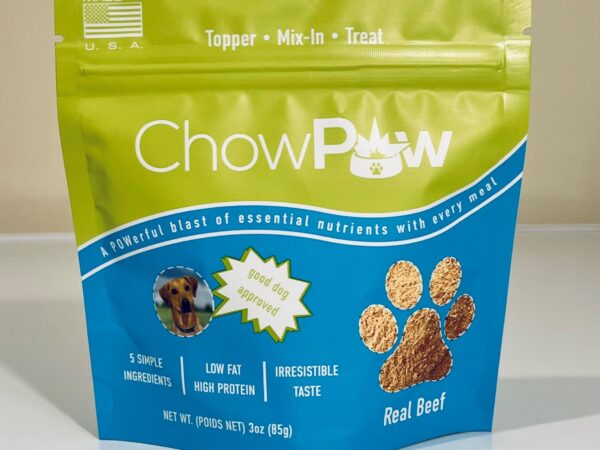
ChowPow was designed for this exact situation. It isn't a replacement for your dog's regular food, but a powerful nutritional booster that you just sprinkle over their existing kibble. Its entire purpose is to make any meal irresistible while adding vital nutrients back into their diet.
Made from delicious, all-natural ingredients like dehydrated beef heart, ChowPow transforms a boring bowl of kibble into a feast. The rich, meaty aroma is specifically crafted to tempt even the most stubborn eaters, making it one of the best dog food toppers for picky eaters.
This simple addition helps ensure your dog gets the high-quality protein and essential vitamins they need for energy, wellness, and a healthy appetite. For dogs recovering from an illness, seniors with dental issues, or just plain picky pups, it’s the perfect way to boost the nutritional value of their regular food—turning mealtime back into the happy, tail-wagging event it’s supposed to be.
-
Product on sale
 Dog Food Topper - Beef HeartOriginal price was: $14.99.$10.95Current price is: $10.95. - or subscribe and save up to 20%