What Ingredients to Avoid in Dog Food
Figuring out which ingredients to avoid in your dog's food starts with one crucial skill: learning how to read the label. It can feel like a chore, but it's the single best way to protect your pup. The biggest red flags are artificial preservatives like BHA and BHT, sneaky, vague terms like "meat meal", and cheap fillers such as corn, wheat, and soy. These ingredients are often a sign of lower-quality food and can unfortunately lead to health problems down the road.
How to Decode Your Dog Food Label
Staring at a dog food bag can feel like trying to read a foreign language. The long chemical names and slick marketing slogans are designed to be confusing, and it's easy to feel totally overwhelmed.
But let’s simplify it. Think of it just like reading the nutrition label on your own food at the grocery store. You probably glance at it to look for whole foods and skip the ones full of processed junk, right? The exact same logic applies to what goes in your dog's bowl.
The ingredient list is your secret weapon. It tells you the real story. Ingredients are listed by weight, so the first few items on the list make up the bulk of what's inside. A high-quality food will always start with a specific, named protein source—think "deboned chicken" or "lamb," not some mystery "meat by-product."
What to Look for First
When you pick up a bag of kibble, your goal is to quickly spot the difference between real nutrition and cheap, empty fillers. It only takes a few seconds.
Here are the key things to check right away:
- The First Ingredient: Is it a whole, named meat? This is the best and quickest indicator of a quality product.
- Vague Language: Do you see fuzzy terms like "animal fat" or "meat meal"? This lack of transparency is a major red flag. Good brands are proud of their ingredients and will name them specifically.
- Artificial Additives: Scan for chemical-sounding names like BHA, BHT, or artificial colors like Red 40. These things offer zero nutritional benefit and are only there to make the food last longer on a shelf or look more appealing (to you, not your dog!).
Getting a handle on these basics empowers you to make much smarter choices for your dog. It’s not about finding some mythical "perfect" food, but about knowing how to dodge the worst offenders and recognize what good, honest nutrition looks like.
Improving your dog's diet doesn't always mean you have to do a complete, expensive food swap. Sometimes, the easiest fix is to simply boost the nutritional value of their current kibble.
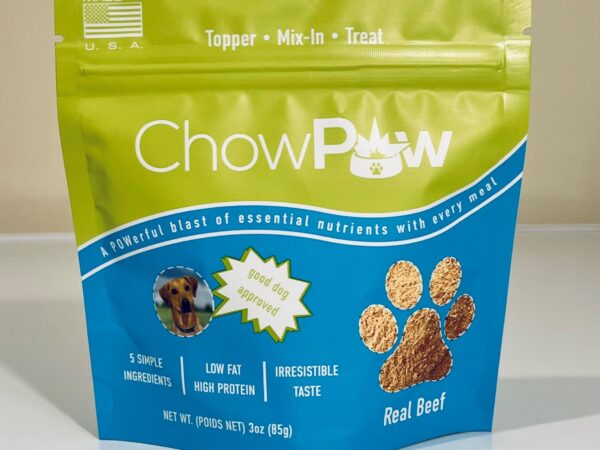
By adding a high-quality meal enhancement like ChowPow, you can fill in those nutritional gaps and make sure they get the vital nutrients they need, without any of the harmful junk. Remember, ChowPow is designed to supplement their current food, not replace it, making it an easy way to elevate their diet. This one simple step can make a huge difference in their long-term health and happiness.
The Truth About Artificial Preservatives and Dyes
When you scan a dog food label, you might spot some long, chemical-sounding names and figure they must be there for your dog’s benefit. But here’s the thing: many of these are artificial preservatives and dyes added for one reason only—to make the food last longer on the shelf or look more appealing to you, the human buying it.
Your dog truly doesn’t care if their kibble is a vibrant red or a dull brown. These additives, like BHA, BHT, ethoxyquin, and Red 40, offer absolutely zero nutritional value. Think of them like a slow, invisible leak in your dog’s health. A single meal won’t cause immediate harm, but the constant exposure, day after day, allows these chemicals to build up in their system. Over time, this accumulation can contribute to a host of serious health problems.
This handy visual breaks down the simple hierarchy of dog food quality, showing how these nasty additives fit into the bigger picture.

An infographic showing the pyramid of dog food quality, with premium ingredients at the top and harmful fillers and artificial additives at the bottom.
As you can see, the infographic clearly separates the good stuff from the bad, placing artificial additives right alongside mystery meats and empty fillers as things to steer clear of.
Why These Chemicals Are a Problem
Artificial preservatives should be a major red flag for any pet parent. Chemicals like Butylated Hydroxyanisole (BHA) and Butylated Hydroxytoluene (BHT) are used to stop fats from going rancid, but their safety is highly questionable.
In fact, multiple studies have linked BHA to tumor formation in lab animals, leading some health agencies to classify it as a carcinogen. BHT has also been shown to cause organ damage in animal studies. And then there's ethoxyquin, a powerful preservative that’s actually banned from human food in the U.S. due to its own carcinogenic potential—yet somehow, it can still pop up in dog food. You can find more details about these troubling ingredients by exploring the research on what to avoid in dog food.
The bottom line is this: these chemicals are not food. They are industrial additives that serve the manufacturer, not your dog. Their presence is a dead giveaway of a highly processed product that prioritizes shelf life over your pet's well-being.
Spotting Additives on the Label
The best way to protect your dog is to become a vigilant label reader. These chemicals often hide in plain sight, but you need to know exactly what you’re looking for.
Here’s a quick list of the worst offenders:
- Butylated Hydroxyanisole (BHA)
- Butylated Hydroxytoluene (BHT)
- Ethoxyquin
- Propylene Glycol (PG)
- Artificial Colors (e.g., Blue 2, Red 40, Yellow 5 & 6)
Smart brands know there are better, safer ways to keep food fresh and appealing. Instead of nasty chemicals, they turn to natural alternatives that do the job without the scary side effects.
Common Artificial Additives and Their Natural Alternatives
| Ingredient to Avoid | Potential Health Risk | Safer Natural Alternative |
|---|---|---|
| BHA & BHT | Linked to cancer, organ damage, and endocrine disruption. | Mixed Tocopherols (Vitamin E) |
| Ethoxyquin | Potential carcinogen; banned in human food. | Rosemary or Spemint Extract |
| Propylene Glycol (PG) | A component of antifreeze; can cause organ damage. | Vegetable Glycerin (in moderation) |
| Artificial Colors | Linked to hyperactivity, allergic reactions, and cancer. | Beetroot, Turmeric, or Beta-carotene |
Looking for these natural ingredients is a great sign that a company cares about what goes into your dog's bowl.
Choosing a food free from these additives is a fantastic first step. You can also easily upgrade your dog's current kibble by adding a topper like ChowPow, which is made from whole-food ingredients and is completely free of artificial preservatives, fillers, and dyes. It’s a simple way to boost nutrition while dodging harmful chemicals.
Why Fillers Like Corn, Soy, and Wheat Can Be a Problem
While they aren’t outright toxic like some of the nasty chemical preservatives we talked about, common fillers like corn, soy, and wheat are often a major red flag on a dog food label. Think of these ingredients as the cheap bread and pasta of the dog food world. Sure, they fill a stomach, but a meal built around them is seriously lacking in the high-quality protein and vital nutrients your dog needs to actually thrive.

A happy golden retriever looks up from its food bowl, ready for a nutritious meal.
So why are they so common? It's simple: they're a cheap way for manufacturers to save a buck. Corn, for instance, is everywhere and costs very little, making it an easy way to bulk up a bag of kibble. The problem is, it offers very little nutritional bang for the buck and is notoriously tough for many dogs to digest.
This can lead to some really frustrating health issues that leave you, the pet parent, completely stumped. If your dog is dealing with stubborn skin problems or a chronically upset stomach, these filler ingredients could absolutely be the culprit.
The Connection to Allergies and Sensitivities
For a surprising number of dogs, these common grains are much more than just empty calories—they’re major allergens. A food sensitivity to corn, wheat, or soy can show up in a lot of uncomfortable ways that really drag down your dog’s quality of life.
You might be dealing with a food allergy or sensitivity if you see signs like:
- Chronic Itchy Skin: Is your dog constantly scratching, biting, or licking? Pay close attention to their paws, belly, and ears.
- Recurrent Ear Infections: That funky, yeasty smell in their ears, along with redness and gunk, is often tied directly to their diet.
- Digestive Upset: This can be anything from embarrassing gas and bloating to chronic diarrhea.
- Dull, Brittle Coat: When a dog can't properly digest their food, their fur is one of the first places you'll see the signs of poor nutrition.
Shifting your focus from just avoiding bad ingredients to actively seeking out nutritionally dense, high-quality ones is key. The goal isn't just to fill your dog's bowl but to fuel their body with ingredients that support their long-term health. The grain-free debate can be complex, and you can learn more about it by debunking the myths and facts about canine diets in our detailed guide.
Even a kibble that's free of the worst chemical offenders might still lean heavily on these fillers, leaving big nutritional gaps in your dog's diet. This is where a simple boost can make a world of difference.
By enhancing your dog's current meal with a nutrient-dense topper like ChowPow, you add high-quality, easily digestible protein and vitamins without any of the problematic fillers. It's a super easy way to make sure their diet is working for them, not against them.
Hidden Sugars and Dangerous Sweeteners
It’s a sneaky trick of the trade. You might expect to find sugar in a dog treat, but did you know it’s often hiding in everyday kibble, too? Manufacturers add sweeteners to make less-than-appetizing food more appealing, especially when it’s packed with low-quality fillers.
But here’s the thing: these sugars bring absolutely nothing to the table nutritionally. They’re just empty calories that can kick off a whole host of health problems, from unhealthy weight gain and painful dental issues to metabolic diseases like diabetes. It’s time to become a detective and learn how to spot these hidden troublemakers on the label.
The Extreme Danger of Xylitol
If there’s one sweetener you need to know about, it’s xylitol. For humans, this sugar substitute is perfectly fine. For dogs, it’s an absolute emergency, even in the smallest amounts.
You’d be surprised where xylitol lurks. It's in many human products you might be tempted to share, like certain peanut butters, sugar-free gum, baked goods, and even some medicines. If a dog ingests it, it can cause a sudden, life-threatening crash in their blood sugar, leading to seizures, liver failure, and even death.
Always, always check the label of any product before sharing it with your dog—especially peanut butter. If you see xylitol or "sugar alcohol" listed, it is not safe for your dog. Period.
Other Harmful Sugars to Watch For
While xylitol is the most immediate threat, other sweeteners are quietly undermining your dog’s health day after day. Ingredients like corn syrup are cheap ways to make bland food taste better, but they send your dog's blood sugar on a wild rollercoaster ride.
These constant blood sugar spikes are a major problem. As highlighted in an article about pet stomach upset on kohapet.com, sweeteners like corn syrup are a big contributor to the rising risk of canine diabetes.
Keep an eye out for these other names on the ingredient list:
- Sucrose
- Fructose
- Dextrose
- Cane Molasses
Choosing foods and treats without these pointless sugars is one of the easiest ways you can protect your dog from long-term health problems. If you want to boost your dog's meal with some extra flavor and nutrition, try a whole-food topper like ChowPow. It’s made from simple, savory ingredients like beef heart and carrots, giving them a taste they’ll love without any of the dangerous sweeteners.
Understanding Generic Meats and Animal By-Products
When you scan a dog food label, terms like "meat meal" or "animal by-products" can be pretty confusing. It’s only natural to wonder what they really mean. The truth is, the protein source listed on the bag is one of the most important clues to the overall quality of the food inside.
Think of it this way: when you’re at the butcher counter, you can choose between a prime cut of steak or a generic, mystery-meat hot dog. One is a high-quality, identifiable protein source, while the other is a mix of unknown parts from unknown places. That same massive difference in quality exists in the world of dog food.

A close-up view of different types of dog kibble, showing the variety of shapes and colors that can contain hidden low-quality ingredients.
Vague, unspecified terms are a major red flag. They allow manufacturers to hide low-quality ingredients that come from inconsistent and often questionable sources.
The Problem with Vague Protein Sources
Now, not all protein "meals" or "by-products" are created equal. The key is transparency. A named source, like "chicken by-product meal," can actually be a decent source of nutrients, containing organ meats and other nutritious parts. The problem starts when the label just says "meat meal" or "animal by-products." At that point, you have no idea what you’re really feeding your dog.
These generic terms could include rendered ingredients from what are sometimes called "4D meats"—animals that were diseased, dying, disabled, or dead on arrival at the processing plant. While the rendering process sterilizes the material, the nutritional quality is extremely low. It’s the bottom of the barrel.
The lack of a specific named animal is a clear signal of low-quality sourcing. A trustworthy brand will always be proud to state exactly what protein is in their food, because they use high-quality, identifiable ingredients.
Your goal as a pet parent is to find foods built on a foundation of safe, high-quality protein.
What to Look for on the Label
To make sure your dog is getting the protein they deserve, you need to become a bit of a label detective. The fastest way to gauge a food's quality is to look for specific, named protein sources listed as one of the very first ingredients. Simple as that.
Here’s what you want to see:
- Whole Meats: Look for terms like "deboned chicken," "beef," or "salmon."
- Named Meat Meals: Phrases like "lamb meal" or "turkey meal" are also good signs.
These are the ingredients that provide the essential amino acids supporting everything from muscle development to a healthy immune system. To learn more about protein, you can check out our guide on the best protein sources for dogs, which breaks down exactly what to look for.
By avoiding generic meats, you take a massive step toward providing better nutrition. If your dog’s current kibble is lacking in high-quality protein, a simple way to upgrade their bowl is with a topper like ChowPow. It’s made from 100% beef heart, adding a boost of named, high-quality protein to every single meal.
How to Enhance Your Dog's Current Kibble
After diving into all the questionable stuff hiding in dog food, you might be feeling a little overwhelmed. Trust me, I get it. The idea of completely overhauling your dog's diet sounds like a ton of work—not to mention expensive.
But here's the good news: you don't need to throw out the whole bag of kibble to make a huge difference. You can supercharge what’s already in their bowl. Think of it like adding a fresh, vibrant salad to your own dinner. It instantly elevates the meal and fills in any nutritional holes. The same exact idea applies to your dog's food.
The Easiest Upgrade for Any Kibble
This is where a high-quality meal topper like ChowPow comes in. It's really important to know that ChowPow is a meal enhancement, not a replacement for your dog's food. Instead, think of it as a nutritional booster rocket, designed to make every single bite of their regular kibble work harder for them.
ChowPow basically bridges the gap between what most commercial foods offer and what your dog truly needs to be at their best. It delivers a serious punch of top-notch protein and essential nutrients without any of the junk we just talked about.
Just sprinkle a scoop over their food, and you're adding pure, honest-to-goodness nutrition. There are absolutely no fillers, artificial dyes, chemical preservatives, or mystery meats—just simple, whole-food ingredients.
Filling the Nutritional Gaps
Here's a little secret: even a pretty decent kibble can be made better. The extreme heat used to manufacture dry dog food often zaps some of the natural vitamins and enzymes that were in the ingredients to begin with. A good meal topper helps bring some of that goodness back.
Adding a supplement like ChowPow ensures your dog gets more from every single meal:
- High-Quality Protein: Made from 100% beef heart, it gives them a clean protein source you can actually identify.
- Essential Nutrients: It’s loaded with the vitamins and minerals that fuel everything from a shiny coat to strong, healthy muscles.
- Irresistible Flavor: Let's be honest, dogs love it. Its savory taste gets even the fussiest eaters excited for dinner time.
This one simple step is a smart, easy way to guarantee your dog is getting the best out of every bowl. This is especially true for growing pups who need all the nutritional support they can get. You can learn more in our guide on the best dog food toppers for puppies. It's a fantastic way to elevate their diet without the stress of a complete food switch.
Got Questions About Your Dog's Food? We Have Answers.
Let's be honest, walking down the dog food aisle can feel overwhelming. Even when you know what to look out for, new questions always seem to pop up. We get it. This section is here to tackle some of the most common concerns we hear from dog owners, giving you clear, straightforward answers so you can feel good about what’s in your dog’s bowl.
One of the biggest worries is whether pet food is even safe. While there are standards, contamination is a frighteningly real risk. Nasty things like pathogenic bacteria and toxins can sneak into dog food, sometimes with devastating consequences. In fact, between 2020 and 2021, aflatoxin contamination in pet food was linked to the deaths of over 110 dogs in the U.S. alone. You can get the full, sobering details in the Consumer Reports investigation on dog food contaminants.
This is exactly why it’s so critical to stick with brands that are obsessive about where they get their ingredients and how they test their final product. Your dog’s life could literally depend on it.
Is "Grain-Free" Really the Gold Standard?
Not always. The whole "grain-free" movement took off as a reaction against cheap, low-quality fillers like corn and wheat that offer little nutritional value. The problem was never the grains themselves, but the quality and quantity being used.
Plenty of dogs do fantastic on diets that include healthy, whole grains like oatmeal or brown rice. The real goal is a diet packed with high-quality, named animal protein that steers clear of the junky fillers and artificial additives we’ve talked about. A nutrient-dense meal is what matters, whether grains are part of the recipe or not.
At the end of the day, your dog's individual needs are what count. If you're seeing tummy troubles or itchy skin, their diet is the first place to check—but don't automatically blame the grains.
How Can I Give My Dog Better Food Without Breaking the Bank?
Boosting your dog’s nutrition doesn't have to mean splurging on the most expensive designer dog food. The easiest and most effective trick in the book? Supercharge their current kibble.
This is where a great meal enhancement becomes your secret weapon. You’re not replacing their food entirely, just adding a powerful nutritional boost right on top. It’s a smart, affordable way to fill in the nutritional gaps and make sure they’re getting everything they need without a massive, wallet-draining diet overhaul.
Upgrading your dog's bowl is simpler than you might think. ChowPow is an incredibly easy way to add that missing high-quality protein and key nutrients to any kibble. Give your dog the nutritional leg-up they deserve by checking us out at https://chowpownow.com.
-
Product on sale
 Dog Food Topper - Beef HeartOriginal price was: $14.99.$10.95Current price is: $10.95. - or subscribe and save up to 20%