What to Feed Dogs With No Appetite An Owner’s Guide
When you're trying to figure out what to feed a dog with no appetite, the conversation often jumps straight to tempting foods like plain boiled chicken or bone broth. But before you raid the fridge, the most important first step is understanding why your dog stopped eating. That's the real key to finding the right long-term solution.
Understanding Why Your Dog Stopped Eating
It’s a moment every dog owner dreads. You pour the kibble, and instead of the usual happy dance, you get… nothing. Just a turned-up nose and a complete lack of interest. When your normally food-obsessed companion suddenly goes off their meals, it's natural to feel that knot of worry in your stomach. A sudden refusal to eat is one of the clearest ways a dog can tell us something isn't right.
This change, known as anorexia in veterinary terms, can pop up for all sorts of reasons. Sometimes the cause is simple and behavioral, but other times it's a sign of a more serious medical issue that needs a professional eye.
Common Reasons for Appetite Loss
A dog's reluctance to eat can be triggered by a whole host of factors. Think of yourself as a detective, piecing together the clues to figure out what’s going on with your furry friend.
Here are some of the most frequent culprits:
- Dental Discomfort: A broken tooth, sore gums, or other mouth problems can make chewing downright painful. It’s more common than you’d think—a staggering 80% of dogs show signs of periodontal disease by age three.
- Stress and Anxiety: Just like us, dogs can lose their appetite when they're stressed. A change in their routine, a new home, a family member leaving, or even a scary thunderstorm can be enough to put them off their food.
- Food Boredom: Let’s be honest, would you want to eat the same dry crackers for every single meal? Some dogs simply get tired of their day-in, day-out kibble and start craving a little variety.
- Underlying Illness: A loss of appetite is a classic symptom for many health problems, from a simple upset stomach to more serious conditions like kidney disease or pancreatitis.
Your dog's refusal to eat is a powerful form of communication. It's their body’s way of signaling that it needs to conserve energy, whether to fight off an infection, manage pain, or cope with stress.
The First Steps to Take
Before you overhaul their entire diet, just take a moment to observe. Are they also acting tired, drinking less water, or showing any signs of pain? Any other symptoms you notice are crucial clues. If you want to dig deeper into the potential triggers, our detailed article explores what causes loss of appetite in dogs.
Sometimes, the fix isn't about a dramatic diet change at all. Instead of tossing their current food, you can often just make it more appealing. This is where a simple meal enhancement can be a game-changer. It's not about replacing their kibble, but boosting its nutritional value and taste to turn their familiar food into something exciting without upsetting their digestive system.
Decoding Why Your Dog Isn't Eating
Before you can figure out what to feed a dog who's turned up their nose at dinner, you have to play detective and uncover the "why." A dog skipping a meal isn't just being random—it's their way of telling you something is up. We can usually break the reasons down into three buckets: medical, behavioral, and environmental.
Think of it like a car that won't start. You wouldn't just keep turning the key, right? You'd check the battery, the gas tank, and the ignition first. The same idea applies here.
Medical Issues: The Silent Meal-Stoppers
When a dog suddenly stops eating, your first thought should always be their health. Pain and discomfort are huge appetite killers. Your dog can't come over and tell you they have a sore tooth or a queasy stomach, so refusing food is one of the main ways they signal something is wrong.
It's a deeply wired instinct. When a dog's body is busy fighting off an infection or healing from an injury, it goes into energy-saving mode. That means shutting down things that aren't immediately essential, like digestion, to focus all its resources on getting better.
Some of the most common medical culprits include:
- Dental Problems: A cracked tooth, sore gums, or a hidden abscess can make chewing agony. This is a big one, especially for smaller breeds and older dogs.
- Gastrointestinal (GI) Upet: If they're feeling nauseous, vomiting, or have diarrhea, the last thing they'll want to do is eat. This could be from a simple case of "dietary indiscretion" (eating something they shouldn't have!) or a more serious issue like pancreatitis.
- Underlying Illness: Unfortunately, appetite loss can be an early sign of more serious conditions like kidney disease, liver problems, or cancer. As toxins build up from organ issues, it can cause a constant feeling of nausea.
- Recent Vaccinations or Medications: It's pretty normal for a dog to feel a bit sluggish and skip a meal or two for 24-48 hours after getting their shots. Some medications, like antibiotics, can also cause a temporary tummy ache.
If you have even a tiny suspicion that a medical issue is at play, a vet visit is the only answer. Ruling out a health problem is the most responsible first step and will give you peace of mind.
Behavioral Triggers: When It's All in Their Head
Once you've gotten the all-clear from your vet, it's time to look at the behavioral side of things. Dogs are creatures of habit and emotion, and their mental state has a huge effect on their appetite.
Imagine if you had to eat the same dry cereal for every single meal, day in and day out. You'd get pretty bored, wouldn't you? That's food boredom, and it's a real thing for dogs. They can get tired of the same old taste and texture and decide to hold out for something more exciting.
Then there's learned pickiness. If your dog learns that turning their nose up at their kibble gets them a delicious piece of chicken from your plate, they'll catch on fast. You've accidentally taught them that being fussy pays off with better food!
Environmental Stress: How Their Surroundings Affect Appetite
Never underestimate how much your dog's environment can impact them. Dogs are incredibly sensitive to changes in their world, and stress is a major appetite suppressant.
When a dog gets stressed, their body kicks into "fight-or-flight" mode. This floods their system with hormones that put survival first and digestion on the back burner, effectively switching off their hunger cues.
Take a minute to think about any recent changes around the house. Have you:
- Moved to a new home?
- Brought home a new baby or another pet?
- Had a family member leave for college?
- Changed your work schedule, leaving them alone more?
- Dealt with a stressful event like a big thunderstorm or loud construction next door?
Even something as simple as moving their food bowl can be enough to throw a sensitive dog off their game. By looking at these medical, behavioral, and environmental puzzle pieces, you can get a much clearer picture of what's really going on and find the right way to help your pup get back to their bowl.
Safe and Tempting Foods for a Reluctant Eater
When your dog suddenly turns their nose up at their food bowl, your first job is to find something gentle, safe, and tempting enough to get them interested again. Forget complicated fixes for a moment; the answer is often found in simple, wholesome foods. The trick is to pick options with a strong, appealing smell that are also easy on a sensitive system.
Think of it as hitting the reset button for their digestive tract and taste buds. Foods that are warm and moist are especially powerful here. Why? The heat releases aromas that tap directly into your dog's incredible sense of smell, often triggering that "hey, I'm hungry!" response when nothing else will.
Simple, Appetizing Food Choices
Sometimes, the simplest options are the best. These foods are usually well-tolerated and a breeze to prepare, offering comfort and gentle nutrition right when your dog needs it most.
- Plain Boiled Chicken: There's a reason this is a classic. Unseasoned, boiled chicken is a high-value protein that smells amazing to dogs and is incredibly easy to digest.
- Bone Broth: Just a splash of warm, low-sodium bone broth can rehydrate your dog and make their boring old kibble suddenly fascinating. That rich scent is tough for most dogs to pass up.
- Canned Pumpkin: A spoonful of 100% pure canned pumpkin (not the sugary pie filling!) adds fiber to help soothe an upset tummy. It also brings a little moisture and sweetness to their meal.
If your dog is consistently hesitant to eat, especially if they seem to have a delicate gut, it’s worth looking into specialized advice on what to feed a dog with a sensitive stomach. It’s also critical to know which "people foods" are safe. For a complete rundown, check out our guide on the dos and don'ts of human foods for your dog.
The Power of a High-Quality Meal Enhancement
While home-cooked additions are fantastic, they aren't always convenient or nutritionally balanced for the long term. This is where a high-quality meal enhancement like ChowPow can make a world of difference without any of the guesswork.
A meal enhancement is not a replacement for your dog's regular food; it's a nutritional booster. It's designed to make their familiar kibble more exciting and nutrient-dense, encouraging them to eat while adding valuable vitamins and minerals.
Instead of cooking from scratch, you can just sprinkle a nutrient-packed supplement like ChowPow over their regular food. Made from dehydrated beef heart, it turns a boring bowl of kibble into something truly special. Dogs go crazy for the taste of beef heart, and it happens to be loaded with taurine and other essential amino acids that support heart health and overall vitality. It's a simple way to boost the nutritional value of their current diet and make every bite count.
This infographic gives a great visual breakdown of the common culprits behind a dog’s lost appetite.
Seeing the causes laid out like this really highlights that a lack of appetite can be complex, stemming from anything from their physical health to their emotional state.
Appetite-Boosting Food Options for Your Dog
Knowing which food to try depends on your dog's specific situation. Some are great for short-term coaxing, while others offer more complete nutritional benefits. Here’s a quick comparison to help you choose the best route for your picky pup.
| Food Option | Key Benefit | Best For | Preparation Note |
|---|---|---|---|
| Plain Boiled Chicken | High-value protein, easy to digest | Encouraging a very reluctant dog, short-term use | No seasoning or bones |
| Bone Broth | Hydrating and aromatic | Adding moisture and flavor to kibble | Must be low-sodium and onion/garlic-free |
| Canned Pumpkin | Gentle on the stomach, high in fiber | Dogs with mild digestive upset | Use 100% pure pumpkin, not pie filling |
| ChowPow Meal Enhancement | Nutrient-dense, highly palatable | Picky eaters, seniors, long-term meal enhancement | Sprinkle directly onto kibble or mix with water |
At the end of the day, the mission is to make mealtime a positive experience again. Whether you start with a simple home-cooked enticement or elevate their everyday kibble with a premium meal enhancement, the right choice will be the one that tempts their senses while supporting their health.
How to Encourage Your Dog to Eat
Figuring out what to feed a dog who's lost their appetite is only half the battle. Sometimes, the real secret isn't a new menu, but a new approach to mealtime. A few simple adjustments to your routine can make all the difference, turning a stressful standoff at the food bowl into a moment you both enjoy.
These strategies tap into your dog’s instincts and help rebuild their excitement for food. It’s all about making their meal more enticing to their powerful senses and creating a calm, encouraging space for them to eat.
Simple Techniques to Stimulate Appetite
Before you overhaul their entire diet, give these easy and effective methods a try. They take almost no effort but can deliver surprisingly big results by making their current food far more tempting.
- Gently Warm Their Food: A dog’s sense of smell is incredibly powerful—it’s how they decide if something is worth eating. Gently warming their food (especially wet food or kibble with a splash of warm water) unleashes its aroma, making it much more appealing. It’s the doggy equivalent of us smelling freshly baked bread.
- Try Hand-Feeding: For a dog who's feeling a bit off or anxious, being fed by hand can be incredibly comforting. This small act strengthens your bond and helps rebuild a positive association with eating, turning mealtime into a moment of connection instead of a chore.
- Offer Smaller, Frequent Meals: A big bowl of food can feel overwhelming to a dog with a low appetite. Instead of two large meals, try offering four or five small portions throughout the day. It’s less intimidating and keeps their digestive system gently working without overloading it.
These simple tricks are often enough to get a mildly reluctant eater back on track. For a more stubborn case, you may need a little extra help. For more ideas, check out our guide to the best dog food toppers for picky eaters.
The Game-Changing Versatility of a Powdered Meal Enhancement
While warming food and hand-feeding are fantastic strategies, a high-quality meal enhancement is a convenient and potent way to boost their interest without a full diet change. It’s designed to enhance their meal, not just replace it.
A powdered meal enhancement like ChowPow can be your secret weapon for a picky pup. Because it’s made from dehydrated beef heart, it packs an irresistible scent and flavor that few dogs can turn down, all while adding a nutritional punch to their regular food.
A meal enhancement works by making your dog’s familiar food new and exciting. It's not about hiding their kibble, but elevating it into a meal they genuinely look forward to eating.
Here’s how a versatile powder can work its magic:
- As a Dry Sprinkle: The simplest method is to just sprinkle the powder right over their kibble. This adds an instant burst of flavor and a nutrient-dense coating that encourages them to lick the bowl clean.
- As a Savory Gravy: Mix the powder with a little warm water to create a delicious, savory gravy to pour over their food. Not only does this make the meal more tempting, but it also adds crucial hydration—a big plus for dogs who aren't drinking enough.
- To Disguise Medication: Hiding pills can be a daily struggle, but a flavorful gravy makes it so much easier. The strong, meaty taste of beef heart is fantastic at masking the scent and taste of medication, making pill time a stress-free experience.
By using these feeding strategies, you can turn mealtime back into the happy occasion it's meant to be. Whether it's a simple change in routine or the addition of an irresistible meal enhancement, the goal is to show your dog that their food bowl is a source of comfort and joy.
Tailored Tips for Seniors, Picky Eaters, and Recovering Pups
When your dog's appetite disappears, it's rarely a one-size-fits-all problem. This is especially true when you're dealing with the unique challenges of senior dogs, notoriously picky eaters, or those on the mend from surgery.
Think of it like feeding a person—a toddler's meal plan looks very different from a teenager's. These dogs need a more personalized approach to get them interested in their food again. Cracking their specific code is the key to tempting them back to the bowl. For these pups, it's not just about getting them to eat something; it’s about making sure every single bite is packed with nutrition.
Catering to Senior Dogs
As our dogs enter their golden years, their bodies change. Their once-powerful sense of smell and taste can start to fade, making their favorite kibble seem boring and bland. Dental issues are another massive hurdle. A staggering 80% of dogs over three suffer from periodontal issues, and for seniors, this can turn mealtime into a painful ordeal that leads to chronic weight loss. You can get more insights on canine dental health at Volhard Dog Nutrition.
To help your aging friend, try these simple but effective strategies:
- Soften Their Food: Dry kibble can be like chewing on rocks for a dog with sensitive gums. Just adding a splash of warm water or low-sodium bone broth not only softens the food but also releases amazing aromas that can kickstart their dulled sense of smell.
- Boost Nutrient Density: Older dogs desperately need high-quality, easily digestible protein to keep their muscle mass from wasting away. Adding a nutrient-dense supplement gives them the essential amino acids they need without forcing them to eat a huge meal.
This is exactly where a good meal enhancement becomes your best friend. A gentle, powdered supplement like ChowPow mixes right into their food, so there's no extra chewing required. It just delivers the powerful nutrition of beef heart to support their aging bodies.
Winning Over the Picky Eater
Ah, the chronically picky eater. We’ve all been there. They'll devour a food one day and turn their nose up at it the next, leaving you playing a constant guessing game. This "food fatigue" is incredibly common, but you can outsmart it by making their meals consistently exciting.
For a picky dog, it’s all about high-value flavor and aroma. They’re basically holding out for something better than their everyday kibble. The trick isn't to constantly switch their main food—that can wreak havoc on their digestive system—but to enhance it.
A meal enhancement acts like a high-value reward that’s mixed right into their meal. It satisfies their craving for something special while making sure they still get the balanced nutrition from their regular kibble.
By simply sprinkling a potent, single-ingredient supplement over their food, you can transform a boring meal into something they can't wait to eat. This little trick fights off food boredom and reminds them that their bowl is where all the good stuff happens.
Supporting Post-Surgery Recovery
When a dog is recovering from surgery or an illness, they have a critical need for calories and nutrients to fuel the healing process. The problem? Anesthesia and medication often wipe out their appetite right when they need that nutrition the most. It's perfectly normal for a pet’s appetite to be sluggish for 24-72 hours after a procedure.
During this fragile time, their body is working overtime to repair itself. Your focus should be on highly digestible, calorie-dense foods that don't put any extra strain on their system. Small, frequent meals are usually much better tolerated than one or two big ones.
A nutrient-rich, tasty meal enhancement is ideal here. It provides concentrated nutrition and essential amino acids without adding extra bulk, making it much easier for a recovering dog to get the building blocks they need for a quick and successful recovery.
When to Call the Veterinarian
While it's great to have at-home strategies and tasty meal enhancers in your toolkit, they’re meant for minor appetite slumps, not as a substitute for professional medical advice. Honestly, knowing when to pick up the phone and call your vet is the most important part of caring for a dog who's suddenly turned their nose up at food.
Real peace of mind only comes from ruling out a serious health problem. While a meal enhancement like ChowPow can work wonders for a picky eater, it can't treat an underlying illness. Think of your veterinarian as your partner in keeping your dog happy and healthy for the long haul.
Critical Red Flags to Watch For
If your dog’s lack of appetite shows up alongside any of the following symptoms, it's time to call the vet right away. Don't fall into the "wait and see" trap.
- Refusing Food for 24+ Hours: It's one thing for a healthy adult dog to skip a single meal. But if they refuse all food for a full day, that's a significant warning sign that something is wrong.
- Lethargy and Weakness: Is your usually playful pup too tired to get up, play fetch, or even greet you at the door? This points to a much more serious issue than simple pickiness.
- Repeated Vomiting or Diarrhea: A single upset stomach might not be a crisis, but if the vomiting or diarrhea is persistent, it can quickly lead to dangerous dehydration and signals a bigger problem.
- Visible Signs of Pain: Listen to what your dog is telling you. Whining, yelping when you touch them, a hunched-over posture, or an unwillingness to move are all clear signs of pain that need a proper diagnosis.
Underlying Illness and Appetite
Sometimes, a sudden loss of appetite is one of the very first—and only—signs of a serious underlying condition. Take cancer, for example. In the United States alone, about 4.2 million dogs are diagnosed with cancer each year, and a common side effect is a dangerous drop in appetite and weight.
One clinical trial showed that when dogs with cancer were offered a highly palatable, calorie-dense food, their enthusiasm for eating shot up significantly by just the third day. It's a powerful reminder of how critical the right nutrition is during treatment. You can read the full research on canine nutrition and cancer support for more details.
Your vet is the only one who can properly diagnose the root cause of your dog's inappetence. Timely intervention can make all the difference in their health outcome.
A Few Common Questions About a Dog's Lost Appetite
When your dog suddenly stops eating, it's natural to have a million questions running through your head. Let's tackle some of the most common concerns owners have when they're trying to figure out what to feed a dog who's turned up their nose at mealtime.
How Long Is Too Long for a Dog to Go Without Eating?
This is a big one. A healthy adult dog can technically go for three to five days without food, but you absolutely should not wait that long.
If your dog has skipped every meal for a full 24-48 hours, it’s time to call the vet. For puppies, seniors, or small breed dogs with fewer energy reserves, the timeline is much shorter and the situation is more urgent.
Can I Mix Human Food With My Dog's Kibble?
You can, but you have to be smart about it. Sometimes, simple things like plain, unseasoned boiled chicken, a little white rice, or a spoonful of pure canned pumpkin can work wonders for a reluctant eater. Just be extremely careful to avoid toxic foods like onions, garlic, grapes, and the artificial sweetener xylitol.
A well-formulated meal enhancement is often a much safer and easier bet. It adds that irresistible flavor they crave without you having to worry about accidentally unbalancing their diet or giving them something harmful.
How Do I Get a Picky Dog to Eat Their Kibble?
With a picky eater, the game is all about making their regular food more interesting. A splash of warm, low-sodium bone broth or even just warm water can release the food's aroma and make it more appealing.
But the most reliable trick in the book is a high-value meal enhancement. Sprinkling a little bit of a nutrient-dense, single-protein supplement like ChowPow over their usual kibble can completely change their mind about dinner. It not only boosts the nutritional value but turns a boring meal into an event they actually get excited about.
At ChowPow, we know that making your dog's meal better shouldn't be a chore. Our dehydrated beef heart meal enhancement is a simple, wholesome way to boost any kibble, making it more delicious and nutritious. This helps even the fussiest eaters fall back in love with their food without replacing the balanced diet they already get. Give your dog the boost they deserve by visiting ChowPow.
-
Product on sale
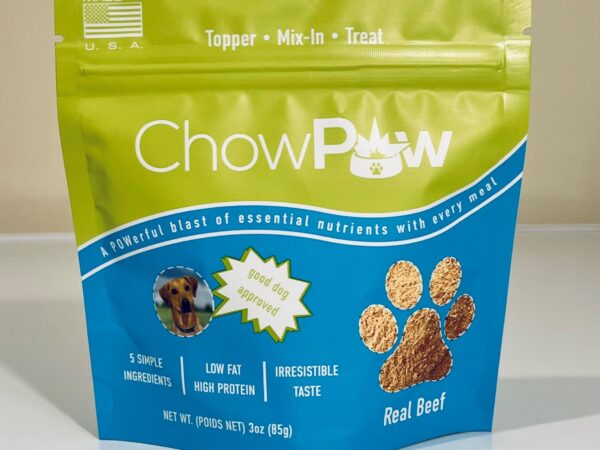 Dog Food Topper - Beef HeartOriginal price was: $14.99.$10.95Current price is: $10.95. - or subscribe and save up to 20%