
Acorns Poisonous to Dogs? A Complete Owner’s Guide
You’re out on a fall walk. Your dog is nose-down in the leaves, happily sniffing everything that smells interesting, and before you can react, there’s a crunch. Maybe it was a stick. Maybe it was an acorn.
That small moment is exactly why so many owners search whether acorns poisonous to dogs is a real concern or just a seasonal scare. The concern is real. Acorns can upset a dog’s stomach, create a choking or blockage risk, and in more serious cases lead to liver and kidney injury.
The good news is that fast action helps. A lot. If you’re worried your dog ate an acorn, you don’t need to panic, but you do need to take it seriously.
An Autumn Walk or a Hidden Health Hazard?
Autumn brings a lot of harmless-looking things into your dog’s world. Dry leaves, twigs, seed pods, mushrooms, and acorns all end up under curious paws. Dogs don’t separate “interesting” from “safe” the way we do. They sniff, mouth, chew, and sometimes swallow before you even know what they found.
Acorns are one of those hazards owners often underestimate because they’re natural. They don’t look like poison. They look like part of the scenery. But natural doesn’t always mean safe for dogs.
A single acorn can be enough to irritate the digestive tract or create a choking problem, especially in smaller dogs. Larger amounts raise the risk more. If your dog already likes to graze outdoors, it helps to know that acorns aren’t the only thing that can cause trouble. This guide on why dogs eat grass gives helpful context on scavenging behavior and why dogs often sample things they shouldn’t.
Why owners get confused
Part of the confusion comes from mixed experiences. One dog may grab something off the ground and seem fine. Another dog may have vomiting, diarrhea, or abdominal pain later that same day. That difference doesn’t make acorns harmless. It means dogs vary in size, sensitivity, and how much they ate.
Practical rule: If you saw your dog eat acorns, treat it as a medical concern, not a wait-and-see curiosity.
Most owners don’t need a chemistry lesson. They need plain guidance. What makes acorns dangerous, what signs matter, what to do right away, and how to support a dog after the immediate crisis passes. That’s where a lot of pet advice falls short.
The Hidden Toxin Inside Every Acorn
Acorns are risky because they contain tannins. A simple way to think about tannins is this: they’re part of the plant’s natural defense system. They’re bitter, irritating, and hard on a dog’s body.
When a dog eats acorns, those tannins don’t just sit in the stomach. They break down into compounds including gallic acid and pyrogallol, which can damage the gastrointestinal tract and, in more severe cases, injure the liver and kidneys, as described by Vets Now’s acorn poisoning guidance.

What happens after a dog swallows one
The first problem is often local irritation. The stomach and intestines get inflamed, which can lead to drooling, retching, vomiting, diarrhea, and belly pain. That’s why many dogs show digestive signs first.
The second problem is dose-related toxicity. If a dog eats enough acorn material relative to body size, those toxic byproducts can affect internal organs. The liver and kidneys do a lot of cleanup work in the body, so they can take the hit when toxins circulate.
There’s also a mechanical danger. Acorns are hard, round, and awkwardly sized. Even before toxicity becomes the main concern, they can cause choking or become stuck in the digestive tract.
Why moldy acorns are worse
Fresh fallen acorns are bad enough. Moldy acorns add another layer of risk because they may contain mycotoxins. Those toxins can bring neurological signs such as tremors or seizures, which makes scavenging under oak trees even more concerning after wet weather.
Here’s the easy takeaway. Acorns aren’t just “hard to digest.” They can act like both an irritant and a toxin.
The danger comes from two directions at once. Chemical injury from tannins, and physical trouble from the acorn itself.
Why some dogs seem fine at first
Owners often expect poisoning to look dramatic right away. Sometimes it does. Sometimes it doesn’t. A dog may seem normal for a while and then start vomiting later. Another dog may show only mild stomach upset at first, while more serious internal injury develops over time.
That delay is one reason acorns catch people off guard. If your dog snapped up one quickly on a walk, don’t assume no immediate symptoms means no risk.
Symptoms of Acorn Poisoning to Watch For
A dog can gulp down an acorn on a walk, seem completely normal when you get home, then start showing stomach trouble later the same day. That delayed start is one reason owners miss the early warning signs.
The first changes are usually digestive and sometimes subtle. Your dog may drool, lip-smack, swallow hard, retch, act unusually quiet, or lose interest in food. Some dogs vomit quickly. Others develop loose stool first. If your dog already has digestive issues or you are trying to judge whether stool changes are becoming more serious, this guide on diarrhea in dogs can help you tell the difference between mild upset and a problem that needs prompt care.
Belly pain is another sign owners often mistake for “just acting weird.” Dogs with abdominal discomfort may hunch, pace, keep changing position, stretch repeatedly, guard their belly, or look uncomfortable when picked up. It helps to think of stomach irritation like a scraped knee on the inside. Your dog cannot point to it, so the clue is the change in posture and behavior.
More serious cases can progress from irritation to dehydration, weakness, or signs that the gut is not moving normally. A hard acorn or shell fragment can also create a physical blockage, so repeated vomiting with little coming up, straining, or obvious distress should never be brushed off. Moldy acorns raise concern even further because neurologic signs such as tremors or seizures can enter the picture.
Acorn Poisoning Symptom Checker
| Symptom | Severity Level | Typical Onset |
|---|---|---|
| Drooling or retching | Mild to moderate | Within hours |
| Loss of appetite | Mild to moderate | Within hours |
| Vomiting | Moderate | Within hours |
| Diarrhea | Moderate | Within hours |
| Abdominal pain or tenderness | Moderate to severe | Within hours |
| Lethargy | Moderate to severe | Within hours to later progression |
| Dehydration | Severe | After ongoing vomiting or diarrhea |
| Hemorrhagic diarrhea | Severe | As symptoms progress |
| Obstruction signs | Severe | Can appear after ingestion if acorn pieces lodge |
| Urticaria or edema | Variable | Reported in some cases |
Some dogs that eat acorns never show obvious symptoms, while others develop stomach and intestinal signs fairly quickly. That is why “he seems fine right now” is not a reliable all-clear.
When symptoms mean don’t wait
Call your veterinarian promptly if your dog has:
- Repeated vomiting
- Diarrhea that becomes severe or bloody
- Marked lethargy
- Belly pain
- Trouble swallowing or choking sounds
- No interest in food or water
- Any sign of tremors or seizures
If your dog has been vomiting or refusing food, keep the recovery phase in mind too. Picky eaters and seniors can lose ground faster after stomach upset, and they may need a bland, easy-to-tolerate reintroduction to food once your veterinarian says it is safe.
If you want another example of how quickly common foods can become dangerous for dogs, Denver Dog on canine grape toxicity is a good comparison resource. Different toxin, same lesson. Small amounts of the wrong thing can matter a lot.
Mild early signs still deserve attention, especially if your dog is small, older, sensitive, or slow to eat and drink after an upset stomach.
Understanding Your Dog's Risk from Acorns
Your dog noses through leaves for two seconds, crunches once, and suddenly you are stuck with the question every owner asks. Was that one acorn a minor mistake or a real problem?
The safest answer is to judge risk the way a vet team would. Look at the dog, the acorn, and what happened after it was eaten. Size matters, but it is only one piece of the picture. A Chihuahua and a Lab do not handle the same exposure the same way, just as one cup of coffee affects a child very differently than an adult. The danger changes with dose, chewing, and your dog’s overall health.

Why size changes the risk
As noted earlier, smaller dogs can get sick from fewer acorns. A tiny dog has less body mass to dilute the irritants and toxins, and even one acorn can also create a choking hazard or stomach irritation. Larger dogs may tolerate a small amount better, but they are not protected. A handful of acorns, repeated snacking under an oak tree, or swallowing whole pieces can still cause trouble.
Age matters too.
Senior dogs, very young puppies, and dogs with touchy stomachs often have less room for error. They can dehydrate faster after vomiting or diarrhea, and recovery may be slower once the stomach lining is irritated. That recovery piece gets overlooked, especially in picky eaters who are already hard to coax back to food.
Risk is not only about how many acorns were eaten
Two dogs can eat similar amounts and have very different outcomes. These details often explain why:
- Body size: Smaller dogs get a bigger dose for their weight.
- How the acorn was eaten: Chewed acorns release more irritating material. Whole acorns raise more concern for choking or blockage.
- Acorn condition: Green, fresh-fallen, or moldy acorns may be harder on the stomach.
- Current health: Dogs with digestive, kidney, or liver problems may handle acorn exposure poorly.
- Repeated scavenging: A dog that grabs acorns on every walk may build up more exposure than the owner realizes.
A practical way to judge the situation
If your dog is small and ate any amount, take it seriously.
If your dog is medium or large and swallowed several pieces, especially whole or cracked ones, take it seriously.
If you are not sure how much was eaten, use the clues you have. Shell fragments around the mouth, chewing under an oak tree, sudden lip licking, gulping, vomiting, or an unusually quiet attitude all raise concern. You do not need perfect information before you call your vet.
It also helps to be prepared before a fall walk goes sideways. A well-stocked dog emergency kit for poisoning and injury situations can save time when you need to act quickly.
One more point owners often miss. The goal is not only getting through the first few hours. If your dog has stomach upset afterward, seniors and picky eaters may need extra support getting back to normal meals and hydration once your veterinarian says it is safe.
Your Immediate Action Plan for Acorn Ingestion
If you think your dog ate acorns, start with calm, simple steps. Fast action helps more than frantic action.

What to do right now
Move your dog away from the acorns
Prevent more ingestion first. If there are pieces still in the mouth and it’s safe to do so, remove them gently.
Check for immediate distress
Look for choking, repeated gulping, panic, collapse, or trouble breathing. Those signs need urgent veterinary attention right away.
Call your veterinarian
Tell them your dog’s size, how many acorns you think were eaten, whether they were whole or chewed, and what symptoms you’re seeing.
Don’t induce vomiting unless your vet tells you to
This is especially important because hard objects can create more harm on the way back up.
Save a sample if you can
If you have an acorn fragment, shell, or a photo of the area where your dog was foraging, that may help your vet understand the exposure.
For general preparedness, it helps to keep poisoning and injury basics on hand. This checklist of items for your dog’s emergency kit is worth reviewing before you need it.
A real case that shows why speed matters
A peer-reviewed case report described the first documented successful treatment for severe acorn poisoning in a dog. In 2021, a 7-year-old neutered male Labrador retriever in the UK, weighing 23.4 kg, developed acute vomiting, diarrhea, lethargy, icterus, and hepato-renal injury after ingesting 10 to 15 cracked acorns. With intensive supportive care, the dog recovered fully, according to the published case report in PMC.
That case is reassuring for one reason. Even serious poisoning can be treatable.
It’s also a warning. Symptoms can begin within hours, while severe organ damage may become clearer over the next several days.
Here’s a short video that can help reinforce what owners should watch for during a poisoning concern:
When the answer is the ER
Skip the “let’s see how tonight goes” approach if your dog is:
- Very small and swallowed acorns whole
- Vomiting repeatedly
- Showing bloody diarrhea
- Weak, collapsing, or unusually sleepy
- Having tremors or seizures
- Painful in the abdomen
- Unable to keep water down
Early veterinary care gives your dog the best chance to avoid complications and recover fully.
Nutritional Support for a Safe Recovery
The emergency part gets most of the attention. The recovery part often gets very little.
That’s a problem, because after vomiting, diarrhea, dehydration, and stress on the digestive tract, many dogs don’t bounce back to normal eating right away. Some become reluctant to eat. Some feel nauseated. Some older dogs look interested in food, walk over to the bowl, and then turn away.
According to Blue Cross guidance on acorns and dogs, owner resources tend to focus on the poisoning event itself and often overlook post-illness recovery nutrition, especially for sensitive dogs, seniors, and picky eaters.

Why appetite support matters after stomach upset
A dog recovering from acorn ingestion may need help in three areas:
Getting calories back in
If a dog has skipped meals because of nausea or abdominal discomfort, even returning to normal food can feel hard.
Supporting hydration
Vomiting and diarrhea can leave dogs behind on fluids. Some dogs will drink poorly for a day or two after feeling sick.
Making food feel safe again
After a rough digestive episode, dogs can become suspicious of their bowl. This is common in seniors and in naturally picky eaters.
A gentle topper or meal enhancement can help bridge that gap. Not by replacing the dog’s usual food, but by making it more tempting, easier to accept, and easier to mix with extra moisture.
What to feed during the recovery window
Always follow your veterinarian’s instructions first. If your vet has prescribed a bland diet, gastrointestinal food, medications, or a specific feeding schedule, stick with that plan.
Once your vet says your dog can resume eating, these practical habits often help:
- Offer small portions: Large meals can overwhelm a tender stomach.
- Add moisture: A little warm water can soften kibble and make it easier to eat.
- Keep the food routine quiet: Sick dogs often eat better in a calm spot without competition.
- Watch for nausea signals: Lip licking, walking away, sniffing and refusing, or repeated swallowing can mean the stomach still feels unsettled.
- Use palatable support carefully: A strong-smelling meal enhancer can encourage a dog to re-engage with food.
Why seniors and picky eaters need extra help
Older dogs often have less appetite reserve. If they miss meals, you notice it quickly. Some also have dental sensitivity, so softened food becomes much easier to handle.
Picky eaters are another challenge because they’re already selective before the illness. After an episode of acorn-related stomach upset, they may become even harder to tempt. In those dogs, adding a nutrient-dense topper to their usual kibble can be more realistic than trying to completely change the diet.
Recovery feeding should be simple, gentle, and boring in the best way. The goal is steady intake, not a dramatic menu overhaul.
Medication can make the feeding problem worse
Some dogs go home with anti-nausea medicine, gastroprotectants, or other supportive prescriptions. Medication helps, but it can also complicate feeding if the dog now distrusts anything hidden in food.
A soft, aromatic topper mixed into the regular meal can make life easier for the owner and less stressful for the dog. The key is to think of it as support, not a stand-alone diet.
That distinction matters. A topper should boost the nutritional value and palatability of your dog’s current food, especially when appetite is shaky. It shouldn’t replace a complete feeding plan unless your veterinarian specifically tells you otherwise.
Keeping Your Dog Safe from Acorn Hazards
Prevention is much easier than treatment. If your dog loves to vacuum up whatever is on the ground, acorn season deserves a plan.
The most effective prevention starts at home. If you have oak trees in your yard, check the ground often during heavy drop periods. Don’t assume one cleanup will do it. Dogs usually find the acorns you missed.
Yard habits that reduce risk
- Rake regularly: Fallen acorns can disappear into grass and leaf piles fast.
- Clear leaf buildup: Leaves hide acorns and make scavenging easier.
- Block problem zones: If one area under a tree is full of debris, use temporary barriers or leash access.
- Supervise outdoor time: Especially with puppies, small dogs, and dogs that mouth everything.
Walk strategies that work in real life
Training matters most before your dog is already chewing. “Leave it” and “drop it” can be lifesaving skills, but they need practice in easy settings first and then in distracting outdoor environments.
Use a shorter leash near oak-heavy paths so you can interrupt a quick grab. If your dog has a long history of scavenging, choose cleaner walking routes during peak acorn season.
A few owners need a management step beyond training. Dogs that snatch and swallow fast may need very close leash control in risky areas until the habit improves.
Prevention isn’t about perfect obedience. It’s about making the unsafe choice harder and the safe choice easier.
Know your dog’s pattern
Some dogs chew things. Others inhale them whole. That difference matters.
Think about your own dog:
- The careful chewer may still get stomach irritation.
- The gulper raises bigger concern for choking and obstruction.
- The repeat scavenger may collect small exposures over time.
Once you know your dog’s style, you can manage for it. A dog who samples everything on a walk needs a different routine than a dog who only occasionally mouths leaves.
Keep the season in perspective
Oak leaves, buds, and green acorns can also be a problem, not just the neat brown acorns people picture. During spring and autumn, check what’s on the ground where your dog roams.
You don’t need to fear every tree. You just need to stay alert in places where your dog is likely to forage.
Frequently Asked Questions About Acorn Safety
Can one acorn hurt a dog?
Yes, it can. Even one acorn can cause digestive upset or pose a choking risk, especially in a small dog. Whether it becomes a bigger poisoning issue depends on the dog, the amount eaten, and what symptoms follow.
Are green acorns worse than brown ones?
They can be more concerning. Green, unripe acorns are associated with higher tannin content, so they deserve extra caution.
How fast do symptoms start?
Digestive signs often appear within hours. More serious complications may take longer to fully develop, which is why a dog can seem only mildly ill at first and then worsen later.
If my dog seems normal, can I just monitor at home?
Maybe, but call your vet first. Some dogs remain symptom-free after acorn ingestion, but that doesn’t mean every case is safe to watch without guidance. Your vet will weigh your dog’s size, what was eaten, and the risk of blockage or toxicity.
Can acorns cause seizures?
Moldy acorns can add mycotoxin risk, and neurological signs like tremors and seizures are possible in severe situations. That’s an emergency.
What should I feed after my dog recovers?
Follow your veterinarian’s instructions. In general, dogs recovering from stomach upset do best with gentle feeding, small portions, and added moisture. If appetite is poor, a topper can help make the normal meal more appealing, but it should support the main diet rather than replace it.
If your dog is recovering from a stomach upset, appetite loss, or a recent health scare, ChowPow can help make regular meals easier to accept. It’s a dehydrated beef heart meal topper designed to enhance your dog’s current kibble or food, not replace it. You can sprinkle it over meals, mix it with a little water to encourage hydration, or use it to help with medication time. For picky eaters, seniors, and dogs easing back into normal eating, that extra boost can make recovery feel much more manageable.
-
Product on sale
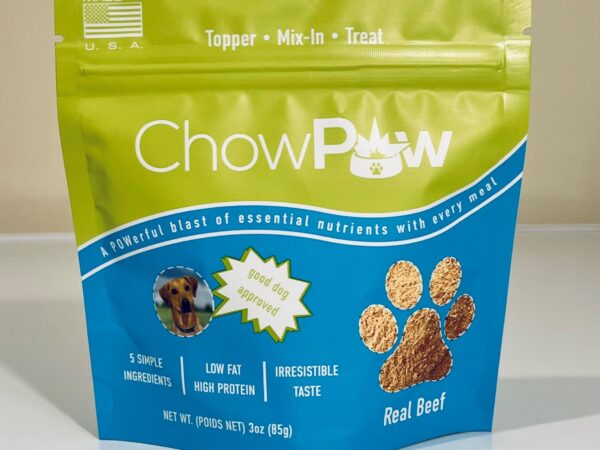 Dog Food Topper - Beef HeartOriginal price was: $14.99.$10.95Current price is: $10.95. - or subscribe and save up to 20%