Apple Cider Vinegar in Dog Water: Safe Use, Dosage, and Risks
Adding a little apple cider vinegar to your dog's water might offer some health perks, but it's definitely not a magic potion. To do it safely, you'll need to pick the right kind of ACV (raw, unfiltered, with "the mother"), begin with a tiny dose, and—this is a big one—always have a separate bowl of plain, fresh water available. This way, your dog can get a little potential boost for digestion and skin without any unnecessary risks.
Is ACV in Your Dog's Water Actually a Good Idea?
You’ve probably seen it pop up in dog forums or heard it from a friend at the dog park: a splash of apple cider vinegar (ACV) in the water bowl is the secret to a healthier dog. But before you go grabbing that bottle from your pantry, let's separate the facts from the hype. The reality is, when you use it the right way, adding a tiny amount of apple cider vinegar to your dog's water can be a gentle way to support their overall wellness.
The trick is to understand what ACV can and can't do. It’s better to think of it as a natural wellness booster, not a medicine. It’s kind of like how we might add some nutrient-packed veggies to our own meals. The good stuff comes from the acetic acid and beneficial bacteria found in the raw, unfiltered version—often called "the mother."
To help you get started on the right foot, here's a quick reference guide for using ACV safely.
Quick Guide to Using ACV for Dogs Safely
| Aspect | Recommendation | Why It Matters |
|---|---|---|
| Type of ACV | Use raw, unfiltered, organic ACV with "the mother." | This cloudy substance contains the beneficial bacteria and enzymes. Clear, pasteurized ACV won't offer the same benefits. |
| Dilution | Start with 1 teaspoon of ACV per 4 cups of water. | ACV is highly acidic. Proper dilution is critical to prevent irritation to your dog's mouth, throat, and stomach. |
| Choice | Always provide a separate bowl of plain, fresh water. | Your dog must have the option to drink plain water. Forcing them to drink ACV-laced water can lead to dehydration. |
| Frequency | Offer the diluted mixture 2-3 times per week, not daily. | More is not better. Overuse can disrupt their natural pH balance and cause digestive upset. |
| Observation | Monitor your dog for any negative reactions. | Watch for signs like vomiting, loss of appetite, or excessive scratching. If you see any, stop using ACV immediately. |
This table covers the basics, but let’s dive a little deeper into how this simple pantry staple can fit into a healthy routine for your dog.
How ACV Complements a Healthy Diet
Using natural ingredients to give your dog’s diet a little extra oomph is a great way to support their health from the inside out. This isn't about replacing their main food, but making it work even better for them.
Here’s how a thoughtful addition like ACV can fit in:
- Supports a Happy Gut: The mild acidity may help create a better environment in your dog's digestive system, which is key for absorbing all the nutrients from their food.
- Promotes Healthy Skin: A healthy gut is often reflected on the outside. By supporting their digestive system, ACV can play a small part in maintaining healthy skin and a shiny coat.
- Adds Good Stuff: The raw, unfiltered kind of ACV contains enzymes and probiotics that can nicely complement a balanced diet.
The goal is to make your dog’s daily kibble work harder for them. By adding natural, functional ingredients, you boost the nutritional value of what they're already eating, making every bite more beneficial.
This is the exact idea behind ChowPow, our meal enhancement designed to elevate your dog’s regular food. It’s not a replacement for their kibble, but a way to sprinkle on a concentrated boost of high-quality protein and essential nutrients. Just like adding ACV to water offers specific support, adding ChowPow to their food provides a different, but complementary, nutritional lift.
Throughout this guide, we'll explore how these simple, natural additions can work together to help your dog thrive.
What Can Apple Cider Vinegar Really Do for Dogs?
So, what's all the fuss about adding a little apple cider vinegar to your dog's water? While it's certainly not a magic cure-all, the excitement around apple cider vinegar to dog water is tied to some pretty interesting potential health benefits. Let's get into the most common claims and break down how it might actually work.
The star player in ACV is acetic acid. This is what gives it that signature tangy kick and is behind most of its supposed perks. Think of acetic acid as the main engine driving ACV's potential. When you dilute it properly, this acid can help foster a better environment inside your dog's gut, which in turn helps them get more out of every scoop of food.
Boosting Digestion and Nutrient Uptake
A dog's stomach is a naturally acidic place, which is perfect for breaking down proteins and zapping harmful bacteria. But sometimes, a diet heavy on processed foods can knock this delicate balance out of whack. A small bit of diluted ACV can help reinforce the stomach's natural acidity, making it better at its job of digesting food.
When your dog's digestion is running smoothly, they can pull more vitamins and minerals from their kibble. It's a simple concept: the good food you’re already feeding them just works harder to support their energy levels, coat health, and overall vitality.
This isn't a new idea, either. People have been using ACV for their own digestive health for a long time. For example, a well-known 2005 study from Arizona State University looked at what happened when human participants had ACV before a carb-heavy meal. The results were fascinating—it slowed the rise in their blood sugar by up to 34%, suggesting it has a real impact on how the body processes food. Experts often look at findings like these when thinking about digestive support for our dogs. The history of ACV use is pretty extensive, something Whole Dog Journal has covered in detail over the years.
Nurturing a Healthy Gut
Beyond just the stomach, ACV might also help create a more balanced gut microbiome. The key is to choose a raw, unfiltered apple cider vinegar that contains "the mother"—you know, that cloudy, stringy-looking stuff that settles at the bottom.
Think of "the mother" as being like the starter you'd use for sourdough bread. It’s full of beneficial bacteria, enzymes, and proteins that act as prebiotics—basically, they're food for the good microbes already living in your dog's digestive tract.
A flourishing gut is the cornerstone of a strong immune system. When the good bacteria are thriving, they help keep the bad guys in check, contributing to better wellness from the inside out.
From Healthier Skin to Better Breath
The great thing about a happy gut is that its benefits don't stop there. So many common dog problems, from itchy skin to stinky breath, can often be traced back to an imbalanced digestive system. Here's how giving their gut a little support with ACV can lead to other improvements you can actually see:
- Calmer Skin and a Shinier Coat: A huge part of your dog's immune system is located in their gut. By encouraging a healthy gut balance, you're supporting a more normal immune response, which can help dial down the inflammation that leads to itchy skin and a lackluster coat.
- Fresher Breath: Bad breath often comes from an overgrowth of odor-causing bacteria in the mouth and gut. ACV's natural antimicrobial qualities can help keep these bacteria in check, leading to better-smelling kisses.
- Gentle Antimicrobial Action: The acetic acid in ACV helps create an environment where certain troublemaking bacteria and yeasts, like Candida, have a harder time growing. This can be a real plus for dogs who are prone to minor skin or ear yeast flare-ups.
Adding a small, safe splash of apple cider vinegar to dog water is one way to offer this kind of gentle, daily support. It's a simple, natural way to complement their diet. For a more comprehensive overview, you can explore our guide on the benefits of apple cider vinegar for dogs. This whole idea fits right in with the ChowPow philosophy of making your dog's current diet even more powerful, just like when you add a scoop of our meal enhancement to their bowl.
How to Safely Add ACV to Your Dog's Water
So, you're ready to add a splash of apple cider vinegar to your dog's water. That's great! But before you start pouring, it's important to do it the right way. With any new supplement, the mantra is always "start low and go slow." This gives your dog's system time to get used to the new addition, making sure it's a good experience from the very first lap.
First things first, not all ACV is created equal. You'll want to grab a bottle of raw, organic, unfiltered apple cider vinegar that specifically says it contains "the mother." This cloudy, web-like stuff floating inside is where all the good bacteria and enzymes live. The crystal-clear ACV on the grocery store shelf has been pasteurized, stripping it of these beneficial components.
The Two-Bowl Rule Your Dog Will Thank You For
This next tip is the single most important part of the whole process: always, always provide a second, separate bowl of plain, fresh water.
Think of it as giving your dog a choice. If they're not a fan of the ACV taste or just aren't feeling it that day, they absolutely must have another option to stay hydrated. Forcing them to drink only ACV-spiked water can easily lead to dehydration, which is a much bigger problem than any benefit you're trying to add.
For more great advice on keeping your pup hydrated, check out our guide on how to encourage a dog to drink more water.
As you can see, the benefits build on each other. By supporting healthy digestion first, ACV can help create a healthier gut environment, which in turn can lead to better oral hygiene.
Recommended Starting ACV Dilution by Dog Weight
Getting the dilution right is key. Apple cider vinegar is acidic and potent, so a tiny bit goes a very long way.
Here's a simple chart to use as a safe starting point. Remember to always provide a separate bowl of plain water alongside the ACV water.
| Dog Weight | Daily ACV Amount | Water Amount |
|---|---|---|
| Under 15 lbs | 1/4 Teaspoon | Full Bowl (approx. 32 oz) |
| 15-50 lbs | 1/2 Teaspoon | Full Bowl (approx. 32 oz) |
| 51-100 lbs | 1 to 2 Teaspoons | Large Bowl (approx. 64 oz) |
| Over 100 lbs | 1 Tablespoon | Extra-Large Bowl (64+ oz) |
These are starting doses. Begin with the smallest amount for your dog's weight and only offer it a few times a week. If your dog handles it well, you can slowly work your way up to daily use, but never go over the recommended daily amount.
What If My Dog Turns Their Nose Up at It?
You’ve picked out the perfect ACV, measured the dose, and set out a second bowl of fresh water… only for your dog to give the ACV water a quick sniff and walk away. Don't worry, this is pretty common!
This is the perfect time to bring in a high-quality meal enhancer like ChowPow. ChowPow is a powerful supplement designed to boost the flavor and nutritional punch of your dog’s meals and water. Simply mix a scoop into the ACV-infused water, and you’ll transform it from a potentially strange drink into a savory, delicious broth they can't resist.
This simple trick pulls double duty:
- It Gets Them Drinking: The rich beef heart flavor in ChowPow tempts even picky pups to drink up, ensuring they stay hydrated while also getting the benefits of the ACV.
- It Adds a Nutritional Boost: You’re pairing the gut-friendly properties of ACV with the premium protein and vitamins from ChowPow. Every sip works that much harder for your dog's health.
This strategy is a game-changer for picky eaters, senior dogs, or any pup who could use an extra nutritional lift. It turns a simple bowl of water into a true source of vitality.
Understanding the Risks and When to Skip ACV
While adding a splash of apple cider vinegar to dog water can be a gentle health-booster, it’s definitely not a one-size-fits-all solution. As responsible pet parents, we need to know the potential downsides just as well as the upsides. ACV is acidic, after all, and that means it can cause problems if it’s used incorrectly or given to a dog with certain health conditions.
Most issues pop up because of that acidity. Giving too much, or not diluting it nearly enough, can easily lead to an upset stomach, vomiting, or diarrhea. Over the long haul, high concentrations can even start to wear away at your dog’s tooth enamel. It's crucial to be honest about these risks so you can make confident, informed choices for your dog.
Specific Health Conditions to Consider
For a healthy adult dog, a tiny, well-diluted amount of ACV is generally fine. But there are absolutely times when you should steer clear unless your vet has given you the green light.
Think of it this way: if your dog's body is already working overtime to manage a health issue, adding an acidic substance can throw a wrench into its carefully balanced system.
Your dog's body is a finely tuned system. For dogs with certain pre-existing conditions, the acidity of ACV can disrupt their delicate internal balance, potentially making their health issues worse.
Always skip the ACV if your dog has any of these conditions:
- Kidney Disease: A dog’s kidneys are in charge of filtering waste and balancing the body’s pH levels. Making them process extra acid puts a dangerous strain on already compromised kidney function.
- Chronic Bladder Issues or Stones: If your pup has a history of forming certain bladder stones (like calcium oxalate), changing their urine pH with ACV could actually make the problem worse.
- A Sensitive Stomach or Acid Reflux: It seems logical, right? For a dog already dealing with stomach irritation or acid reflux, adding more acid to the equation is just asking for more discomfort. You can learn about recognizing and managing acid reflux in dogs in our detailed article.
Warning Signs Your Dog Is Not Tolerating ACV
Even if your dog is the picture of health, you have to watch them closely. Every dog is an individual, and what works wonders for your neighbor’s Lab might not agree with your Beagle at all.
If you spot any of these signs after introducing ACV, stop using it immediately and just stick to plain, fresh water:
- Vomiting or diarrhea
- Loss of appetite or refusing to eat
- Lethargy or just seeming "off"
- Excessive scratching or new skin irritations
It’s easy to see why people are curious. With up to 50% of female dogs in major markets like the US and Europe facing UTIs annually, some owners look to ACV’s acidity to help create an environment less friendly to bacteria. But caution is key. A common guideline is about ½ to 1 teaspoon per 25-55 lbs of body weight mixed into a large bowl of water, and you should always provide a second bowl of plain water so your dog has a choice. This prevents them from getting dehydrated if they don’t like the taste.
Boosting Nutrition and Hydration with a Meal Topper
So, you did everything right. You got the good stuff—raw, organic apple cider vinegar with "the mother." You carefully measured the dose and even set out a second bowl of plain water, just in case. But then your dog takes one sniff of the ACV water and walks away with a look of pure betrayal. It's a common problem, but it definitely doesn't mean you have to abandon the benefits of apple cider vinegar in dog water.
This is where a quality meal topper comes in handy. It's a simple fix for a picky drinker that also happens to pack a powerful nutritional punch. A topper like ChowPow is a meal enhancement, not a replacement for your dog's main kibble. Think of it as a way to upgrade their current diet, making every bite (and every sip) work harder for their health.
Creating an Irresistible, Nutrient-Dense Broth
Instead of crossing your fingers and hoping your dog drinks the ACV water, you can turn it into something they’ll actually get excited about. Just mix a scoop of a high-quality meal enhancement like ChowPow into the ACV-spiked water. You've just created a savory, nutrient-rich broth. The delicious, meaty flavor completely masks the sharp tang of the vinegar, encouraging even the fussiest dogs to lap it up.
This little trick combines the gut-friendly properties of ACV with the whole-food ingredients found in a premium topper. It’s a fantastic solution for:
- Picky Pups: The amazing smell and taste make hydrating way more appealing than plain water.
- Senior Dogs: A flavorful broth is often easier for older dogs to get down, especially if they have sensitive teeth.
- Pups in Recovery: Dogs who need some extra nutritional support will benefit from the easy-to-digest calories and nutrients.
Think of it this way: You’re not just tricking your dog into drinking ACV water. You're upgrading their hydration from a basic need into a functional health drink that supports their whole body.
This ensures they’re getting all the potential goodness from the ACV, plus a concentrated dose of protein and vitamins. It turns a simple bowl of water into a source of real vitality.
A Win-Win for Flavor and Dental Health
This combination does more than just get your dog to drink more; it’s a tag-team effort for their wellness. While the ACV gets to work supporting a healthy gut, a topper like ChowPow is delivering the building blocks for strong muscles and a shiny coat. The idea of using apple cider vinegar in dog water isn't just a new fad, either; its health connections are pretty solid.
For instance, ACV’s mild acidity is known to help break down plaque and tartar. That can make a real difference for their dental health and maybe even save you from some pricey vet bills down the line. When you mix ChowPow into this ACV water, you’re making a tasty drink that also serves a purpose. The vinegar can even enhance the savory flavor of the broth or help mask the taste of medications, making it a great tool for sick or underweight dogs who need to stay hydrated. You can read more about making food more tempting for picky eaters and explore the full benefits of apple cider vinegar for dogs to learn more.
Making Your Dog's Current Food Work Harder
At the end of the day, the goal is to give your dog the best nutrition possible without a complete, disruptive diet overhaul. Using ChowPow as a meal enhancement fits that philosophy perfectly. You already trust your dog's main food, and a topper simply elevates it.
It’s a super straightforward way to give your dog a boost of high-quality protein and essential nutrients at every meal. Whether you sprinkle it dry over their food or mix it into their ACV water to create a broth, you’re making their existing diet more powerful, more delicious, and much more beneficial for their long-term health and happiness.
Answering Your Top Questions About ACV for Dogs
Thinking about adding a splash of apple cider vinegar to your dog's water bowl? It’s a popular wellness tip, but it's natural to have questions before you start. To help you make the best choice for your pup, we've tackled some of the most common things dog parents ask.
Can I Give My Puppy Apple Cider Vinegar?
It’s best to hold off on this one for a bit. A puppy's digestive and immune systems are still a work in progress, and the acidity in ACV can be a little too much for their tiny, developing bodies.
Most vets will give you the thumbs-up once your pup hits the six-month mark. When you do get the green light, start with a super diluted dose—we’re talking just a few drops in their water—and keep a close eye on how they react.
How Long Until I See Any Benefits?
This is definitely a long game, and every dog is different. You might start noticing small things, like fresher breath or more predictable potty breaks, within a few weeks of consistent use.
For the bigger stuff, like a shinier coat or less irritated skin, you're probably looking at a month or more. It's important to remember that ACV is a gentle, natural supplement, not a magic wand for overnight results.
Just like a healthy diet, the benefits of natural supplements like ACV build up over time. Consistent, correct use is what leads to visible, long-term wellness improvements for your dog.
What if My Dog Refuses to Drink the Water?
This happens all the time! First things first: always keep a separate bowl of plain, fresh water available. Your dog absolutely must have a choice so they can stay hydrated.
If they're turning their nose up at the ACV-spiked bowl, a little flavor can work wonders. Try mixing in a tasty meal topper. A scoop of ChowPow, for example, can turn that water into a delicious, meaty broth. That savory flavor usually masks the vinegar scent completely, making hydration a treat while sneaking in extra nutrients.
Can ACV Help with My Dog's Itchy Paws or Allergies?
It can certainly be part of the solution. Internally, ACV may help balance the gut, which plays a huge role in stabilizing the immune system—the very system at the heart of most allergy issues.
You can also use it topically for some quick relief on itchy paws. A 50/50 rinse of ACV and water can soothe irritation and help keep surface yeast in check. Just be sure to never, ever apply it to open sores or raw, broken skin. Most importantly, this is a job for your vet. You need a proper diagnosis to figure out what’s causing the allergies in the first place.
By combining smart supplementation with your dog's existing diet, you’re taking a proactive step toward their overall vitality. A meal enhancer from ChowPow is the perfect way to boost the nutritional value of your dog's current food, ensuring every meal is as delicious as it is beneficial. Learn more at https://chowpownow.com.
-
Product on sale
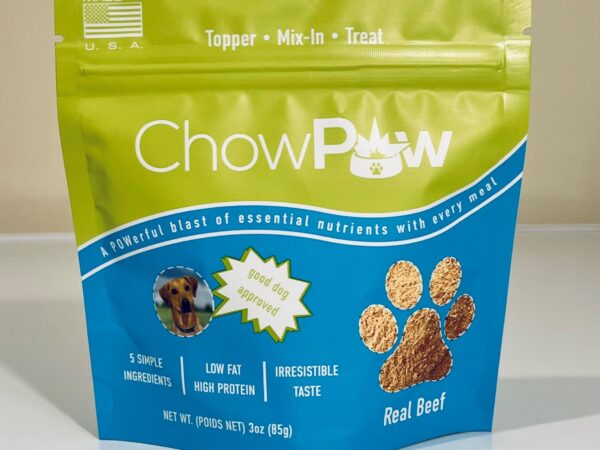 Dog Food Topper - Beef HeartOriginal price was: $14.99.$10.95Current price is: $10.95. - or subscribe and save up to 20%