

Avoiding Bad Dog Food Brands: A 2026 Buyer’s Guide
You're standing in the pet food aisle, reading one bag, then another, then another. One says “natural.” Another says “premium.” A third has a happy farm picture on the front and a list of ingredients on the back that sounds like a chemistry worksheet. Meanwhile, your dog still needs dinner, and you're trying to answer a hard question with very little help.
That stress is reasonable. Dog food labels often sound reassuring without being clear. A bag can look wholesome and still leave out the details that matter most, like ingredient quality, sourcing, and how carefully the company handles safety.
Many pet owners start by searching for lists of bad dog food brands. That makes sense, but lists age quickly. Brands change formulas, switch factories, update labels, or get bought by larger companies. What helps more is learning how to judge any food for yourself.
Are You Worried About Your Dog's Food
A lot of people reach this point after a small warning sign. Maybe their dog suddenly turns away from the bowl. Maybe the stool changes. Maybe the coat looks dull, or mealtime becomes a negotiation instead of a routine. Sometimes it's not even the dog first. It's the owner, staring at the bag and thinking, “I don't know what I'm feeding.”
That uncertainty builds fast. You read one article telling you kibble is fine, another saying it's harmful, and a third warning about ingredients you've seen for years. Then you start wondering whether you missed something obvious.
If that sounds familiar, you're not overreacting. Food is one of the few choices you make for your dog every single day, so it's normal to want confidence.
Bad dog food brands usually don't reveal themselves with one dramatic clue. More often, they show a pattern of vague ingredients, weak transparency, and labels that sound better than they read.
Sometimes the concern starts in daily life, too. If your dog has digestive issues or accidents linked to food changes, cleanup becomes part of the stress. Practical guides outside nutrition can help with the household side of pet care, too, like this resource on eliminating pet smells in Reno, which is useful if you're dealing with lingering odor after stomach upset or accidents.
What most owners really want
Pet owners aren't trying to become pet nutrition experts. They want three simple things:
- A safe food that doesn't raise obvious red flags
- A clear label they can understand
- A realistic routine they can stick with
That's why a long blacklist isn't enough. A better approach is to learn the handful of signs that separate a trustworthy product from one that depends on marketing smoke.
Defining Bad Dog Food Beyond the Hype
A bad dog food isn't just a food with a scary-sounding ingredient. It's a food that gives you poor information, poor confidence, or poor nutritional quality once you look past the front of the bag.
Much like human junk food, a snack cake can contain calories, fat, and even added vitamins. That doesn't make it a nourishing meal. Dog food works the same way. A food can meet a basic requirement on paper and still rely on low-grade ingredients, confusing terms, and weak quality practices.
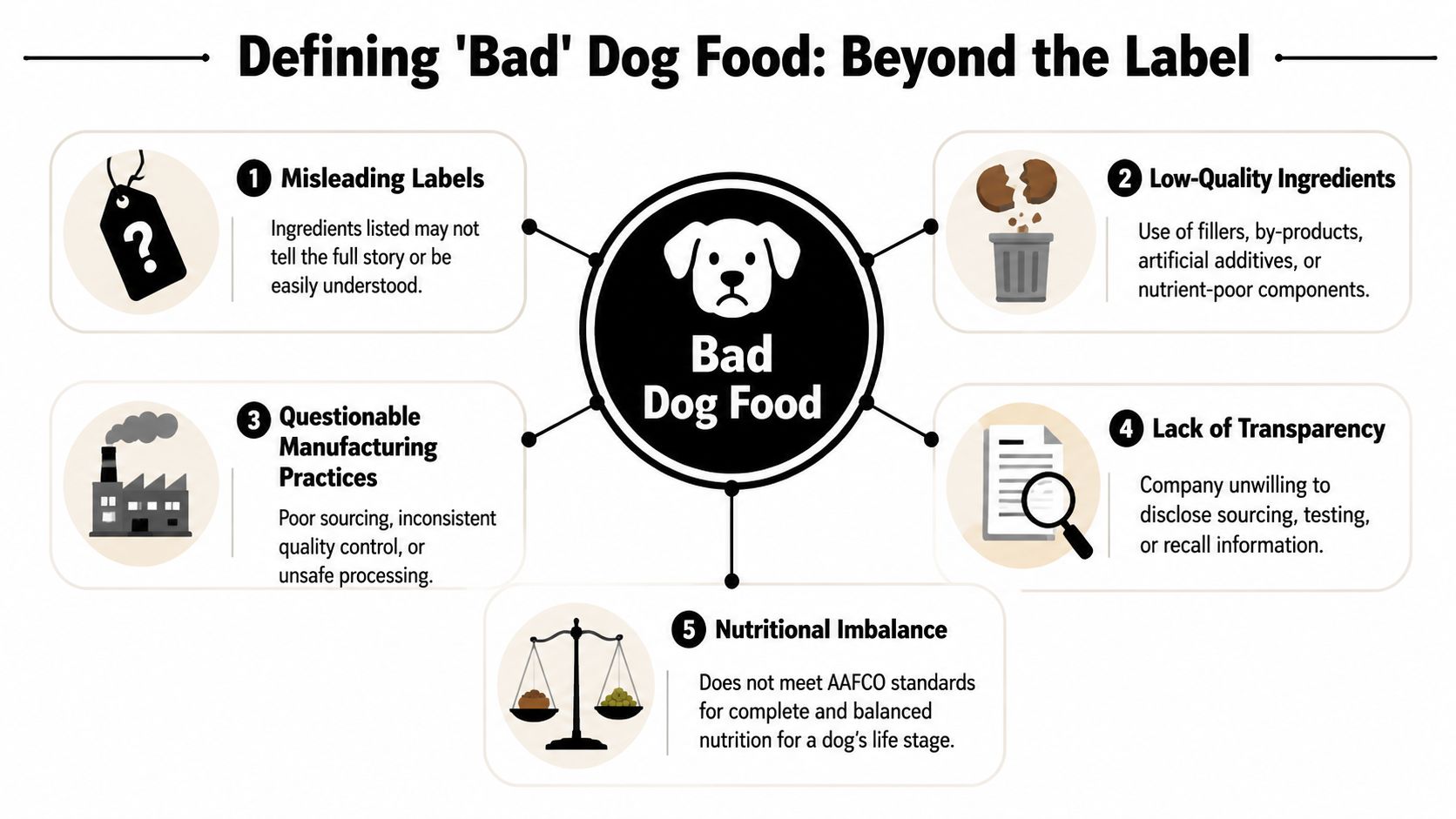
The five warning areas
Here's the practical framework I use when evaluating bad dog food brands.
| Warning area | What to watch for | Why it matters |
|---|---|---|
| Ingredient quality | Vague meats, heavy filler use, artificial extras | Nutrition can look acceptable while ingredient quality stays poor |
| Label clarity | Buzzwords without specifics | Marketing language often hides weak sourcing |
| Manufacturing habits | Little information about testing or processing | A nice label can't make up for weak quality control |
| Transparency | Evasive answers about sourcing or standards | Good companies usually explain what they do |
| Nutritional fit | Formula doesn't clearly match the dog's life stage | A food should fit the dog in front of you, not just “dogs” in general |
Why vague ingredients matter so much
One of the clearest red flags is ambiguity. If a company uses broad terms instead of naming what's in the food, you have less ability to judge quality.
According to Truth about Pet Food, pet-food ingredients like “chicken” aren't required to be USDA-inspected or wholesome in the same way as human-food equivalents, and the same label term can legally include condemned poultry or animals that died on-farm rather than in slaughter. Manufacturers also aren't required to disclose whether an ingredient is human-grade or feed-grade. That's why vague terms such as “meat meal” or “animal by-products” can vary widely in actual quality, even when two labels look similar on the surface. Their explanation is worth reading in this guide to dog food ingredients to avoid.
That point confuses many owners. They assume a familiar word automatically means a familiar standard. It doesn't.
Practical rule: The less specific a meat ingredient is, the more questions you should ask.
Marketing can make weak food sound wholesome
Front-of-bag language is often emotional, not informative. Words like “farm-raised,” “crafted,” “natural,” or “premium” may sound comforting, but they don't automatically tell you whether the core ingredients are high quality.
A bag should earn your trust on the back panel, not the front.
Look for this mismatch:
- Beautiful imagery paired with unclear meat sources
- Health-focused claims paired with long, confusing ingredient lists
- Clean branding paired with no meaningful sourcing details
Bad doesn't always mean dramatic
Some owners expect bad dog food brands to look obviously terrible. Often, they don't. They may be widely sold, neatly packaged, and accepted as normal because they're common.
That's why the better question isn't “Is this famous?” It's “Is this clear, specific, and trustworthy?”
How to Decode a Dog Food Label
Reading a dog food label gets easier when you stop trying to judge the whole bag at once. Treat it like detective work. Start with the ingredient panel, then ask whether the words are specific, useful, and honest.
The first thing I tell owners is this: don't get distracted by the claims on the front. Turn the bag around.
Start with the first five ingredients
The first five ingredients usually tell you the story of the food. They won't tell you everything, but they reveal the basic structure.
If those first ingredients are mostly named animal proteins and recognizable whole-food components, that's a better sign than a list built around vague meals, generic by-products, or a stack of starches.
According to Truth about Pet Food, label terms like “chicken” don't necessarily mean USDA-inspected, wholesome meat in the way most owners assume, and manufacturers don't have to tell you whether the ingredient is human-grade or feed-grade. The same legal term can cover a wide quality range, including condemned poultry or animals that died on-farm. That's why broad terms like “animal by-products” or “meat meal” deserve extra caution. You can dig deeper with this plain-language resource on how to read dog food labels.
Red flags that often confuse people
Some ingredients sound technical, but the problem is that they tell you very little.
Here are common examples:
- Meat meal means the label isn't clearly telling you which animal source you're getting.
- Animal by-products is broad enough that quality can vary a lot.
- Animal digest may improve taste, but it doesn't give you the clarity most owners think they're getting.
- Generic fat terms like “animal fat” leave the source unclear.
- Long lists of additives can suggest the food needs heavy correction after processing.
That doesn't mean every single vague ingredient makes a food terrible. It means repeated vagueness is a pattern.
Ingredient red flags vs. green flags
| Red Flag Ingredient (Avoid) | What It Often Means | Green Flag Alternative (Look For) |
|---|---|---|
| Meat meal | Unclear animal source and variable quality | Named proteins such as beef, chicken, turkey, or salmon |
| Animal by-products | Broad category with inconsistent sourcing | Named organ meats or clearly identified animal ingredients |
| Animal digest | Flavoring term that lacks clarity | Whole-food flavor support from named ingredients |
| Animal fat | Source isn't clearly identified | Chicken fat or another clearly named fat source |
| Multiple split starches | May make the ingredient list look better than it is | Simpler ingredient panels with more direct protein emphasis |
Read for specificity, not perfection
Owners sometimes freeze up because they think they need a flawless ingredient panel. You don't.
You're looking for a food that answers reasonable questions without making you guess. A named protein is better than a mystery meat. A short, understandable list is often easier to trust than a long one loaded with abstract terms.
If you need a dictionary to decode every other ingredient, the brand may be asking for trust it hasn't earned.
Watch out for ingredient splitting
This trick can make a formula look more meat-heavy than it really is. Instead of listing one big starch source high on the label, a manufacturer may split it into several smaller entries. The list looks more balanced, but the total may still be substantial.
A simple way to spot this is to notice repeated versions of the same basic ingredient family, such as several forms of peas or several forms of corn or rice.
The label should match your dog, too
A decent label still has to make sense for your individual dog.
A senior dog with a smaller appetite may benefit from foods that make every bite count. A picky eater may need stronger aroma and taste appeal. A dog recovering from illness may need gentler meals and closer oversight from a veterinarian.
That's why label reading is only half the job. The other half is asking, “Will this work for my dog's body, appetite, and routine?”
Checking a Brand's Safety and Reputation
A clean-looking label matters, but the company behind the bag matters just as much. If a brand won't communicate clearly about safety, testing, sourcing, or past problems, that's a trust issue.

Start with recall history
One recall doesn't always mean a brand is hopeless. Companies can identify a problem and act responsibly. But repeated issues, evasive communication, or weak explanations deserve attention.
The historical example many owners still point to is the 2007 melamine contamination crisis. According to Consumer Reports, it led to the recall of over 150 brands and made more than 5,000 pet food products unsafe, a major event that pushed consumers to pay much closer attention to sourcing, quality control, and supply-chain transparency in pet food. Consumer Reports also noted that aflatoxin contamination remained a recurring issue. In its testing of 58 dog foods, aflatoxins appeared in only one product, at an average of 1.8 parts per billion, while the FDA considers 20 ppb an action level for potentially harmful products, as described in Consumer Reports' coverage of what's really in dog food.
That history matters because it shows how much harm weak oversight can cause.
What to look up before you buy
A quick brand check can tell you a lot. Search for:
- Recall records and whether the company explains them clearly
- Sourcing details about where ingredients come from
- Testing language that goes beyond vague promises
- Contact transparency such as an easy-to-find phone number or customer support path
A trustworthy company usually makes it easier, not harder, to understand what it's selling.
For a visual overview of how owners can investigate food safety questions, this video is a helpful starting point.
Reputation is more than popularity
Some bad dog food brands stay popular because they're familiar, widely distributed, or heavily advertised. Popularity isn't proof of safety or quality.
The brand you trust should be the one that answers hard questions well, not the one you've seen the longest.
How to Boost Your Dog's Current Food
Many owners discover something important in the middle of this process. Their current food may not be awful, but it may not be doing much to help their dog thrive, either.
That's a common middle ground. The food is acceptable enough to keep using for now, but the dog seems bored, under-enthused, or like they'd benefit from more nutrient density and better taste. In that situation, improving the bowl can be easier than starting over all at once.
Why enhancement can help
Dry food is convenient, but it can be repetitive. Some dogs eat it without complaint. Others lose interest, especially picky eaters, seniors, or dogs coming back from illness, stress, or medication.
A meal enhancement approach can help by adding more aroma, more flavor, and more nutritional value to the base food you're already feeding. That doesn't mean replacing the kibble. It means improving what's in the bowl.
What makes a topper useful
A good topper should do more than make food smell stronger. It should also be simple enough that you understand what you're adding.
Look for qualities like these:
- Named ingredients you can recognize
- Straightforward use over kibble or mixed into food
- Appeal for picky dogs who need encouragement to eat
- Flexibility for senior dogs, foster dogs, or dogs recovering from illness
Some owners also like toppers that can mix with water or help make medication easier to give.
Keep the base food, improve the bowl
People often think there are only two options. Either keep feeding the same thing, or throw everything out and start from zero. In reality, there's a practical middle path.
You can keep a current kibble while making it more appealing and more supportive with a thoughtful addition. That can buy you time to assess your dog's response, improve appetite, and avoid turning mealtime into a daily struggle.
For owners exploring that route, this article on the benefits of adding food toppers to your dog's diet is a useful next read.
Small bowl changes can be meaningful. Dogs don't always need a dramatic overhaul to eat better. Sometimes they need a smarter upgrade.
Your Action Plan for a Healthier Diet
If you've started to suspect your dog's food isn't the best fit, don't panic. You don't have to fix everything tonight.
Start by talking with your veterinarian, especially if your dog is losing weight, refusing meals, recovering from illness, or dealing with ongoing stomach trouble. Food quality matters, but so does the dog's medical picture.
A calm next-step checklist
Use this sequence to make changes without creating more stress.
- Review the current bag. Check the ingredient list for vague meat terms, confusing additives, and weak specificity.
- Research the brand. Look for recall history, sourcing information, and whether the company answers basic safety questions clearly.
- Change slowly. If you switch foods, do it gradually over 7 to 10 days so your dog's digestive system has time to adjust.
- Watch the dog, not just the bowl. Appetite, stool quality, energy, coat condition, and enthusiasm at mealtime all matter.
- Support hydration. During transitions, some dogs eat better when meals feel fresher or moister. If you're out and about often, practical tools like HYDAWAY's dog water bottle guide can help you keep hydration simple on walks, errands, and travel days.
What progress often looks like
Progress isn't always dramatic. Sometimes it's just a dog who walks to the bowl with more interest, finishes meals more reliably, or seems more comfortable after eating.
That's still progress. Confident feeding decisions usually come from steady observation, not perfect labels or trendy claims.
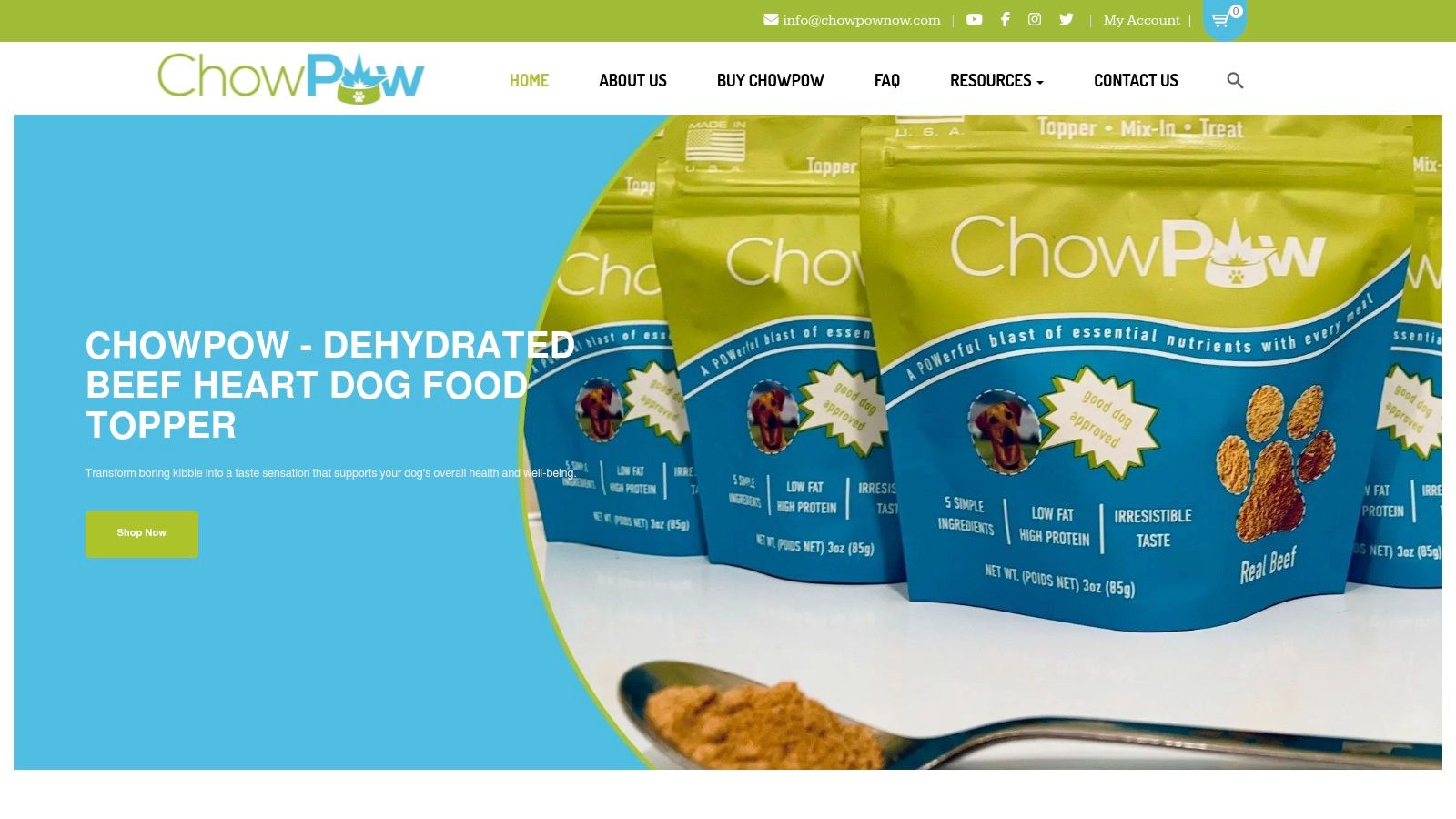
If you want an easy way to improve what's already in your dog's bowl, ChowPow is designed as a meal enhancer, not a replacement for your current kibble. It uses simple ingredients like dehydrated beef heart, carrots, celery, and apple cider vinegar to add flavor and nutrient density in a form that's especially helpful for picky eaters, seniors, and dogs needing extra encouragement at mealtime.
-
Product on sale
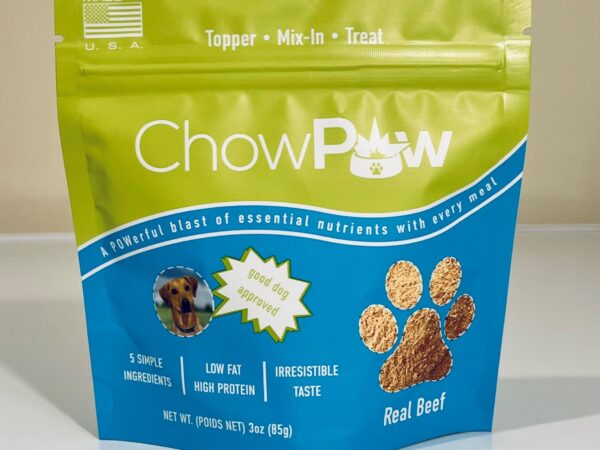 Dog Food Topper - Beef HeartOriginal price was: $14.99.$10.95Current price is: $10.95. - or subscribe and save up to 20%