
Beef Rib Bones for Dogs: A Complete Vet Safety Guide
You’re clearing the table after dinner, and there it is. One leftover beef rib bone. Your dog is sitting nearby, watching every move you make, hopeful and polite or maybe already drooling. A lot of loving owners pause in that exact moment and think, “Dogs chew bones. Isn’t this natural?”
That question makes sense. You’re not trying to do something reckless. You’re trying to give your dog something satisfying, tasty, and maybe even good for them.
The problem is that “natural” doesn’t always mean safe in a modern household dog. In practice, beef rib bones for dogs create some of the most preventable emergencies veterinarians see. What looks like a simple treat can turn into a broken tooth, a lodged fragment, or a very sick dog later that night.
If you’ve been hearing mixed advice, you’re not alone. Some people warn about cooked bones but say raw bones are fine. Others say large dogs can handle them. Still others say bones clean teeth. However, the situation is more complicated, and if you want a grounded overview, this guide will help. For a broader look at why many vets discourage bones at all, ChowPow’s article on whether bones are bad for dogs is a useful companion read.
That Tempting Rib Bone The Big Question for Dog Owners
A backyard cookout is where this usually starts. Someone trims meat from a rack of ribs, notices the dog waiting hopefully, and thinks a leftover bone might be a fun reward. The dog seems thrilled. The owner feels generous. Nothing about that moment looks dangerous.
That’s part of what makes beef rib bones for dogs so confusing. The risk isn’t obvious at first glance. A rib bone doesn’t come with a warning label in your kitchen, and many owners have seen dogs chew bones in movies, books, and everyday conversation as if it were standard care.
Why good intentions lead to risky choices
Most owners hand over a bone for one of three reasons:
- They want to offer a special treat that feels more exciting than a biscuit.
- They want to satisfy chewing behavior so the dog seems calmer and occupied.
- They believe bones support dental health because chewing scrapes the teeth.
Those goals are reasonable. The issue is that a beef rib bone is a poor tool for achieving them. A dog may enjoy the chew, but enjoyment doesn’t equal safety.
Beef rib bones often cause problems because owners focus on the dog’s excitement in the moment, not on what the bone can do once it cracks, wedges, or gets swallowed.
The real question
The better question isn’t “Will my dog like this bone?” Of course they probably will. The better question is, “What happens if this bone breaks the wrong way, gets swallowed in the wrong size, or stresses the wrong body system?”
That’s where veterinary advice becomes much more cautious. Once you understand how rib bones behave in the mouth and digestive tract, the warnings stop sounding overly strict and start sounding practical.
Cooked vs Raw Bones Debunking Common Myths
The most common misunderstanding I hear is simple. People assume cooked bones are dangerous, but raw bones are safe. That’s too simplistic, especially with rib bones.
Veterinary guidance has been much stricter than that for years. The FDA’s Center for Veterinary Medicine warns against feeding dogs any bones, including beef rib bones, because of risks such as splintering, choking, and gastrointestinal blockages. That warning has been part of standard veterinary protocol since the early 2000s, as summarized in this review of rib bone safety and FDA guidance.

If you’re also comparing whole bones with fresh or minimally processed feeding styles, ChowPow’s guide to raw vs cooked food for dogs helps separate those topics. A bone’s safety is a different issue from whether a food is served raw or cooked.
What cooking changes
When a bone is cooked, it loses moisture and becomes more brittle. That matters because brittle material is more likely to snap instead of flex. Once it snaps, it can form pointed fragments.
Those fragments are what worry veterinarians. They can catch in the mouth, lodge in the throat, or move down into the stomach and intestines where they don’t belong.
Why raw isn’t a free pass
Raw beef rib bones are often described as safer because they may be less brittle than cooked bones. That doesn’t make them harmless.
A raw rib bone can still:
- Break teeth if the dog bites down hard enough
- Get swallowed in chunks that don’t move well through the digestive tract
- Carry bacteria that create handling and food safety concerns
- Deliver a heavy load of fat from attached meat or marrow
A common point of confusion for owners is hearing “less likely to splinter” and translating that into “safe.” Those aren’t the same thing.
Side by side comparison
| Chew Type | Splintering Risk | Dental Fracture Risk | Bacterial Risk | Digestive Blockage Risk |
|---|---|---|---|---|
| Cooked beef rib bone | High | High | Lower from raw-meat handling concerns, but not free of food contamination concerns | High |
| Raw beef rib bone | Present | High | Present | Present |
| Durable rubber chew toy | Low | Lower when size-appropriate | Low | Lower when intact and supervised |
| Veterinary-approved dental chew | Low | Lower when chosen for the dog’s size and chew style | Low | Lower when fed as directed |
The myth about “natural teeth cleaning”
Some healthy adult dogs do scrape tartar while chewing hard items. That observation is real enough to sound convincing. But it leaves out a critical point: something hard enough to scrape can also be hard enough to crack.
That tradeoff matters most with rib bones because they don’t wear down in a predictable way. They can fail suddenly, and when they do, the mouth and digestive tract pay the price.
Practical rule: If a chew can fracture into pieces or is hard enough to make you worry about your dog’s teeth, it isn’t a low-risk everyday option.
The Hidden Dangers in a So-Called Natural Treat
A dog can look perfectly happy with a beef rib bone in the moment. Then the evening changes fast. A hard bite can crack a tooth, a swallowed piece can get stuck, and the fatty scraps left on the bone can trigger hours of vomiting later that night or the next day.

What makes rib bones so risky is their mix of hardness, shape, and leftover fat. They are not a simple chew. They behave more like a brittle object under pressure. Once a dog bites down with force, the situation can shift from “treat time” to “medical problem” very quickly.
Choking and digestive blockage
A rib bone does not need to splinter dramatically to cause an emergency. A small broken piece can be the problem. If that piece catches in the throat, sits in the stomach, or lodges in the intestines, food and fluid can no longer move normally.
I often explain this to owners as a plumbing problem. The digestive tract is a long, moving tube. It handles softened food well. It does not handle sharp, rigid fragments well.
Dogs with worn teeth or weaker chewing ability are at special risk here because they may snap off awkward chunks instead of grinding or gnawing steadily. That matters in seniors, dogs missing teeth, and dogs with painful mouths. They may swallow pieces they did not really process first.
Watch for vomiting, repeated swallowing, pacing, drooling, belly pain, straining, or a sudden refusal to eat. Those signs deserve prompt veterinary care.
Dental injuries can start with one hard bite
The mouth is often the first place rib bones cause damage. A dog does not need to swallow anything for that to happen. One forceful clamp on a hard curve of bone can crack a tooth, cut the gums, or injure the roof of the mouth.
This is one of the most misunderstood parts of bone safety. Owners sometimes assume a strong chewer is a safe chewer. In practice, determined chewers are often the ones who hit the bone with enough force to break a tooth.
Senior dogs need extra caution. Older teeth are a bit like older ceramic. They may still function, but years of wear, tartar, gum recession, and tiny unseen cracks make them less forgiving under pressure. A rib bone that a younger dog might survive without obvious injury can be enough to fracture a premolar in an older dog.
Why broken teeth are easy to miss
Dogs are remarkably good at hiding oral pain. A dog may still greet you at the door, wag, and even eat dinner. Owners then assume the mouth is fine.
That is why dental trauma gets missed.
A cracked tooth exposes sensitive inner tissue. Bacteria can then move down toward the root and create infection. What began as a chew-session accident can turn into days or weeks of discomfort, followed by an extraction or dental procedure under anesthesia.
Common clues include:
- Dropping kibble or treats
- Chewing on one side only
- Pulling away from chew toys
- Pawing at the mouth
- New bad breath after chewing
- Reluctance to let you touch the face
For dogs who already have dental disease, the margin for error is much smaller. That includes many small breeds and many dogs over middle age, even if they still seem enthusiastic about chewing.
The fatty leftovers can upset more than the stomach
Owners often focus on the bone itself and overlook the attached fat, marrow, or meaty scraps. That part can be a problem too, especially in dogs with sensitive digestion, a history of pancreatitis, or lower activity levels.
The pancreas works a bit like a chemical mixing station for digestion. A very fatty treat can overstimulate it. When that happens, the result is not always a mild stomach upset. It can be pancreatitis, which is painful and may require veterinary treatment, fluids, medication, and a bland recovery diet.
This concern is easy to underestimate because the timing can fool people. A dog may finish the bone and seem normal for hours. Then vomiting, diarrhea, restlessness, or lethargy starts later, and the connection to the “natural treat” is missed.
Older dogs deserve special mention here too. They are more likely to have underlying digestive sensitivity or other medical issues that make recovery slower and setbacks harder.
One treat can create several problems at once
A beef rib bone can injure a dog in more than one way during the same chewing session. The dog may chip a tooth first, swallow a fragment next, and then develop digestive upset from the fatty residue afterward.
That stacked risk is the primary concern.
If your dog is a senior, has worn or damaged teeth, has had dental work, or tends to gulp pieces instead of chewing methodically, the safety margin gets even narrower. In those dogs, a rib bone is less like enrichment and more like a gamble.
A safer plan is to protect the chewing routine while changing the item itself. Use softer, size-appropriate chew options for the urge to gnaw, and use nutrient-dense food toppers such as ChowPow when you want to add flavor, satisfaction, and interest to meals without exposing your dog to the mouth, gut, and pancreas risks that come with rib bones.
Why Age and Size Matter for Bone Safety
A young, large dog with a healthy mouth may appear to handle a hard chew better than a tiny senior with worn teeth. That visual difference leads many owners to assume safety is mostly about confidence or chewing enthusiasm. It isn’t.
Age, size, and dental history change the risk calculation. The same rib bone that seems “fine” for one dog can be a very poor choice for another.
Senior dogs face a steeper downside
Older dogs often have enamel wear, hidden cracks, gum recession, or periodontal disease even when they still eat normally. That’s why I’m especially cautious about beef rib bones for dogs over middle age.
A 2023 AVMA study found that 20% of dogs over 8 years old had moderate to severe dental fractures from hard chews, as noted in this discussion of senior-dog chew risk. For these dogs, the downside of a rib bone is magnified before the chewing session even starts.
Small and medium dogs don’t get a pass
Owners sometimes think small dogs are safer because they can’t bite as hard. In reality, a beef rib can be disproportionately awkward for a smaller dog. The size and shape may encourage gulping, strange jaw angles, or repeated force against a few teeth.
That matters in dogs with:
- Crowded mouths
- Pre-existing tartar and gum disease
- A habit of grabbing and twisting
- A tendency to swallow before fully chewing
A chew doesn’t need to look huge to be a poor match.
Dental issues change the whole equation
If your dog has already had a fractured tooth, extraction, chronic bad breath, bleeding gums, or visible tartar, that history matters. A hard bone isn’t a neutral choice in that situation. It’s a stress test on a mouth that may already be compromised.
For a senior dog, a rescue dog with unknown dental history, or a dog recovering from illness, “maybe it’ll be fine” isn’t a responsible feeding strategy.
The common exception people try to make
Some owners say, “But my dog has chewed bones for years.” I understand why that feels persuasive. Past luck feels like evidence.
It isn’t. It only means your dog hasn’t had the bad outcome yet. With seniors and dogs with dental disease, the margin gets thinner.
Satisfying the Chew Urge The Right Way
Dogs chew because chewing meets real needs. It relieves boredom, gives them a job, and can help them settle. The answer isn’t to remove every satisfying option. The answer is to pick options that are less likely to splinter, crack teeth, or create a digestive emergency.

Start with the dog in front of you
A safe chew for one dog may be a poor fit for another. I tell owners to look at three things first:
- Chew style. Does your dog nibble, shred, or try to crush?
- Mouth health. Has your dog had dental disease, extractions, or signs of oral pain?
- Body habits. Does your dog savor chews slowly or try to swallow chunks fast?
A gentle grazer and a determined power chewer shouldn’t shop from the same bin.
Better categories to consider
Some alternatives are much easier to manage safely than rib bones.
- Durable rubber toys can work well for dogs who need an outlet but don’t need edible material. Products like a Kong-style toy let you add kibble or a smear of dog-safe filling so the dog licks, works, and settles.
- Veterinary-approved dental chews are often a better choice than hard natural bones because they’re designed to soften during chewing instead of breaking into sharp pieces.
- Food puzzles and frozen lick options help many dogs who seem obsessed with chewing but are really craving occupation and sensory stimulation.
What to avoid even if it’s sold as a chew
Marketing often makes risky products sound wholesome. I’d be careful with anything extremely hard, irregularly shaped, or easy to snap into chunks.
Red flags include:
- Rock-hard chews that don’t flex at all
- Natural bone pieces with uneven ends
- Items smaller than your dog’s muzzle width
- Products that become slimy and swallowable in large pieces
This short video offers a practical visual refresher on choosing better chew options and thinking about chewing safety at home.
A simple selection test
If you’re standing in the pet store unsure what to buy, keep it simple. Ask yourself:
| Question | Why it matters |
|---|---|
| Is it sized for my dog? | Too-small items get swallowed. Too-large items create awkward chewing angles. |
| Does it have some give? | Slight flexibility is usually kinder to teeth than a rigid, dense chew. |
| Will it break into chunks? | Predictable wear is safer than sudden fracture. |
| Can I supervise it? | Most chewing accidents happen when dogs are left alone with the wrong item. |
When chewing should stop
Even a better chew needs supervision. Take it away if your dog starts tearing off large pieces, shows frustration, or seems to be trying to gulp rather than chew.
A good chew session should look calm and controlled. If it starts looking frantic, the product isn’t the right match.
Boost Nutrition and Flavor Without Bone Risks
You may not be trying to give your dog a “bone.” You may be trying to give comfort.
Many caring owners save a rib bone because it feels like a special reward. It smells rich, it seems natural, and a dog often looks thrilled to get it. But if your real goal is better nutrition, more excitement at mealtime, or help for a picky senior dog, a bone is a clumsy tool for the job. It adds risk without giving you much control.

Why meal enhancement is the safer path
A rib bone is unpredictable. One dog chews off fat and gets an upset stomach. Another bites down hard and hurts a tooth. A senior dog with worn molars or hidden dental disease has even less margin for error.
Food added to the bowl works very differently. You can control the amount, the texture, and how rich it is. That matters for older dogs and dogs with sore mouths, because they often still want the smell and taste of something meaty, but they do not handle hard chewing well.
A good topper works like broth in a human meal. It improves aroma, moisture, and interest without asking the mouth and stomach to wrestle with a hard object.
Dogs who often benefit most from toppers
Meal toppers can be especially helpful for dogs who need encouragement, not a chewing challenge:
- Picky eaters who lose interest in plain food
- Senior dogs who still enjoy food but avoid hard textures
- Dogs with dental discomfort who want softer meals
- Dogs recovering from illness who need extra mealtime appeal
- Dogs with sensitive digestion who do better with measured additions instead of greasy scraps
This is one of the most overlooked parts of the bone question. Owners often focus on whether a bone is “safe enough,” when the better question is whether the dog needs a bone at all. For many older dogs, the answer is no. They need food that is easier to eat, easier to digest, and still satisfying.
What a safer upgrade looks like
Instead of handing over a rib bone after dinner, add something beneficial to dinner itself. That gives your dog the novelty you wanted to provide, but with far less risk.
Owners often notice a few practical changes. The dog comes to the bowl faster. Dry food becomes easier to finish. Mealtime feels rewarding again without relying on fatty leftovers or hard chews.
If you want ideas, this guide on the benefits of adding food toppers to your dog's diet explains how toppers can improve flavor, moisture, and meal interest in a more controlled way.
The safer “special treat” is often a better bowl, not a harder chew.
One reminder matters here. A topper should support a balanced diet, not replace it. Start small, watch your dog’s stool and appetite, and choose options that make eating easier, especially if your dog is older or has dental wear.
Your Action Plan for Safe and Healthy Treating
If you remember only one thing, remember this. Beef rib bones for dogs aren’t a harmless classic treat. They can break, lodge, crack teeth, and upset the pancreas in ways that can turn urgent fast.
A safer approach starts with simple decisions at home.
Your checklist for today
Remove risky bones from the treat rotation
If you’ve been saving rib bones after meals, stop offering them. Don’t keep them in the freezer “just in case.”Match chews to your dog, not to internet folklore
Consider age, size, chewing style, and dental health. A senior dog and a young power chewer need different plans.Watch the first few sessions closely
Any new chew should be supervised. You’re looking for calm chewing, not frantic cracking or gulping.Shift “special treat” thinking toward meal support
A safer, gentler way to make your dog happy is often to improve dinner rather than hand over a hard chew.Call your veterinarian quickly if something seems off
Trouble after a bone may show up as vomiting, drooling, mouth pain, straining, lethargy, or refusal to eat.
The bigger goal
Most owners aren’t trying to choose between fun and safety. They’re trying to care well for a dog they love. The good news is that you don’t need rib bones to do that. Thoughtful chews, supervised enrichment, and smart meal enhancement can give your dog satisfaction without asking them to gamble with their teeth or digestive tract.
Frequently Asked Questions About Dog Bones
What about larger beef bones like marrow or knuckle bones
Larger bones may look safer because they seem harder to swallow whole. The problem is that hardness can still injure teeth, and fatty marrow can still upset digestion. Bigger doesn’t automatically mean safer.
Is homemade bone broth safe for dogs
Bone broth is a separate issue from chewing bones. Plain broth without onion, excessive salt, or other problematic ingredients can be a gentler way to add aroma and moisture to food. It still shouldn’t replace a balanced diet, and rich broths may not suit dogs with sensitive stomachs.
What are the immediate signs of trouble after a dog eats a bone
Watch for choking, repeated swallowing, gagging, drooling, pawing at the mouth, vomiting, abdominal discomfort, lethargy, straining to pass stool, or refusal to eat. Mouth injuries can also show up as chewing on one side or sudden resistance to hard food.
If my dog already ate a beef rib bone, should I wait and see
If your dog seems distressed, call your veterinarian or an emergency clinic right away. If your dog seems normal, it’s still wise to contact your vet for advice because some problems don’t show up immediately.
If you want a safer way to make meals more appealing, ChowPow offers a dehydrated beef heart topper that’s meant to enhance your dog’s current food, not replace it. It’s a practical option for picky eaters, seniors with sensitive teeth, and dogs recovering from illness who need extra mealtime encouragement without the physical risks that come with bones.
-
Product on sale
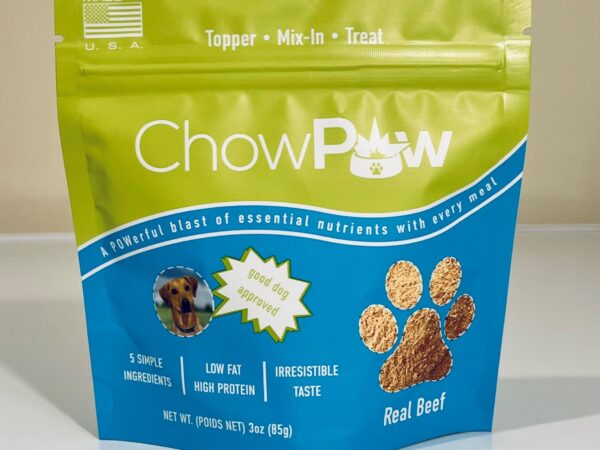 Dog Food Topper - Beef HeartOriginal price was: $14.99.$10.95Current price is: $10.95. - or subscribe and save up to 20%