
Benefits of grain free dog food: A simple guide to healthier pups
When you're navigating the dog food aisle, the sheer number of choices can be dizzying. Labels like "natural," "holistic," and especially "grain-free" are everywhere, but what do they actually mean for your dog? Let's cut through the marketing chatter and get to the heart of what matters for your furry friend.
What Does "Grain-Free Dog Food" Really Mean?
At its core, "grain-free" is a simple concept. It just means the food is made without common cereal grains like corn, wheat, barley, or soy.
Instead of grains, these formulas use other plants to provide the carbohydrates and fiber your dog needs for energy. Think of it like swapping out white potatoes for sweet potatoes in your own diet. You’re still getting carbs, just from a different source. In grain-free dog food, those sources are typically things like peas, lentils, chickpeas, and potatoes.
The whole grain-free movement really took off as owners started looking for diets that felt closer to what a dog's wild ancestors might have eaten. The goal was to ditch ingredients that weren't part of a natural canine diet, with the hope of tackling common health problems like skin allergies and digestive upset.
Why Did Grain-Free Become So Popular?
The trend toward grain-free diets marks a huge shift in how we think about feeding our pets. It’s not just a fad; the global grain-free dog food market hit a massive USD 3.5 billion in 2023 and is still growing fast. That shows just how many of us are searching for what we believe is a higher-quality, more natural option for our dogs.
To help you sort through the options, here’s a quick, easy-to-understand comparison of the two main food types:
Grain-Inclusive vs. Grain-Free Dog Food at a Glance
| Feature | Traditional Grain-Inclusive Food | Grain-Free Food |
|---|---|---|
| Primary Carb Sources | Corn, wheat, barley, oats, rice | Peas, lentils, chickpeas, potatoes, sweet potatoes |
| Protein Sources | Often supplemented with plant proteins from grains | Relies more heavily on animal proteins and legume proteins |
| Common Perception | A standard, cost-effective formulation for most dogs | A premium option, often for dogs with sensitivities or allergies |
| Intended For | General canine population without specific dietary needs | Dogs with diagnosed grain allergies or sensitivities; owner preference |
Ultimately, choosing the right food comes down to understanding the ingredients, not just the front-of-the-bag claims. Knowing how to read dog food labels is your best tool for figuring out exactly what you’re putting in your dog’s bowl.
The key takeaway is that grain-free food is about substitution, not elimination. Carbohydrates are still there providing energy; they just come from non-grain sources like legumes and tubers.
The real mission is to find the diet that helps your individual dog thrive. For some pups, a grain-free formula is a game-changer. For others, a high-quality food that includes wholesome grains is the perfect fit. It’s all about focusing on the overall nutritional quality, not just one popular buzzword.
How Grain-Free Diets Can Help Sensitive Dogs
For some dogs, certain grains can be the sneaky culprit behind ongoing health issues. It’s a lot like a person with a gluten sensitivity finally cutting out bread and feeling a world of difference—some dogs get that same profound relief on a grain-free diet. This isn't about jumping on a bandwagon; for these pups, it's about finding a real solution to their discomfort.
When a dog has a true grain sensitivity, the benefits can be dramatic. Owners often tell us about the frustrating cycle of itchy skin and constant scratching finally coming to an end. Those chronic ear infections that meant frequent vet visits? They might just clear up, giving everyone in the house some much-needed peace.
Calmer Digestion and a New Lease on Life
Beyond the skin and ears, digestive health is often where you see the biggest improvement. A grain-free diet can lead to much calmer digestion, meaning less gas, reduced bloating, and firmer, more consistent stools. When you remove the ingredient causing inflammation, the gut finally gets a chance to heal and work properly. This often comes with a visible boost in their overall happiness.
A dog that isn’t constantly battling an upset stomach and itchy skin has so much more energy for walks, playtime, and cuddles. It's not uncommon for owners to notice a shinier, healthier coat and brighter eyes once the dietary trigger is gone.
Some veterinary estimates suggest that up to 10-15% of dogs may have grain allergies, which often show up as chronic ear infections, obsessive paw licking, and GI upset. The good news? Many pet owners report an 80% improvement in these symptoms within just four to six weeks of switching foods.
Getting to the Root of the Problem
It's so important to remember that these benefits are most obvious in dogs with a confirmed sensitivity. If you suspect your dog is struggling, figuring out what to feed a dog with a sensitive stomach can feel overwhelming. A chat with your vet is always the best first step. They can help you figure out if grains are the real villain behind your dog's symptoms.
For dogs who don't have a grain allergy, a complete diet overhaul might not be necessary. Instead, you can focus on adding targeted nutrition to support their well-being. Sprinkling on a nutrient-dense meal enhancement like ChowPow is a fantastic way to boost the value of their current kibble. ChowPow is not a replacement for their main meal, but it's a powerful supplement that adds high-quality, grain-free protein and vital nutrients, ensuring they get an extra dose of goodness without a drastic diet change.
Separating Grain-Free Fact From Fiction
The world of grain-free dog food is buzzing with passionate opinions and slick marketing. It's easy to get caught up in the hype, but let's cut through the noise and look at what the science actually says. We're going to tackle some of the biggest myths to give you a clear picture of what "grain-free" really means for your dog.
Myth 1: Grains Are Just Cheap Fillers
This is probably the most common argument you'll hear. The story goes that grains are just low-cost junk used to bulk up dog food without adding any real value. While some bottom-of-the-barrel pet foods might use refined grains this way, this idea completely ignores the nutritional power of whole grains.
Good stuff like brown rice, oatmeal, and barley are actually fantastic sources of essential nutrients. They deliver valuable fiber for healthy digestion, B vitamins that help with energy, and important minerals like magnesium and selenium. For the vast majority of dogs, these whole grains are a perfectly healthy part of a balanced diet.
Myth 2: Grain-Free Means Low-Carb
It's a logical jump to make: take out the grains, and you must have a low-carb, high-protein food, right? Well, not exactly. Dogs still need carbohydrates for energy, so grain-free formulas simply swap out one kind of carb for another.
Instead of corn or wheat, you'll see ingredients like:
- Peas
- Lentils
- Sweet Potatoes
- Chickpeas
Often, the total carbohydrate content is very similar to foods that do contain grains. The real difference is the source of those carbs, not the overall amount.
The term "grain-free" just tells you what's been left out, not what's been put in its place. You have to read the entire ingredient label to get the full story on the food you're considering.
The Elephant in the Room: The FDA and DCM
No honest chat about grain-free diets can skip over the U.S. Food and Drug Administration (FDA) investigation into a potential link between certain diets and a heart condition called dilated cardiomyopathy (DCM).
Back in 2018, the FDA noticed a spike in reports of DCM in dogs, many of which were eating foods where legumes like peas or lentils were high on the ingredient list. It’s critical to understand that this link is still being investigated, and a direct cause-and-effect relationship hasn't been proven. The whole issue seems to be pretty complex, likely involving multiple factors that go beyond just the absence of grains.
This uncertainty is exactly why many dog owners are hesitant to make a complete dietary switch. A fantastic alternative is to boost their current meal without doing a total overhaul. Adding a meal enhancement like ChowPow lets you introduce high-quality, grain-free protein and nutrients right on top of their existing food. This way, you're upgrading their nutrition and adding value without the worry of completely replacing their trusted kibble.
Boosting Nutrition Without Changing Their Food
The thought of a complete diet overhaul can be stressful. We've all been there. You worry about upsetting your dog's stomach, the cost of a new bag of food, and the ultimate question: will they even eat it? But here’s the good news: you can give your dog many of the benefits of grain free dog food without tossing out their current kibble.
This is where a quality meal enhancement really makes a difference. Think of it like adding a superfood smoothie to your own breakfast—you aren't replacing the meal, just upgrading it with a concentrated dose of top-notch nutrition. It’s the perfect strategy for owners who want to boost their dog's diet without the risk and hassle of a full switch.
The Power of a Meal Enhancement
A high-quality meal enhancement lets you add specific, grain-free benefits right on top of their existing food. By simply sprinkling a supplement over their regular bowl, you can introduce incredible proteins and essential nutrients in a powerful, easy-to-digest format.
This method puts you in the driver's seat, giving you flexibility and control. You’re supplementing their trusted diet, not taking a gamble on a brand new one. It's a fantastic solution for some of the most common challenges we face as dog owners:
- Tempting Picky Eaters: A flavorful topper can turn a boring bowl of kibble into something they can't wait to eat.
- Supporting Senior Dogs: Nutrient-dense ingredients give aging bodies extra support and are often much easier for seniors to chew and digest.
- Aiding Recovery: For a dog bouncing back from being sick, a topper delivers a much-needed nutritional boost to help them get their strength back.
The goal is to elevate their current food, not replace it. A meal enhancement acts as a bridge, giving your dog a taste of premium, grain-free ingredients while keeping the foundation of their diet stable and familiar.
Introducing ChowPow: A Simple, Powerful Upgrade
For owners looking for a simple but seriously effective way to boost their dog's meal, ChowPow is the perfect answer. It’s a dehydrated beef heart food topper that packs a powerful punch of grain-free protein and nutrients. Made with just four simple ingredients, it’s designed to enhance their diet, not complicate it.
Using ChowPow couldn't be easier. Just sprinkle it over their current food, whether it’s grain-inclusive or already grain-free. This one simple step enriches their meal with vital amino acids from beef heart, supporting everything from muscle health to energy levels. You can learn more about the benefits of adding food toppers to your dog's diet in our detailed guide.
This approach gives your dog a powerful nutritional boost without the stress of a full diet transition. It's a smart, safe, and effective way to give them the extra goodness they deserve, one scoop at a time.
How to Safely Introduce New Foods
Whether you're swapping out their entire kibble or just looking to add a little nutritional oomph, the golden rule is always slow and steady. Think about it—a sudden, drastic change to your dog's diet can throw their digestive system for a loop. A gradual transition is your best bet for keeping their tummy happy.
It’s a bit like easing into a new workout routine; you wouldn’t just go out and run a marathon on day one. For a complete food switch, give yourself a 7-10 day window. This gives your dog’s gut bacteria plenty of time to adjust, helping you sidestep common issues like gas, bloating, or diarrhea.
The Gradual Switch Plan
Making the transition seamless is all about slowly mixing the new food in with the old. You’ll start with just a tiny bit of the new stuff and gradually increase the ratio over the course of a week or so.
A typical schedule might look something like this:
- Days 1-3: 75% old food, 25% new food
- Days 4-6: 50% old food, 50% new food
- Days 7-9: 25% old food, 75% new food
- Day 10: 100% new food
Pay close attention to your dog during this process. Keep an eye on their stool consistency, energy levels, and appetite. If you spot any signs of digestive upset, just pump the brakes and slow the transition down to give their system more time to catch up.
The Simple Way to Boost a Meal
Luckily, not every nutritional upgrade needs to be a week-long project. Adding a simple, high-quality meal enhancement is a much easier lift. This visual guide shows just how simple it is to boost your dog's regular kibble.
The process is incredibly straightforward: just add the topper to their existing food for an instant nutritional upgrade.
When you use a topper like ChowPow, you're not replacing their main meal—you're supplementing it. Because it's a powerful enhancement rather than a full diet change, you can typically just sprinkle it on top without a lengthy transition period. It's a convenient and worry-free way to give your dog the extra goodness they deserve.
Your Questions About Grain-Free Diets Answered
Deciding on the best food for your dog can feel like navigating a maze. Let's clear up some of the common questions that pop up around the whole grain-free debate.
Is Grain-Free Better for Every Dog?
Not really. The big wins from a grain-free diet are almost always seen in dogs that have a genuine grain allergy or sensitivity. For most dogs out there, a well-made food that includes healthy, whole grains is a fantastic and perfectly healthy option.
Your best bet is always to chat with your vet. They can help you figure out what your specific dog needs instead of just following the latest trend.
Can I Add a Topper to Grain-Inclusive Food?
Absolutely! In fact, this is one of the best ways to level up a dog's meal without having to completely switch their food.
Sprinkling a high-quality, grain-free topper like ChowPow over their regular kibble gives them the best of both worlds. They get the consistency of their usual food plus a major boost of pure protein and nutrients. Remember, ChowPow enhances their meal, it doesn't replace it.
While a great diet takes care of your dog's internal health, don't forget about keeping them safe from outside pests. It's smart to learn about safe pest control solutions for pet owners to make sure your buddy is protected all around.
Ready to give your dog’s meal a simple, powerful upgrade? Try ChowPow today and see the difference a scoop of real, nutrient-dense ingredients can make. Visit chowpownow.com to learn more.
-
Product on sale
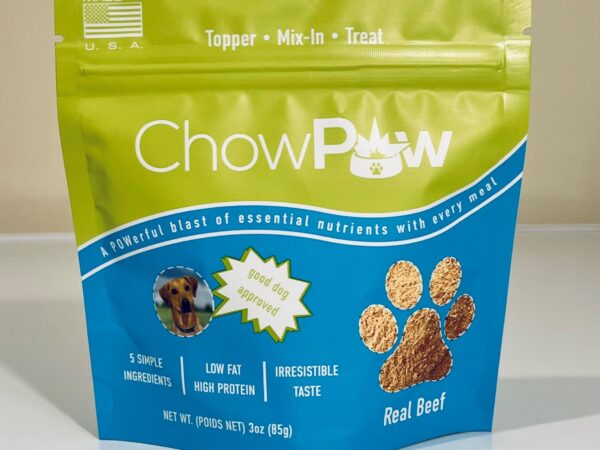 Dog Food Topper - Beef HeartOriginal price was: $14.99.$10.95Current price is: $10.95. - or subscribe and save up to 20%