

The Best Dog Food for Dogs with Digestive Issues
When you're trying to find the best dog food for digestive issues, the answer usually lies in simplicity. Look for foods with highly digestible, single-source proteins, minimal fillers like corn or soy, and gut-friendly ingredients like pumpkin or sweet potato.
For a lot of dogs, adding a whole-food meal enhancement like ChowPow can also give their regular kibble a crucial nutrient boost without causing a major system upset.
Understanding Your Dog's Digestive Distress
It’s just awful watching your best friend struggle with an upset stomach. That gurgling tummy, the sad eyes, the clear discomfort—it can make any dog parent feel completely helpless. Digestive problems aren't just an inconvenience; they're a clear sign that something inside is out of whack.
Think of your dog's gut as a delicate garden. When everything is in harmony, it thrives, soaking up nutrients and producing, well, healthy "blooms" (you know what I mean). But the moment you introduce an irritant—like a tricky ingredient or a sudden diet change—the whole ecosystem can get thrown into chaos. That's when you start seeing those all-too-familiar signs of trouble.
Recognizing the Signs of Gut Trouble
Digestive distress can show up in a lot of ways, some obvious and some surprisingly subtle. Spotting these signs early is your first step toward getting your pup some relief.
Here are the most common red flags:
- Loose Stools or Diarrhea: This is usually the first and most noticeable sign that your dog's gut is inflamed or isn't absorbing nutrients the way it should.
- Excessive Gas: A little toot here and there is normal, but constant, foul-smelling gas often points to poor digestion or a food intolerance.
- Vomiting: While it can happen from time to time, regular vomiting is a clear signal their current food just isn't sitting right.
- Loss of Appetite: When a dog who normally loves mealtime suddenly turns their nose up, it's often because they're feeling nauseous or uncomfortable.
- Lethargy: If your usually playful dog is acting sluggish, it could be because their body simply isn't getting the energy it needs from their food.
Your dog’s poop is a direct window into their digestive health. Seriously. Paying attention to its consistency, color, and how often they're going gives you valuable clues about how their system is handling their current diet.
Why Digestive Issues Are So Common
If you're dealing with this, you are definitely not alone. Tummy troubles are one of the top reasons dogs end up at the vet.
In fact, one study showed that diarrhea is the most frequent complaint, affecting 19.1% of dogs with recorded gut issues. Right behind it were vomiting (13.6%) and loss of appetite (13.1%). It just goes to show how widespread these problems really are. You can learn more about the findings on canine digestive health from the study.
These issues can pop up for all sorts of reasons—from food allergies and intolerances to stress or just eating that mystery thing they found in the yard. For a deeper look at what your dog's bathroom habits are telling you, check out our guide on using poop as your dog's digestive health report card. Once you start to understand the why, you can find the right nutritional path forward.
Decoding Dog Food Labels for a Healthy Gut
Walking down the dog food aisle can feel like a pop quiz you didn't study for. The bags are bright, the marketing is slick, and every single one promises a happy, healthy pup. But when you flip the bag over, you're hit with an ingredient list that looks more like a science experiment than a recipe.
Learning to cut through that noise is the most powerful thing you can do for a dog with a sensitive stomach.
Think of an ingredient label as a story told in descending order of weight. The first five ingredients are the main characters—they make up the bulk of the food and reveal its true quality. For a dog prone to digestive upset, that first line of the story tells you almost everything you need to know.
The Heroes of Gut-Friendly Food
When you're scanning a label, you're on a mission to find simple, recognizable ingredients. You want whole foods that are easy for your dog's system to process. These are the nutritional heroes that will soothe and support a delicate gut, not challenge it.
Here’s what to look for:
- A Single, High-Quality Animal Protein: You want to see specific terms like "deboned chicken," "beef," or "lamb." This tells you exactly what you're getting, making it a breeze to identify and avoid any proteins that don't sit well with your dog.
- Easily Digestible Carbohydrates: Instead of heavy, common grains, look for gentle sources of energy like sweet potatoes or pumpkin. These are fantastic because they're also packed with fiber, which helps create firm, healthy stools.
- Beneficial Fibers and Whole Foods: Things like carrots, peas, and flaxseed are great additions. They provide natural fiber and other key nutrients that support the good bacteria in your dog's gut.
The golden rule for a sensitive stomach? Keep it simple. The fewer ingredients on the list, the lower the chance of one of them causing a problem. A limited ingredient diet (LID) is often the best place to start.
The Villains That Trigger Tummy Troubles
Just as important as knowing what to look for is knowing what to run from. So many commercial dog foods are loaded with cheap fillers, ambiguous ingredients, and artificial junk that can wreak havoc on a dog’s digestive system.
Keep an eye out for these common irritants:
- Vague Meat Terms: Phrases like "meat meal" or "animal by-product meal" are major red flags. If they don't name the animal, you have no idea what your dog is actually eating. It could be anything.
- Common Fillers: Corn, wheat, and soy are often used to bulk up kibble on the cheap. Unfortunately, they offer very little nutritional value and are some of the most common allergens for dogs.
- Artificial Additives: Look for and avoid artificial colors, flavors, and preservatives. Names like BHA, BHT, and ethoxyquin can irritate the gut lining, contributing to inflammation and digestive distress.
To give you a quick reference, here’s a simple breakdown of what to look for versus what to avoid when you're in the pet food aisle.
Gut-Friendly Foods vs. Common Irritants
| Ingredient Category | What to Look For (Gut-Friendly) | What to Avoid (Potential Irritants) |
|---|---|---|
| Protein Source | Named meats (e.g., chicken, lamb, beef, fish) | "Meat by-products," "meat meal," unnamed sources |
| Carbohydrates | Sweet potatoes, pumpkin, peas, quinoa | Corn, wheat, soy, white potatoes |
| Fats | Named animal fats (e.g., chicken fat), fish oil | Generic "animal fat," vegetable oil, canola oil |
| Fiber Source | Whole vegetables (carrots, spinach), flaxseed | Corn gluten meal, powdered cellulose, beet pulp |
| Preservatives | Mixed tocopherols (Vitamin E), rosemary extract | BHA, BHT, ethoxyquin, artificial preservatives |
| Additives | Natural flavors, probiotics, chelated minerals | Artificial colors, artificial flavors, carrageenan |
This table isn't exhaustive, but it's a great starting point for making smarter choices. Truly getting the hang of this means learning how to read food labels effectively, a skill that turns you from a confused consumer into an empowered advocate for your dog's health.
Knowing the good from the bad is step one. To go even deeper, check out our complete guide on how to read dog food labels. With that knowledge in your back pocket, you can confidently choose a food that helps your dog thrive from the inside out.
The Power of Whole Foods for Digestive Health
After figuring out the heroes and villains on a dog food label, the next question is why certain ingredients work so well. The secret is surprisingly simple: it’s all about getting back to basics with real, whole foods. These ingredients give your dog nutrition in its most natural, recognizable form, which is a game-changer for a sensitive digestive system.
Think about it like this: you can have a home-cooked meal with fresh chicken and veggies, or you can grab a highly processed burger from a fast-food joint. Both are technically "food," but one nourishes your body while the other can leave you feeling sluggish and gross. It’s the exact same principle for our dogs.
Why Real Ingredients Make a Real Difference
When a dog's gut is already irritated, asking it to break down complex, synthetic, or heavily processed ingredients is a tall order. Their body has to work overtime, which can just lead to more inflammation and discomfort. Whole foods, on the other hand, are much easier for their system to handle.
Here’s the simple breakdown of why they’re so much better:
- High Bioavailability: This is just a fancy way of saying the nutrients are easy for the body to actually absorb and use. The vitamins and minerals in a real carrot or beef heart are far more accessible than their synthetic, lab-made counterparts.
- Natural Fiber: Ingredients like carrots and celery offer a gentle, natural fiber that helps keep things moving smoothly and promotes firm, healthy stools without being harsh.
- No Hidden Junk: With whole foods, what you see is what you get. You don't have to worry about mystery "animal by-products" or artificial flavors that can sneak in and trigger sensitivities.
This isn’t just a small trend, either. Pet owners are catching on, and the focus on gut health now accounts for 24% of global pet food launches. The market for veterinary diets is set to jump from USD 27.01 billion in 2025 to a massive USD 38.66 billion by 2030, with dogs making up over half of that. You can see more of the data behind these global pet food trends that show just how much people are prioritizing better ingredients.
Give Their Kibble a Whole-Food Boost
Even the highest-quality kibble goes through a lot of processing, which can strip away some of the nutritional goodness of the original ingredients. This is where a meal topper becomes your secret weapon. The goal here is not to replace your dog’s food, but to supercharge its nutritional power.
A meal enhancement supplement like ChowPow bridges the gap, adding the benefits of whole-food nutrition right back into a convenient kibble diet. It makes their meal more nutritious and, let's be honest, a lot more exciting for them.
It's like adding fresh berries and seeds to your morning cereal. The cereal is still the foundation, but those additions completely elevate its nutritional profile and taste. That’s exactly what ChowPow does for your dog’s dinner.
How ChowPow Supports a Sensitive System
We created ChowPow with two things in mind: simplicity and digestive wellness. The formula is deliberately straightforward, using just four high-quality, whole-food ingredients that are gentle on a sensitive gut. No fillers, no artificial anything, and no grains—just pure, concentrated nutrition.
Let’s look at how each one helps:
- Dehydrated Beef Heart: This stuff is a nutritional powerhouse. As a single-source protein, it's easy to digest and loaded with amino acids, iron, and B vitamins for energy and overall health. Plus, the dehydration process locks in that rich, meaty aroma that picky eaters just can't resist.
- Carrots: A fantastic source of beta-carotene and soluble fiber. This kind of fiber is great at absorbing excess water in the gut, which is a natural way to help firm up loose stools and keep your dog regular.
- Celery: Known for its anti-inflammatory properties and high water content, celery also brings more vitamins and minerals to the table. It adds another layer of gentle, natural fiber to help digestion along.
- Apple Cider Vinegar: We use a tiny amount to help naturally preserve the ingredients. It also helps support a healthy gut environment by encouraging the good bacteria to thrive.
By sticking to these simple, recognizable ingredients, ChowPow gives any meal a gentle yet powerful boost. It helps your dog get more out of their regular food and makes mealtime exciting again—all while being exceptionally kind to a delicate tummy. It’s the perfect way to add the power of whole foods to your dog's bowl without a complete diet overhaul.
How to Safely Transition Your Dog to a New Diet
Thinking about switching up your dog’s dinner? Hold on just a second. Unlike us, dogs can’t just swap out their meals without a second thought. Their digestive systems are creatures of habit, and a sudden food change can throw their gut into a tailspin, leading to the exact problems you’re trying to fix.
The secret is a slow, gradual introduction that gives their system time to get acquainted with the new ingredients. Think of it like this: you wouldn't go from being a couch potato to running a marathon overnight. You’d build up your stamina slowly. The same goes for your dog's gut. A careful transition is your best bet to avoid gas, diarrhea, and vomiting.
The 7-Day Transition Plan
"Slow and steady" is the golden rule here. Over about a week, you'll slowly mix the new food in with the old, gradually increasing the ratio until they’re fully on the new diet. This simple strategy gives all those beneficial bacteria in their gut a chance to adjust without causing chaos.
A gradual transition is key to avoiding digestive upset when changing your dog's food. Here’s a simple schedule to make the switch smooth and successful:
7-Day Food Transition Schedule
| Day | Percentage of Old Food | Percentage of New Food |
|---|---|---|
| Days 1-2 | 75% | 25% |
| Days 3-4 | 50% | 50% |
| Days 5-6 | 25% | 75% |
| Day 7 | 0% | 100% |
Remember, this is just a guide. If your dog has a particularly sensitive stomach, feel free to stretch this out over 10 to 14 days. The most important thing is to watch your dog and go at a pace that keeps their tummy happy.
Adding a nutrient-dense supplement is a fantastic way to support gut health, whether you're transitioning foods or just boosting their current kibble.
As you can see, simply enhancing their existing bowl with a whole-food topper can be a game-changer for their digestive well-being.
What to Expect During the Switch
Pay close attention to your dog during the transition week. A few minor changes are totally normal, but it’s crucial to know the difference between a simple adjustment and a real red flag.
Normal Adjustments You Might See:
- Slight changes in stool consistency: Don't be surprised if their poop is a little softer or firmer for a day or two. That’s just their system getting used to the new recipe.
- More excitement at mealtime: New smells and tastes? Yes, please! Many dogs get extra excited about their food during a transition.
Red Flags to Watch For:
- Persistent diarrhea or vomiting: If an upset stomach lasts for more than 24 hours, it’s a clear sign the new food might not agree with them.
- Loss of appetite: A dog who turns their nose up at the new mixture is often telling you something feels off.
- Lethargy or skin issues: Keep an eye out for unusual itchiness, low energy, or rashes, as these can also point to a food intolerance.
If you spot any of these red flags, it's time to pump the brakes. Slow the transition way down or give your vet a call. Finding the best dog food for dogs with digestive issues that truly works for your unique dog starts with a safe, successful switch.
Using Toppers to Enhance Digestion and Appetite
Sometimes, even the highest-quality kibble isn't enough to tempt a dog with a sensitive stomach or a fading appetite. You can do everything right—choose the perfect food, transition them slowly—and still have a dog who turns their nose up at mealtime.
This is where a meal topper becomes a real game-changer. It can transform a boring bowl of brown biscuits into an exciting, nutrient-dense meal they'll actually want to eat.
The goal isn't to replace their current food but to elevate it. Meal enhancers like ChowPow are designed to tackle the two biggest hurdles for dogs with digestive issues: low palatability and the nutrient gaps often left by heavily processed dry foods. With just a simple sprinkle, you're boosting both the flavor and the nutritional value in a way their sensitive system can easily handle.
Why Toppers Work for Fussy and Sensitive Dogs
A dog’s sense of smell is incredibly powerful. A topper made from real, dehydrated ingredients unleashes an aroma that boring brown kibble just can't compete with. That scent is often all it takes to convince a picky eater or a senior dog with a reduced appetite to finally take that first bite.
But it’s about more than just taste. The market for pet digestive health supplements is booming for a reason. It soared to USD 575.4 million globally in 2022, with dogs making up a massive 40.6% of that share. Projections show it reaching USD 918.8 million by 2030. This surge is driven by the 17% of owners worldwide who list digestive health as a top concern.
This massive shift shows a clear demand from owners for targeted, effective solutions like toppers to improve their dog's daily meals. You can dig into more details about the pet digestive health market growth and see why so many are turning to these simple additions.
Unlocking the Benefits of ChowPow
Using a meal enhancement supplement like ChowPow is incredibly simple and versatile, letting you tailor its benefits to your dog’s specific needs. It's not just another powder; it's a tool for solving common mealtime problems while delivering a concentrated boost of whole-food nutrition.
Here are a few practical ways to work it into your routine:
- Sprinkle It Dry: This is the easiest way to reignite a picky eater’s interest. The rich, meaty scent of dehydrated beef heart is irresistible. A light dusting over their regular kibble can turn a snubbed meal into one they can't wait to devour.
- Create a Hydrating Gravy: For senior dogs with sensitive teeth or those who don’t drink enough, mixing ChowPow with a little warm water creates a delicious, savory gravy. This not only makes the meal easier to chew but also adds crucial hydration.
- Disguise Medications: Pilling a dog can be a stressful battle. Mixing a crushed pill into a small amount of ChowPow gravy makes medicine time feel like a treat, ensuring they get the dose they need without the drama.
Think of ChowPow as the ultimate nutritional upgrade. It takes the solid foundation of their current food and adds a layer of whole-food goodness and irresistible flavor, giving you the best of both worlds for a dog with a sensitive gut.
This simple addition can make a world of difference. It helps ensure they’re getting the calories and nutrients they need, especially when recovering from an illness or just going through a fussy phase. Exploring different dog food toppers for sensitive stomach options can help you find the perfect match for your pup.
What Makes a Topper Gentle Yet Effective
The key to a successful topper for a sensitive dog lies in its simplicity. A short, recognizable ingredient list means fewer potential triggers for an upset stomach. ChowPow was designed around this very principle, relying on just a handful of high-impact, whole-food ingredients.
The formula is beautifully straightforward:
- Dehydrated Beef Heart: A single-source, highly digestible protein packed with amino acids.
- Carrots and Celery: Natural sources of gentle fiber to support healthy digestion.
This approach means you're adding pure, concentrated nutrition without any of the fillers, artificial flavors, or mystery ingredients that often cause digestive flare-ups. It’s a clean and simple way to help your dog love their food again while supporting their long-term digestive wellness—often the final piece of the puzzle when you're searching for the best dog food for dogs with digestive issues.
When to Consult Your Veterinarian
Making smart diet choices is one of the most powerful tools in your arsenal for managing your dog's sensitive stomach. But it’s just as important to recognize when food isn't the answer.
Sometimes, a tummy ache is more than just a tummy ache—it’s a sign of something deeper that needs a professional medical eye. Knowing when to stop troubleshooting at home and pick up the phone to call your vet is a critical part of being a responsible dog parent.
While tweaking your dog’s diet and adding a nutrient-dense supplement like ChowPow can work wonders, these steps can't replace a proper diagnosis. Your veterinarian is the only one who can rule out or identify serious underlying issues like infections, parasites, or even chronic illnesses like inflammatory bowel disease (IBD).
Red Flags That Demand a Vet Call
A minor digestive hiccup often sorts itself out. But certain symptoms are your dog's way of shouting for help, and these should never be ignored. If you spot any of the following, please get in touch with your veterinarian right away.
These are clear signs that your dog needs professional medical attention:
- Persistent Diarrhea or Vomiting: If either of these symptoms drags on for more than 24 hours, it can lead to dangerous dehydration and likely points to a bigger problem.
- Blood in Stool or Vomit: Any sign of blood—whether it's bright red or looks dark and tarry—is an emergency. Don't wait.
- Extreme Lethargy or Collapse: A dog who is suddenly incredibly tired, weak, or unresponsive is signaling a serious, often urgent, issue.
- Signs of Abdominal Pain: Keep an eye out for a bloated or hard belly, whining when you touch their stomach, or a hunched-over posture.
- Refusal to Eat or Drink: If your dog completely loses interest in both food and water for more than a day, it's time to call the vet.
Your veterinarian is your partner in your dog's health. While finding the best dog food for dogs with digestive issues is a key step, professional medical advice ensures your pet receives the comprehensive care they truly deserve.
Frequently Asked Questions
We get it. Navigating your dog's digestive health can feel like a maze. To help clear things up, we've put together some straight-to-the-point answers to the questions we hear most often from fellow dog parents.
Is ChowPow a Complete Meal Replacement?
Nope! ChowPow is a meal enhancement supplement, not a stand-alone meal. It’s designed to boost your dog’s current kibble, not replace it. Think of it as a supercharged way to add the powerful benefits of whole-food nutrients, a burst of natural flavor, and an aroma that will get their tail wagging, all while keeping the convenience of their regular food.
How Quickly Will I See Results?
Every dog is different, of course, but a lot of owners tell us they see an immediate change in their dog's excitement for mealtime. As for digestive improvements, like firmer stools and less gas, you'll often notice a real difference within one to two weeks of consistent, daily use.
The real secret to seeing a positive change is consistency. When you add a quality topper to every meal, you help create a stable gut environment, which allows their system to fully adjust and get the most out of those awesome whole-food ingredients.
While getting their diet right is a huge piece of the puzzle, sometimes tummy troubles can take a toll on your yard. If you're looking for ways to create a more durable, easy-to-clean outdoor space, exploring options like artificial turf for dogs can be a game-changer.
What Makes ChowPow Good for Picky Eaters?
It all comes down to the simple, potent ingredients—especially the real, dehydrated beef heart. When the beef heart is dehydrated, all that natural meaty flavor and scent gets concentrated into an incredible aroma that even the most stubborn, fussy eaters can't resist. It’s a completely different world from the synthetic "beef flavor" you find sprayed on so many commercial foods.
Can Puppies and Senior Dogs Use ChowPow?
Yes, absolutely! We designed it with a super-fine, powder-like texture that's incredibly easy for dogs of all ages and life stages to eat. It works just as well for little puppy teeth as it does for seniors who might have dental issues.
- For Senior Dogs: It’s a fantastic way to spark a fading appetite and add easily digestible nutrients to their diet without requiring them to do any tough chewing.
- For Puppies: It can be a great addition to enrich their meals. That said, we always suggest chatting with your vet to nail down a puppy-specific feeding plan. You want to be sure they're getting everything they need to grow up strong and healthy.
Ready to turn your dog's boring bowl into something brilliant? Give their kibble the whole-food upgrade it's been missing. See what a difference ChowPow can make for your dog's appetite and digestive well-being.
-
Product on sale
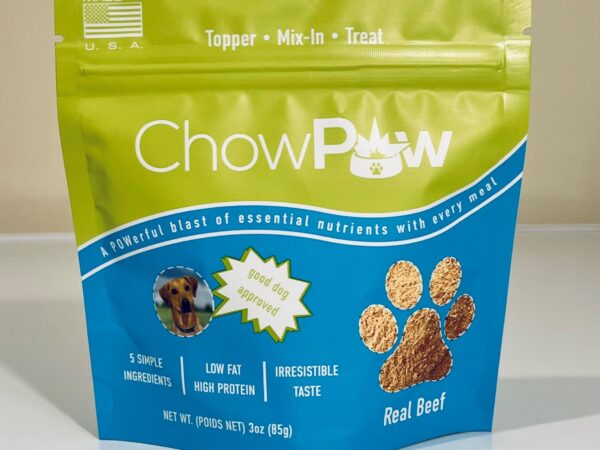 Dog Food Topper - Beef HeartOriginal price was: $14.99.$10.95Current price is: $10.95. - or subscribe and save up to 20%