
Best Food for Senior Dogs With Bad Teeth Uncovered
For a senior dog with a sore mouth, the best food is always going to be something soft, moist, and packed with nutrients that's easy to chew and digest. Think canned wet food, fresh meals, or even just regular kibble soaked in warm water. The whole point is to make mealtime comfortable again, ensuring they get all the nutrition they need without the pain.
Why Dental Health Is Critical for Your Senior Dog
When you look into your senior dog's sweet, graying face, it's easy to miss the signs of discomfort they might be hiding. For so many older dogs, dental pain becomes a quiet, daily struggle—kind of like a person trying to ignore a nagging toothache they can't quite explain. Understanding this is the first real step to finding the right food for them.
As our dogs get older, their bodies change, and their teeth are no exception. All those years of chewing, combined with the slow buildup of plaque, make them prime candidates for dental problems. And this is about so much more than just "doggy breath." It's about their overall quality of life.
From Plaque to Pain: How It Happens
It all starts with plaque, that sticky film of bacteria that builds up on their teeth. If it isn't brushed away, it hardens into tartar, which irritates the gums and causes inflammation (gingivitis). From there, it can spiral into a much more serious condition known as periodontal disease.
Periodontal disease isn't just about sore gums. It’s a nasty infection that actively destroys the tissues, ligaments, and bone that hold the teeth in place. For a senior dog, this means loose teeth, painful abscesses, and chronic discomfort that turns every meal into an ordeal.
The numbers here are pretty shocking. Did you know that a staggering 80% of dogs over three years old are affected by periodontal disease? It's the most common health problem they face, and it hits senior dogs the hardest, often leading to tooth loss and severe pain. It's not just a mouth problem, either; dogs with advanced periodontitis are 2.3 times more likely to develop chronic kidney disease.
The Hidden Dangers of a Sore Mouth
The trouble doesn't just stay in the mouth. Bacteria from infected gums can sneak into the bloodstream and travel throughout the body, causing real damage to vital organs. It's why your vet is so serious about dental checkups—oral health is a window into your dog's overall wellness.
This connection is well-established and shows why clean teeth are about more than just a fresh smile:
- Heart Health: Nasty oral bacteria can latch onto heart valves, leading to a dangerous condition called endocarditis.
- Kidney and Liver Function: These organs are the body's filters. A constant stream of bacteria from the mouth puts them under serious strain, which can lead to damage over time.
- Weakened Immune System: When a dog's body is constantly fighting off an oral infection, it has fewer resources left to tackle other illnesses.
Catching the signs of dental pain is key. You might notice your dog dropping food, chewing on just one side of their mouth, or seeming hesitant to eat at all. These are subtle cries for help. To get a better sense of what they might be feeling, you can read about human strategies for sensitive teeth pain relief. Of course, prevention is always the best medicine, and our guide to keeping your dog's teeth clean offers some great, practical tips for at-home care.
Understanding What Your Older Dog Needs Nutritionally
As our dogs head into their golden years, what they need from their food starts to change, just like it does for us. Throw in some dental pain, and suddenly mealtime gets a lot more complicated. It’s not just about finding something soft anymore; it’s about packing those easy-to-chew meals with the right kind of fuel to support an aging body.
Think of your senior dog as a veteran athlete. They might not be sprinting around the park like they used to, but their body still requires premium fuel to maintain muscle, keep their joints moving, and stay healthy. Their metabolism is slowing down, they can start losing muscle mass, and their digestive system sometimes gets a little more sensitive.
High-Quality Protein is Non-Negotiable
One of the biggest shifts for a senior dog's diet is a serious focus on high-quality, easily digestible protein. Protein is absolutely essential for maintaining the lean muscle mass they need for mobility and strength. As dogs get older, they can experience muscle wasting (a condition called sarcopenia), which makes getting enough quality protein more critical than ever.
But here’s the thing: not all protein is created equal. An older dog’s system, especially their kidneys, does much better with protein from lean, whole-food sources like chicken, beef, or fish. These are way easier for their bodies to break down and use effectively, giving them all the benefits without putting extra strain on their organs. The goal is to keep them strong enough to enjoy their daily strolls and playtime.
Good nutrition for a senior dog isn't about feeding them less; it's about feeding them smarter. Every single ingredient should have a job, whether it's supporting their muscles, soothing their joints, or helping their digestion. This approach helps them age with comfort and grace.
Supporting Joints and Digestion
Beyond just maintaining muscle, a senior dog’s diet needs to tackle other common age-related hurdles. Joint stiffness is a big one, which is why so many foods designed for seniors include nutrients specifically for joint health.
Here are a few key players that can make a real difference for your older pup:
- Glucosamine and Chondroitin: These are the building blocks of healthy cartilage. They help cushion the joints and can ease the discomfort that often comes with arthritis.
- Omega-3 Fatty Acids: Usually found in fish oil, these are powerful anti-inflammatories. They can help reduce joint inflammation and are also great for brain health, keeping their minds sharp as a tack.
- Easily Digestible Carbohydrates: Gentle energy sources like sweet potatoes or pumpkin are kind to a senior’s digestive tract. Plus, they provide the fiber needed to keep everything moving along smoothly.
Getting familiar with the physical and dietary shifts your dog is going through is a huge part of being a great pet parent. Learning more about the common signs of aging in dogs can help you get ahead of their changing needs and make proactive adjustments to their diet and routine.
Ultimately, finding the best food for senior dogs with bad teeth means looking beyond just the soft texture. You need to find a food with a nutrient profile built for their specific life stage—one that’s rich in high-quality protein, packed with joint-supporting nutrients, and full of gentle fibers. This combination gives them the complete support they need to feel their best, making mealtime a source of health and comfort, not pain.
Choosing the Right Food Texture for a Sensitive Mouth
When your dog's mouth is sore, the texture of their food becomes everything. That hard, crunchy kibble they once loved can suddenly feel like chewing on rocks. This is why picking the best food for senior dogs with bad teeth often boils down to one simple thing: finding a consistency that’s gentle and easy for them to eat.
For many of us, this means looking beyond the usual bag of dry food. The goal is to make mealtime a relief again—not a painful chore. By choosing a texture that soothes their sensitive gums, you can help them eat comfortably and without pain.
Comparing Soft Food Options
There are several great choices when it comes to soft foods, and each one has its own set of perks. What works best for your dog will really depend on their specific needs, your daily routine, and your budget.
Here’s a quick rundown of the most common options:
- Canned Wet Food: This is usually the go-to for dogs with dental pain. It’s soft, has a high moisture content (which is great for hydration), and is typically very aromatic, making it a big hit with picky eaters.
- Fresh or Refrigerated Meals: These meals are made with whole-food ingredients and are gently cooked, offering a soft texture and fantastic nutritional value. They're a premium option that can be especially good for sensitive stomachs.
- DIY Softened Kibble: If your dog still loves the taste of their kibble, simply moistening it can be the perfect fix. This lets you stick with their current food while making it much easier for them to chew.
To help you decide, here’s a quick comparison of the options:
Comparing Soft Food Options for Senior Dogs
This table helps you quickly compare the benefits and potential drawbacks of different soft food types for your senior dog.
| Food Type | Best For | Potential Considerations |
|---|---|---|
| Canned Wet Food | Dogs needing extra hydration; picky eaters who love strong aromas. | Can be more expensive; may need refrigeration after opening. |
| Fresh/Refrigerated | Dogs with sensitive stomachs; owners prioritizing whole-food ingredients. | Premium price point; requires refrigerator/freezer space and consistent prep. |
| DIY Softened Kibble | Budget-conscious owners; dogs who are happy with their current food. | Takes a few minutes to prepare; can become mushy if soaked too long. |
This table should give you a clearer picture of which path might be best for you and your furry friend.
Dental pain is an incredibly common challenge for older pets. In fact, a recent report found that a staggering 90% of senior pets in Europe are dealing with some form of dental disease. This really drives home why a soft food texture is often a necessity, not just a preference. For tiny seniors with delicate jaws prone to fractures, a gentle meal is absolutely crucial for their safety and comfort.
How to Perfectly Moisten Kibble
Softening your dog's kibble is a simple and budget-friendly way to offer them some relief. But there’s a right way to do it so you end up with an appetizing meal, not just a soggy, bland mush. The secret is to add warmth and flavor.
Simply adding warm water or—even better—a low-sodium bone broth can completely transform the meal. Let the kibble soak for about 10 to 15 minutes until it reaches a soft, mash-like consistency that’s easy for your dog to manage.
This simple trick not only makes the food easier to eat, but the warmth also helps release the food's aroma, which can be a game-changer for tempting a reluctant senior's appetite. For a complete guide on different methods, check out our article on how to soften dry dog food.
The infographic below outlines the key nutritional pillars you should focus on when choosing any food for your senior, regardless of its texture.
As you can see, a senior dog’s diet needs to prioritize high-quality protein for muscle support, targeted nutrients for their joints and organs, and ingredients that are easy on their digestive system.
The Role of Meal Enhancements like ChowPow
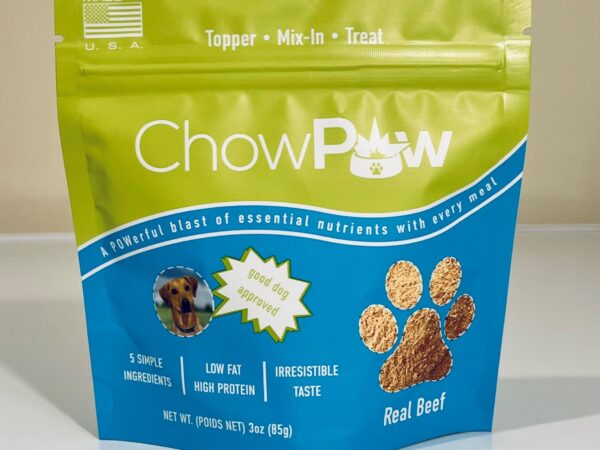
While moistening kibble is great for solving the texture problem, it doesn't add any extra nutritional value. This is where a meal enhancement like ChowPow can really shine. Think of it not as a replacement for their food, but as a powerful booster designed to elevate it.
When you mix a scoop of ChowPow powder with a little warm water, it creates a savory, nutrient-packed gravy. Pouring this over their softened kibble accomplishes two very important things:
- It adds an irresistible flavor and aroma from real beef heart, which can entice even the pickiest, most pain-averse dog to eat.
- It boosts the meal's nutritional profile with high-quality protein and essential vitamins, helping to fill in any gaps and support their overall health.
This approach gives you the best of both worlds. Your dog gets the familiar food they love in a soft, easy-to-eat form, but it’s supercharged with the flavor and nutrients they truly need to thrive in their golden years.
How Meal Toppers Can Transform Your Dog's Kibble
Let's face it, many senior dogs are creatures of habit. They've likely spent years crunching away on the same kibble, and making a sudden, dramatic food change can really throw their system for a loop. But what do you do when bad teeth make that familiar crunch painful? This is where a good meal enhancer becomes your secret weapon.
Instead of a complete dietary overhaul, you can simply upgrade what they're already eating. A high-quality meal topper acts as a bridge, letting your dog keep the food they know while making it softer, way more appealing, and packed with the extra nutrition their aging body needs. It’s the perfect way to provide comfort without risking digestive upset.
More Than Just a Sprinkle of Flavor
Think of a meal topper as much more than just a tasty seasoning. When you choose the right one, it’s a nutritional powerhouse that tackles the biggest hurdles a senior dog with a sore mouth faces. A premium topper can turn a standard bowl of kibble into the best food for senior dogs with bad teeth by hitting three key issues at once.
The best meal enhancers offer a triple-threat solution:
- Softens Food for Easy Chewing: A powder-based topper like ChowPow is made to be mixed with warm water. This creates a savory gravy that doesn't just add incredible flavor—it also naturally softens hard kibble, making it much gentler on sore gums and sensitive teeth.
- Boosts Appetite with a Rich Aroma: As dogs get older, their sense of smell can start to fade, making their food seem less exciting. Toppers made with highly aromatic ingredients, like the beef heart in ChowPow, can reignite their interest in eating. This is a game-changer when pain is suppressing their appetite.
- Adds a Concentrated Nutrient Kick: A good topper is a supplement, not just a treat. It adds a concentrated dose of high-quality protein and essential vitamins right into their existing food, helping to support muscle maintenance and overall wellness.
This approach lets you enhance their current diet instead of completely replacing it, guaranteeing a smooth and beneficial transition for your old friend.
The ChowPow Difference: A Simple Boost for Better Meals
When you're looking at toppers, simple ingredients are usually a sign of real quality. ChowPow is made from just a few locally sourced ingredients—beef heart, carrots, celery, and a touch of apple cider vinegar. These whole foods are gently dehydrated into a fine powder that unlocks their full potential the moment you add water.
Think of it this way: you’re not just adding powder to their bowl. You’re rehydrating real, wholesome food to create a fresh, nutrient-rich gravy that infuses every single piece of kibble with flavor and nutrition. It's a simple step that makes a world of difference.
This process is exactly what makes ChowPow an ideal meal enhancement, not a replacement. It’s designed to work with your dog’s current food, boosting its value and making it much more palatable. For a senior dog struggling with dental pain, this means every meal becomes easier to eat, more exciting, and more beneficial for their health.
By adding a savory, easy-to-eat gravy, you ensure they’re not just going through the motions at mealtime—they’re getting the targeted support they need to feel their best, one delicious bowl at a time. It’s a small change to their routine that can deliver a huge improvement in their quality of life.
Whip Up Some Soothing Homemade Meals
Sometimes, the best way to show a little extra love is by preparing a homemade meal. When your senior dog is dealing with a sore mouth, a simple, soft recipe can be a game-changer, offering both comfort and top-notch nutrition. The best part? You don't need to be a professional chef—you can often use ingredients you already have on hand.
These recipes are all about being gentle. They're easy on a sensitive mouth and just as easy for an older dog's digestive system to process. By sticking to simple, whole foods, you can give them a delicious meal that soothes their gums and supports their overall health, making mealtime something they look forward to again.
Gentle Chicken and Sweet Potato Puree
This recipe is a classic for good reason. It’s the perfect blend of high-quality lean protein and a gentle, fiber-rich carb, mashed into a flavorful meal that's perfect for dogs with tender teeth.
Ingredients:
- One boneless, skinless chicken breast, boiled and shredded
- One medium sweet potato, baked or boiled until very soft
- A few tablespoons of warm, low-sodium chicken broth or water
Instructions:
- Cook the chicken all the way through until you can easily pull it apart with a fork.
- In a separate bowl, mash the soft sweet potato.
- Combine the shredded chicken and mashed sweet potato.
- Slowly stir in the warm broth or water until you get a smooth, puree-like texture.
This simple dish serves up easily digestible protein to keep their muscles strong and gets a boost of beta-carotene from the sweet potato for immune support.
The Perfect Finishing Touch with ChowPow
While homemade meals are fantastic, they don't always hit every single nutritional mark on their own. That’s where a high-quality meal enhancer like ChowPow comes in. Think of it as a nutritional booster, not a meal replacement.
Important Disclaimer: Always have a chat with your vet before making big changes to your dog's diet, including adding homemade meals. They can give you the green light and make sure the recipes meet your senior dog’s specific health needs.
Just a sprinkle of ChowPow over this homemade puree adds a serious nutritional kick. It’s made from dehydrated beef heart, carrots, and celery, so it mixes right in and adds:
- An extra layer of rich, savory flavor that even the pickiest eaters can't resist.
- A concentrated source of high-quality protein and essential amino acids.
- Vitamins and minerals to fill in any nutritional gaps the homemade recipe might have.
Using ChowPow as a supplement gives you confidence that their comforting meal is also nutritionally complete. It’s a simple way to ensure the best food for your senior dog with bad teeth is both soothing and incredibly healthy, giving them everything they need to feel their absolute best.
Knowing When to See a Vet for Dental Issues
While switching up your dog's diet brings a ton of relief, it's really a comfort measure, not a cure. Soft foods and nutritious supplements like ChowPow can make mealtime a joy again, but they don't fix the underlying dental problems causing all that pain in the first place.
Figuring out what you can handle at home versus what needs a professional is absolutely key to your senior dog's long-term health.
Think of it this way: giving your dog soft food is like taking a pain reliever for a nasty toothache. It helps you manage the misery, but it does nothing to fix the cavity. For a real fix, you need a dentist. It's the exact same for your dog—your veterinarian is the expert who can get to the root of the problem.
Critical Red Flags That Demand a Vet Visit
Sometimes the signs of dental trouble are subtle, but other times they're screaming for attention. If you spot any of the following symptoms, it's time to get a vet appointment on the books right away. These are often signs of advanced dental disease that needs immediate medical care.
Don't wait if you see:
- Visible Loose or Broken Teeth: This is a dead giveaway for significant decay or even bone loss.
- Bleeding, Red, or Swollen Gums: Healthy gums are pink. Any redness or swelling points to painful inflammation or infection.
- A Sudden Refusal to Eat Anything: A little pickiness is one thing, but a total hunger strike often means the pain is just too intense.
- Pawing at the Mouth or Face: This is a classic "it hurts right here!" signal from your dog.
- Foul Breath That Is Unusually Strong: We all know about "dog breath," but a truly rotten smell can mean a severe infection is brewing.
These symptoms are way beyond what even the best food for senior dogs with bad teeth can fix on its own. They're your dog's way of telling you they need a professional.
Your veterinarian is your partner in your dog's health. A dental exam isn't just a cleaning; it’s a thorough investigation into your dog’s oral health to find and treat hidden pain before it becomes a bigger problem.
What to Expect During a Dental Exam
The idea of a dental procedure for your dog can be nerve-wracking, but knowing what's involved can ease your mind. Your vet will do a full exam, which usually requires anesthesia. This is the only way they can safely and properly check every single tooth, especially below the gumline—where most of the trouble hides.
During the visit, they might do a professional scaling to get rid of hardened tartar, polish the teeth to smooth them out, and take dental X-rays to look for abscesses or bone loss. If a tooth is just too far gone, an extraction might be needed to get rid of the source of pain for good.
These steps are absolutely crucial for stopping dental disease in its tracks and getting your dog back to feeling comfortable.
Got Questions? We've Got Answers
When you're caring for an older dog with a sensitive mouth, a lot of questions can pop up. It's totally normal. Here are some of the most common things people ask, with straightforward answers to help you and your furry old friend.
Can I Just Add Water to My Senior Dog's Kibble?
Absolutely. Soaking their regular kibble in warm water or a low-sodium broth is a fantastic starting point. Just let it sit for 10-15 minutes until it gets nice and mushy, making it much easier for a sore mouth to handle.
But that only solves the texture problem. The real trick to creating the best meal for a senior dog with bad teeth is boosting the nutrition and making it irresistible. When you mix in a nutrient-packed supplement like ChowPow, that warm water instantly becomes a savory, vitamin-rich gravy that tempts even the fussiest eaters and supports their overall health.
Is Wet Food Always Better Than Dry Food for Seniors?
Not always, no. While canned food is soft and hydrating, many older dogs have spent their entire lives eating kibble. A sudden, complete switch to something new can sometimes lead to an upset stomach—and that's the last thing your senior needs.
The "best" food really comes down to your dog's specific health, how bad their teeth are, and what they actually like. Often, a happy medium is the perfect solution. You can moisten the kibble they already know and love, then kick up the nutrition with a quality meal supplement. It’s the perfect blend of familiar comfort and easy-to-eat goodness.
How Do I Get My Picky Senior to Eat When Their Mouth Hurts?
When a dog's mouth hurts, you have to appeal to their sense of smell. Gently warming up their food is a great first step, as it releases more aroma and makes the meal much more enticing. This is where a really delicious meal enhancement can be a total game-changer.
To get a reluctant dog to eat, you have to make their food simply irresistible. A topper made with savory, aromatic ingredients like beef heart is designed to grab their attention and get them eating, ensuring they receive the crucial nutrients they need.
That's exactly what ChowPow was made for. It mixes right into any softened or homemade meal, adding a rich, meaty flavor that can overcome their hesitation. It helps turn mealtime from a struggle back into a happy, comfortable part of their day.
Ready to make mealtime easier and more delicious for your senior dog? Give ChowPow a try and see the difference our nutrient-rich meal enhancer can make. Learn more over at https://chowpownow.com.
-
Product on sale
 Dog Food Topper - Beef HeartOriginal price was: $14.99.$10.95Current price is: $10.95. - or subscribe and save up to 20%