Hydration Tips: The Best Way to Hydrate a Dog for a Healthy, Happy Pup
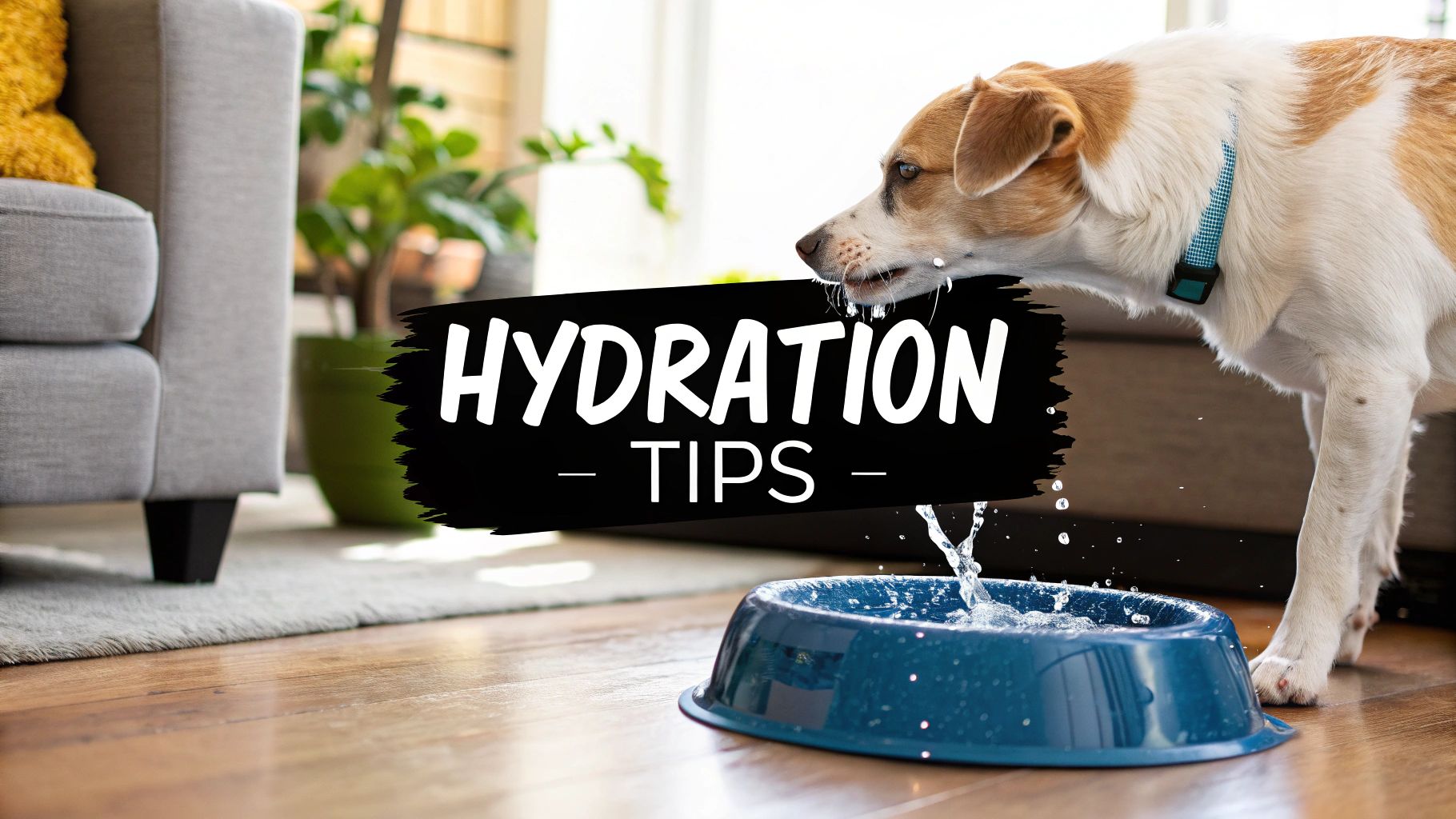
The best way to hydrate a dog isn't just about keeping the water bowl full—it's about ensuring they have constant access to fresh, clean water and supplementing their diet with moisture-rich options. This often means getting a little creative, especially with picky drinkers.
Sometimes, all it takes is a simple trick, like turning plain water into a flavorful broth they can't resist.
Why Your Dog's Hydration Matters More Than You Think
Water is the invisible force behind your dog's boundless energy and happy tail wags. Proper hydration is so much more than just quenching thirst; it’s a cornerstone of their overall health. Every single biological process, from absorbing nutrients in their gut to lubricating their joints for a game of fetch, depends on them getting enough water.
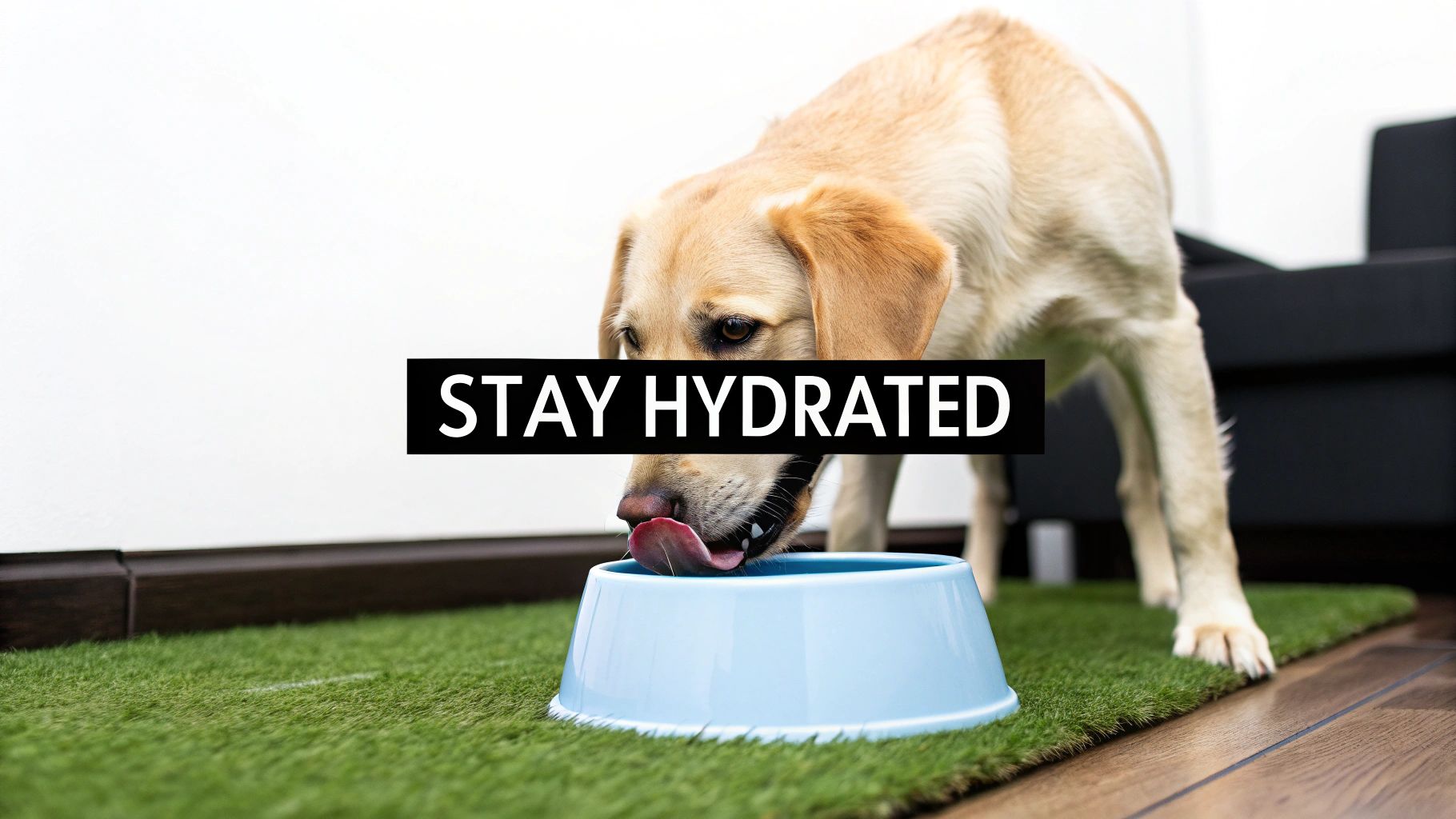
Think about how your dog acts after a long run at the park. That post-playtime fatigue isn't just from sprinting around; even mild dehydration can cause noticeable lethargy. This happens because water is critical for regulating body temperature and transporting oxygen to their muscles. Without enough of it, their body has to work much harder, leading to that familiar slowdown.
Moving Beyond the Basic Water Bowl
While a full bowl of fresh water is the foundation of good hydration, it’s not always enough on its own. Plenty of dogs, especially seniors or just plain picky eaters, simply don't drink enough throughout the day. This is where proactive hydration strategies become so important. The goal is to make hydration an effortless and appealing part of their daily routine, not a chore.
This guide will walk you through actionable, vet-approved methods to actively encourage your dog to drink more. We’ll cover everything from simple tweaks to their environment to powerful dietary boosts that can make a huge difference.
A good rule of thumb is that a dog needs about one ounce of water per pound of body weight each day. Keep in mind, this can increase significantly with activity and heat.
When you're planning fun outings like trips to the best dog beaches in Florida, remember that proper hydration becomes even more critical with all that extra activity and sun exposure.
One of the most effective strategies is to enhance what they're already eating and drinking. A high-quality meal enhancement like ChowPow can completely transform their routine. It's not a replacement for their regular food, but a powerful supplement. By mixing a scoop with water, you can create an irresistible, nutrient-rich broth that encourages drinking. Or, you can whip it into a savory gravy to pour over their kibble, adding vital moisture while boosting their meal's nutritional value.
How to Spot the Sneaky Signs of Dog Dehydration
Dehydration can creep up on a dog, often without any dramatic, obvious signs until things get serious. Learning to spot the subtle, early warnings is one of the most important things you can do for your pup's health.
Mastering a few simple at-home checks will empower you to act fast, long before it becomes an emergency. It’s all about knowing what’s normal for your dog versus what’s a red flag.
The most reliable trick of the trade is the skin elasticity test, sometimes called the "skin tent" test. Gently pinch a loose fold of skin on your dog's back, right between their shoulder blades. In a healthy, well-hydrated dog, that skin will snap right back into place almost instantly.
If the skin is slow to return or, worse, stays lifted in a little "tent," that’s a tell-tale sign your dog is dehydrated.
Next, check their gums. A hydrated dog's gums should be slick, wet, and a healthy pink color. Gently press a finger against the gum tissue; the spot will turn white for a second but should bounce back to pink in under two seconds. If their gums feel tacky, sticky, or dry, they definitely need more fluids.
Checking for Mild to Moderate Symptoms
As dehydration gets worse, the signs become more obvious. It’s incredibly helpful to know what to look for at each stage so you can assess the situation accurately. Mild signs are easy to miss, but they're your first clue to step in.
- Lethargy: Is your usually playful pup suddenly more interested in napping? A sudden drop in energy is often one of the first things owners notice.
- Dry Nose: A dry nose alone isn't always a cause for alarm, but if it's persistently dry or cracked and you see other symptoms, pay attention.
- Thick Saliva: If your dog's drool seems thicker or more ropey than usual, it’s often because there isn't enough moisture to thin it out.
- Sunken Eyes: In more moderate cases, you might notice your dog's eyes look a bit dull or seem to be sunken slightly into their sockets.
Key Takeaway: Catching it early is everything. A dog with mildly tacky gums can often be rehydrated at home with some simple steps. But moderate signs like sunken eyes mean you need to act more urgently.
To help you quickly gauge where your dog might be on the spectrum, here's a quick reference chart.
Dehydration Symptoms Severity Chart
This chart breaks down common symptoms by severity level, helping you decide on the best course of action.
| Symptom | Mild Dehydration | Moderate Dehydration | Severe Dehydration (Vet Visit Required) |
|---|---|---|---|
| Gums | Slightly tacky or sticky | Dry, tacky, pale | Very dry, pale, or greyish |
| Skin Tent Test | Skin returns slowly (2-3 seconds) | Skin "tents" and returns very slowly | Skin stays tented and does not return |
| Energy Level | A bit tired, less playful | Lethargic, reluctant to move | Extremely weak, wobbly, or collapses |
| Eyes | Normal | Appear slightly sunken, dull | Deeply sunken, very dull |
| Heart Rate | Normal or slightly elevated | Rapid or thready pulse | Very rapid or irregular heartbeat |
Remember, this chart is a guide. When in doubt, it is always safest to contact your veterinarian.
When Dehydration Becomes an Emergency
Severe dehydration is a true medical crisis and requires an immediate trip to the vet or an animal emergency hospital. Do not wait if you see these critical signs.
- Extreme Weakness or Collapse: Your dog is unable to stand, is incredibly wobbly, or seems disoriented.
- Rapid Heart Rate: You can feel their heart beating alarmingly fast when you place a hand on their chest.
- Prolonged Skin Tent: The skin stays lifted for several seconds after you pinch it, or it doesn't go down at all.
Recognizing these symptoms is part of understanding the best way to hydrate a dog—because sometimes, the only right answer is getting professional help.
Pups who are picky, seniors, or those recovering from an illness often have a tough time drinking enough, which can lead to 10-15% higher vet visits for dehydration-related issues. This is where a little innovation in pet nutrition can make a huge difference.
Dehydrated nutrient toppers, like our ChowPow, are changing the game by turning plain water into a savory, irresistible drink. This trend lines up with the booming dehydrated pet food market, which grew from USD 8.6 billion in 2023 and is projected to hit USD 14.1 billion by 2033. You can dig into more data on this growing market by visiting Spherical Insights.
Creative Ways to Encourage Your Dog to Drink More
Let's face it, sometimes a full water bowl just isn't enough to tempt a picky or reluctant drinker. If your dog consistently turns their nose up at their water, it’s time to think outside the bowl and find a more appealing way to deliver the hydration they need. Often, the best way to hydrate a dog involves making drinking a more interesting, flavorful experience.
Simple changes to their environment can make a surprising difference. Many dogs are instinctively drawn to moving water because it signals freshness and purity. A pet water fountain can be a fantastic investment; the constant circulation and gentle bubbling sound can encourage more frequent sips throughout the day.
Another easy tactic is to place multiple, fresh water bowls in different spots around your home. Try putting one in the kitchen, one in the living room, and another near their bed. This gives them convenient opportunities to drink whenever the mood strikes, rather than making it a chore.
Make Their Water Irresistible
The real game-changer for a stubborn drinker is jazzing up the water itself. Plain water can be boring, but a savory, meaty broth is often too good to pass up. This is where a high-quality meal enhancement can work wonders, not just on their food, but in their water bowl, too.
This quick flowchart can help you decide what to do next based on your dog's physical signs.
As you can see, a few simple physical checks can quickly tell you whether you need to offer some enhanced water at home or if it's time to call the vet.
One of the most effective methods is to mix a scoop of ChowPow directly into a bowl of water. Because it's made from dehydrated beef heart, it dissolves to create a nutrient-rich, meaty broth that most dogs find absolutely delicious. This simple step transforms their water from a basic necessity into a special treat, ensuring they get the fluids they need along with some extra vitamins and minerals.
Remember, ChowPow is a supplement designed to boost the nutritional value of their current routine. It enhances their kibble and water—it's not a meal replacement.
This approach is especially helpful for senior dogs who might have a diminished thirst drive or for dogs recovering from illness who need that extra nudge to stay hydrated.
More Fun Hydration Hacks
Beyond creating a tasty broth, there are several other creative ways to sneak more water into your dog's day. Variety can keep things interesting and even turn hydration into a fun activity.
- Offer Ice Cubes: On a warm day, many dogs love crunching on ice cubes. It's a fun, cooling treat that adds a little water with each bite. For an upgrade, try freezing some dog-safe bone broth in ice cube trays.
- Add Broth to Their Bowl: A splash of low-sodium, dog-safe bone broth, chicken broth, or beef broth can make their regular water much more appealing. Just be sure to check the label for things like onions, garlic, or excessive salt.
- Use Hydrating Treats: Fruits and veggies with high water content, like seedless watermelon or cucumber, make excellent hydrating snacks in moderation.
Ultimately, you'll have to experiment a bit to see what your dog prefers. Don't be afraid to try a few different things to see what works. For more ideas and detailed guidance, you can also check out our article on how to encourage a dog to drink water. The goal is to make staying hydrated easy, accessible, and enjoyable for your best friend.
Boosting Hydration Through Your Dog's Diet
A full water bowl is essential, but it's only half the hydration story. What your dog eats plays a massive role in their daily water intake, and honestly, leveraging their meals is often the easiest way to hydrate a dog—especially a picky one.
Dry kibble is a super convenient choice for most of us, but by its very nature, it contains very little moisture. We're talking around 10%. On the other hand, wet or canned food can have a moisture content of 70-80%, making it an incredible source of hydration. That's a huge difference, and it means a kibble-fed dog has to drink a lot more water just to stay even.
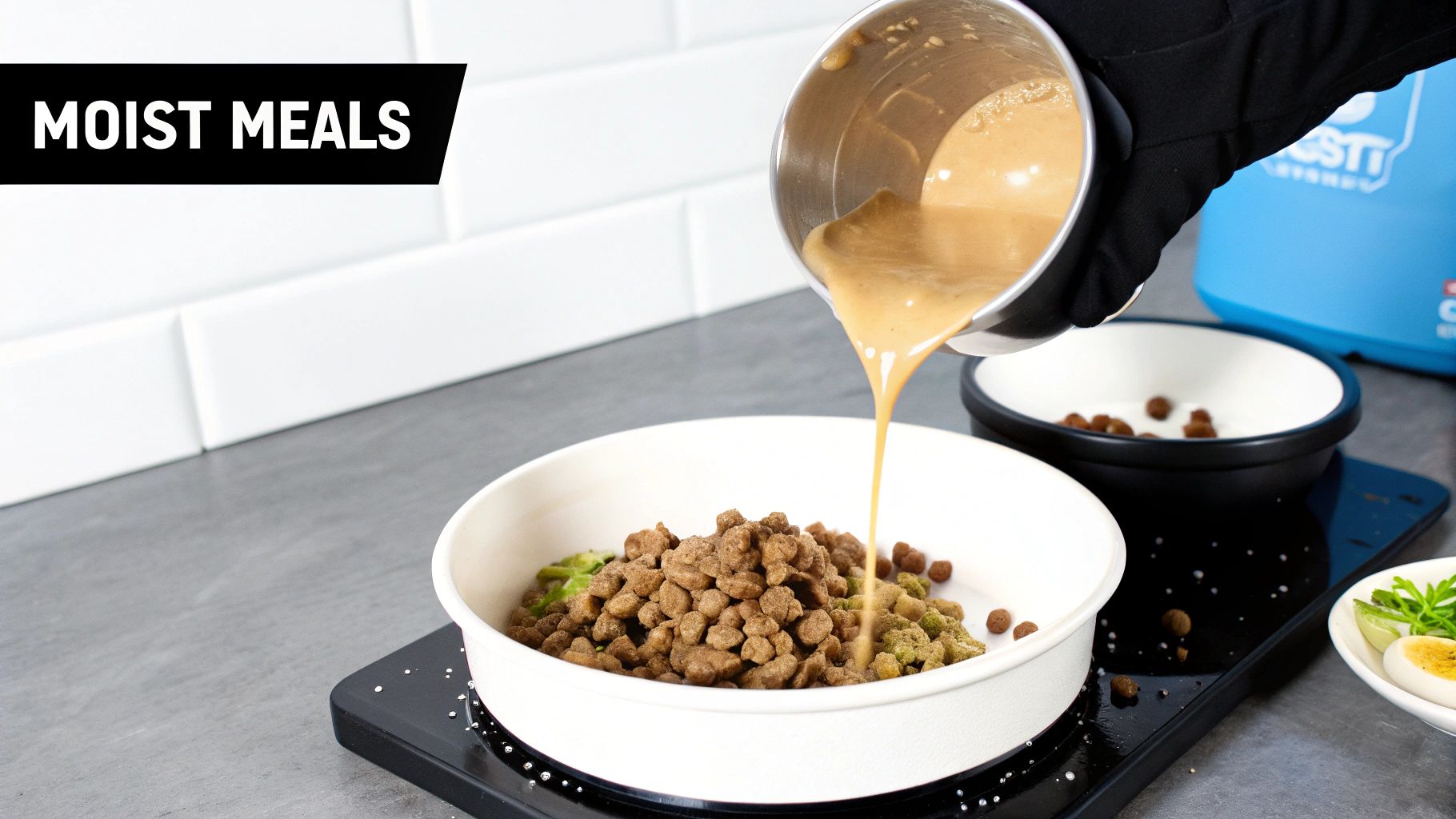
Bridging the Hydration Gap with Meal Toppers
You don't have to completely overhaul your dog's diet to get the benefits of food-based hydration. This is where a high-quality meal enhancement can make all the difference, acting as a perfect bridge between the convenience of kibble and the moisture of wet food.
This is exactly where ChowPow shines. It isn't a replacement for their food; it's a supplement designed to boost the nutritional value and, importantly, the moisture content of your dog's current kibble. By simply mixing a scoop of ChowPow with a little water, you create a rich, savory gravy that turns dry, boring kibble into a moist, delicious meal.
This simple step adds vital hydration directly into their food, ensuring they get more water with every single bite. It also amps up the flavor, which is a massive win for picky eaters who might otherwise turn their nose up at dinner.
Dehydration is more common than many owners realize, and using nutrient-packed powders to make food and water more appealing is one of the smartest ways to combat it. The global market for hydration powders for dogs hit USD 452 million in 2024, while the larger dehydrated pet food market—which includes toppers like ChowPow—is projected to reach USD 14.7 billion by 2033. Standard kibble can leave dogs under-hydrated, but toppers rehydrate beautifully, boosting flavor and appeal significantly. You can find more insights on the growing hydration powder market at Dataintelo.
Why a Meal Enhancement Works So Well
Adding a topper like ChowPow does more than just add water; it completely transforms the mealtime experience.
- Increases Palatability: The rich, meaty aroma from the beef heart base stimulates a dog's appetite, encouraging even the fussiest pups to clean their bowls.
- Boosts Nutrition: You're not just adding water. You're adding high-quality protein, essential amino acids, and vitamins from whole-food ingredients.
- Supports Digestion: That extra moisture helps kibble move more easily through the digestive tract, which can aid in nutrient absorption and prevent issues like constipation.
Pro Tip: Start by mixing in just enough water to create a thick gravy. You can gradually add more as your dog gets used to it, adjusting the consistency to find what your pup loves most.
Using a meal enhancer is a practical, effective strategy that boosts their diet without requiring a complete and costly switch. For a deeper dive into how toppers can solve hydration challenges, check out our guide on quenching their thirst with dog food toppers.
Helping Special Needs Dogs Stay Hydrated
Some dogs are just plain tricky when it comes to hydration. Whether you've got a senior, a picky eater, or a pup recovering from an illness, getting them to drink enough water can feel like a constant battle. The standard "just put out a fresh bowl of water" advice doesn't always cut it.
Take senior dogs, for example. It's common for their thirst drive to decrease as they get older. They simply don't feel the urge to drink as often, even when their body is crying out for fluids. This can be a real risk, especially since older dogs are more prone to kidney issues where good hydration is absolutely non-negotiable.
Then you have the fussy eaters. This isn't a health issue so much as a personality quirk. They might be perfectly healthy but turn their nose up at plain water out of sheer preference. For these dogs, you have to make water more interesting.
Tailoring Your Hydration Strategy
The key is to think about why your dog isn't drinking and then come up with a targeted plan. For that senior dog with a low thirst drive, adding a splash of something flavorful can suddenly make their water bowl interesting again, encouraging them to sip throughout the day.
For a picky pup, a delicious meal topper that you mix with water can be a game-changer. It transforms a boring daily necessity into a much-anticipated treat, getting fluids into them without a fight.
- Senior Dogs: A diminished sense of thirst is the main hurdle. A savory broth or a flavor enhancer can make drinking appealing again.
- Picky Eaters: For them, it's all about taste. A boring bowl of water is a no-go, but a meaty-tasting drink is often impossible to resist.
- Recovering Dogs: After surgery or an illness, hydration is absolutely vital for healing. Nutrient-rich fluids can support their recovery, especially when their appetite is low.
Key Takeaway: It's not just about forcing them to drink; it's about making hydration easy, appealing, and even enjoyable. A simple enhancement can turn basic water into a powerful tool for their health.
A Powerful Trick for Encouraging a Drink
This is where electrolyte-packed powders can be a lifesaver, especially for dogs after a long play session or during recovery. A medium-sized dog can lose up to 2-4% of its body water in just an hour of activity. The right supplement helps restore that balance much faster than plain water alone.
ChowPow is a great fit here. Its beef heart base provides not just incredible flavor but also essential amino acids and natural minerals. I've seen it work wonders—when mixed into water, it can encourage 20-30% more intake for finicky dogs. For post-surgery pups, that extra hydration can improve recovery by 25-40%, according to veterinary insights. You can find more data on the benefits of electrolyte supplements for pets on Market Report Analytics.
Hydration is especially critical for sick dogs, as it helps flush out toxins and deliver the nutrients they need to heal. We have a full guide with more tips on how to hydrate a sick dog. Sometimes, a warm, nutrient-dense broth made with a quality supplement is just the thing they need to get back on their paws.
When You Should Call the Vet About Dehydration
While at-home hydration tricks are fantastic tools to have in your back pocket, one of the most important parts of being a responsible dog owner is knowing your limits. Sometimes, the best way to rehydrate a dog is to let a professional take over.
Trust your gut on this one. You know your dog better than anyone. A little sluggishness after a long day at the park is one thing, but if your dog seems to be getting worse despite your best efforts, or if they flat-out refuse to drink for more than a day, it’s time to call the vet. Any sudden, dramatic change from their normal self is a major red flag.
Red Flags That Require a Vet Immediately
Some symptoms are simply non-negotiable. If you see any of these, don't wait to see if things improve—get to a vet right away.
- Extreme Weakness or Collapse: This is a big one. If your dog can't stand, is incredibly wobbly on their feet, or seems disoriented and confused, it's a sign of severe dehydration that's likely affecting their brain and muscle function.
- Persistent Vomiting or Diarrhea: A dog that can't keep water down is on a fast track to serious dehydration. If your dog has ongoing vomiting or bouts of dog diarrhea, they're losing fluids faster than you can replace them at home. Professional intervention is crucial.
- Signs of Shock: Check their gums. If they're pale or even white, that's a serious warning sign. Other signs of shock include a rapid but weak pulse and cold paws or ears. This is a life-threatening emergency that often goes hand-in-hand with severe dehydration.
What to Expect at the Vet’s Office
Knowing what will happen at the clinic can help ease some of the stress. For a moderately to severely dehydrated dog, your vet's first priority will be to administer fluids to get their system back in balance quickly and safely.
The most common treatment is subcutaneous (sub-Q) fluids. Your vet will inject a sterile fluid solution right under the skin, usually between the shoulder blades. It creates a little fluid "bubble" that the body absorbs over the next several hours, providing a slow, steady source of rehydration. For more critical cases, they'll likely use an intravenous (IV) drip to deliver fluids directly into the bloodstream for a much faster effect.
Your vet will also get to work figuring out why your dog became dehydrated in the first place—whether it’s an underlying illness, heatstroke, or something else entirely. Being ready to act fast and get professional help when needed is the best thing you can do for your companion.
Common Dog Hydration Questions Answered
Even the most attentive dog owners run into questions now and then about hydration. Having a few quick, reliable answers in your back pocket can make all the difference for your dog's health and happiness. Let's tackle some of the most common ones.
How Much Water Should My Dog Drink Every Day?
The classic rule of thumb is about one ounce of water for every pound of body weight per day. So, if you have a 40-pound dog, you’re looking at a target of roughly 40 ounces of water.
But honestly, that's just a starting point. A super active dog, a young puppy, or any dog spending time in the heat is going to need quite a bit more. The best approach? Just make sure a full, fresh bowl of water is always available and keep an eye on how much they're drinking.
Can I Use a Meal Topper Like ChowPow Every Day?
Absolutely! ChowPow is specifically designed for daily use. Mixing it into your dog's food or water each day is a fantastic way to consistently boost their meal's nutritional value while encouraging them to drink more.
It’s important to remember that it's a supplement to their main diet, not a replacement. Think of it as a daily power-up for their regular kibble, adding in extra moisture and vital nutrients.
Expert Tip: A daily meal enhancement can be a real game-changer for senior dogs, who often lose their strong sense of thirst, or for those notoriously picky eaters who need a little extra encouragement to clean their bowl.
Are Sports Drinks Safe for Hydrating a Dog?
That’s a hard no. You should never, ever give your dog a human sports drink like Gatorade or Powerade. These are formulated for people and are loaded with sugar, way too much sodium for a dog, and sometimes artificial sweeteners like xylitol, which is extremely toxic to dogs.
When it comes to hydration, always stick to fresh, clean water. If you want to add a little something extra for flavor and electrolytes, reach for something made just for dogs, like a pet-safe bone broth or a nutrient-rich topper.
Ready to turn every meal into a hydrating, delicious experience? With ChowPow, you’re not just feeding your dog—you’re boosting their health from the inside out. See the difference our all-natural, beef heart topper can make.
-
Product on sale
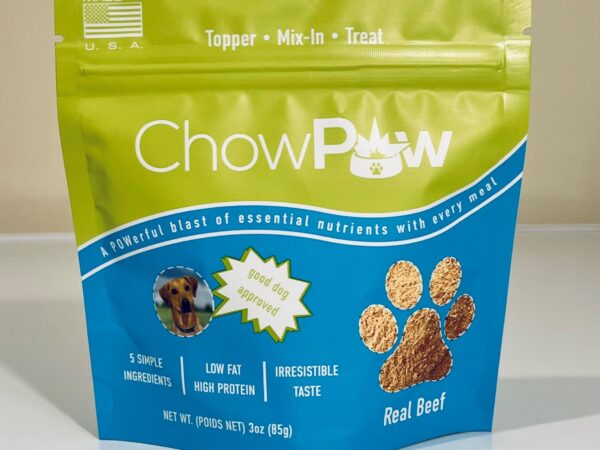 Dog Food Topper - Beef HeartOriginal price was: $14.99.$10.95Current price is: $10.95. - or subscribe and save up to 20%