
Finding the Best Wet Food for Dogs in 2026
The best wet food for your dog isn't just about mushy stuff in a can. It's about high-quality, whole-meat proteins, serious moisture content for hydration, and a rich, savory aroma that can tempt even the pickiest eater. The top-tier options always put real ingredients first, skipping the fillers, and are often built to support specific needs like a sensitive stomach or an aging dog's health.
Why Is Everyone Suddenly Talking About Wet Dog Food?
Walk down the pet food aisle these days, and you’ll notice a major shift. The mountain of kibble bags now shares space with a growing army of wet food options in cans, tubs, and pouches. This isn't just a fleeting trend; it’s a real change in how we think about feeding our dogs.
More than ever, we see our dogs as part of the family. This idea, often called "pet humanization," means we're looking for meals that go beyond basic nutrition. We want food that’s genuinely enjoyable for them and contributes to their long-term wellness. The global market is right there with us, with demand for premium, moisture-rich foods skyrocketing.

The Real-World Benefits Driving the Shift
So, what's behind the big appeal of wet food? It boils down to a few key advantages that tackle some of the most common health and behavioral quirks we see in our dogs.
- Superior Hydration: Let's be honest, most dogs don't drink enough water. Over time, that can put a strain on their kidneys and urinary tract. With a moisture content of around 75%, wet food is a fantastic way to sneak more water into their diet without them even knowing it.
- Irresistible to Fussy Eaters: The rich smell and soft texture are a game-changer for picky dogs. It’s also a lifesaver for older pups whose sense of smell isn't what it used to be.
- Gentle on Sensitive Mouths: Whether you have a senior dog, a tiny puppy, or a dog with dental issues, the soft consistency of wet food is just plain easier to chew than crunchy kibble. No contest.
This move toward better nutrition has fueled massive industry growth. In 2024, the wet pet food market hit USD 27.0 billion, and dog food accounted for nearly 60% of that. Experts predict it will keep climbing as more owners look for better options for their companions. You can dig into the numbers on this market growth on marketreportanalytics.com.
Choosing the right food is about more than just filling a bowl; it’s about providing a meal that actively supports your dog’s health, from proper hydration to digestive comfort.
A Modern Approach to Mealtime
While the benefits are clear, a 100% wet food diet isn't always practical. It can be expensive, and storage can be a hassle. This reality has opened the door for a flexible—and powerful—alternative: meal toppers and enhancers.
Meal enhancements like ChowPow are designed to give your dog's current kibble a serious nutritional boost, not replace it entirely. By simply adding a high-quality topper, you can introduce many of the perks of wet food—like better palatability and whole-food nutrients—without the full switch. It's a hybrid approach that makes their everyday meals healthier and a whole lot more exciting.
How to Read a Wet Dog Food Label Correctly
Walking down the pet food aisle can feel like a pop quiz you forgot to study for. With so many colorful cans and bold marketing claims all fighting for your attention, it's easy to get overwhelmed. But the real story isn't on the front—it's always on the back. Learning to decode a wet dog food label is the single most powerful skill you can have to make sure you're bringing home the best for your dog.
It all starts with ignoring the pretty pictures and zeroing in on the legally required info: the ingredient list and the guaranteed analysis. These sections give you the hard facts about what’s inside, helping you choose based on solid nutrition, not clever advertising.

Unpacking the Guaranteed Analysis
The guaranteed analysis panel tells you the minimum percentages of crude protein and fat, plus the maximums for crude fiber and moisture. At first glance, these numbers seem simple enough. But here’s the catch: the high moisture content in wet food, often around 78%, can make it tricky to compare directly with dry kibble.
To get a true sense of the nutritional value, you need to calculate the nutrient levels on a "dry matter basis." This simple step removes the water from the equation, revealing the real concentration of protein, fat, and other nutrients your dog is getting. It’s absolutely essential for accurately comparing different wet foods or seeing how they stack up against a dry food.
The AAFCO statement is your ultimate quality check. Look for phrases like "formulated to meet the nutritional levels established by the AAFCO Dog Food Nutrient Profiles" or mentions of "animal feeding tests." This is your proof that the food is complete and balanced for a specific life stage.
Decoding the Ingredient List
Ingredients are always listed by weight, with the heaviest ones first. For a top-tier wet food, you want to see a high-quality, named animal protein right at the top of that list.
- Be specific: "Chicken," "beef," or "lamb" are exactly what you want to see. Vague terms like "meat" or "animal protein"? That's a red flag.
- Know your proteins: Whole meats are fantastic, but don't discount "chicken meal." It's a concentrated protein source with the water removed, making it a very valuable and potent ingredient.
- Spot the fillers: Corn, wheat, and soy are often used as cheap fillers that don't add much nutritional value. Instead, look for wholesome carbs like sweet potatoes or peas if they're part of the recipe.
This shift toward scrutinizing labels has driven major growth in the wet food market, especially in North America. In fact, the U.S. segment was valued at a whopping USD 8.1 billion in 2024. Why? Because owners are reading labels more closely than ever. This trend has fueled a 28% jump in premium pet food spending since 2019, as people choose foods that support long-term health, like reducing kidney disease risk with better hydration.
To help you get started, here’s a quick-reference checklist for what to look for—and what to avoid—when you’re inspecting a wet food label.
Wet Food Label Checklist: What to Look For
| Nutritional Element | What to Look For | Why It Matters |
|---|---|---|
| First Ingredient | A specific, named animal protein (e.g., "Beef," "Salmon"). | This indicates the primary protein source is high-quality meat, not a vague or low-cost substitute. |
| Protein Source | Named meat meals ("Chicken Meal") and organ meats ("Beef Liver"). | Meat meals are concentrated protein, while organ meats are packed with essential vitamins and minerals. |
| Carbohydrates | Whole-food sources like sweet potatoes, peas, or carrots. | These provide valuable nutrients and fiber, unlike cheap fillers like corn, wheat, or soy. |
| Fats | Named animal fats ("Chicken Fat") or healthy oils ("Salmon Oil"). | Specific fat sources provide essential fatty acids for skin, coat, and overall health. Avoid generic "animal fat." |
| AAFCO Statement | A "complete and balanced" nutrition statement for a specific life stage. | This certifies the food meets established nutritional standards for puppies, adults, or all life stages. |
| Fillers & Binders | Minimal or no corn, wheat, soy, or artificial preservatives/colors. | These offer little nutritional value and can sometimes be allergens for sensitive dogs. |
Think of this table as your cheat sheet for the pet food aisle. It helps cut through the noise and focus on the components that truly matter for your dog's health.
Identifying Jargon and By-Products
The term "by-products" trips up a lot of dog owners. It doesn't sound very appealing, does it? But animal by-products are simply the clean, non-rendered parts of an animal besides the muscle meat, like the liver, spleen, and kidneys. To us, it sounds strange, but for dogs, these organ meats are incredibly nutrient-rich.
The key is to know the difference. High-quality, named by-products (like "chicken liver") are fantastic additions. On the other hand, vague "meat by-products" could come from anywhere and are often a sign of a lower-quality food. Understanding these little details can make you a much more confident shopper.
If you want to become a real pro at this, check out our deep-dive guide on how to read dog food labels for even more tips.
Wet Food vs. Dry Kibble: A Practical Comparison
The wet-versus-dry food debate is one of the oldest in the dog world. It’s easy to get bogged down in generic pro-and-con lists, but the right choice always circles back to your individual dog and your lifestyle. Instead of crowning one as universally “better,” let’s break down the real-world situations where each one truly shines.
The main difference between the two comes down to moisture and calorie density. Wet food is typically 75-80% water, which is fantastic for hydration but means it’s less dense in calories. Dry kibble is the opposite—it’s highly concentrated, packing more nutritional punch by weight, which comes with its own set of advantages.
When Wet Food Is the Clear Winner
In some scenarios, wet food isn't just a preference; it's a game-changer, offering comfort and targeted support that kibble struggles to match.
- For Senior Dogs with Dental Issues: Think about an older dog with sensitive gums or missing teeth. The thought of crunching on hard kibble can be painful. The soft, forgiving texture of wet food lets them eat without discomfort, ensuring they get the calories they need to stay healthy in their golden years.
- For Dogs with a Low Thirst Drive: Some dogs are just terrible at drinking water, which can put them at risk for urinary tract or kidney problems down the road. Wet food is a secret weapon for hydration, sneaking a significant amount of water into their diet with every meal.
- For Enticing Picky Eaters or Sick Dogs: When a dog’s appetite disappears—whether from illness, stress, or just being finicky—the rich aroma of wet food can be incredibly persuasive. Its strong smell and taste can often coax a reluctant dog to eat when they’d otherwise ignore a bowl of dry kibble.
When Dry Kibble Makes More Sense
On the flip side, the convenience and specific benefits of dry food make it the most practical choice for many households.
- For High-Energy and Working Dogs: An active dog, like a Border Collie doing agility or a dog working on a farm, burns through an enormous number of calories. Kibble is far more calorie-dense, allowing you to deliver that energy in a smaller meal. This keeps them from feeling bloated while still fueling their high-octane lifestyle.
- For Budget-Conscious Owners: Let's be practical: on a per-meal basis, dry food is almost always easier on the wallet than canned food. If you have a large breed or a multi-dog household, that cost difference really adds up over time, and you can still provide excellent nutrition by choosing a quality brand.
- For Convenience and "Free-Feeding": Kibble’s shelf stability is a lifesaver. You can leave it out for hours without worrying about it spoiling, which is perfect for busy owners or for dogs that prefer to graze throughout the day. That’s a flexibility perishable wet food just can’t offer.
The goal isn't to find the "best" food in a vacuum. It's to find the best food for your dog's current health, age, and your family's routine. The right choice is the one that fits perfectly.
A Hybrid Approach: The Best of Both Worlds
You don't have to be all-or-nothing. Many owners find a sweet spot by combining the benefits of both in a hybrid feeding strategy. A spoonful of wet food mixed into kibble can instantly boost its appeal and add a little extra moisture.
But for an even more targeted approach, a high-quality meal enhancer is the way to go. A supplement like ChowPow isn’t just a tasty treat; it’s a functional meal enhancement designed to elevate your dog’s kibble. You get that rich, meaty aroma that picky eaters go wild for, plus a concentrated dose of whole-food nutrients, all without the cost and hassle of switching to fully canned food. This way, you can stick with the convenience of kibble while giving your dog the specific nutritional boost they need most.
The Rise of Nutrient-Dense Meal Toppers
For many of us, choosing between wet and dry food feels like a compromise. You love the convenience and dental benefits of kibble, but you want the taste and extra hydration that wet food provides. This common dilemma has opened the door for a modern, flexible solution that bridges the gap between both worlds: meal toppers.
Unlike traditional wet food, which is designed to be a complete meal, toppers are powerful meal enhancements meant to work with your dog’s existing kibble. They act as a nutritional supplement, turning a standard bowl of dry food into a far more exciting and nutrient-rich meal without forcing a disruptive diet change.
More Than Just a Tasty Garnish
The real power of a meal topper goes way beyond just adding flavor. A high-quality topper can deliver a concentrated burst of whole-food nutrients, crank up the palatability for even the fussiest eaters, and even increase moisture when mixed with a little water.
This approach is perfect for owners who want to elevate their dog's nutrition without the higher cost and storage headaches that come with a fully wet food diet. It lets you keep the benefits of kibble while selectively adding the specific advantages you’re looking for.
The core idea behind meal enhancement is simple but incredibly effective: upgrade the food you already use. Instead of a total diet overhaul, you’re adding a targeted boost of high-value nutrition and flavor exactly where it’s needed.
This visual below highlights some of the key differences between standard wet and dry food, showing why a hybrid approach is so appealing.

As the infographic shows, both food types have distinct advantages. A meal topper is the perfect tool to combine them.
Introducing ChowPow: A New Standard in Meal Enhancement
This is where a product like ChowPow really shines. It's not just another gravy or sauce; it's a nutrient-dense powder made from a single, high-value ingredient: dehydrated beef heart. For dogs, beef heart is a true superfood, loaded with protein, essential amino acids, and vital nutrients like taurine, which supports cardiovascular health.
Because ChowPow is a dehydrated powder, it delivers a powerful concentration of these nutrients without any of the fillers, artificial binders, or preservatives found in so many canned foods. It’s pure, simple, and effective.
Here’s how it transforms mealtime:
- Unmatched Palatability: The rich, meaty aroma of beef heart is irresistible to dogs. A light sprinkle is often all it takes to convince a picky eater to clean their bowl.
- Nutrient Density: You’re adding a powerhouse of natural vitamins and minerals that support everything from muscle maintenance to energy levels.
- Hydration Boost: When you mix ChowPow with a bit of water, it creates a savory broth that coats the kibble, adding crucial moisture and making it taste even better.
- Simplicity and Control: You decide exactly how much to add. It's an easy way to boost nutrition without the worry of unbalancing their main diet.
This approach lets you provide many of the benefits found in the best wet food for dogs—like superior taste and added nutrients—with the simplicity of a supplement. You can learn more about how to choose the right one by exploring our guide on finding the best meal toppers for dogs your pup will love.
Comparing Dog Food Options: Wet Food vs. Dry Kibble vs. Kibble with ChowPow
So, how does a kibble-plus-topper combo stack up against traditional wet and dry foods? Let's break it down.
Adding a supplement like ChowPow to your dog's kibble effectively creates a "best of both worlds" scenario, giving you the convenience of dry food with the palatability and nutritional punch of a high-quality wet food.
| Feature | Canned Wet Food | Dry Kibble | Dry Kibble + ChowPow Topper |
|---|---|---|---|
| Palatability | High, very appealing to most dogs. | Varies; can be low for picky eaters. | High, the meaty aroma significantly boosts appeal. |
| Hydration | Excellent (70-80% moisture). | Low (~10% moisture). | Good, can be mixed with water to create a hydrating broth. |
| Nutrient Density | Moderate, but high in water content. Often contains fillers. | Can be high, but processing may reduce bioavailability. | Excellent, adds a concentrated dose of whole-food, bioavailable nutrients. |
| Convenience & Storage | Lower; requires refrigeration after opening, shorter shelf life. | High; easy to store, scoop, and serve. Long shelf life. | High, powder is shelf-stable, easy to sprinkle, and great for travel. |
| Dental Health | Poor; soft texture doesn't help clean teeth. | Good; crunchy texture helps reduce plaque and tartar buildup. | Good, maintains the dental benefits of kibble. |
| Cost-Effectiveness | Lower; generally the most expensive option per calorie. | High; very cost-effective for daily feeding. | High, provides a major nutritional upgrade for a fraction of the cost of switching to wet food. |
| Ingredient Quality | Varies wildly; can contain artificial binders, gums, and mystery meats. | Varies; can include fillers like corn and soy. | Excellent, single-ingredient (beef heart) with no fillers or artificial additives. |
As you can see, using a topper isn't about replacing a good diet—it's about making it even better.
Meal toppers represent a smarter, more targeted way to feed our dogs. By enhancing their current kibble with a high-quality, single-ingredient supplement like ChowPow, you can offer them a meal that is both incredibly desirable and packed with the whole-food nutrition they deserve.
Choosing the Right Food for Your Dog's Life Stage
A dog's nutritional needs aren't set in stone. They're a moving target, shifting dramatically from their rambunctious puppy days to their slower, golden senior years. Picking the right food isn't a one-and-done decision; it's an ongoing conversation you have with your dog, matching their diet to where they are in life. What fuels a high-octane adult dog just won't cut it for a puppy's developing body or a senior's slowing metabolism.
Getting a handle on these shifts is one of the best things you can do for their long-term health. Think about it: a puppy needs a ton of calories and protein for that explosive growth, while an older dog might need fewer calories to keep a healthy weight but extra support for their joints. It's all about giving them precisely what they need, right when they need it.
Tailoring Nutrition for Puppies and Adults
Puppies are basically little bundles of pure energy with massive growth spurts on the horizon. Their food has to be calorie-dense and packed with high-quality protein to build strong muscles and bones. Wet food can be a good choice, especially since it's soft on their developing teeth, but the real key is making sure the formula is specifically labeled for growth or "all life stages." This ensures it meets the critical AAFCO standards for puppies.
Once a dog hits adulthood, their energy needs usually level out. For a healthy, active adult, deciding between wet and dry food often comes down to your lifestyle and what your dog prefers. A lot of us find that a mix-and-match approach works wonders—using a quality kibble as the foundation and then adding a topper to kick up the nutrition and make mealtime more exciting.
Addressing Common Health Concerns
Beyond just age, certain health issues can make one type of food a much better fit than another. Smart food choices can be a huge help in managing these conditions.
- Sensitive Stomachs: For dogs with finicky digestive systems, a simple, limited-ingredient diet is usually the way to go. While some wet foods meet this criteria, a high-quality kibble with a single-ingredient supplement like ChowPow gives you the ultimate control. You can add a serious nutritional boost without introducing a long list of things that might cause an upset.
- Weight Management: The high moisture in wet food can help a dog feel full with fewer calories, which makes it a solid tool for managing weight. That said, carefully measured kibble works just as well. The most important thing is precise calorie control, no matter what kind of food you're serving.
- Tempting a Picky or Sick Eater: When a dog is under the weather or just isn't interested in their food, the powerful aroma of wet food can be a game-changer. This is where a meal enhancement really shines. The rich, natural scent of dehydrated beef heart in ChowPow is often way more effective at tempting a reluctant dog than a standard can of food.
The nutritional needs of dogs change significantly throughout their lives. When considering specific life stages, finding the best dog food for senior dogs becomes paramount.
Supporting Your Senior Dog's Golden Years
As our dogs move into their senior years, their needs change all over again. Their metabolism slows down, their sense of smell might not be as sharp, and dental problems can make chewing hard kibble a real challenge. For these reasons, many of us naturally turn to wet food to make sure our older pals can eat comfortably.
But a full switch isn't your only option. A great meal topper offers a fantastic middle ground. Sprinkling ChowPow over their kibble and adding a bit of warm water instantly softens the food, making it easy to chew. Better yet, it releases a rich, meaty aroma that can really kickstart their appetite. This gives them the comfort of a soft meal and the targeted nutritional boost they need to thrive.
You can learn more about supporting your aging friend in our detailed guide on the best food for senior dogs. It's all about giving your loyal companion the best care possible in their golden years.
Your Top Questions About Wet Dog Food, Answered
Jumping into the world of dog food can feel overwhelming. You've got questions, and as a devoted owner, you want to be sure you're making the right calls for your dog's health. We get it. To help cut through the noise, we've pulled together the most common questions we hear about wet food and modern feeding approaches.
Think of this as your go-to guide for clear, straightforward answers, building on what we've already covered. Our goal is to leave you feeling totally confident in your nutritional decisions.
Is Wet Food Really Better Than Dry Food for Everyday Meals?
This is probably the number one question out there, and the honest-to-goodness answer is: it depends. Neither one is automatically "better" across the board. The best choice is all about your specific dog—their age, health, activity level, and even your own lifestyle. It's less of a "good vs. bad" debate and more about finding the perfect match.
Wet food really shines when it comes to hydration and getting a picky eater interested in their bowl. It’s a fantastic option for senior dogs, finicky eaters, or any pup with sensitive teeth. The soft texture is a lifesaver for sore gums, and that rich aroma can kickstart even the weakest appetite.
On the flip side, you can't beat dry food for convenience, budget-friendliness, and a long shelf life. The crunchy texture of kibble also gives their teeth a bit of a scrub, which can help with tartar. Many owners discover that a mix of both is the real sweet spot. For instance, you can elevate your dog's favorite kibble with a nutrient-packed supplement like ChowPow. This gives you the palatability and whole-food goodness of wet food without having to completely ditch the diet they already know and love.
What's the Right Way to Transition My Dog to a New Food or Topper?
Slow and steady wins the race here. Anytime you introduce something new, a gradual transition is your best friend for avoiding an upset stomach. A sudden switch is a recipe for digestive trouble, so patience is everything. We recommend a transition period of 7 to 10 days.
The process is simple. Start by mixing a small amount of the new food (about 25%) with their current food (75%). Every couple of days, just increase the new food and decrease the old, until you've made the complete switch.
Pro Tip: Adding a meal topper like ChowPow is even easier. For the first few meals, just sprinkle about a quarter of the recommended serving over their regular kibble. Once they’re used to the incredible new taste, you can gradually work your way up to the full serving. Just keep an eye on them to make sure everything is going smoothly.
Can a Topper Like ChowPow Completely Replace Wet Food?
It's really important to know what a meal topper is designed to do. ChowPow is a meal enhancement or supplement—it's not formulated to be a complete meal on its own. Its job is to seriously boost the nutritional value and flavor of your dog's main food, which is typically a balanced kibble.
ChowPow delivers a potent punch of single-ingredient, whole-food protein from beef heart and gets even the pickiest dogs excited for dinner. But it doesn't contain the full spectrum of vitamins and minerals your dog needs to thrive.
Think of ChowPow as your secret weapon for turning their everyday kibble into a healthier, more delicious meal. It lets you add many of the best benefits of wet food—like amazing taste and extra moisture (when mixed with water)—without the cost, mess, and storage headaches of canned food. It’s the perfect way to boost their bowl.
Ready to transform your dog's mealtime? Boost their kibble with the whole-food nutrition and irresistible taste of ChowPow.
-
Product on sale
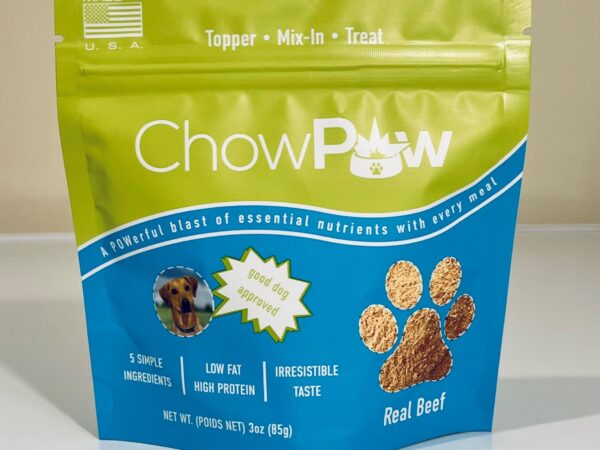 Dog Food Topper - Beef HeartOriginal price was: $14.99.$10.95Current price is: $10.95. - or subscribe and save up to 20%