
Blood Pressure in Dogs A Pet Owner’s Guide
You notice small things first.
Your older dog takes a little longer to stand up after a nap. A dog recovering from surgery seems quieter than usual and picks at breakfast. Another still acts cheerful, but something feels off, and you can't quite name it. Those moments are why blood pressure in dogs matters so much. It's one of those body signals that can change before a problem becomes obvious at home.
Pet owners often hear "blood pressure" and think of a stressful vet visit, a machine, and numbers that don't mean much. But the idea is simpler than it sounds. Blood pressure tells your veterinarian how hard your dog's blood is pushing through the arteries. If it's too high or too low, organs like the eyes, kidneys, brain, and heart may not be getting the kind of support they need.
The reassuring part is this. Blood pressure problems in dogs are manageable when they're recognized early. Your job isn't to diagnose it yourself. Your job is to notice changes, keep regular vet visits, and support your dog with steady habits at home, especially good hydration and nutrition when appetite is poor.
Your Dog's Silent Health Signal
A lot of dogs with blood pressure changes don't wave a big red flag right away. They just seem a little tired, a little restless, a little different.
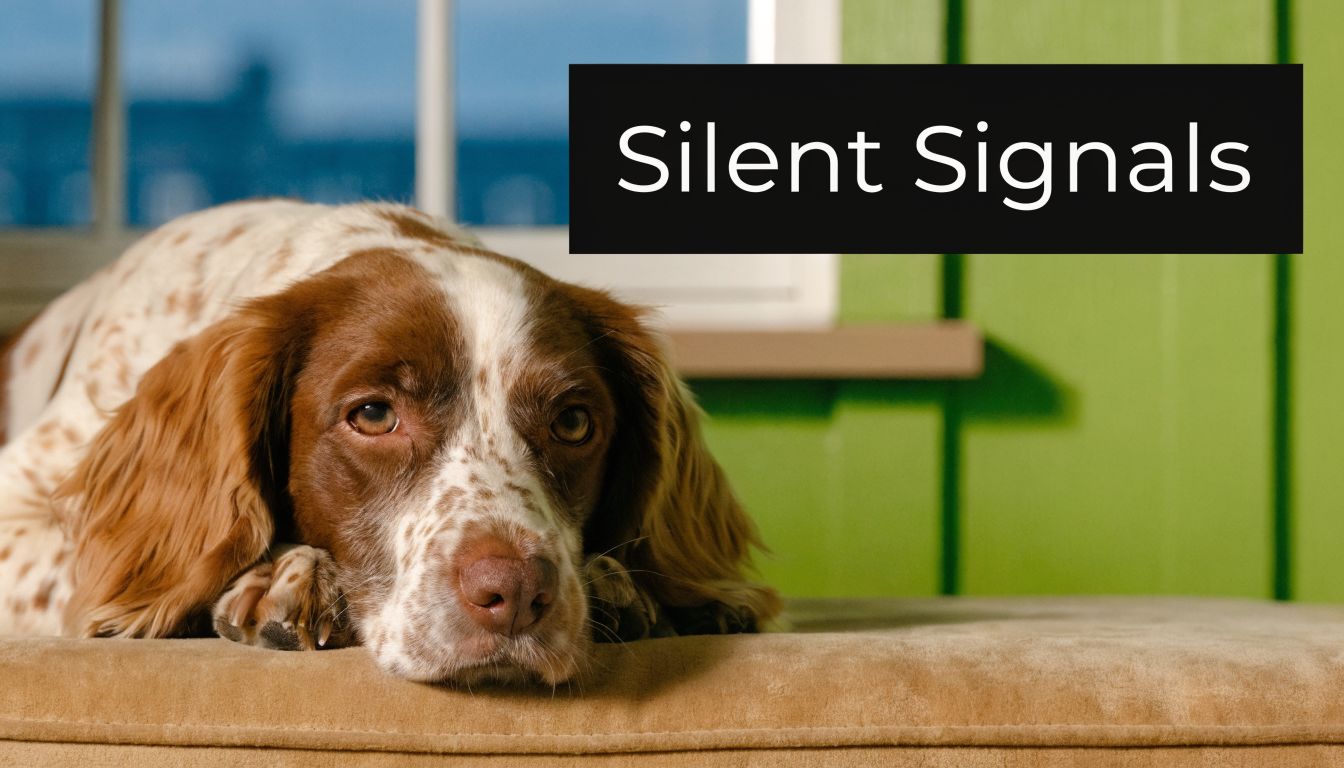
Think about a senior dog who still wants to follow you from room to room but isn't finishing meals like before. Or a recovering pup who wants to eat, then walks away after a few bites. Those changes don't automatically mean a blood pressure problem. But they do tell you something important. Your dog may need a closer look at their overall circulation, hydration, pain control, and underlying health.
Why blood pressure gets missed
Blood pressure in dogs is often called a silent health signal because many dogs don't show clear symptoms early on. Some develop high blood pressure as a result of another illness. Others can have low blood pressure during recovery, dehydration, or after anesthesia. In both cases, the first clues may be vague.
Common early clues can include:
- Less energy than usual and a dog who seems slower to engage
- Appetite changes that show up as picky eating or reduced interest in food
- Unsteady behavior such as seeming weak, clingy, or unusually quiet
- Recovery that feels stalled after illness, surgery, or a stressful event
Blood pressure isn't just a number on a chart. It helps your veterinarian judge how well your dog's body is coping.
That matters most in dogs who are aging, healing, or already managing another condition. If you know that, you're already in a better position to help your dog. You don't need to panic over every off day. But you also shouldn't ignore repeated changes in energy, eating, or behavior.
What you can do today
Start with observation, not guesswork. Keep a simple note on appetite, water intake, activity, bathroom habits, and anything that seems unusual. If your dog is a picky eater or recovering from illness, daily routines become even more useful because small shifts are easier to spot.
Blood pressure problems often make more sense when seen as part of the whole picture. That's how veterinarians approach them, and it's the best way for owners to think about them too.
What Is a Normal Blood Pressure for a Dog
A blood pressure reading is really a snapshot of how hard your dog's blood is pushing against the walls of the blood vessels at that moment.
Vets usually pay the closest attention to systolic pressure, which is the pressure when the heart squeezes and sends blood forward. Diastolic pressure is the pressure between beats, when the heart relaxes and refills. If those terms feel technical, here is the simple version. Systolic is the "push" number. Diastolic is the "rest" number.
Normal means a range, not one perfect target
Dogs do not all run at the exact same blood pressure. Age, breed, body size, excitement level, and the setting where the reading is taken can all change the number. A large study published in the Journal of Small Animal Practice and indexed on PubMed found that breed, age, and stress can affect readings, which is why veterinarians interpret blood pressure in context instead of chasing one universal number.
In everyday practice, many veterinarians consider a systolic pressure of about 110 to 190 mmHg and a diastolic pressure of about 55 to 110 mmHg to fall within a broad clinical range. That range is intentionally broad because dogs are individuals, and one calm dog's normal may sit higher or lower than another's.
That is also why one reading rarely tells the whole story.
A dog who is panting, trembling, or scanning the room at the clinic can have a number that looks higher than it would be at home. This temporary stress response is often called the white coat effect. It is one reason your veterinarian may repeat the measurement, let your dog settle, or ask for a recheck visit before deciding a problem is present.
Practical rule: A calm pattern over time matters more than one nervous reading.
A simple guide to systolic readings
| Risk Level | Systolic Pressure (mmHg) | Description |
|---|---|---|
| Normal range | 110 to 190 | Broad clinical range in dogs. The dog's history and exam still matter. |
| Monitor closely | Above 160 | In a calm dog, repeat checks and veterinary follow-up are a good idea. |
| Clearly high | Above 180 | In a relaxed dog, this raises concern for true hypertension. |
| Urgent evaluation | Above 200 | Prompt veterinary assessment is needed. |
Owners often get tripped up by the same few questions, so let me translate this into plain language:
- Breed matters. Some dogs naturally trend a bit higher or lower.
- Age matters. Senior dogs are more likely to need regular monitoring.
- Calm matters. A frightened dog can look hypertensive for the wrong reason.
- Trends matter. Several readings collected the right way are more useful than one isolated number.
Here is the practical takeaway for home life. If your dog is older, recovering, dealing with kidney or heart concerns, or becoming a picky eater, blood pressure should be viewed as part of the whole health picture. Good nutrition supports that bigger picture. A dog who eats consistently is easier to monitor, easier to medicate, and often stronger during recovery. For dogs with cardiac concerns, owners often benefit from learning how blood pressure fits into the broader story of congestive heart failure in dogs.
Feeding routines can provide support. A high-quality topper such as ChowPow will not replace blood pressure treatment, but it can support the dogs who most often need close monitoring, including seniors, recovering pups, and selective eaters. If your dog is turning away from meals, improving day-to-day nutrition can make it easier to keep up strength, maintain appetite, and follow the care plan your veterinarian recommends.
If you remember one thing, make it this. A normal blood pressure for a dog is not one magic number. It is a range that has to be read alongside your dog's age, stress level, medical history, and how they are doing overall.
Signs and Causes of High Blood Pressure
Your dog may seem fine at breakfast, then start bumping into a chair that has been in the same spot for years. Or you may notice more water disappearing from the bowl, more trips outside, or a dog who just seems a little less steady than usual. These changes can feel unrelated, but they sometimes connect back to one quiet problem: high blood pressure.
High blood pressure in dogs is often a signal that another illness is already affecting the body. In other words, the pressure reading is rarely the whole story. It is more like a warning light on a dashboard. The light matters, but the next step is figuring out what turned it on.

Why dogs develop hypertension
As noted by Lincoln Road Veterinary Clinic's overview of high blood pressure in dogs, many dogs with hypertension have an underlying medical problem such as kidney disease, Cushing's disease, or diabetes.
That is why veterinarians start connecting dots instead of looking at the blood pressure number alone. A dog who drinks and urinates more, has changing lab work, develops sudden vision problems, or shows hormone-related symptoms may be giving clues about the cause.
Some dogs also need closer watching because of age, breed tendency, or an existing diagnosis that affects circulation. If your dog already has a heart condition, this guide to congestive heart failure in dogs and circulation changes can help you see how blood pressure fits into the larger cardiovascular picture.
Signs owners might notice
Hypertension is often called silent because many dogs do not show obvious signs early on. Trouble usually becomes easier to spot after high pressure starts affecting sensitive organs, especially the eyes, brain, kidneys, and heart.
Signs can include:
- Vision changes, such as bumping into furniture, staring into space, or seeming suddenly hesitant in familiar rooms
- Neurologic changes, including confusion, circling, wobbliness, head tilt, or seizures
- Kidney-related clues, like increased thirst and increased urination
- General weakness, restlessness, or a dog who seems less bright than usual
Many owners say, "Something just seems off." That observation matters. You do not need to know whether the problem is blood pressure, kidney disease, or something else before calling your veterinarian.
What owners can do at home
You cannot confirm high blood pressure from symptoms alone, but you can make those symptoms easier to spot and easier for your vet to interpret.
Pay attention to patterns. Is your dog finishing meals, drinking more, pacing at night, or acting uncertain in low light? Keep a short note on your phone if you notice changes. Those details help far more than trying to guess the diagnosis yourself.
Food intake matters here too. Dogs with chronic disease, seniors, recovering pups, and picky eaters often struggle long before owners realize how much nutrition has slipped. A high-quality topper such as ChowPow does not treat hypertension, but it can support the dogs most likely to need monitoring by helping them eat more consistently. That can make it easier to maintain strength, give medications, and follow the care plan your veterinarian recommends.
High blood pressure is a medical issue, but day-to-day support at home still counts. Good observation, steady nutrition, and prompt veterinary care work together.
The Other Side Low Blood Pressure in Dogs
A dog with low blood pressure often does not look subtly unwell. They can look drained, wobbly, or suddenly much less responsive than usual. That is because the problem is not extra force in the blood vessels. The problem is too little pressure to move blood effectively to the brain, kidneys, and other organs.
Veterinarians call this hypotension. It can happen with dehydration, blood loss, severe infection, shock, some heart problems, anesthesia, or a dog who has become very weak from not eating or drinking enough. In simple terms, blood pressure works like water pressure in a hose. If the pressure drops too low, the body cannot deliver what tissues need at a normal rate.
When low blood pressure becomes a medical problem
Low blood pressure becomes dangerous when circulation falls far enough that organs do not get steady oxygen and nutrients. In practice, vets become concerned when a dog's blood pressure is low enough to threaten normal perfusion, especially in a sick or hospitalized patient.
Owners almost never notice a number first. They notice a change in how the dog looks and acts.
Possible signs include:
- Weakness or sudden tiredness
- Pale gums
- Fainting or collapse
- Cool body temperature or cold-looking extremities
- A dull, "checked out" expression
- Slow recovery after illness, surgery, or a stressful event
Some dogs show only one or two of these signs. Others decline quickly. A dog who seems limp, collapses, or has pale gums should be seen urgently.
Why low blood pressure can feel more urgent
High blood pressure can stay hidden for a while. Low blood pressure often affects how a dog feels right away because blood flow has already dropped. That is why veterinary teams watch for it so closely during anesthesia, emergency care, and serious illness.
If your dog has a condition that can disrupt salt balance and circulation, such as Addison's disease in dogs, blood pressure becomes part of a bigger picture that includes hydration, electrolytes, and hormone balance.
Where nutrition fits in
Food will not correct shock, major dehydration, or internal bleeding. Those problems need veterinary treatment. But nutrition still plays an important supporting role once your veterinarian has identified the cause and started care.
Dogs recovering from illness often eat poorly at the exact time their body needs energy, protein, and fluids to rebuild strength. Seniors, picky eaters, and dogs coming home after a procedure are common examples. If they continue to under-eat, weakness can linger and recovery can be slower.
A nutrient-dense topper such as ChowPow can help in that stage of care. It does not treat hypotension directly, but it can help at-risk dogs eat more consistently, take in better nutrition, and maintain strength while your veterinarian manages the medical problem. That practical home support is easy to miss in discussions that focus only on monitors, fluids, and medications.
The safest approach is simple. Treat low blood pressure as a medical sign, not a home diagnosis. Then support recovery with close observation, steady hydration, and food your dog will reliably eat.
How Vets Measure Your Dog's Blood Pressure
A blood pressure check at the vet is usually quick, gentle, and much less dramatic than owners expect.

The goal is simple. Get a reading that reflects your dog's real circulation, not just their stress level in the exam room.
What the appointment usually looks like
Most clinics try to create a calm setup before taking the reading. Your dog may sit with you for a few minutes first. Then a technician or veterinarian places a cuff on a leg or tail and takes several readings rather than relying on one.
Nervous movement, panting, and excitement can change the numbers. A thoughtful blood pressure check often looks a little slow, and that's a good sign.
The tools your vet may use
One common method is Doppler sphygmomanometry. With this method, the vet uses an ultrasound probe to listen for blood flow while the cuff inflates and deflates. According to Today's Veterinary Practice, the cuff should measure about 30 to 40% of the limb or tail circumference for the reading to correlate well with direct methods.
That detail may sound technical, but it explains why a proper blood pressure check isn't just "put on any cuff and press a button." Cuff size matters.
Other clinics may use an oscillometric monitor, which is an automated machine that estimates pressure by detecting arterial wall motion. Some dogs tolerate one method better than the other.
Why multiple readings are normal
A single reading can be misleading, especially if your dog is excited. That's why vets often repeat the measurement several times and look for consistency.
Here are signs of a careful process:
- Your dog gets a chance to settle down before the first measurement
- The cuff is fitted deliberately rather than grabbed at random
- Several readings are taken instead of relying on one
- The same site is used consistently when rechecking over time
This walkthrough helps many owners know what they're seeing in the exam room:
Can owners monitor at home
Some owners do use home devices, especially for dogs who get anxious at the clinic. Home monitoring can be useful, but it isn't as simple as using a human blood pressure cuff from the pharmacy. Technique, equipment, body position, and cuff fit all influence the result.
If your veterinarian recommends home checks, ask them to show you exactly where the cuff goes, how your dog should be positioned, and how to record readings in a useful way.
Treatment Monitoring and Nutritional Support
Your dog comes home with a treatment plan, a bag of medication, and instructions for rechecks. By that point, many owners feel relieved to have answers, but also unsure about what happens between visits.
That in-between time matters more than it may seem.
When a dog's blood pressure is too high or too low, treatment usually has two jobs. One is to protect organs and circulation right now. The other is to address the underlying problem that pushed the pressure out of range, such as kidney disease, hormone disorders, dehydration, blood loss, or illness during recovery.

What treatment may involve
The exact plan depends on what your veterinarian finds. Dogs with ongoing high blood pressure may need medication to bring pressure down while the primary disease is treated. Dogs with low blood pressure may need fluids, hospital care, adjustments during anesthesia, or other support aimed at restoring circulation safely.
Treatment often works like repairing a house after a pipe leak. You do not just mop the floor. You also find and fix the broken pipe. In the same way, blood pressure care often includes several pieces working together:
- Medication if pressure needs direct control
- Testing and follow-up care to track the underlying disease
- Repeat blood pressure checks to see whether the numbers are improving
- Home observation so small changes are caught early
- Daily nutrition and hydration support to help your dog keep up strength
Why daily support matters
A treatment plan works best when your dog can maintain themselves between appointments. If a dog is eating poorly, drinking less, or losing energy, recovery gets harder and blood pressure problems can be more difficult to manage.
This is one area owners can help. Food and water intake are not side details. They affect hydration, muscle maintenance, medication tolerance, and overall resilience.
Home blood pressure monitoring can sometimes help, especially for dogs that get nervous in the clinic. But it needs context. The PadHPS article on low blood pressure in dogs explains that Doppler devices are commonly used on a limb or tail, yet readings can be less reliable in hypotensive dogs. That means a low number at home should never be treated as a diagnosis by itself. It needs veterinary confirmation, along with your dog's symptoms and exam findings.
Practical ways owners can help at home
Keep the goal simple. Support the veterinary plan by making it easier for your dog to eat, drink, and recover steadily.
- Encourage hydration: If your veterinarian agrees, adding water to meals can help some dogs take in more fluid.
- Improve meal appeal: Warm, moist, aromatic food is often easier for recovering dogs or seniors to accept.
- Focus on nutrient density: A dog with a small appetite benefits more from concentrated nutrition than from a larger bowl they will not finish.
- Write down trends: Track appetite, thirst, energy, bathroom habits, balance, and any changes in vision or behavior.
- Use home devices only with training: Ask your veterinarian to show you the exact setup and how to interpret results safely.
Nutrition deserves a place in this conversation. It does not replace medical treatment, but it can make that treatment easier to carry out at home. A high-quality topper can help a picky senior, a dog recovering from illness, or a pup whose appetite has dropped still get meaningful nutrition with their regular meals.
That is where a product like ChowPow fits into a broader plan. Used as a topper rather than a substitute for a complete diet, it can help improve meal acceptance and add nutrient-dense animal protein for dogs that need extra support. For some owners, understanding the role of amino acids also helps, especially in dogs with heart or recovery concerns. This guide on what taurine does for dogs explains that piece clearly.
The big picture is reassuring. Your veterinarian handles diagnosis, medications, and rechecks. You help by noticing changes early, keeping meals and hydration consistent, and making sure your dog has the nutritional support to stay as steady as possible at home.
When to See Your Veterinarian
Some blood pressure changes are subtle. Others are urgent.
Call your veterinarian promptly if your dog seems off in a way that persists, especially if they're older, recovering from illness, or managing kidney, endocrine, or heart disease. If your dog already has a diagnosis related to circulation, don't wait for a routine visit if something changes suddenly.
Seek urgent veterinary care if you notice any of the following:
- Sudden blindness or your dog starts bumping into things
- Circling, disorientation, or seizures
- Collapse or fainting
- Very pale gums
- Marked weakness that comes on quickly
- A sharp drop in appetite or drinking during recovery from illness or surgery
- Any sudden neurologic change that makes your dog seem confused, unstable, or unresponsive
If you're ever unsure, err on the side of calling. Blood pressure in dogs isn't something owners can diagnose by eye, but owners are often the first to spot that a dog needs help.
The biggest takeaway is reassuring. You don't have to know every machine, every number, or every diagnosis. You just need to notice changes, seek veterinary guidance early, and support your dog consistently at home.
If your dog is a picky eater, a senior, or recovering and needs extra nutritional support, ChowPow can help make their regular meals more appealing and more nutrient-dense. It's a beef heart meal topper, not a replacement for your dog's kibble, so you keep the food your dog already eats and boost it with added flavor, protein, and easy-to-use nutrition.
-
Product on sale
 Dog Food Topper - Beef HeartOriginal price was: $14.99.$10.95Current price is: $10.95. - or subscribe and save up to 20%