
Calcium for dogs: Essential Guide to Bones, Diets, and Safety
When you think about your dog’s health, calcium probably brings to mind strong bones and teeth. And you’re not wrong—but that’s only scratching the surface. This essential mineral is one of the busiest, most critical workers in your dog’s body, managing everything from their heartbeat to a happy tail wag.
Getting the balance right is key, because both too little and too much can throw a real wrench in their well-being.
The Hidden Role of Calcium in Your Dog's Health
It’s true that a whopping 99% of your dog's calcium is stored right where you'd expect: in their bones and teeth. Think of their skeleton as a massive calcium bank. But the remaining 1% that circulates in their bloodstream? That tiny amount is responsible for an incredible number of jobs.
This mineral is the spark plug for muscle contraction. It's what allows your dog to leap for a ball, chase a squirrel, and even keeps their heart beating steadily. It’s also a master communicator, helping transmit nerve signals from the brain to the rest of the body. Without enough calcium, these fundamental systems can start to sputter.
Beyond the Bones: A Deeper Look
The job description for calcium doesn't stop there. It’s a true multitasker, quietly working behind the scenes on other vital functions, like helping blood clot properly after a scrape and signaling the release of certain hormones.
Because calcium is involved in so many critical processes, the body keeps its levels in a very tight range. An imbalance in either direction can cause problems:
- Too Little Calcium (Hypocalcemia): This can lead to some scary symptoms, like muscle twitching, weakness, and restlessness.
- Too Much Calcium (Hypercalcemia): An excess can contribute to the formation of painful bladder stones and put a serious strain on the kidneys.
While some human supplements, like various bone density formulas, are designed for skeletal health, a dog’s needs are best met through a balanced, species-appropriate diet.
How a Meal Topper Supports a Balanced Diet
This is where a thoughtful meal enhancer like ChowPow can be a game-changer. Commercial dog foods are formulated to be complete and balanced, but some dogs—especially picky eaters or those needing a little extra nutritional support—can benefit from a boost.
For a quick overview of calcium's role, here are the key takeaways for every dog owner.
Calcium at a Glance: Key Facts for Dog Owners
| Aspect | Importance |
|---|---|
| Primary Function | Builds and maintains strong bones and teeth (stores 99% of the body's calcium). |
| Secondary Roles | Crucial for muscle contraction, nerve signal transmission, blood clotting, and heart function. |
| Deficiency Risk | Hypocalcemia can cause muscle tremors, weakness, and restlessness. |
| Excess Risk | Hypercalcemia may lead to kidney issues and bladder stones. |
| Life Stage Needs | Puppies, pregnant/nursing mothers, and senior dogs have unique requirements. |
| Best Source | A complete and balanced, species-appropriate diet. |
Getting these aspects right is fundamental to your dog's long-term health and vitality.
ChowPow is designed to enhance, not replace, your dog’s main meal. It's a supplement that gives their existing kibble a nutritional boost.
By sprinkling a natural, nutrient-dense topper over their regular food, you’re adding a layer of high-quality, bioavailable nutrition without disrupting the carefully calibrated mineral ratios in their primary diet.
This approach gives them the goodness of simple, whole-food ingredients like beef heart, which is a natural source of essential minerals. It's an easy way to support strong bones and healthy joints. For a deeper dive into this topic, our guide to joint health for dogs has you covered.
At the end of the day, a balanced diet is the foundation of your dog's health, and a quality meal topper is the perfect support system.
How Your Dog's Calcium Needs Change with Age
Just like a toddler’s diet looks nothing like their grandparent’s, your dog's calcium needs aren't a one-size-fits-all number. Their nutritional blueprint shifts dramatically as they grow from a clumsy puppy into a graceful adult and, finally, a wise senior companion.
Understanding these changes is the key to supporting their skeletal health at every stage. A dog's age is the single most important factor in figuring out their ideal calcium intake. What’s perfect for a six-month-old pup could be harmful to an older dog, and vice-versa.
The Puppy Phase: A Time for Precision
Puppies are literally building their entire skeleton from the ground up. This is a time of intense growth and incredibly high nutritional demand. For them, calcium is the primary building block for their future strength and mobility.
But this is one case where more is not better. This is especially true for large and giant breed puppies who grow at a jaw-dropping rate.
This is where the "Goldilocks principle" of calcium comes into play—it has to be just right.
- Too Little Calcium: Can lead to weak, underdeveloped bones that are terrifyingly prone to fractures.
- Too Much Calcium: Can push them to grow too quickly, causing serious developmental bone diseases like osteochondrosis, where cartilage doesn't form correctly.
This delicate balance is exactly why feeding a high-quality, AAFCO-approved puppy formula is so crucial. These foods are specifically designed to provide the precise amount of calcium needed for controlled, healthy growth.
The nutritional needs of a growing puppy are incredibly specific. While a typical 20kg adult dog might need about 1229mg of calcium daily, the stakes for puppies are much higher. Exceeding the safe upper limit, which is just 1.5 times the recommended amount, can put large breeds at a significant risk for skeletal disorders.
For little pups needing a bit of encouragement to finish their balanced meals, a light sprinkle of a nutrient-dense topper can make their food more exciting without throwing off this vital mineral balance.
Adult Dogs: Maintaining the Framework
Once a dog hits adulthood, their skeleton is fully formed. The mission shifts from construction to maintenance. Active adult dogs need enough calcium to keep their bones strong, support muscle function for daily walks and zoomies, and keep their nervous system firing on all cylinders.
For most healthy adults, a complete and balanced commercial diet provides everything they need. During these years, consistency is the goal. Their daily food should reliably deliver the nutrients needed to repair the normal micro-damage to bones and keep their whole system running smoothly.
Senior Dogs: Supporting a Lifetime of Strength
As our dogs enter their golden years, their bodies change. Their metabolism often slows down, and their ability to absorb nutrients from food can become less efficient. While they don't necessarily need more calcium, they absolutely need a high-quality, easily absorbable source to support aging joints and maintain bone density.
Mealtime can become a challenge for senior dogs, especially those with sensitive teeth or a fading appetite. A softer, more palatable food is often much easier for them to manage.
This is where a gentle meal enhancement like ChowPow can be a fantastic addition. You can mix it with water to soften their kibble into an easy-to-eat gruel, all while boosting the meal's flavor and nutritional value. This ensures they get the support they need for their aging bones in a form they'll actually enjoy. To learn more, check out our guide on finding the best food for senior dogs.
Recognizing the Signs of a Calcium Imbalance
Your dog can’t tell you in words when something feels off, but their body often sends up flares. Learning to read these signals is one of the most powerful things you can do as a dog owner, especially when it comes to a mineral as critical as calcium. An imbalance—whether too much or too little—can trigger noticeable shifts in their behavior and physical health.
Catching these signs early is everything. Think of them as a quiet alarm system; these symptoms are your dog's way of saying it’s time to pay closer attention and probably give the vet a call. Knowing the difference between the signs of low and high calcium can help you give your vet the best possible information.
When Calcium Levels Dip Too Low
When the calcium in a dog's bloodstream drops, it’s a condition called hypocalcemia. Since calcium is the spark plug for nerve and muscle function, a shortage can cause these systems to get over-excited and misfire. It’s like a faulty electrical circuit making the lights flicker on and off.
Some of the most common signs of low calcium include:
- Muscle Tremors and Twitching: You might notice subtle spasms, often around the face or in their legs.
- Restlessness and Pacing: A dog with hypocalcemia can seem anxious or just unable to settle down.
- Stiffness or a "Tippy" Gait: Their movements might suddenly become awkward, clumsy, and uncoordinated.
- Weakness and Lethargy: Despite the restlessness, they may also seem unusually tired or weak.
These symptoms can range from barely noticeable to severe. According to the Merck Veterinary Manual, hypocalcemia gets particularly dangerous when a dog's total serum calcium falls below 9mg/dL, which can lead to seizures or even cardiovascular collapse. You can get more detail from their findings on hypocalcemia in small animals.
When Calcium Levels Climb Too High
On the flip side, an excess of calcium is known as hypercalcemia. This condition forces the kidneys to work overtime trying to filter out the extra mineral, which leads to a whole different set of problems. It’s like pouring way too much salt in a recipe—it throws the entire system out of whack.
Be on the lookout for these signs of potentially high calcium:
- Increased Thirst and Urination: This is one of the most common red flags, as the body desperately tries to flush out the excess calcium.
- Loss of Appetite: High calcium levels can make a dog feel nauseous or generally unwell, causing them to turn their nose up at food.
- Lethargy and Weakness: The body is working so hard to correct the imbalance, and that effort can be completely draining.
A Quick Story of Recovery: Take Max, a sweet Golden Retriever recovering from a nasty bout of pancreatitis. He was weak, had zero appetite, and his family was worried sick. His picky eating was making his low energy even worse, putting him at risk for more nutritional gaps. A simple sprinkle of ChowPow over his bland recovery diet was the turning point. The enticing smell sparked his interest, and with each meal, he got a little more of his old strength back. This small boost didn't replace his vet-prescribed plan but supported it, helping him get the complete nutrition he desperately needed to heal.
These signs of imbalance often point to bigger health issues, so seeing the whole picture is key. You can learn more by checking out our guide on the signs of malnutrition in dogs. Whether the problem is too much or too little calcium, these symptoms are a clear signal that it’s time to consult your veterinarian for a proper diagnosis and treatment plan.
Finding the Best Dietary Sources of Calcium
Knowing your dog needs calcium is one thing, but figuring out where to get it is the next big step. Luckily, you don't need a degree in animal nutrition to get it right. It all starts with a solid foundation—a complete and balanced meal—but from there, you have some great options for adding an extra nutritional punch and making dinner time way more exciting.
Most high-quality commercial dog foods are formulated to meet the strict nutritional standards set by the Association of American Feed Control Officials (AAFCO). This is your assurance that the food provides a reliable base of all the essential nutrients your dog needs to thrive, including the right amounts of calcium and phosphorus. Think of their daily kibble as their core nutritional "paycheck"—it covers all the essential bills to keep their body running smoothly.
The Role of Commercial Dog Food
When you choose an AAFCO-compliant food that’s right for your dog's life stage, you're essentially handing them a diet that has been carefully balanced by experts. It's the safest and most direct way to meet their baseline calcium needs without accidentally tipping the scales into over-supplementation.
But a complete diet doesn't have to be a boring one. Just like we might add a handful of fresh berries to our morning oatmeal, you can absolutely add high-quality, natural foods to your dog’s bowl for an extra boost.
Exploring Natural Food Sources
Beyond their main meal, certain whole foods are naturally rich in calcium and can be a fantastic addition in moderation. They add variety, flavor, and a few extra nutrients.
Some popular natural sources include:
- Plain Yogurt or Kefir: These offer a good dose of calcium along with beneficial probiotics for gut health.
- Certain Fish: Canned sardines or salmon (packed in water, with no salt added!) deliver both calcium and healthy omega-3 fatty acids.
- Leafy Greens: Veggies like spinach and kale have calcium, but they also contain oxalates. Oxalates can interfere with calcium absorption and may contribute to certain bladder stones in dogs who are predisposed. If you offer them, make sure they're cooked and given only in small amounts.
The key with these foods is to introduce them carefully. Tossing in too much of any single ingredient can throw off the precise mineral balance in your dog's main diet. The goal is always to enhance, not unbalance.
Here’s a quick look at how different calcium sources stack up:
Common Calcium Sources for Dogs
| Calcium Source | Pros | Cons / Things to Consider |
|---|---|---|
| Complete & Balanced Dog Food (AAFCO) | Safe, reliable, and expertly formulated. The easiest way to meet baseline needs. | Can be boring for picky eaters; quality varies by brand. |
| Dairy (Yogurt/Kefir) | Good source of calcium and probiotics. Palatable for many dogs. | Can cause digestive upset in lactose-intolerant dogs. Should be plain and unsweetened. |
| Fish (Sardines/Salmon) | Provides calcium and omega-3s for skin, coat, and joint health. | Must be packed in water with no salt. Needs to be given in moderation to avoid excess calories. |
| Organ Meats (like Beef Heart) | A fantastic, natural source of minerals in their whole form, not just isolated calcium. Highly palatable. | Nutrient content can vary. Best used as a topper to complement a balanced diet. |
| Eggshells (Ground) | A concentrated source of calcium carbonate. Inexpensive. | Very easy to over-supplement, risking a dangerous calcium/phosphorus imbalance. Requires precise measurement. |
| Leafy Greens (Spinach/Kale) | Contain calcium plus other vitamins and fiber. | Also contain oxalates, which can block calcium absorption. Must be cooked and given sparingly. |
As you can see, while there are plenty of options, finding the right balance is key.
How a Meal Enhancer Like ChowPow Fits In
This is exactly where a dedicated meal enhancer like ChowPow comes in. It is not designed to replace your dog's balanced kibble. Instead, it acts as a nutritional ‘booster’ that makes their existing food even better.
ChowPow provides a simple, powerful way to elevate your dog’s meal. Instead of trying to calculate how much yogurt or fish to add, you can simply sprinkle on a topper made from high-quality, bioavailable ingredients.
Made from just a few simple, locally sourced ingredients—with beef heart as the star—ChowPow complements their main meal perfectly. Beef heart is a fantastic natural source of minerals, giving a wholesome boost without overwhelming their system with isolated calcium. This approach ensures you are enhancing their diet, not unbalancing it.
By adding a scoop of ChowPow, you're not just topping up their nutrients. You're also adding an irresistible flavor and aroma that can coax even the pickiest eater into cleaning their bowl. It’s a natural, no-fuss way to support their overall health and make their meals the highlight of their day—guaranteeing they get all the benefits from their kibble, plus a little something extra.
The Calcium and Phosphorus Balancing Act
When it comes to your dog's health, calcium never flies solo. Think of it as part of a dynamic duo with another mineral: phosphorus. This relationship is one of the most critical partnerships in your dog’s body, working like a perfectly balanced seesaw to build and maintain a strong, healthy skeleton.
If one side of that seesaw goes too high or too low, the whole structure gets thrown off. This imbalance can be just as damaging as a straightforward deficiency.
Why the Ratio Matters So Much
This delicate balance, known as the calcium-to-phosphorus (Ca:P) ratio, is absolutely essential. An imbalance can mess with how well your dog's body absorbs and uses these vital minerals, leading to serious problems—especially for growing puppies whose bones are developing at a lightning pace.
The sweet spot for the Ca:P ratio in most adult dogs is between 1:1 and 2:1. This means for every one part of phosphorus, there should be one to two parts of calcium. If there’s too much phosphorus in the diet, it can actually block calcium from being properly absorbed. This creates a functional calcium deficiency, even if your dog is technically eating enough of it. On the flip side, way too much calcium can interfere with the absorption of other key minerals.
This idea of mineral synergy is huge for overall health. Understanding how different minerals interact is key; for example, the interplay between calcium and magnesium is also vital for skeletal integrity. You can see similar principles of mineral balance at play in products like calcium magnesium tablets for bone health.
This infographic breaks down the different ways you can get calcium into your dog's diet, from their core food to supplemental boosts.
As you can see, a complete and balanced kibble forms the foundation, but enhancers and supplements can offer targeted support when used correctly.
Keeping the Seesaw Level
So, how do you make sure that mineral seesaw stays perfectly level for your dog? The good news is, you don’t need a calculator and a chemistry degree. Any high-quality commercial dog food that meets AAFCO standards has already been formulated with the correct Ca:P ratio. This is exactly why your dog's main kibble should always be the foundation of their diet.
It's also why adding a meal enhancer like ChowPow is such a smart move. It’s designed to be a nutritional boost, not a meal replacement.
By sprinkling a natural, whole-food topper over their already-balanced kibble, you're adding valuable nutrients and irresistible flavor without disrupting that critical Ca:P ratio.
ChowPow’s simple, beef heart-based formula is the perfect complement to their main meal, providing extra support without causing an imbalance. This approach lets you enhance their diet with total confidence. You're simply making their balanced meal more enticing and nutrient-dense, helping ensure they get everything they need for strong bones and a happy life. You get peace of mind knowing you're supporting, not disrupting, their delicate nutritional equilibrium.
Practical Ways to Ensure Optimal Calcium Intake
Knowing the "why" behind calcium is great, but the "how" is what really counts at mealtime. The whole point is to make balanced nutrition an easy, stress-free part of your day.
With a few simple tricks, you can turn your dog's food bowl into a powerhouse of health, no matter their age, habits, or pickiness. These strategies tackle real-world challenges, and a high-quality meal enhancer like ChowPow can be an amazing tool to have in your corner.
Taming the Picky Eater
Is there anything more frustrating than a dog who just turns their nose up at a perfectly good meal? For these fussy pups, it's all about aroma and flavor. A quick sprinkle of a super tasty topper can take their boring old kibble and make it something they're actually excited to eat.
This is where adding ChowPow is a game-changer. That rich, meaty scent from its natural beef heart is often all it takes to flip their appetite switch. Not only do they clean their bowl, but they also get all those crucial minerals from their main food—a massive win for their health.
Gentle Support for Senior Dogs
As our dogs get older, their needs shift. Chewing hard kibble can become tough, or even painful, due to dental issues or a weaker jaw. Softening their meal is a small act of kindness that makes a huge difference for a senior companion.
A fantastic solution is to make a nutrient-rich "gruel." Just add some warm water to their kibble to soften it up, then stir in a scoop of ChowPow. This simple step accomplishes two things:
- It makes the food much easier for them to eat and digest.
- It supercharges the meal with a boost of high-quality, bioavailable nutrients to support their aging bones and muscles.
Making Medication a Treat
If you've ever wrestled a pill into your dog, you know the struggle is real. Hiding medication can feel like a daily battle of wits. But what if you could turn that chore into a treat? A delicious food topper completely flips the script.
The strong, appealing flavor of a topper like ChowPow is perfect for masking the scent and taste of medication. By mixing the powder with a little water to form a paste, you can easily coat a pill or mix a liquid medicine into a small, tasty spoonful.
Your dog just thinks they're getting a special treat, and you get the peace of mind knowing they took their meds without a fuss. It’s a simple trick that takes the stress out of the daily routine and keeps your bond strong.
Got Questions About Calcium for Your Dog? We've Got Answers.
When you're trying to do the best for your dog, it's natural to have questions. To help you feel more confident about their diet, we've tackled some of the most common things people wonder about when it comes to calcium. Think of this as your quick-reference guide to get clear, reliable answers.
Can I Give My Dog Human Calcium Supplements?
That’s a hard no. It's a really common question, but human calcium supplements are a big risk for dogs. They’re formulated for our bodies, not theirs, and it’s incredibly easy to cause an overdose or throw that critical calcium-to-phosphorus ratio way out of whack.
Getting that balance wrong can lead to serious health issues, from skeletal problems in growing pups to painful bladder stones. The golden rule is to never add any supplement to your dog's diet without chatting with your veterinarian first to make sure it's safe and truly necessary.
My Dog Is a Picky Eater. How Do I Make Sure They Get Enough Calcium?
Ah, the picky eater. It's a familiar struggle! For these dogs, the trick isn't to add more stuff, but to make their already-balanced food irresistible. A great meal topper can be a game-changer, turning a bland bowl of kibble into something they can't wait to eat.
A nutrient-dense topper like ChowPow is perfect for this. Just a sprinkle of the dehydrated beef heart powder adds a powerful boost of flavor and aroma that most dogs find impossible to resist. It’s a simple way to get them to clean their bowl and, in doing so, get all the essential calcium for dogs that’s already in their main meal. No more mealtime battles.
Is It Possible for My Dog to Get Too Much Calcium?
Yes, absolutely. Too much calcium can be just as dangerous as too little. The condition is called hypercalcemia, and it can lead to some nasty problems like bladder stones, kidney damage, and other serious health complications. Certain stones, like calcium oxalate stones, have even been linked to high levels of calcium in the blood.
This is exactly why feeding a balanced diet is so critical and why you should be cautious with supplements. Tossing in things like bone meal or other concentrated calcium sources without a vet's guidance is a huge gamble. A balanced meal enhancer, used as directed, is a much safer way to boost nutrition.
Does My Senior Dog Need More Calcium?
As dogs get older, their nutritional needs definitely shift. But they don't necessarily need more calcium—they need the right amount of high-quality, easily absorbed calcium. A senior dog's body isn't as efficient at absorbing nutrients, so the quality of the source becomes more important than ever.
The focus should be on maintaining their bone density and supporting aging joints without putting extra strain on their system. A gentle, easy-to-digest topper can be a great way to support their needs. As always, before you make any changes to your senior dog's diet, have a conversation with your vet.
Ready to give your dog a nutritional boost they'll love? See how ChowPow can make mealtime healthier and more exciting. Learn more on the ChowPow website.
-
Product on sale
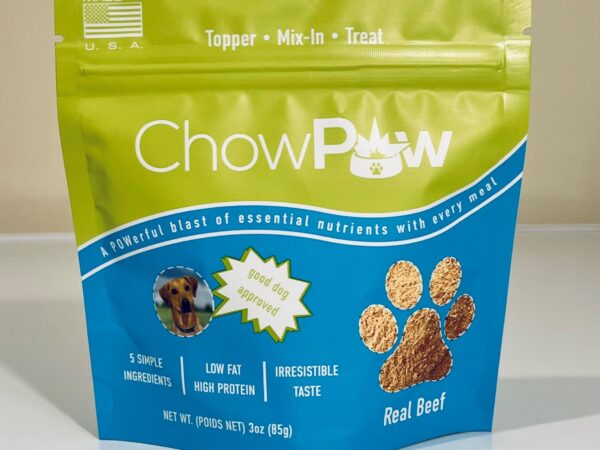 Dog Food Topper - Beef HeartOriginal price was: $14.99.$10.95Current price is: $10.95. - or subscribe and save up to 20%