
Can Dogs Eat Onions? A Vet’s Guide to Keeping Your Pet Safe
Let’s get straight to it: can dogs eat onions? The answer is a simple, non-negotiable no. Whether they’re raw, cooked, hidden in a sauce, or even in powdered form, every part of the onion is toxic to dogs. This isn’t just an opinion—it's a critical veterinary fact every single dog owner needs to know to keep their furry friend safe.
Why Onions Are So Dangerous for Your Dog
When your dog sneaks a bite of onion, it’s not just a simple case of an upset stomach. Onions are packed with a compound called N-propyl disulfide, which is a serious threat to a dog's red blood cells.
Think of your dog's red blood cells as a fleet of tiny delivery trucks, constantly carrying oxygen to every part of their body. The toxin in onions attacks these trucks, causing them to rupture and break down in a process called hemolytic anemia.
When enough of these "trucks" are destroyed, your dog’s body is starved of the oxygen it needs to function. This can lead to devastating health problems and, in severe cases, can even be fatal. It's a quiet but incredibly serious danger that often hides in our everyday foods.
How Much Onion Is Toxic?
The amount of onion that causes poisoning depends on your dog’s size, but the safest rule is that any amount is too much. Generally, toxicity can begin when a dog eats more than 0.5% of its body weight in onions.
Let's make that real. A single medium-sized onion could be enough to cause severe hemolytic anemia in a 44-pound dog. This one incident could potentially wipe out a shocking 30-70% of their red blood cells within just one to five days.
This chart shows just how little it takes, especially for smaller dogs.

To make it even clearer, here’s a quick reference table showing just how little onion it takes to be a big problem.
Onion Toxicity Levels By Dog Weight
| Dog Weight | Toxic Amount (Fresh Onion) | Toxic Amount (Onion Powder) |
|---|---|---|
| 10 lbs | ~0.8 oz (1/4 small onion) | ~0.15 tsp |
| 30 lbs | ~2.4 oz (3/4 small onion) | ~0.4 tsp |
| 50 lbs | ~4 oz (1 medium onion) | ~0.7 tsp |
| 70 lbs | ~5.6 oz (1.5 medium onions) | ~1 tsp |
As you can see, the danger, especially from concentrated onion powder, is very real.
Key Takeaway: All forms of onion—raw, cooked, dehydrated, and powdered—are dangerous. Onion powder is particularly risky because it is highly concentrated, meaning even a small sprinkle in a sauce or broth can be enough to cause harm.
Because onions and other risky ingredients are so common in our kitchens, it's vital to be cautious about sharing table scraps. To learn more about what's safe and what's not, check out our full guide on navigating human foods for your dog.
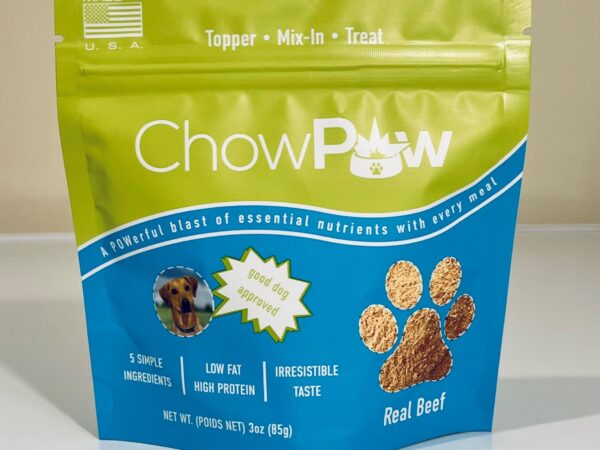
Instead of risking it with leftovers, you can safely boost your dog's mealtime excitement with a dedicated meal enhancement like ChowPow. It’s not a replacement for their main food, but a simple way to add that extra flavor and nutritional value your dog craves without any of the risks. It's designed specifically to boost the nutrition of your dog's regular kibble, transforming a boring bowl into a delicious, nutrient-rich feast. This way, you can show your dog some extra love at mealtime with complete peace of mind, knowing every ingredient is beneficial and 100% safe.
The Science Behind Onion Toxicity in Dogs
To understand why "can dogs eat onions?" is a question with a firm "no" answer, we need to look at what happens inside your dog's body. It's more than just a tummy ache; it's a serious chain reaction that starts at the cellular level. The main culprit here is a compound found in onions called N-propyl disulfide.
Think of your dog's red blood cells as little life-rafts, floating through the bloodstream to deliver vital oxygen to every part of the body. When a dog eats onion, that N-propyl disulfide compound attaches to these red blood cells, causing oxidative damage. This makes the cells incredibly fragile and causes them to burst.
This destructive process is called hemolytic anemia.

When red blood cells rupture, they can't do their job of carrying oxygen. As more and more cells are destroyed, the body’s oxygen supply drops, which can lead to weakness, lethargy, and even organ damage. You can learn more about the causes of anemia in dogs to see just how serious this condition can be.
What About Cooked Onions?
One of the most common—and dangerous—myths is that cooking onions makes them safe for dogs. This couldn't be further from the truth. The toxic compounds in onions are not broken down by heat, so it doesn't matter if they are boiled, fried, sautéed, or baked into your dinner.
Crucial Point: Cooked, dehydrated, and powdered onions are all toxic. In fact, dried forms like onion powder are often more dangerous because the toxins are so concentrated. A tiny dash can be enough to cause serious problems.
This is exactly why you should be so careful with table scraps. Many of the sauces, gravies, and seasoned foods we love contain hidden onion powder.
How Much Onion Is Too Much?
The general rule is that a toxic dose is anything over 0.5% of a dog's body weight in onions. That might not sound like a lot, and it really isn't.
For a small 10-pound dog, this works out to just 0.8 ounces of onion—or about two tablespoons of chopped onion. A single, seemingly small slip-up can be enough to trigger the damaging process of hemolytic anemia.
Even one larger exposure can cause significant damage, especially for smaller dogs. It really highlights why being vigilant is so important.
The Allium Family: A Broader Threat
The danger doesn't stop with the standard onions you buy at the grocery store. Onions are part of the Allium family of plants, and unfortunately, all members of this group contain the same kinds of toxic sulfur compounds.
That means you need to keep your dog away from all of these:
- Garlic: Even more concentrated and toxic than onions, meaning a smaller amount can cause more damage.
- Leeks: Often found in soups and stews.
- Chives: A common garnish that a curious dog might easily snack on.
- Shallots: Another popular cooking ingredient that is just as dangerous.
Of course, onions aren't the only household item that can pose a risk. Broadening your knowledge by understanding various pet toxicities is a fantastic way to create a safer home for your four-legged family members. By staying aware, you can prevent a potential tragedy.
How to Recognize the Signs of Onion Poisoning
If your dog has snatched something with onion in it, knowing what to look for can be the difference between a close call and a serious medical emergency. The scary part is, the signs of onion poisoning aren't always immediate, which can give pet owners a false—and dangerous—sense of security.
Symptoms can show up anywhere from a few hours to several days after your dog eats the onion. Because the toxins in onions cause damage over time, what might look like a minor upset stomach can quickly become much more serious. Learning to spot both the early and delayed symptoms is key to acting fast and getting your dog the help they need.
The Story of Bella and the Leftover Burgers
Let’s walk through a common scenario. Picture Bella, a happy-go-lucky Golden Retriever. She spies a leftover burger patty on the coffee table from last night's barbecue and gobbles it down. Unbeknownst to her, that patty was mixed with finely chopped, grilled onions.
Her owner, Mark, sees it happen and has a moment of panic. But then he looks at Bella. She seems perfectly fine—tail wagging, looking for another snack. A few hours go by, she eats her dinner, and she plays like normal. Mark breathes a sigh of relief, thinking she didn't eat enough to cause any real harm.
This is exactly where the danger lies. The most severe effects of onion toxicity, the damage to a dog's red blood cells, don't happen right away. They build up over the next 24 to 72 hours.
The First Signs of Trouble (Within 24 Hours)
The first clues that something is wrong are usually gut-related. Your dog's body is trying its best to get rid of the toxin, which leads to a few tell-tale, early-warning signs.
- Vomiting and Diarrhea: Your dog’s digestive system is the first to react. You might see vomiting, diarrhea, or both as their body tries to expel the onion.
- Loss of Appetite: A dog that suddenly refuses food, even their favorite treats, is a huge red flag that something isn’t right.
- Lethargy: Does your dog seem unusually tired? Less interested in playtime? This isn't just them being lazy; it's a real sign their body is under stress.
It's easy to brush these off as a simple upset stomach. But if you know or even just suspect your dog got into onions, these symptoms are your signal to call the vet, no questions asked.
Delayed Symptoms and Signs of Anemia (Days 2-5)
This is the timeframe when the real damage—hemolytic anemia—starts to show. As red blood cells get destroyed, your dog's body can't move oxygen around effectively. This leads to much more serious, and potentially life-threatening, symptoms.
Crucial Monitoring Period: Even if your dog seems perfectly fine at first, you have to watch them like a hawk for at least 3 to 5 days after they've eaten any onion. The most dangerous signs often pop up long after the meal is over.
Here are the key signs of anemia to watch for:
- Pale Gums: This is a classic sign of anemia. A healthy dog's gums should be a nice bubblegum pink. If they look pale pink, white, or even yellowish, it signals a lack of oxygen-rich blood.
- Weakness or Collapse: An anemic dog will be extremely weak. They might have a hard time standing up, refuse to go on walks, or even collapse after very little effort.
- Rapid Breathing or Panting: Their body is trying to make up for the lack of oxygen by breathing faster. You might notice your dog panting even when they're resting in a cool room.
- Reddish or Brown Urine: This is a veterinary emergency. The dark color comes from hemoglobin—the protein from all those destroyed red blood cells—being dumped into the urine. If you see this, get to a vet immediately.
If you spot any of these delayed symptoms, don't wait. Your dog needs immediate veterinary care. This is precisely why it’s so vital to call your vet the moment you suspect your dog ate onions—they can give you a personalized watch-list and tell you when to come in, hopefully catching any problems before they become critical. Your vet is always your best partner in these situations.
Your Emergency Action Plan for Onion Ingestion
That heart-sinking moment you realize your dog ate something they shouldn’t have is one every pet owner dreads. When that "something" is onion, panic can set in fast. But taking a deep breath and having a clear plan can make all the difference. Knowing exactly what to do lets you act swiftly and effectively, turning panic into productive action.
Here’s your step-by-step guide for what to do if you suspect your dog has eaten onion.

First things first: get your dog away from the source. Gently lead them to another room and make sure any leftover onion-laced food is completely out of reach. Try to stay calm—your dog will sense your stress, and adding to their anxiety won't help anyone. Once they're secure, it's time to play detective.
What to Do Immediately
Your next move is to get on the phone with a professional. Do not wait for symptoms to show up. The damage from onion toxicity can take a few days to become apparent, and by then, the problem is much more serious.
Your first call should be to one of these two places:
- Your primary veterinarian's office
- A 24/7 pet poison control hotline
Having the right information on hand makes it easier for them to give you accurate advice. The more details you can share, the better they can assess your dog's specific risk. Being prepared is half the battle in any pet emergency, which is why we put together a guide on the 8 essential items you should have in your dog's emergency kit.
Before you dial, try to gather these key details. This checklist will help you give the vet team a clear picture of the situation.
Emergency Vet Phone Call Checklist
| Information to Gather | Why It's Important |
|---|---|
| Your Dog's Information | Have your dog's approximate weight, age, breed, and any pre-existing health conditions ready. This helps determine their individual risk level. |
| What Was Eaten? | Identify the type of onion (raw, cooked, powdered) and the food it was in (e.g., soup, burger, baby food). This is crucial, as onion powder is far more concentrated. |
| How Much Was Eaten? | Estimate the quantity. Was it a single slice, a whole onion, or a lick of sauce? An honest estimate helps the vet calculate the potential toxic dose. |
| When Did It Happen? | Note the time of ingestion. This creates a timeline that helps predict when symptoms might appear and when intervention is most effective. |
Having this info ready helps your vet or the poison control expert make the best recommendation for your dog's specific situation.
Why You Should Never Induce Vomiting
Your first instinct might be to make your dog throw up the onion, but please, resist this urge. Never induce vomiting at home unless a veterinarian explicitly tells you to. It feels counterintuitive, but trying to handle this yourself can backfire badly.
Veterinary Warning: Forcing your dog to vomit can cause serious complications. If they inhale the vomit, it can lead to aspiration pneumonia, a dangerous lung infection. Home remedies like hydrogen peroxide can also cause severe irritation to their stomach lining, creating a whole new problem.
Deciding if and when to induce vomiting is a medical call that only a vet should make. Trust their expertise.
What to Expect at the Vet
If the vet says to bring your dog in, they'll spring into action to assess the situation and start treatment.
Here’s what you can generally expect:
- Decontamination: The vet might induce vomiting safely in the clinic. They may also give your dog activated charcoal, which acts like a sponge to bind the toxins in the gut and stop them from being absorbed.
- Blood Work: Expect blood tests. Your vet will want to check your dog’s red blood cell count and look for signs of anemia, which is the most direct way to see if the onions are causing damage.
- Supportive Care: For a significant ingestion or if anemia is developing, your dog might need to be hospitalized. This usually involves intravenous (IV) fluids to keep them hydrated and help flush the toxins out of their system.
- Oxygen Therapy: In severe cases where anemia is making it hard for your dog to breathe, they might be placed on oxygen to help their body get the oxygen it needs.
- Blood Transfusions: This is the treatment for the most critical cases. If your dog has severe hemolytic anemia, a blood transfusion might be necessary to replace the damaged red blood cells and save their life.
Following these steps ensures you're doing everything right to protect your dog. It gives them the best possible chance for a fast and full recovery.
Enhance Your Dog's Meals Without the Risk
So, you've just learned about all the scary things, like onions, that can harm our dogs. It's enough to make any caring dog owner a bit paranoid about what goes into that food bowl! We all love giving our pups a little something extra, but tossing them leftovers from our plate can feel like a game of Russian roulette.
Thankfully, you don't have to sacrifice fun and flavor for safety. There are fantastic ways to jazz up your dog's daily meals, turning their boring old kibble into a five-star dining experience they'll go crazy for.
A Safe Alternative to Table Scraps
Instead of crossing your fingers with human food, why not use something made just for dogs? This is where a meal enhancement like ChowPow can be a total game-changer. It's not a replacement for your dog's regular food—think of it as a super-tasty, nutritional power-up that boosts the value of their current kibble.
Our Philosophy: Making your dog's meal better should be easy, safe, and mouth-wateringly good. We created ChowPow to add critical nutrients and a flavor they can't resist, all while giving you total peace of mind.
Just a sprinkle of ChowPow over their usual food transforms mealtime from a routine chore into the highlight of their day.
Entice Picky Eaters and Boost Nutrition
Got a picky eater on your hands? Does your dog give their kibble a skeptical sniff and walk away? You are definitely not alone. A lot of dogs get bored with the same old thing every day. A great meal enhancer can reignite their appetite, especially with the rich, savory smell of real beef heart.
Even better, you're boosting their food with a layer of high-quality nutrition. ChowPow is made with just four simple, locally sourced ingredients—that’s it.
- Beef Heart: A fantastic source of top-notch protein and crucial amino acids.
- Carrots: Full of beta-carotene to support sharp vision and a strong immune system.
- Celery: A low-calorie way to add vitamins and minerals.
- Apple Cider Vinegar: Helps with digestion and promotes overall wellness.
There are no hidden fillers, no artificial junk, and absolutely zero onion or garlic. We lab-test every single batch to guarantee it's completely safe, so you know exactly what you are adding to your best friend's bowl. It’s all about boosting their current meal with variety and targeted nutrition, without the worry.
Beyond just meal toppers, you can find other fun ways to treat your pup while keeping them safe. For instance, there are all sorts of creative dog-friendly snack options that let you make healthy treats right at home.
When you choose a dedicated food topper like ChowPow, you can finally stop worrying if that piece of steak you snuck them had hidden onion powder on it. You get to give them a special "treat" with every meal, making them healthier and happier. It’s the perfect way to show them how much you care.
Frequently Asked Questions About Onion Safety
Alright, let's tackle some of the most common questions dog owners have about onions. We'll run through the big "what-ifs" to make sure you feel confident and prepared to keep your dog safe.

From sneaky onion powder hiding in your favorite sauce to what happens if a tiny piece hits the kitchen floor, these answers will clear things up.
Are Cooked Onions or Onion Powder Just as Bad for Dogs?
Yes, and this is one of the most important things to remember. Cooking doesn't break down the toxic N-propyl disulfide compounds. Whether they're raw, sautéed, or fried, onions remain just as dangerous for your dog.
The real sneaky danger, though, is onion powder. Because it's dehydrated and concentrated, even a tiny amount contains a potent dose of toxins. A single teaspoon of onion powder is roughly equivalent to an entire medium onion, which makes it incredibly risky.
You'd be surprised where it shows up. Always check the labels on human foods, as it's often a hidden ingredient in:
- Broths and stocks
- Soups and sauces
- Seasoned meats and marinades
- Baby food
- Crackers and chips
When in doubt, don't share. The risk just isn't worth it.
My Dog Ate a Tiny Piece of Onion, What Should I Do?
Even if it was just a crumb, the only truly safe move is to call your veterinarian immediately. Onion toxicity is all about the dose relative to your dog's weight, and there's no universal "safe" amount.
A small piece of onion that a 100-pound Great Dane might not even notice could be enough to cause serious harm to a 5-pound Chihuahua. Because the risk varies so much, only a vet can tell you what to do for your specific dog.
Don't wait for symptoms to show up. The faster you get professional advice, the better. Your vet will let you know if you can monitor at home or if you need to bring your pup in.
What About Other Foods in the Onion Family Like Garlic?
Great question. Yes, the entire Allium family of plants is toxic to dogs. They all contain similar compounds that cause the same type of damage to red blood cells.
This means you need to keep your dog away from all of them, including:
- Garlic: Even more concentrated and potent than onions. A much smaller amount can cause poisoning.
- Leeks: A common ingredient in soups and stews.
- Chives: Often used as a garnish that a curious dog could easily snatch.
- Shallots: Another kitchen staple that is just as dangerous.
Treat every member of this plant family with the same caution—they are all off-limits for dogs.
How Can I Prevent My Dog From Accidentally Eating Onions?
Prevention is, without a doubt, your best line of defense. Setting up a safe environment is far easier than dealing with an emergency visit to the vet.
Here are a few simple habits that make a huge difference:
- Secure Your Kitchen: Keep all onions, garlic, and related veggies in a pantry or cabinet your dog can't get into.
- Supervise Meal Prep: Pay close attention when chopping. A dropped slice can be gobbled up in a flash.
- Manage Your Trash: Use a dog-proof trash can with a secure lid. Those food scraps are a huge temptation.
- Educate Everyone: Make sure family, friends, and guests all know the golden rule: no feeding the dog from the table, no matter how cute the begging is.
Instead of sharing potentially dangerous human food, you can still give your dog that "special treat" feeling right in their own bowl. A quality meal enhancer adds that burst of flavor they crave safely, turning their regular kibble into an exciting meal without any of the worry.
For pet parents who want to give their dog an exciting, delicious, and completely safe meal boost, ChowPow is the perfect solution. It's designed to enhance your dog’s existing food, not replace it, adding a layer of irresistible flavor and vital nutrients from simple, clean ingredients. Give your dog the best without the risk by visiting https://chowpownow.com.
-
Product on sale
 Dog Food Topper - Beef HeartOriginal price was: $14.99.$10.95Current price is: $10.95. - or subscribe and save up to 20%