Can Dogs Have Pepto Bismol? A Guide to Pet Safety
When your dog has an upset stomach, your first instinct is to find something—anything—to make them feel better, and fast. It's tempting to reach for that familiar pink bottle of Pepto-Bismol in your medicine cabinet, but it is not recommended for at-home use for dogs.
The truth is, the risks that come with its active ingredients often outweigh any potential benefits and can cause more harm than good.
What to Know Before You Reach for Pepto Bismol
It's a scene that plays out in many of the 70 million dog-owning households across the U.S.: your dog suddenly has diarrhea, and you're scrambling for a quick fix. Before you ever give your dog a human medication, it's so important to understand why veterinarians are so cautious about Pepto Bismol. While a vet might use it in a controlled clinic setting, giving it to your dog without their direct guidance is a real gamble.
Here's the problem: Pepto Bismol's ingredients can be a double-edged sword for dogs. The salicylate component is a lot like aspirin and can seriously irritate a dog's stomach lining, potentially leading to gastric bleeding.
Even more concerning, the bismuth in the formula turns their stool black. This might not sound like a big deal, but it's incredibly dangerous because it masks one of the key warning signs of internal bleeding. You'd have no way of knowing if a much more serious problem was developing.
To make things clearer, let's break down the main concerns before you even think about using Pepto Bismol.
Pepto Bismol for Dogs Quick Safety Check
| Concern | Why It Matters for Your Dog | Risk Level |
|---|---|---|
| Aspirin-like Ingredient | The salicylate in Pepto can cause stomach lining irritation and even internal bleeding. | High |
| Masks Serious Symptoms | It turns stool black, which hides the tell-tale sign of digested blood from internal bleeding. | High |
| Incorrect Dosing Danger | It's very easy to give a toxic dose, especially for small dogs. Overdosing can be fatal. | High |
| Underlying Cause Unknown | Diarrhea is a symptom, not a disease. Pepto might hide a serious issue like pancreatitis or an obstruction. | High |
| Drug Interactions | It can interact poorly with other medications your dog might be on, especially NSAIDs. | Medium to High |
| Pre-existing Conditions | It's especially risky for dogs with bleeding disorders, kidney disease, or certain allergies. | High |
As you can see, the potential for things to go wrong is significant. When in doubt, the safest first step is always to call your veterinarian.
This decision-aid infographic helps simplify the process, showing that the best path forward always starts with your vet.

The key takeaway is clear: self-diagnosing and treating with Pepto Bismol is risky. A quick call to your vet provides a safe and professional path to helping your pup feel better.
Dosing Dangers and Expert Warnings
Even on the rare occasion a vet gives you the green light, the dosage is extremely specific and very easy to get wrong at home. You might see a general guideline online of 1 teaspoon per 10 pounds of body weight, but veterinary experts like Dr. Jerry Klein of the AKC stress this should only ever be done for a maximum of one or two doses before you absolutely must consult a professional.
Giving your dog Pepto Bismol is like turning off a fire alarm because it's noisy—you might silence the immediate issue, but you could be ignoring a much bigger, more dangerous problem.
Instead of reaching for a risky human medication, a much better approach is to focus on supporting your dog's digestive system safely. When your vet recommends a bland diet, making it more appealing can be a challenge. ChowPow is a meal enhancement, not a meal replacement, designed to boost the nutritional value of their existing food. By adding it to their kibble or bland diet, you give them simple, effective support on their road to recovery without any of the dangers of medication.
The Hidden Dangers of Pepto Bismol Ingredients
To really get why you can't just hand your dog a dose of Pepto Bismol, we need to peek behind the curtain at what’s actually in that famous pink bottle. The formula is built on one main active ingredient: bismuth subsalicylate. While that sounds like a single compound, it breaks down into two parts in the body, and each one creates a unique problem for our dogs.

First up is the bismuth. This is the part responsible for that well-known side effect of turning your dog's poop dark or black. While the color change itself isn't dangerous, it creates a dangerous smokescreen. It makes it nearly impossible for you or your vet to spot melena—the dark, tarry stool that signals digested blood from serious internal bleeding.
The second part of the compound, salicylate, is the real troublemaker. It belongs to the same chemical family as aspirin, and it can be incredibly harsh on a dog’s sensitive gastrointestinal tract.
The Salicylate Problem
Salicylates are notorious for irritating the stomach lining. For a dog, this irritation can go from bad to worse in a hurry, potentially causing painful stomach ulcers or even gastric bleeding. The risk is much, much higher for dogs than it is for us, especially for pups who already have a sensitive tummy.
On top of that, getting the dose right is a dangerous guessing game. What seems like a tiny amount for a person can easily be a toxic overdose for a dog, leading to salicylate poisoning.
Watch out for these signs of salicylate toxicity:
- Vomiting and persistent diarrhea
- Weakness or extreme tiredness (lethargy)
- Fast, heavy breathing
- Pale gums
- In severe situations, seizures or collapse
Giving your dog a human medication like Pepto Bismol is a gamble. The ingredients can mask serious symptoms while potentially causing new, even worse ones. It's a recipe for turning a bad situation into a critical one.
Accidental overdose is a huge concern because a dog's body just doesn't process these compounds the same way a human's does. This is exactly why the answer to "can dogs have Pepto Bismol?" is almost always a firm "no" from veterinarians for at-home use. The potential for harm is simply too great.
A Safer Way to Boost Nutrition
Instead of reaching for risky human medicines, you can support your dog’s recovery with simple, natural ingredients. When a dog feels under the weather, their appetite is often the first thing to go. That's when they need gentle, appealing nutritional support to get back on their paws.
This is where a high-quality meal enhancement like ChowPow can make all the difference. It’s not a replacement for their food but a powerful nutritional booster you add to their current meals. Made from just dehydrated beef heart, carrots, and celery, it delivers essential nutrients without any of the fillers or risky chemicals found in medications.
By mixing it into a hydrating broth or just sprinkling it over their food, you make their meal irresistible while naturally and safely supporting their well-being.
When Pepto-Bismol is an Absolute "No" for Your Dog
While reaching for that pink bottle is tempting, there are times when it’s not just a bad idea—it’s downright dangerous for certain dogs. Think of it as a hard and fast rule. For some pups, giving them Pepto-Bismol can turn a simple tummy ache into a serious emergency.
First off, puppies and pregnant or nursing mamas should never get Pepto-Bismol. A puppy's organs are still developing and can't process the ingredients safely. For pregnant dogs, the salicylates in Pepto can pose a risk to the developing litter, and the medication can also pass through to nursing puppies via the mother's milk. It’s a crucial reminder about the risks of using human products like Visine on dogs, as what’s safe for us can be harmful to them.
Beyond that, dogs with specific health issues are in a high-risk category and need to steer clear of the pink stuff.
These at-risk groups include:
- Dogs with Kidney Disease: Their kidneys already struggle to filter waste, and adding salicylates to the mix can lead to toxicity because their body simply can't clear it out.
- Dogs with Bleeding Disorders: Pepto contains a salicylate, which has an aspirin-like effect that thins the blood. For a dog that already has a clotting problem, this can turn a minor cut into a major crisis.
- Dogs with Aspirin Allergies: This one is pretty straightforward. A dog allergic to aspirin will likely react to the salicylate in Pepto, leading to anything from hives to a life-threatening anaphylactic reaction.
The Hidden Danger of Drug Interactions
One of the biggest, and most overlooked, risks is how Pepto-Bismol can interact with other medications your dog might be taking. You could accidentally create a dangerous chemical cocktail inside your dog's system. This is particularly true if your dog is on common pain medications.
The salicylate in Pepto can have a severe reaction with non-steroidal anti-inflammatory drugs (NSAIDs) like Rimadyl, Carprofen, or Metacam. When you combine them, you dramatically increase the risk of severe gastrointestinal bleeding and ulcers. It can also mess with the effectiveness of other important medications, like certain antibiotics.
The bottom line is simple: Vets strongly advise against giving Pepto-Bismol to dogs that are pregnant, nursing, or have a bleeding disorder. As sources like Pumpkin Pet Insurance point out, dosage mistakes are also a huge problem, and an overdose can lead to serious toxicity. You can learn more about why this medication is often a veterinary no-go and how it can mask bigger health problems.
Making a Vet's Job Harder
Finally, giving your dog Pepto-Bismol can seriously complicate a proper diagnosis from your vet. The bismuth in the formula is radio-opaque, which is just a fancy way of saying it lights up on an X-ray like a Christmas tree.
This means it can easily be mistaken for a metallic foreign object, like a swallowed coin or a piece of a toy. A vet might see the X-ray and think your dog needs an urgent procedure to remove a blockage, all while the real cause of their distress goes completely missed. For these dogs, the answer to "Can dogs have Pepto Bismol?" is a firm and resounding no.
Safer Ways to Soothe Your Dog’s Tummy
Okay, so we've established that reaching for the pink bottle is a bad idea. Let's talk about what you can do to help your pup feel better—safely and effectively. When your dog has an upset stomach, the single most important first step is always the same: call your vet. They're your best partner for figuring out what's really going on and creating a smart treatment plan.

For a simple case of tummy trouble, your vet will likely suggest giving your dog's digestive system a much-needed break. This usually means a short food fast of 12 to 24 hours. After that, it's all about gently reintroducing food with a bland diet.
Simple and Vet-Approved Home Remedies
The classic bland diet is simple for a reason. It's made of easy-to-digest foods that won't cause more irritation. Your vet will probably point you toward a few tried-and-true options:
- Boiled, Unseasoned Chicken: Plain, skinless, and boneless chicken is a fantastic source of lean protein that’s gentle on a recovering gut.
- Plain White Rice: This is a great binder and super easy for a sensitive stomach to process.
- Dog-Specific Probiotics: Your vet might also recommend a probiotic made just for dogs to help get that healthy gut bacteria back in balance.
Here’s the catch: a bland diet is, well… bland. A dog who’s already feeling off might just turn up their nose at a boring bowl of chicken and rice. That makes it tough to get them the hydration and nutrients they need to bounce back.
This is where a high-quality meal enhancement like ChowPow can be a total game-changer. Unlike risky human meds, ChowPow isn't a replacement for your dog's regular kibble. It’s a powerful nutritional boost made from simple, whole-food ingredients designed to enhance their existing meals and support their system.
ChowPow’s formula uses dehydrated beef heart, carrots for fiber, and celery for electrolytes. Just mix it with water to create a delicious, hydrating broth you can pour right over their food. It makes that bland diet suddenly irresistible while delivering vital nutrients to help them recover naturally and safely.
The stats from vet ERs tell a sobering story. Clinics are seeing a spike in GI cases, and a significant chunk of them are linked to owners giving improper over-the-counter medications. Vets are increasingly pushing for safer, more natural gut support, and products like ChowPow are a huge part of that shift. In fact, its beef heart formula has been shown to help improve stool consistency, making it a reliable tool in any recovery toolkit.
If you’re looking for other natural ways to manage tummy troubles, some owners are exploring things like CBD oil for dogs to support their pet's well-being. It’s also smart to know which other household medicines are off-limits. We cover another common one in our article exploring if you can give a dog Pepcid.
Making Medicine Time Easier with a Food Topper
So, you’ve done the right thing and skipped the Pepto Bismol. Your vet has prescribed a safe, dog-specific medication to help your pup feel better. Great! But now comes the real challenge: how do you get them to actually take it? Anyone who’s tried to give a pill to an unwilling dog—especially one who’s already feeling crummy and has zero appetite—knows the struggle is real.

This is where a good food topper can be a complete game-changer. Instead of a wrestling match that leaves you both stressed, you can make medicine time a positive (and even nutritious) part of the day.
Disguising Medicine with a Nutrient Boost
A delicious meal topper is the perfect vehicle for hiding medication. You just need one that’s tasty enough to tempt a sick dog and has the right texture to conceal a pill or powder.
This is exactly why ChowPow works so well. It’s not a meal replacement, but a supplement designed to make your dog’s regular food more appealing and nutritionally dense. Its fine powder texture and irresistible beef heart flavor are fantastic for masking the taste and smell of medicine.
Here are a couple of simple tricks to try:
- Create a Tasty Paste: Mix a little ChowPow powder with a splash of water to make a thick, flavorful paste. This is perfect for hiding a crushed pill (always ask your vet if crushing is okay!) or mixing in liquid medicine.
- Sprinkle Over Food: If the pill can’t be crushed, just tuck it into their kibble and sprinkle a generous layer of ChowPow over the entire meal. The amazing smell will encourage them to dive in, and they'll swallow the pill without a second thought.
The goal is to make the food so enticing that even a picky or unwell dog can’t resist. This simple step turns a dreaded chore into an easy routine, ensuring they get the medicine they need along with a helpful nutritional boost.
Using a food topper isn't just about tricking your dog into taking their meds. You're also adding valuable nutrients that support their health while they recover. For pups with extra delicate digestive systems, checking out the benefits of dog food toppers for a sensitive stomach can offer even more tailored support.
Frequently Asked Questions About Dog Digestion
When your dog has an upset stomach, it's natural to want to help them feel better fast. But before you reach into your own medicine cabinet, let's clear up some of the most common questions dog owners have about Pepto-Bismol and their pet's health.
What Are the First Signs of Pepto Bismol Poisoning?
If you think your dog got into too much Pepto-Bismol, you need to move quickly. The first signs of salicylate poisoning can mimic a simple stomach bug, but they are far more dangerous.
Keep a close eye out for these emergency warning signs:
- Vomiting and/or diarrhea
- Fast, heavy breathing
- Extreme weakness or lethargy
- Pale gums
If you spot any of these symptoms, this is a medical emergency. Get in touch with your veterinarian or an animal poison control center right away.
Are Chewable Tablets or Liquid Safer for Dogs?
Let's be direct: neither form of Pepto-Bismol is genuinely safe to give your dog at home. Each version presents its own set of serious risks, making them a poor choice for your four-legged friend.
Chewable tablets are especially dangerous because they often contain xylitol, an artificial sweetener that's incredibly toxic to dogs, even in tiny amounts. On top of that, both the liquid and the tablets carry the risk of salicylate poisoning and can turn your dog's stool black, masking a potentially severe internal bleed.
Can I Give My Dog Imodium Instead of Pepto Bismol?
Just like with Pepto, the answer is a firm no—you should never give Imodium without your vet's direct instruction. While it’s designed to treat diarrhea in humans, it can be hazardous for certain dogs, especially herding breeds like Collies and Australian Shepherds, who can have a genetic sensitivity to the drug. It can even make some underlying conditions worse.
The single most important thing to remember is to always, always talk to your vet before giving your dog any human medication. Trying to diagnose the problem yourself can delay proper treatment and cause real harm.
For a deeper look into your dog's gut health, you might find our guide on what their poop is telling you helpful. You can check out your dog's digestive health report card on our blog.
At ChowPow, we believe great health begins with great food. Instead of turning to risky medications, you can support your dog’s digestive wellness naturally by simply boosting the nutritional value of their meals. Our meal enhancements are made to make their food irresistible while delivering key nutrients. See the difference that simple, whole-food ingredients can make at ChowPowNow.com.
-
Product on sale
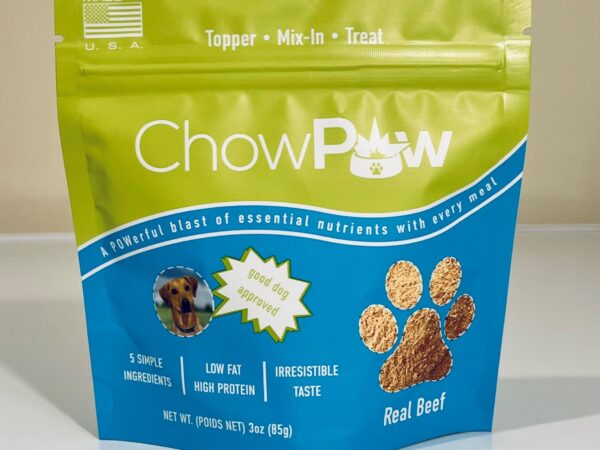 Dog Food Topper - Beef HeartOriginal price was: $14.99.$10.95Current price is: $10.95. - or subscribe and save up to 20%