
Dog Food Gravy: Easy Recipes for Picky Eaters
You scoop the kibble, set the bowl down, and wait for the usual happy response. Instead, your dog sniffs, looks at you, and walks away. If you've got a picky eater, that moment can feel surprisingly discouraging, especially when you're trying hard to feed a balanced meal your dog wants to eat.
That's why dog food gravy gets so much attention from dog owners. A good gravy can make dry food smell better, taste richer, and feel easier to chew. It can also help turn a routine meal into something your dog approaches with real interest. For senior dogs, dogs recovering from illness, or pups that seem bored with plain kibble, that change matters.
Dog food gravy can also do more than improve flavor. It can add moisture, help coat kibble more evenly, and carry nutrient-dense ingredients in a form many dogs find inviting. The key is choosing a gravy approach that supports your dog's health instead of working against it. Some options are simple and useful. Others bring hidden salt, fat, fillers, or ingredients dogs should never eat.
Transforming Mealtimes for Your Picky Pup
A lot of picky eating starts with a pattern owners know well. Your dog used to eat breakfast right away. Then meals got slower. Then the nosing started. Then one day your expensive kibble sat untouched until lunchtime.
Some dogs are fussy by personality. Others lose interest because the food feels repetitive, too dry, or hard to chew. Senior dogs may hesitate because crunchy pieces take more effort. Dogs recovering from stress, travel, or medication can also become selective. If that sounds familiar, common reasons dogs become selective at mealtime can help you think through what may be driving the behavior.
Dog food gravy is often the first change that gets real results because it solves several mealtime problems at once. It changes aroma. It softens texture. It helps dry kibble feel fresher and more appealing without forcing you to replace the base diet your dog already knows.
What owners usually want from gravy
Dog owners aren't trying to spoil their dogs. They're trying to help them eat.
- Better interest at the bowl so meals stop turning into a standoff
- A softer texture for dogs with tender teeth or slower chewing
- A simple way to boost nutrition without throwing out the kibble that already works
- More moisture in the meal when dry food seems too dry on its own
A useful gravy should make meals easier, more tempting, and more supportive. It shouldn't turn a balanced bowl into a salty, greasy treat.
That's where the idea becomes more practical than indulgent. A thoughtfully made gravy can be part of a healthy feeding routine. It can also help you stay consistent. Instead of rotating random toppers and hoping one sticks, you can use a repeatable method that makes meals more appealing while keeping your dog's main food in place.
The Nutritional Power of a Simple Gravy
A thin gravy over kibble isn't just about taste. It changes how the whole meal works.
For many dogs, especially older ones, dry food can feel hard, dusty, or boring. Adding moisture helps coat each piece so the meal smells stronger and feels easier to eat. That can matter when a dog is chewing slowly, swallowing cautiously, or losing enthusiasm halfway through the bowl.

Why moisture changes the meal
When you add liquid to kibble, you improve more than texture.
- Softer bites help dogs that struggle with crunchier food
- Stronger aroma can wake up appetite in hesitant eaters
- Better coating helps nutrient-rich ingredients reach every mouthful
- A more satisfying bowl can make mealtime feel less repetitive
A simple gravy can also act as a delivery system for nutrient-dense ingredients. That's one reason beef heart stands out. According to this overview of beef heart for dogs, beef heart is a natural source of iron (4–5mg per serving) and B vitamins, which support steady energy and endurance in dogs. Used as a supplement to kibble, not as a replacement meal, it adds nutritional value in a form many dogs enjoy.
Gravy works best as a booster
That point matters. Dog food gravy should support the meal already in the bowl, not unbalance it.
A good gravy foundation can help with:
| Benefit | Why it matters |
|---|---|
| Palatability | Dogs often respond better to food that smells richer and coats the kibble evenly |
| Texture | Moist kibble can be easier for seniors and sensitive chewers |
| Nutrient support | Supplement ingredients can be added in a concentrated, easy-to-serve form |
Practical rule: Think of gravy as a meal enhancer. It should help your dog eat the main diet more willingly, not replace the complete food your dog depends on.
That's also why the ingredient list matters so much. If a gravy is built from meaningful animal ingredients, it can support appetite and nutrition at the same time. If it's mostly salt, starch, or filler, it may make the bowl more exciting for a moment without doing much good for the dog eating it.
The Easiest Nutrient-Dense Gravy with ChowPow
Some gravy methods ask you to shop, cook, cool, chop, portion, and store. A dehydrated topper changes that routine. You get a gravy texture in seconds, and you can adjust thickness based on what your dog likes.
This approach works especially well when you want consistency. One day your dog may want a light broth over kibble. Another day a thicker coating may work better. With a dehydrated topper, you're not locked into one texture.

How to turn a topper into gravy
The basic method is straightforward.
- Add the topper powder to your dog's usual kibble, or mix it first in a separate bowl.
- Pour in warm water a little at a time.
- Stir until it reaches the texture your dog responds to best.
- Spoon it over the meal so the kibble gets evenly coated.
That flexibility is what makes this format practical. Some dogs like a glossy coating. Others prefer a looser gravy that sinks into the bowl. Because you're building the texture with water, you can make small changes without starting over.
Why many owners prefer this route
Homemade gravy can be worthwhile, but it comes with moving parts. You have to choose the meat, cook it correctly, avoid unsafe ingredients, handle storage, and keep the recipe simple enough that it doesn't drift into “human food” territory.
A dehydrated topper removes much of that uncertainty. It lets you make a gravy fast, with less mess and less room for kitchen mistakes. That's especially helpful on busy mornings, during recovery periods, or when you're trying to tempt a dog that won't wait through a long prep routine.
If you want to compare formats, dehydrated dog food toppers and how they work with kibble are worth a look because they show why powders often fit everyday feeding better than broth-heavy or cooked options.
The best gravy routine is the one you can use consistently. If it takes too much effort, many owners stop doing it after a few days.
Another advantage is control. You're not guessing how much liquid to use after the gravy has already been cooked. You start dry, add water, and stop when the bowl looks right. For dogs with changing appetites, that kind of control is more useful than it sounds. A dog that refuses plain kibble may accept the same meal once the scent and texture shift just enough.
Most important, a topper-based gravy stays in its proper role. It boosts the meal. It doesn't replace the complete kibble underneath. That keeps feeding simpler and helps owners improve mealtime appeal without rebuilding the entire diet.
Simple and Safe Homemade Dog Gravy
If you enjoy making your dog's food extras yourself, homemade dog food gravy can work. It just needs restraint. The safest version is much plainer than many owners expect.
The strongest homemade approach uses meat and water, then keeps everything else minimal. No onion. No garlic. No pan drippings from your dinner. No seasoning blend that was “probably only a little.” Dogs do best when the recipe stays boring by human standards.

A basic beef heart gravy method
A documented method for homemade gravy uses beef heart. According to this beef-heart gravy demonstration, the process involves cooking 1 cup of heart in 2–3 cups of water at 180°F (82°C) for 45 minutes, then chopping the cooked tissue finely and mixing the broth with kibble. The same source warns that onions are highly toxic and can cause hemolytic anemia, so they must be completely excluded.
Here's what that looks like in everyday practice:
- Start plain: Use beef heart and water only.
- Cook gently: Keep the temperature controlled rather than boiling aggressively.
- Chop finely after cooking: Large chewy bits can be less useful than a smooth gravy-style mix.
- Mix with kibble right away: The broth and chopped meat should lightly coat the food, not flood it.
Where homemade gravy goes wrong
Most homemade mistakes happen because owners think in terms of human cooking.
A person reaches for flavor. A dog needs safety first.
Common trouble spots include:
- Kitchen scraps: Roast drippings often contain onion, garlic, salt, or butter.
- Overcomplicating the recipe: More ingredients don't make a better dog gravy.
- Using too much organ meat: Homemade add-ins should stay supplemental.
- Poor storage habits: Fresh gravy spoils faster than a dry product stored correctly.
For owners who like preparing add-ons but still want ideas that stay focused on mealtime appeal, homemade dog food toppers for picky eaters can help you keep the recipe simple and dog-appropriate.
Homemade gravy can be a thoughtful option, but it asks for attention every single time. The margin for error is small when unsafe ingredients are sitting in the same kitchen.
That's the tradeoff. You get control, but you also take on the job of sourcing, cooking, checking, and storing everything yourself. For some owners that feels rewarding. For others, it quickly becomes one more task that's easy to skip when life gets busy.
Serving Storing and Safety Guidelines
The safest dog food gravy is the one that fits within the rest of your dog's diet. Serving size matters. Storage matters. Ingredient quality matters too.
A common mistake is thinking of gravy as “just a topper,” so the amount doesn't count. It does count. If you're using organ-based ingredients, they should stay in a supporting role rather than taking over the meal.

Portioning with care
A useful guideline from veterinary nutritionists is that organ meats like beef heart should make up no more than 10% of a dog's overall diet. That keeps nutrient support in balance and helps prevent the topper from crowding out the complete kibble underneath.
In practical terms:
- For picky eaters: Start with a light coating rather than soaking the whole meal.
- For senior dogs: Add enough liquid to soften texture without making the food soupy.
- For dogs recovering from illness: Keep the gravy easy to smell and easy to lap, then adjust based on appetite.
What to avoid in packaged gravies
Not every commercial gravy is a good shortcut. According to this discussion of dog gravy formulation and sodium levels, products with more than 1.5% sodium are associated with a 32% increased risk of sodium poisoning in small dogs, and that same source notes that organ meats should stay limited within the total diet. The larger lesson is simple. Read labels carefully, especially if the gravy is rich, heavily processed, or designed to mimic human-style sauce.
Safety note: Human gravy isn't a smart substitute for dog food gravy. Even when it smells irresistible, the salt, fat, and hidden ingredients can make it a poor fit for dogs.
Storing gravy without guesswork
Homemade gravy needs more care than dry toppers. It's fresh, moist, and more perishable, so you need clean containers and a routine you'll stick to. If you want a refresher on choosing food storage containers, that guide is helpful for thinking through material, seal quality, and day-to-day convenience.
A few habits make storage easier:
- Cool before storing: Don't seal steaming gravy immediately.
- Use small portions: This reduces repeated exposure every time you open the container.
- Label clearly: It helps everyone in the house know it's for the dog.
- Keep dry toppers dry: Shelf-stable powders are easiest to manage when protected from moisture and heat.
Storage isn't exciting, but it's part of feeding safely. A gravy that starts as a helpful appetite boost can become a problem if it's handled casually.
Frequently Asked Questions About Dog Food Gravy
Can I use human gravy on my dog's food
It's best not to. Human gravy often contains onion, garlic, added salt, fat, starches, or seasoning blends that weren't made for dogs. Even when the ingredient list looks short, it can still be richer and saltier than a dog should have.
How often can I serve dog food gravy
That depends on what the gravy is made from and how it fits into the rest of the diet. If it's being used as a meal enhancer, the safer approach is to keep it modest and supportive so the main kibble still does the heavy lifting nutritionally. Consistency matters more than making every meal heavy or rich.
Is dog food gravy helpful for seniors
Often, yes. Many older dogs respond well to softened kibble and stronger aroma. A light gravy can make food easier to chew and more interesting without changing the whole feeding plan.
What about dogs with kidney or liver issues
Owners need to slow down and get specific guidance from their veterinarian. A major problem in online advice is that many articles warn that gravy is “bad” because of salt but don't give precise, actionable guidance on dilution or alternatives for dogs with chronic health concerns. That leaves owners with a vague warning instead of a feeding plan.
For dogs with chronic conditions, don't guess with salty commercial gravies or rich homemade recipes. Ask your vet what liquid, texture, and ingredients make sense for your dog's medical needs.
Is gravy a replacement for kibble
No. Dog food gravy works best as a supplement or meal enhancement. It should make your dog's current food more appealing and, depending on the ingredients, add nutritional support. It shouldn't replace a balanced primary diet unless your veterinarian has told you to change feeding completely.
If you want an easier way to make kibble more appealing without turning to salty commercial sauces or labor-intensive homemade recipes, ChowPow is worth a look. It's designed as a meal enhancement, not a replacement for your dog's current kibble, so you can boost flavor, texture, and nutritional value while keeping the bowl balanced and familiar.
-
Product on sale
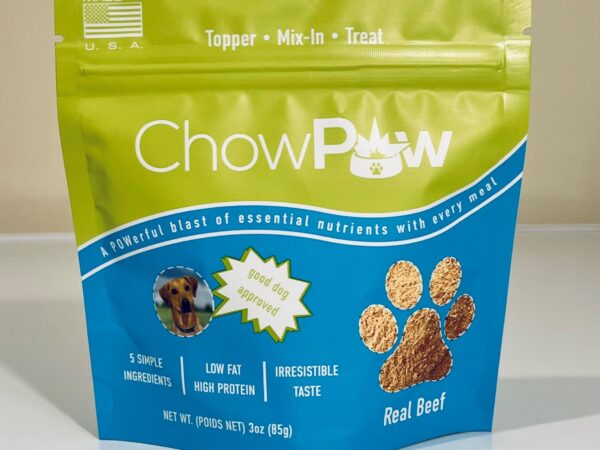 Dog Food Topper - Beef HeartOriginal price was: $14.99.$10.95Current price is: $10.95. - or subscribe and save up to 20%