

Freeze Dried vs Dehydrated Dog Food Showdown
When you're standing in the dog food aisle, the choice between freeze-dried and dehydrated options can seem a little confusing. The real difference all comes down to how the water is removed.
Freeze-drying is a cold process. It uses a specialized vacuum to pull all the moisture out, which is fantastic for preserving the food's original raw nutrients, texture, and flavor. On the other hand, dehydration uses gentle, low heat to slowly evaporate the water. It’s also a great preservation method, though the heat can slightly diminish some of the more delicate nutrients.
Understanding the Core Differences
Choosing the right food for your dog doesn't have to be complicated. Once you get the basics of freeze-dried vs. dehydrated food, the decision gets a lot simpler. Both methods are designed to preserve whole-food ingredients by removing water, which is what stops spoilage and locks in all that good nutrition. But it's how they do it that changes everything, from nutrient levels to the price you pay at the register.
Think of this as your starting point for understanding the big picture. We want you to feel confident as you dig into the details of each option. As you’ll see, both types of food offer incredible benefits, especially if you’re looking to add a nutritional boost to your dog’s main meal.
This visual breaks down the three main things to consider: the process, the nutrients, and the cost.
As you can see, while both get the job done, the cold process of freeze-drying really excels at keeping nutrients intact, which is often why it costs a bit more.
Quick Comparison Freeze Dried vs Dehydrated Dog Food
To make it even easier, here’s a quick-glance table breaking down the most important differences. Keep this in mind as we go deeper into what this all means for your dog.
| Feature | Freeze Dried Food | Dehydrated Food |
|---|---|---|
| Processing Method | Uses a cold vacuum (sublimation) to remove moisture. | Uses low, gentle heat to evaporate moisture over time. |
| Nutrient Retention | Excellent; preserves nearly all original raw nutrients. | Very good, but some heat-sensitive vitamins can be lost. |
| Preparation | Rehydrates very quickly, often in just a few minutes. | Requires a longer soaking time to fully rehydrate. |
| Cost | Generally more expensive due to the complex process. | More budget-friendly compared to freeze-dried options. |
This move toward minimally processed foods isn't just a hunch; the market shows it. The global freeze-dried dog food market was valued at about USD 2.74 billion in 2023, with food for adult dogs making up over half of that. It’s clear that pet owners everywhere are looking for higher-quality, nutrient-packed options for their four-legged family members. You can see more about the freeze-dried dog food market on Grandview Research.
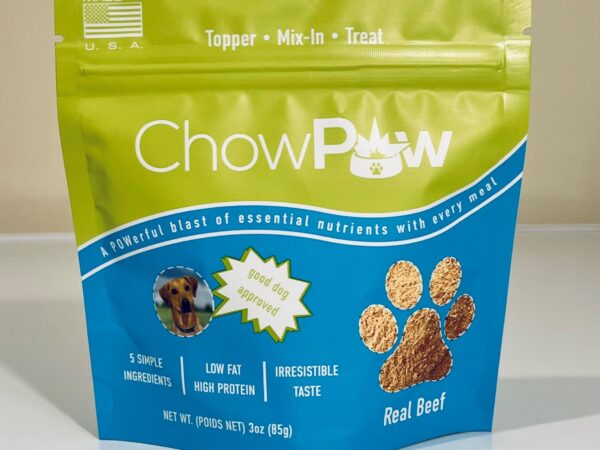
It's important to remember that products like ChowPow are designed as a meal enhancement or supplement. They are not a replacement for your dog's current kibble but a powerful way to boost its nutritional value and appeal.
When you're standing in the pet food aisle, the terms "freeze-dried" and "dehydrated" can seem pretty interchangeable. Both are preserved, right? Well, yes, but how they're preserved makes all the difference in the world to your dog's meal.
It all boils down to how the water is removed. Think of it this way: both methods turn fresh food into a shelf-stable product, but the path they take dramatically changes the final texture, nutrition, and even how you'll serve it. Getting a handle on these two processes is the first step to figuring out which is the right fit for your pup.
Freeze-Drying: A High-Tech Cold Snap
Freeze-drying is a seriously cool process—literally. It's a sophisticated, three-step method that’s all about preserving food as close to its raw, natural state as possible. Because it avoids heat, it's the go-to for locking in delicate nutrients that would otherwise be lost. This makes it a top pick for pet parents who want the benefits of a raw diet without the hassle or risk of handling raw meat.
So, how does it work in simple terms?
- The Big Chill: First, the raw food is flash-frozen to incredibly low temperatures, often below -30°F. This turns all the water inside the food into tiny ice crystals.
- Sublimation Station: Next, the frozen food goes into a powerful vacuum. This is where the magic happens. A process called sublimation turns the solid ice crystals directly into a gas (water vapor), skipping the liquid phase entirely.
- Final Touches: A tiny bit of warmth is introduced to remove any last traces of moisture. What's left is an ultra-light, porous food that keeps its original shape, color, and, most importantly, its nutritional punch.
Since there's no high heat, sensitive vitamins, amino acids, and enzymes stay intact. The final product is a shelf-stable powerhouse that springs back to life almost instantly with a little water.
Key Takeaway: Freeze-drying is a cold-vacuum process that turns ice straight into vapor. It’s the best method for preserving raw nutritional integrity, making it the closest thing to fresh, raw food you can get in a convenient, dry form.
Dehydration: Low and Slow Wins the Race
Dehydration is a much more traditional technique. It’s an age-old method that relies on circulating low, steady heat for an extended period to gently evaporate the moisture out of the food. It's like using a very slow, controlled oven—it dries the ingredients without really "cooking" them.
This process is fantastic for preventing spoilage and creating a long-lasting product. The food that comes out is typically denser and chewier than its freeze-dried cousin. While the low heat is gentle, it can cause a slight dip in some of the more delicate nutrients, like certain B vitamins and antioxidants.
Still, the popularity of dehydrated food is soaring, with the market projected to hit nearly USD 14.7 billion by 2033. This growth comes from its sweet spot of solid nutrition and better affordability. Most commercial dehydrators run around 180°F, which is enough to kill pathogens while still keeping most of the food's original goodness.
As a dehydrated meal topper, ChowPow uses this exact gentle process. The controlled heat ensures the beef heart is safe while concentrating its rich flavor and protein into a nutrient-dense powder. To learn more about keeping it at its best, check out ChowPow's guide to meat powder freshness. Once you understand the "how," you can look past the marketing and choose what truly works for your dog.
A Detailed Nutritional Showdown
The processing methods are different, sure, but what does that actually mean for your dog's dinner bowl? When you get down to it, the real nutritional tug-of-war between freeze-dried and dehydrated dog food comes down to nutrient retention and bioavailability. Both are leagues ahead of highly processed kibble, but they each bring something unique to the table.
Understanding these finer points is the key to figuring out which food format truly supports your dog's health. It’s about more than just protein and fat percentages; it's the delicate vitamins, enzymes, and textures that can completely change your dog's well-being, from their digestion right down to their excitement at mealtime.
The Impact on Nutrient Retention
The biggest difference between these two foods is how well they hold onto their nutrients. Freeze-drying, since it uses no heat, is the undisputed champ at keeping the food's nutritional profile almost identical to its raw state.
But dehydration is a very, very close second. The gentle, low heat is specifically designed to preserve the vast majority of nutrients while making the food safe and shelf-stable.
- Freeze-Dried Excellence: By sidestepping heat, this method protects heat-sensitive B vitamins, antioxidants, and crucial enzymes that help with digestion and metabolism. This makes it a fantastic choice for owners who want the full benefits of a raw diet without the risks and hassle.
- Dehydrated Reliability: While some of the more delicate nutrients might take a small hit from the low heat, dehydration still does an amazing job of locking in proteins, amino acids, and minerals. It’s an incredibly effective way to create a nutrient-dense food that’s both safe and easier on the wallet.
This is why freeze-dried foods are nutritionally closer to a raw diet. The process pulls out moisture at freezing temperatures, preserving everything from vitamins to flavor. Dehydration, on the other hand, uses gentle heat that can slightly degrade some of those sensitive nutrients. You can dive deeper into the benefits of freeze-drying for pet food on Metastat Insight.
Digestibility and Palatability Factors
Beyond the numbers on a nutrition label, your dog’s experience with the food is just as important. Digestibility is all about how easily their body can absorb and use the nutrients, while palatability is simply about taste, texture, and smell.
Freeze-dried food has a famously light, porous structure. When you add water, it becomes soft and feels a lot like fresh food, making it incredibly easy for dogs of any age to digest. That strong, natural aroma is also a huge draw for picky eaters.
Dehydrated food is typically denser and has more of a chew to it. That texture can be really satisfying for dogs who love to gnaw on things. Once rehydrated, it turns into a hearty, stew-like meal that many dogs go crazy for.
Important Reminder: ChowPow is designed as a meal enhancement, not a complete replacement for your dog's current food. Sprinkling our dehydrated beef heart topper over kibble is a fantastic way to boost its nutritional value and make mealtime more exciting for your pup.
Texture, Shelf Life, and Preparation
The practical side of things—like preparation and storage—also plays a big part in which food fits your life better. The differences in texture directly influence how you get each meal ready and how long a bag will last in your pantry.
Here’s a practical breakdown:
| Feature | Freeze-Dried Dog Food | Dehydrated Dog Food |
|---|---|---|
| Texture | Lightweight, airy, and porous. Crumbles easily. | Denser, tougher, and often chewier. |
| Preparation | Rehydrates almost instantly (1-3 minutes) with a little warm water. | Requires a longer soaking time (5-15 minutes or more) to fully soften. |
| Shelf Life | Extremely long, often 1-2 years or more, due to near-total moisture removal. | Very long, typically 6-12 months, but slightly shorter than freeze-dried. |
The super-fast rehydration of freeze-dried food makes it a lifesaver for busy mornings or for taking on the road. In contrast, the longer soak time for dehydrated food means you have to plan ahead a bit, but you’re rewarded with a satisfying, dense meal.
A Nuanced Look at the Cost
There’s just no getting around it: freeze-dried dog food is one of the most expensive options out there. The complex, energy-heavy process behind it drives the price way up. You’re essentially paying a premium for that maximum nutrient retention and quick-prep convenience.
Dehydrated dog food, however, offers a much more accessible way to get into minimally processed pet nutrition. The dehydration process is simpler and cheaper, which makes the final product more budget-friendly. It allows you to give your dog a high-quality, nutrient-dense meal without the sticker shock.
Ultimately, you have to balance your budget with your nutritional goals. For many dog owners, a dehydrated supplement like ChowPow is the perfect middle ground. It adds a powerful punch of high-quality protein and nutrients to your dog's existing kibble at a fraction of the cost of a full freeze-dried diet, making sure they get the good stuff without breaking the bank.
Choosing the Right Food for Your Unique Dog
Deciding between freeze-dried and dehydrated dog food goes way beyond a simple comparison when you bring in the most important factor: your dog. Every pup has its own quirks, health needs, and taste preferences. What works wonders for a high-energy young adult might not be the right fit for a senior dog with sensitive teeth.
The good news? Both freeze-dried and dehydrated foods are a huge nutritional step up from traditional kibble. Their gentle processing methods lock in vital nutrients and flavors, making them fantastic choices for a whole range of dogs. By looking at a few real-world scenarios, you can figure out which option will best support your furry friend's health and happiness.
Solutions for the Picky Eater
If you have a picky eater, you know the pain of serving a meal only to get a dismissive sniff and a turned-up nose. For these fussy pups, freeze-dried food is often the winner. The cold-vacuum process does an incredible job of preserving the raw meat's intense aroma and flavor, which is super enticing for dogs who are otherwise unimpressed with their food. Its light, airy texture also rehydrates quickly into a soft, palatable meal that mimics the experience of eating fresh food.
But don't count dehydrated options out. A dehydrated topper like ChowPow concentrates the rich, savory flavor of beef heart into a powerful powder. A simple sprinkle over their regular kibble can dramatically boost its appeal, turning a bland meal into something they’ll actually want to eat—no complete diet overall required.
Support for Sensitive Stomachs
Dogs with sensitive stomachs or digestive troubles often do much better on minimally processed diets. Since both freeze-dried and dehydrated foods are prepared so gently, their nutrients are highly digestible and easy on the gut.
The key benefits for sensitive dogs are pretty clear:
- Minimal Processing: Both methods skip the high-heat extrusion used for kibble, which can be harsh on a dog's digestive system.
- Limited Ingredients: Many of these foods stick to single-source proteins and fewer fillers, which lowers the chances of triggering an intolerance.
- Rehydration: Adding water to either food type is a big plus for digestion and helps make sure your dog stays properly hydrated—a must for a healthy gut.
Knowing what’s in their bowl is crucial. You can get a better handle on evaluating ingredients by checking out our guide on how to read dog food labels.
Comfort for Senior Dogs and Recovering Pups
As dogs get older, their needs change. Senior dogs often deal with dental problems, a weaker appetite, and a slower metabolism. In the same boat are dogs recovering from an illness or surgery; they need nutrient-dense, easy-to-eat meals to help them heal.
For these special cases, the soft, rehydrated texture of both freeze-dried and dehydrated foods is a game-changer. Soaking the food in warm water creates a gentle, mush-like consistency that requires minimal chewing and is easy to swallow.
The high nutrient density in both options ensures that even a small portion delivers a powerful punch of vitamins, minerals, and protein. This is especially important when their appetite is low, as every single bite counts toward their recovery and well-being. Using a dehydrated meal enhancer like ChowPow can provide this nutritional boost efficiently, making it simple to add critical nutrients to any meal they are willing to eat.
By considering these specific situations, you can move past the simple "freeze dried vs dehydrated dog food" debate and make a choice that truly serves your dog.
Boosting Your Dog's Kibble with a Serious Nutritional Kick
After weighing the pros and cons of freeze-dried vs. dehydrated dog food, you might be looking for a practical way to give your dog those minimally processed benefits without a massive, and often expensive, diet overhaul. It's a common feeling. Many dog owners want to provide better nutrition but feel locked into their current kibble, especially if their dog is picky or has a sensitive stomach.
This is where a high-quality meal enhancer makes all the difference. It lets you elevate your dog’s current food, packing it with more flavor and nutrients without the commitment of switching diets entirely. It’s the perfect first step into a world of better nutrition.
Meet ChowPow: The Dehydrated Meal Enhancer
Think of your dog’s daily kibble as a solid foundation. Now, imagine sprinkling a powerhouse of pure, single-ingredient nutrition right on top. That’s exactly what ChowPow was designed to do. As a dehydrated meal enhancer, it’s crafted to add the nutritional punch of beef heart directly to your dog's bowl.
It's really important to remember that ChowPow is a supplement, not a full meal. Its job is to work with your dog’s food, filling in nutritional gaps and making dinner time a whole lot more exciting. A simple scoop can turn an ordinary meal into something special.
Our gentle dehydration process locks in the rich, savory flavor and dense protein of the beef heart. This creates an incredible aroma that can tempt even the most stubborn picky eaters to finally clean their bowls. For dogs who have just lost interest in their food, this boost in palatability can be a total game-changer.
More Than Just a Flavor Boost
While getting a finicky dog to eat is a huge win, ChowPow’s real strength is its concentrated nutrition. Dehydration simply removes the water, meaning every single sprinkle is packed with high-quality protein, essential amino acids, and vital nutrients like taurine, iron, and B vitamins.
Here’s how it helps your dog’s well-being:
- Adds High-Quality Protein: Supports lean muscle, healthy energy levels, and overall vitality.
- Provides Essential Nutrients: Delivers a natural source of vitamins and minerals that often get diminished in highly processed kibbles.
- Improves Hydration: When mixed with a little warm water, ChowPow creates a savory gravy that not only tastes amazing but also encourages your dog to drink more. This is critical for kidney function and good digestion.
This approach makes better nutrition simple and affordable. You get all the benefits of minimally processed organ meat without the high price tag of a complete diet change. It’s the bridge that lets you provide a huge nutritional upgrade in one easy step.
ChowPow is an easy, impactful way to elevate your dog’s current food. It’s about making small, consistent changes that lead to big improvements in their health and happiness. You don't have to completely change their diet to make a real difference.
The Practical Power of a Dehydrated Topper
So, in the freeze-dried vs. dehydrated debate, a dehydrated topper like ChowPow offers a unique mix of convenience, affordability, and nutritional punch. The dehydration process results in a shelf-stable powder that’s super easy to store and measure, taking all the guesswork out of it.
You don't even have to rehydrate it unless you want to make a gravy, which makes it perfect for busy pet owners. A quick sprinkle is all it takes. This simplicity ensures you can consistently give your dog that extra nutritional support, day in and day out.
Choosing a dehydrated topper is a smart, targeted investment in your dog’s health. It’s a practical way to introduce the benefits of a less-processed diet and tackle specific issues like picky eating. ChowPow makes it easy for every pet parent to feel confident they're giving their dog the very best, without having to replace their trusted kibble.
Got Questions About Freeze Dried and Dehydrated Dog Food?
Diving into the world of freeze dried vs. dehydrated dog food usually brings up a few common questions. When you’re trying to pick the right option, getting clear, straightforward answers helps you feel confident you're making the best choice for your pup. We've gathered some of the most frequent questions from fellow pet owners to help clear things up.
It’s one thing to know the nutritional specs, but understanding the practical side—from safety to daily use—is just as crucial for fitting these foods into your dog's routine and getting the most out of them.
Is One Food Type Safer Than The Other?
When we talk about safety, both freeze-drying and dehydration are fantastic at preventing spoilage. They both work by removing moisture, which stops bacteria from growing. Where they differ is in how they handle potential pathogens from the start.
Freeze-drying is a cold process, so it doesn't rely on heat to kill bacteria. Because of this, reputable brands will often use High-Pressure Processing (HPP) on the raw ingredients before freeze-drying. This step is key for neutralizing nasty pathogens like Salmonella or E. coli, making the final product safe to serve.
Dehydration, on the other hand, uses low, consistent heat—typically around 140-180°F. This gentle heat is more than enough to kill off bacteria while slowly drying out the food, giving it an extra layer of safety through a kind of thermal pasteurization.
The Verdict: Both food types are extremely safe when they come from a reputable manufacturer with strict quality control. The most important thing is to choose brands that are open about their safety steps and where they source their ingredients.
How To Add These Foods To Your Dog’s Kibble
You don’t have to completely ditch your dog's current food to give them a major nutritional upgrade. In fact, one of the easiest ways to incorporate these nutrient-packed foods is as a meal enhancer.
The idea is to supplement their diet, not replace it entirely. A good starting point is to reduce your dog's kibble by about 10-15% to make room for the new calories. From there, you can add the food in a couple of simple ways:
- As a Dry Topper: Just crumble up some freeze-dried pieces or sprinkle a dehydrated powder like ChowPow right over their kibble. It adds a pop of flavor and a crunchy texture that picky eaters often can't resist.
- As a Hydrating Gravy: Mix the freeze-dried or dehydrated food with a little bit of warm water. Let it sit for a few minutes until it thickens into a savory gravy, then pour it over their meal. This boosts nutrition and helps with hydration at the same time.
No matter which way you go, always introduce any new food slowly over a week. This gives your dog’s digestive system time to adjust and helps avoid any potential tummy upset.
Storing And Preparing These Foods Correctly
Proper storage is non-negotiable for keeping both freeze-dried and dehydrated foods fresh and safe. Their long shelf life is all thanks to being dry, so keeping moisture out is rule number one.
Always store the food in its original resealable bag or move it to a completely airtight container. A cool, dark pantry is perfect—definitely not a damp basement or a hot garage. Sunlight and humidity are the biggest enemies here.
When it comes to preparation, always use clean bowls and scoops. If you’re rehydrating the food, only make enough for one meal at a time. Any rehydrated leftovers that have been sitting out for more than a couple of hours should be tossed to prevent any chance of bacterial growth. Following these simple habits ensures every meal is as good as the first.
Ready to give your dog's kibble a powerful nutritional boost? ChowPow makes it easy to add the concentrated goodness of dehydrated beef heart to every meal.
-
Product on sale
 Dog Food Topper - Beef HeartOriginal price was: $14.99.$10.95Current price is: $10.95. - or subscribe and save up to 20%