
How to Get a Dog to Eat More: A Practical Guide for Worried Owners
If you’re trying to figure out how to get your dog to eat more, the first and most crucial step is to understand why they stopped eating in the first place. A sudden disinterest in food could be a simple behavioral quirk, like boredom, or it could be a sign of an underlying medical issue. Knowing the difference is critical to getting them back on track.
Decoding Why Your Dog Isn't Eating
It’s a familiar worry for any dog parent: you put down a full bowl of their favorite food, and they just sniff it and walk away. Before you can fix the problem, you need to play detective for a bit. A dog’s refusal to eat can come from a huge range of causes, from simple pickiness to more serious health concerns.
Pinpointing the root cause is everything. This means taking a good look at their overall behavior, thinking about any recent changes in their environment, and watching for any other signs that something might be off.
Behavioral vs. Medical Causes
So, is your dog just being a picky eater, or is there something more serious going on? Here’s a quick breakdown to help you tell the difference. This table can help you start connecting the dots between what you're seeing and what might be causing it.
| Behavioral vs Medical Reasons Your Dog Isn't Eating | ||
|---|---|---|
| Cause Category | Potential Reason | What to Look For |
| Behavioral | Stress or Anxiety | A recent move, a new family member (human or furry), changes in your schedule, loud noises like thunderstorms. |
| Behavioral | Food Boredom | Turning their nose up at their regular kibble but getting excited for treats or human food. |
| Behavioral | Too Many Treats | Filling up on high-calorie snacks between meals and having no room left for dinner. |
| Medical | Dental Pain | Dropping food, chewing on one side of the mouth, bad breath, reluctance to let you touch their face. |
| Medical | Upset Stomach | Vomiting, diarrhea, lethargy, drooling, or a hunched posture. |
| Medical | Underlying Illness | A complete loss of appetite combined with other symptoms like weakness, fever, or changes in drinking/urination habits. |
As you can see, the clues are often in your dog's other behaviors. A dog who skips a meal but is otherwise happy and energetic is very different from one who refuses food and also seems lethargic or uncomfortable.
For a deeper dive, check out our guide on the many causes for loss of appetite in dogs.
A sudden and complete refusal to eat, especially for more than 24 hours, is a significant red flag. While occasional pickiness is common, a drastic change in eating habits warrants closer observation and potentially a call to your veterinarian.
This growing focus on pet wellness is a big deal. The global dog food industry is even projected to hit $82 billion by 2026, largely because owners are looking for foods that solve specific health problems. With nearly 23% of dogs now considered seniors, there's a huge demand for formulas that support them.
Pet parents are actively searching for ways to boost their dog's diet with high-quality, tempting nutrition—including specialty toppers that stimulate appetite and improve overall health. Once you have a better idea of what’s causing your dog’s picky eating, you can choose the right path forward.
Simple Ways to Immediately Boost Their Appetite
Once you’ve had a chat with your vet and ruled out any pressing medical concerns, it’s time to try a few simple tricks to make mealtime exciting again. These aren’t about overhauling your dog’s entire diet overnight. Instead, think of them as quick, easy wins to get your dog interested in their food bowl right now.
A dog’s world revolves around their nose, and you can absolutely use that to your advantage. One of the easiest tricks in the book is to gently warm up their food. A few seconds in the microwave (just be sure to stir it well to get rid of any hot spots!) can release a huge wave of enticing aromas that a picky dog finds hard to resist.
Enhance Flavor and Texture
Adding a bit of warm liquid is another game-changer. You can use plain warm water, but a splash of low-sodium bone broth is even better. It not only softens up dry kibble, making it easier to chew, but it also adds a rich, savory flavor that most dogs go crazy for.
It's not just anecdotal, either. Simple changes like warming food or adding a tasty liquid can boost a dog's willingness to eat by up to 30%. With over 33.2% of households owning dogs, it’s clear that finding reliable solutions for picky eating is a huge priority for pet parents everywhere. You can find more pet care insights from the Global Pet Expo 2025 on petfoodindustry.com.
Pro Tip: Never underestimate the power of environment. Serve your dog’s meal in a quiet, calm space away from household chaos. If you have multiple pets, feed them separately to prevent competition or distraction, which can cause anxiety and suppress appetite.
Leverage Routine and Environment
Dogs are creatures of habit—they absolutely thrive on a predictable schedule. Setting up a consistent feeding routine, with meals served at the same time each day, helps regulate their digestive system and builds a sense of anticipation for food. This works far better than "free-feeding" (leaving food out all day), which often just teaches them to graze and lose interest.
Here are a few other simple tactics that can make a world of difference:
- Hand-Feeding: If your dog is feeling a little anxious or under the weather, the comfort of being fed by hand can be just the encouragement they need. It’s a great way to build a positive, gentle connection with mealtime.
- Try a Different Bowl: It sounds strange, but some dogs are genuinely particular about their bowls. A clanky metal bowl might be scary, or a deep one could cause "whisker fatigue" for some breeds. Try serving their food on a shallow plate or in a ceramic bowl to see if it helps.
- A Pre-Meal Walk: Taking your dog for a short, easy walk about 20-30 minutes before you feed them can do wonders. It helps kickstart their metabolism and builds up a natural, healthy hunger.
These immediate strategies are powerful tools for any dog owner dealing with a finicky eater. If they don't do the trick, it might be time to look at boosting the nutritional value of their regular kibble.
Supercharging Their Kibble With Meal Enhancements
When simple tricks like warming food don’t quite cut it, you might need a little something extra to entice your dog. This is the perfect time to bring in a high-quality meal enhancement, which can turn a boring bowl of kibble into something they can't wait to eat—without having to switch their entire diet.
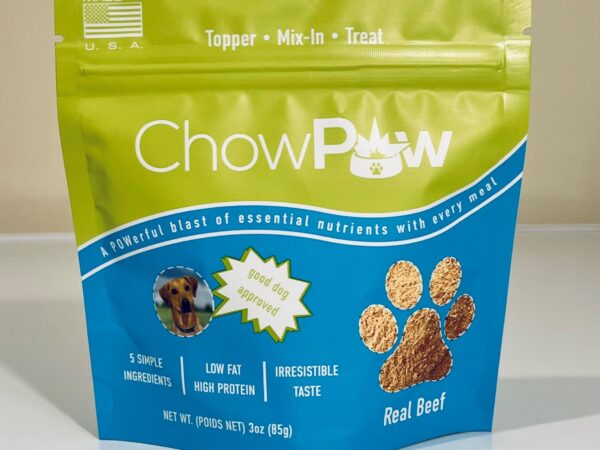
Think of it less as a replacement and more as a nutritional booster that adds incredible flavor and key nutrients to their existing food. A meal enhancement like ChowPow, which is a powdered beef-heart topper, is made for exactly this situation. It's not a meal substitute; it's designed to boost the nutritional value and taste of their current kibble. It adds that savory, meaty taste dogs are hardwired to love, often solving the "how to get my dog to eat" puzzle in one simple scoop.
Why Meal Toppers Work Wonders
Meal toppers are a game-changer for picky eaters because they tap right into a dog's most powerful sense: their nose. A sprinkle of a high-quality topper releases a concentrated aroma that signals something delicious is on the menu, kicking their appetite into gear before they've even taken a bite.
But it’s not just about taste. A great meal enhancement adds serious nutritional value to their diet. ChowPow, for example, is made with beef heart, a true superfood for dogs that’s loaded with iron, zinc, and essential amino acids. This gives their meal a functional boost, supporting everything from their energy levels to immune health.
A meal enhancement should be simple, clean, and effective. The goal is to boost the appeal and nutritional value of their existing food, making it a powerful, healthy solution for picky eaters and dogs needing an extra lift.
How to Introduce a Meal Topper
Getting started with a meal enhancer is easy. The trick is to go slow, giving your dog a chance to get used to the new taste and texture.
Here's my go-to method:
- Start Small: Don't go all-in right away. Just sprinkle a tiny amount—way less than the recommended serving—over their regular kibble. This introduces the new flavor without being too much, too soon.
- Mix It In: Gently stir the powder so it coats the kibble pieces. This is key! It ensures they get the new flavor with every bite instead of just licking the tasty powder off the top and leaving the rest.
- Increase Slowly: Over the next few days, you can gradually increase the amount until you reach the recommended serving size for your dog's weight.
This gradual approach helps prevent any tummy troubles and keeps mealtime a positive, stress-free experience. If you want to dive deeper, we have a detailed guide on the best dog food toppers for picky eaters with even more tips.
Comparing Common Meal Topper Options
With so many choices out there, it can be tough to decide what to add to your dog's bowl. Here's a quick breakdown of some popular options to help you find the perfect fit for your pup's needs and preferences.
| Topper Type | Key Benefit | Best For | Pro Tip |
|---|---|---|---|
| Powdered Toppers | Highly concentrated flavor & nutrients; easy to mix | Picky eaters who need an aroma boost; adding specific nutrients | A little goes a long way. Start with a quarter of the recommended dose. |
| Wet Food Mix-Ins | Adds moisture and a soft texture | Dogs who dislike dry kibble; seniors with dental issues | Warm it slightly in the microwave to make it even more aromatic. |
| Freeze-Dried Raw | High-value protein; minimally processed | Boosting protein content; dogs on a limited-ingredient diet | Crumble it over the food or rehydrate it with a little warm water first. |
| Bone Broth | Excellent for hydration and joint support | Dogs recovering from illness; adding moisture without many calories | Look for low-sodium options made specifically for dogs to avoid excess salt. |
Choosing the right topper is all about knowing your dog. Whether you need an intense flavor boost from a powder or the soft, hydrating appeal of bone broth, there's an option that can make mealtime exciting again.
This focus on enhancing meals is part of a bigger trend. The global dog food and snacks market is expected to hit USD 4.4 billion by 2035, which really shows how much owners are investing in premium, functional products for their pets. It’s a shift toward providing nutritionally complete meals, not just filling a bowl. You can get more information on these pet food market trends from futuremarketinsights.com.
Building a Positive and Predictable Feeding Routine
How and when you feed your dog is just as critical as what you actually put in their bowl. Dogs really do thrive on routine. Creating a structured, positive schedule can turn mealtime from a daily struggle into a happy, predictable event they genuinely look forward to.
Consistency is everything. Feeding your dog at the same times each day helps regulate their digestive system and gets their body into a rhythm. This internal clock can be a powerful appetite stimulant, making them hungrier and more receptive to food when it’s offered.
Creating a Special Mealtime Event
Try to make feeding time a calm, focused occasion. If you have a busy household, this might mean feeding your dog in a separate room or a quiet corner, away from a lot of foot traffic, loud kids, or other pets. The goal is to create a low-stress bubble where your dog feels safe enough to focus on their meal without distractions.
A short, calm walk about 20-30 minutes before their meal can also work wonders. This little bit of gentle exercise helps kickstart their metabolism and build a natural hunger, priming them to be more interested in food when you serve it.
A common mistake I see is owners hovering over their dog while they eat. This can make them feel pressured or anxious, which is the last thing you want. Just present their food and walk away. Give them some space to eat in peace.
Implementing the 15-Minute Rule
If you’re dealing with a picky eater (and not a dog who is genuinely unwell), the "15-minute rule" can be an incredibly effective tool. It’s a gentle way to teach your dog that food is offered at specific times and won't be left out all day for grazing.
Here’s the simple breakdown:
- Present the Meal: Put down your dog’s food bowl. You can make it more appealing with a sprinkle of a nutritious meal enhancement like ChowPow to boost the aroma and flavor of their existing kibble.
- Set a Timer: Give your dog 15-20 minutes to eat.
- Remove the Bowl: Once the time is up, calmly pick up the bowl—it doesn't matter if it's empty or still full.
- Wait Until the Next Meal: This is the important part. Don’t offer any other food or treats until their next scheduled feeding time.
This method isn’t about punishment; it’s all about creating structure and predictability. It teaches your dog to eat when food is available instead of holding out for something better. Over time, this simple routine helps regulate their appetite and reinforces a healthy feeding schedule, ensuring their kibble remains the main event.
Special Considerations for Senior or Ill Dogs
When a senior dog or a dog managing a health issue starts turning up their nose at food, it calls for a different kind of approach. Their needs are unique, and the tricks that work for a fussy puppy often miss the mark entirely. As dogs get older, their senses of smell and taste can start to fade, making their once-favorite kibble seem totally uninteresting.
On top of that, older dogs are often dealing with dental problems that make chewing hard food a painful chore. For these special companions, a few simple adjustments can make a world of difference in getting them the nutrition they need to feel their best.
Adapting Meals for Comfort and Appeal
The goal here is to make their food as easy and tempting as possible. This could be as simple as switching to a softer food or soaking their usual kibble in a little warm, low-sodium bone broth to make it easier to chew. Using an elevated food bowl can also be a game-changer for their comfort, especially for dogs with arthritis or neck pain, as it reduces strain.
What if your dog is on a strict prescription diet that they find completely unappetizing? A powerful, aromatic meal topper can be a lifesaver. A sprinkle of a highly palatable supplement like ChowPow can dramatically boost the food's appeal without replacing their prescribed nutrition. The rich, meaty scent of beef heart can be just the thing to kickstart a weakened sense of smell and get them interested in their bowl again.
It's so important to remember that any significant change to an older or ill dog's diet should be run by your veterinarian first. They can help you make smart adjustments that support their appetite while staying in line with their specific health needs.
This decision tree gives you a simple, compassionate path to follow when helping your senior or ill dog eat more.
This visual guide breaks down the process, starting with the easiest fixes and moving toward professional help if those don't do the trick.
Gentle Encouragement and Nutritional Support
When you're trying to get a senior dog to eat, patience is everything. Instead of two large meals, try offering smaller, more frequent ones throughout the day. This can feel less overwhelming for them and is often gentler on their digestive system.
This is also a great time to focus on nutrient-dense foods. We have a detailed guide that can help you find the best food for senior dogs, covering everything from joint support to cognitive health. The goal is to make every single bite count, ensuring they get the most nutritional bang for their buck from whatever they're willing to eat. By pairing your vet's guidance with some compassionate care at home, you can create the supportive environment they need to thrive.
Knowing When It's Time to Call the Vet
Look, most of the time, a picky eater is just being… well, picky. It's often a behavioral quirk we can manage. But it’s absolutely crucial to know the difference between a fussy dog and a sick dog. The tips in this guide are fantastic for coaxing a stubborn eater, but they are never, ever a substitute for a vet's diagnosis.
A dog who is occasionally turning their nose up at dinner is one thing. A dog that suddenly refuses all food is something else entirely. If your dog has gone more than 24 hours without eating anything, it’s time to pick up the phone. That's a huge red flag that something more serious is going on.
Watch for These Warning Signs
Think about the whole picture, not just the food bowl. An empty bowl is worrying, but an empty bowl plus other symptoms? That requires immediate action. Don't "wait and see" if you notice any of these signs along with a loss of appetite:
- Lethargy or Weakness: Is your dog just wiped out? If they're sluggish, unusually tired, or just have no "get-up-and-go," pay attention.
- Digestive Upset: This is a big one. Any persistent vomiting or diarrhea can quickly lead to dehydration and often points to a bigger problem.
- Sudden Weight Loss: A noticeable drop on the scale or seeing your dog's ribs more clearly for no apparent reason is a major cause for concern.
- Signs of Pain: Is your dog whimpering, hunching over, or flinching when you try to pet them? Pain is a common appetite killer.
You know your dog better than anyone. Your intuition is one of the most powerful tools you have. If something just feels "off," trust that gut feeling. It’s always better to be safe and get a professional opinion. Acting quickly can make all the difference in the world.
When you're armed with this knowledge and trust your own judgment, you're in the best position to make the right call for your dog's health.
Still Have Questions? Let's Dig In.
Even with the best game plan, a few questions always pop up when you're trying to coax a picky eater back to their bowl. Here are some of the most common ones we hear from fellow dog owners.
Should I Just Switch My Dog's Food Completely?
It’s tempting to think a brand new bag of food is the magic bullet, but a sudden switch is more likely to cause an upset stomach than a clean bowl. Any food transition should be done slowly, over the course of 7-10 days, to give their digestive system time to adjust.
Before you go that route, try making their current food more interesting. A simple sprinkle of a high-value topper, like ChowPow, can often be all it takes to boost the aroma and get them excited about what’s already in their bowl.
What About Adding a Little Human Food?
A spoonful of plain, cooked chicken or a little pumpkin can seem like a harmless fix, and sometimes it works in a pinch. The problem is, it can quickly become a bad habit.
Many human foods are actually toxic to dogs, and worse, you might be accidentally training your dog to hold out for the "good stuff."
A much safer and more reliable strategy is to use a balanced, dog-specific meal enhancer. You get all the benefits of added flavor and nutrition without the risk of creating an even pickier eater.
How Much ChowPow Should I Actually Use?
When you first introduce a new topper, less is more. Start with just a light dusting over their food. This gives your dog a chance to get used to the new smell and taste without it being too much, too soon.
Once they’re showing interest, you can slowly work your way up to the recommended serving size on the package, which is usually based on your dog's weight. Remember, the goal is to enhance their existing kibble and boost its nutritional value, not to replace it entirely.
Ready to put the excitement back into mealtime? See how ChowPow can turn bland kibble into a feast with the pure, simple power of beef heart. Check us out at https://chowpownow.com to learn more.
-
Product on sale
 Dog Food Topper - Beef HeartOriginal price was: $14.99.$10.95Current price is: $10.95. - or subscribe and save up to 20%