
How to Help Picky Eaters with ChowPow and Feeding Tips
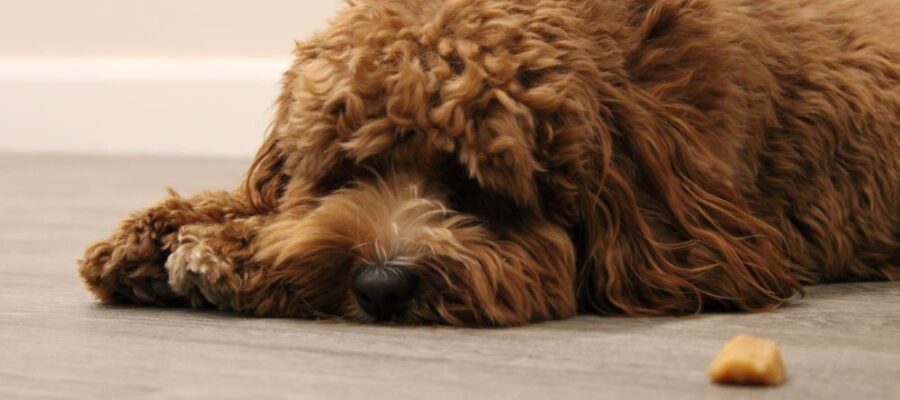
You know the look. Your dog walks up to the bowl, sniffs it twice, maybe even paws at the floor, then wanders off like dinner was never the point. If that sounds familiar, you're not dealing with a rare problem, you're dealing with a common one, and the fix usually starts with better structure, not more pressure.
A 2024 survey reported that 7 in 10 parents said their dog is pickier with food than their kids, and owners most often responded by reducing human food, adding toppers, or slowly transitioning to a new food by mixing it with the old one (survey summary). That lines up with what pet owners already try at home, but the best results usually come when appetite support is paired with a steady routine, sensible portions, and the right texture.
Why Some Dogs Refuse Their Food
A dog that circles the bowl and walks away is usually telling you something, even if the message is frustratingly vague. Sometimes the issue is simple preference, a learned habit, or distraction. Other times, the same behavior shows up because eating hurts, smells feel off, or the dog doesn't feel well enough to finish a meal.
The first question is whether this is preference or a problem
Picky eating can be behavioral, but it can also be a sign that something physical is going on. That's why it helps to look at the whole picture, not just the bowl. If your dog has always been slow to eat, preference may be the main issue. If the change is sudden, pain or illness moves much higher on the list.
There's also a practical reason owners get stuck here. Many people keep changing foods, adding more extras, or hand-feeding in response to one skipped meal. That can accidentally train the dog to wait for something better, especially when food comes and goes without a schedule.
Practical rule: the more unpredictable the routine, the easier it is for a dog to turn meal skipping into a habit.
A good starting point is understanding whether your dog's refusal is tied to appetite loss, dental discomfort, nausea, or sensory sensitivity. If you want a deeper breakdown of the medical side, this guide on what causes loss of appetite in dogs is worth reading before you keep experimenting at home.
Spotting Red Flags and When to See a Vet

A dog who snubs breakfast once is not always in trouble. A dog who suddenly stops eating, loses weight, vomits, or seems painful around the mouth needs a closer look. That's the difference between a finicky meal pattern and a health concern that shouldn't be managed with toppers alone.
What deserves a call to the clinic
Watch for changes that go beyond ordinary fussiness. Sudden appetite loss, noticeable weight change, vomiting or diarrhea, and visible dental problems like bleeding gums or pain while chewing all deserve veterinary attention. If your dog's interest in food drops and it lasts more than a day, that's not the time to keep guessing.
Authoritative guidance also frames picky eating as a medical or sensory red flag when it affects weight or involves sensitivities (Illinois Early Learning Toolkit). That idea translates well to dogs, because a dog that's struggling with chewing, nausea, or recovery pain won't benefit from endless trial-and-error feeding changes. It needs a reason-driven plan.
Ask your vet very direct questions. Bring up any recent medication changes, chewing difficulty, stool changes, or skipped meals. If your dog is older, recovering from illness, or seems selective only when textures change, say that clearly. Those details help separate a behavior pattern from something that needs treatment first.
Building a Consistent Feeding Routine

A dog that picks at food all day often loses the clear hunger cue that makes a meal appealing. A steady routine brings that cue back. Regular mealtimes also make it easier to spot the difference between ordinary fussiness and a dog that is drifting into a medical or recovery issue.
Use the clock, not guessing
Veterinary guidance recommends putting food down for only 15 to 20 minutes, then removing it, and checking in with a vet if appetite changes continue for 12 to 24 hours (American Kennel Club). VCA Hospitals also supports structured meal times, avoiding treat-heavy grazing, and changing foods gradually over 7 to 10 days (VCA Hospitals). That gives you a behavior-first routine without turning every meal into a negotiation.
A simple feeding schedule can stay very practical:
- Pick consistent meal times. Morning and evening fit many households.
- Set the bowl down for a short window. Keep the dog focused on the meal.
- Remove uneaten food. Don't let grazing become the default.
This approach also helps with portions and waste, because you can see what your dog finishes instead of topping off a bowl all day. It can also make the rest of the household easier to manage, since a clear plan helps you plan budget-friendly meals and cuts down on the urge to hand out extra human food at dinner. If a dog is recovering, older, or on medication, that predictability gives you a cleaner starting point for using a topper or adjusting texture without guessing at appetite.
Keep treats modest between meals. Frequent snacking can blunt hunger and make every bowl less appealing.
For dogs that need extra interest at the bowl, a steady routine pairs well with a targeted food topper, such as a dehydrated beef heart topper, because you can add aroma and value without losing control of the feeding schedule.
Making Meals Smell and Taste Irresistible

Some dogs are not rejecting the food itself. They are reacting to smell, texture, or the way the meal is presented. A bowl can look fine to you and still feel unappealing to a dog that has already decided the experience is dull, rushed, or stressful.
Start with scent and setting
A small change in aroma often makes the biggest difference. Warming food can bring out smell, and a quieter feeding spot can help dogs who lose interest when the kitchen is busy or full of distractions. North Carolina State University's veterinary nutrition guidance also points to low-sodium broth in small amounts and keeping toppers under 10% of total intake, which helps you add appeal without turning the meal into something unbalanced (NC State Veterinary Hospital).
The same guidance supports puzzle feeders for dogs that eat better when mealtime feels more engaging. Wet food can also work well if the underlying issue is aroma or mouthfeel rather than a true lack of appetite. The practical rule is to change one factor at a time, then watch the dog's response closely so you know what proved beneficial.
Some dogs need a more targeted boost, especially after illness, during recovery, or when appetite is fading but not gone. In those cases, I prefer a light, protein-forward enhancer that improves the meal without replacing it, such as ChowPow dehydrated beef-heart toppers. For owners who want a broader look at topper options, the Peak Performance nutrition podcast is another useful perspective on how small additions can support appetite without crowding out the main diet.
Mixing Nutrient Boosters and DIY Topper Recipes

A topper should make the meal more appealing without turning it into a different diet. Keep the main kibble in place and use a light, intentional boost, not a bowl full of extras. The point is better intake, not a new routine that confuses the dog or the owner.
Simple ways to use a dehydrated topper
ChowPow-style dehydrated beef-heart toppers fit that approach well because they can be sprinkled over food, mixed with water, or used in small amounts to make meals more tempting. For a dog that needs a gentle nudge, a thin dusting over kibble often works better than burying the base food under too much flavor. If hydration is part of the problem, mixing a topper with water can also make the meal easier to approach. For home cooks who want to build their own versions, homemade dog food toppers for picky eaters offers a practical starting point.
Keep any topper under 10% of daily calories so the diet stays balanced and the topper does not crowd out the main food. That is the part many owners miss when they start adding extras to every bowl. A small amount can help a dog start eating, while too much can train the dog to wait for something better.
Some dogs need a more targeted boost during recovery or when appetite is fading but not gone. In those cases, I prefer a protein-forward enhancer that supports the meal without replacing it, and that is where ChowPow dehydrated beef-heart toppers fit in well. For owners who want a broader perspective on how small food changes affect appetite and acceptance, the Peak Performance nutrition podcast is a useful reminder that familiar flavors and low-pressure presentation often matter more than force.
The best topper improves the meal without teaching the dog to expect a brand-new bowl every day.
Hiding Medicine and Feeding Seniors or Sick Dogs
Older dogs and recovering dogs need a different playbook. A dog with sore teeth, nausea, or post-surgery discomfort may not be refusing food out of stubbornness at all. In those cases, softer textures, gentler presentation, and small, nutrient-dense meals can make the difference between a stressful struggle and a workable routine.
Make the meal easier to take in
Picky eating in older dogs or dogs recovering from illness isn't just behavioral, and the most useful strategies usually focus on soft textures, hydration support, and nutrient-dense enhancers (EIC Clearinghouse). That means softening kibble, serving smaller portions more often if nausea is an issue, and making food easier to approach if chewing is uncomfortable. Raised bowls can also help some seniors who struggle with posture or mobility.
Medication masking works best when it's part of a meal the dog already wants to eat. A spoonful of moist food can hide a pill more successfully than a full bowl that the dog has to commit to finishing. The point is not to trick the dog every time, it's to reduce friction so meds and calories go down.
If you're looking for vet-minded feeding ideas that handle sensitive situations carefully, FloofChonk's vet-approved recommendations are a useful reminder that special diets and medical feeding need more caution, not more improvisation.
Bringing It All Together
A picky eater usually improves faster when you stop reading every skipped meal as a separate crisis. Start with health first, because dental pain, nausea, or another medical issue can make a dog avoid food for reasons that have nothing to do with preference. Once that is ruled out, the work becomes steadier, keep a feeding routine, adjust aroma and texture, and use a topper as support rather than the whole plan. Dogs notice patterns quickly, and predictable meals often do more than constant experimentation.
A practical approach keeps the process simple. Offer food during a short, consistent window, then pick it up so mealtime has clear edges. Watch for warning signs that point to a vet visit. Change one thing at a time, whether that means warming the food, softening the texture, or adding a modest topper. Give the dog enough time to show a real shift in appetite, not just a one-bowl test that tells you nothing about the bigger pattern.
That same approach is why a dehydrated beef-heart topper like ChowPow can fit into the picture without taking it over. It works best as one small tool among several, after health concerns have been considered and the feeding routine is already in place. For dogs that need a stronger smell, better taste, or a little more interest at the bowl, it can help make kibble more appealing while still keeping the current diet at the center of the plan. Used that way, ChowPow supports the practical habits that matter most, and it gives you a simple option to try when a finicky dog needs encouragement, recovery support, or just a better reason to finish dinner.
A CTA for ChowPow.
-
Product on sale
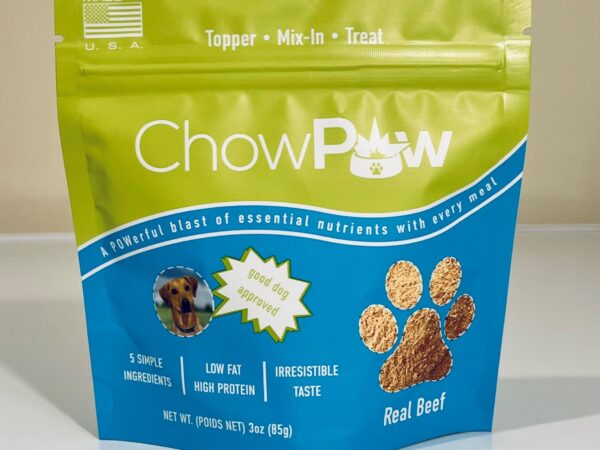 Dog Food Topper - Beef HeartOriginal price was: $14.99.$10.95Current price is: $10.95. - or subscribe and save up to 20%