
A Worried Owner’s Guide on How to Increase Dog Appetite
Before you can figure out how to get your dog interested in their food again, you need to turn into a bit of a detective. Why have they suddenly stopped eating? The answer to bringing back their mealtime excitement almost always starts with figuring out the root cause, which could be anything from a hidden health problem to something as simple as stress.
Decoding Your Dog's Lost Appetite
It’s a moment every dog owner knows and hates. You put down a bowl of food for your usually ravenous pup, but instead of diving in, they give it a sniff and walk away. A sudden loss of appetite (what vets call anorexia) isn't just a quirky behavior—it's a sign that something is off. To find the right solution, you first have to investigate the potential culprits.
The reasons a dog might go on a food strike generally fall into two buckets: medical issues or behavioral and environmental factors. It's really important to look at both to get the full story.
Uncovering Potential Medical Reasons
More often than not, the first clue that a dog isn't feeling well is a change in their eating habits. A dog who feels sick just isn't going to be interested in food.
Some of the most common medical triggers include:
- Dental Pain: A cracked tooth, sore gums, or an injury inside the mouth can make chewing an agonizing experience. If you notice your dog dropping food, chewing on just one side, or flinching when you touch their face, their teeth could be the problem.
- Gastrointestinal Upset: Nausea is a major appetite killer. Whether it's from eating something they shouldn't have or a more serious condition like pancreatitis or an intestinal blockage, an upset stomach will quickly turn them off their meals.
- Post-Surgical Recovery: It's completely normal for a dog to have a poor appetite for the first 24-48 hours after surgery. The lingering effects of anesthesia and pain meds can make them feel nauseous and sluggish. Their normal eating habits should kick back in within a day or two.
- Underlying Illness: This is the big one. Serious conditions like kidney disease, cancer, or systemic infections can all cause a significant drop in appetite. This is exactly why a persistent lack of interest in food always, always warrants a call to the vet.
Key Takeaway: A sudden or prolonged refusal to eat is a major red flag. If your dog has skipped meals for more than 24 hours—especially if they also seem lethargic or are vomiting—it’s time to call your veterinarian.
Exploring Behavioral and Environmental Triggers
If your vet gives your dog a clean bill of health, the next step is to look at their environment and daily life. Dogs are creatures of habit, and even small disruptions can throw them for a loop.
Stress and anxiety are notorious appetite suppressants in dogs. Making sure they have a secure, comfortable spot to retreat to, maybe with a calming dog bed, can make a world of difference.
Think about these non-medical possibilities:
- Changes in Routine: Have you moved recently? Started a new job with different hours? Even happy changes, like bringing home a new baby or another pet, can create enough stress to put a dog off their food temporarily.
- Feeding Location: Take a look at where their food bowl is. If it’s in a busy, noisy hallway, they might feel too anxious to eat. Some dogs need a quiet, private corner to eat where they won't feel rushed by people or other pets.
- Picky Eating: Let's be honest, some dogs are just plain picky. They might be bored with their usual kibble or, more likely, they're holding out for something better (like those table scraps you've been sneaking them). We dive deeper into this in our detailed article about what causes a loss of appetite in dogs.
- Recent Vaccinations: Just like people can feel a bit off after a shot, so can dogs. It’s not unusual for their appetite to dip for a day or so following their annual vaccinations.
By carefully observing your dog and their surroundings, you can start putting the pieces together. This information will be invaluable whether your next step is scheduling a vet visit or simply making a few tweaks to their daily routine.
Quick and Simple Ways to Encourage Your Dog to Eat
Once you’ve confirmed with your vet that nothing serious is going on, you can start trying some simple, low-effort tricks to make mealtime more exciting. Sometimes, all it takes is a few small tweaks to their routine or environment to get that tail wagging for dinner again. These quick wins can make an immediate difference and help rebuild a positive vibe around the food bowl.
Before you think about switching foods entirely, let's explore some sensory tricks and environmental changes that can pack a surprising punch.
Engage Their Powerful Sense of Smell
A dog's nose rules their world, and that definitely includes their food. A bowl of cold, dry kibble just doesn't have much of an aroma, which could be exactly why your dog is giving it the cold shoulder.
You can instantly make their meal more fragrant by just warming it up. Try adding a splash of warm water or low-sodium chicken broth to their kibble and letting it sit for a minute or two. This simple step releases the food's natural smells, making it way more tempting for a dog with a lackluster appetite. Plus, the added moisture softens the kibble, which is a huge bonus for senior dogs or pups with sensitive teeth.
Make Mealtime an Adventure
For some dogs, especially the brainy or high-energy breeds, a boring bowl of food is just… well, boring. Turning dinner into a game can be an incredibly effective way to spark their interest.
Give these creative feeding methods a shot:
- Puzzle Feeders and Snuffle Mats: These clever toys make your dog work for their food by sniffing, pawing, and nudging. It taps right into their natural foraging instincts and turns eating from a chore into a fun, rewarding challenge.
- "Find It" Games: Hide small piles of kibble around the room and encourage your dog to use that amazing nose to find their meal. Start with easy spots and make it a bit harder as they get the hang of it.
- Hand-Feeding: This one is a game-changer for anxious dogs or those recovering from an illness. The act of taking food directly from your hand builds a ton of trust and creates a powerful positive association with eating. It’s a clear signal that the food is safe and reinforces your special bond.
Hand-feeding can be a powerful tool for rebuilding a positive connection with food. It provides comfort and security, which can be just as important as the meal itself for a stressed or recovering dog.
Create a Peaceful Feeding Sanctuary
Think about it—you probably wouldn't enjoy your dinner in a chaotic, loud environment, and neither does your dog. Stress from other pets trying to sneak a bite, loud noises from the TV, or a lot of foot traffic can make a dog too anxious to eat.
To create a more zen dining experience, try moving their bowls to a quiet corner of the house. If you have more than one pet, feed them in separate rooms or use crates to give each animal their own private space. This gets rid of any feeling of competition and lets your picky eater relax and focus on their food without feeling rushed.
A consistent spot for meals also helps build a predictable, calming routine. When your dog knows that a specific, safe place is their dinner spot, they can approach mealtime with a lot more confidence. Often, this simple change is all it takes to see a big improvement in their eating habits.
Making Good Food Irresistible with Meal Enhancements
Let's be honest, a bowl of the same dry kibble day after day can get pretty boring. Even for a dog who usually has a healthy appetite, monotony can set in. If you're looking for ways to increase your dog's appetite without a complete (and often expensive) diet overhaul, transforming their regular meal from bland to brilliant is a fantastic strategy. This is where high-value meal enhancements really shine.
Meal enhancers are designed to do exactly what their name implies—elevate the food already in your dog's bowl. They add a burst of exciting flavor and aroma that can instantly reignite a picky dog's interest. Just as importantly, the right supplement can also deliver a concentrated dose of top-notch nutrition to their existing food.
The Power of a High-Value Meal Enhancement
Think of a meal enhancement as the secret ingredient that turns your dog's regular food into something special. You aren't replacing their balanced kibble; you're boosting its nutritional value and appeal, tapping directly into their carnivorous instincts. This is where a single-ingredient, high-protein supplement like ChowPow comes into play.
Made from 100% dehydrated beef heart, ChowPow is what veterinarians often call a "high-value" food. Organ meats like beef heart have a rich, meaty aroma that most dogs find nearly impossible to resist. It’s also a nutritional powerhouse, absolutely packed with protein, essential amino acids, and vital nutrients that support everything from muscle health to energy levels.
Important Note: ChowPow is a meal enhancement, not a meal replacement. The goal is to boost the nutritional value and appeal of your dog’s current balanced kibble, not to replace it. This approach gives them the best of both worlds: the foundation of their regular diet plus the exciting flavor and nutrients of a premium supplement.
How to Use ChowPow to Spark Appetite
One of the best things about a versatile powder supplement is how many ways you can use it to tempt a fussy eater. What works one day might not be the magic bullet the next, so having a few tricks up your sleeve is always a good idea.
Here are three simple and effective ways to incorporate ChowPow into your dog’s mealtime:
- The Simple Sprinkle: The easiest method by far. Just sprinkle the recommended amount of ChowPow powder directly over their regular kibble. That potent, meaty scent is often all it takes to convince a hesitant dog to dive in.
- Create a Savory Gravy: Does your dog prefer wet food or need a little extra hydration? Mix the ChowPow powder with a bit of warm water. This creates a delicious, nutrient-rich gravy you can pour over their kibble, instantly adding moisture, flavor, and an irresistible aroma.
- Cleverly Conceal Medication: We’ve all been there—the daily struggle of hiding pills. A small amount of ChowPow mixed with a few drops of water to form a thick paste works like a charm for masking medication. The strong beef flavor effectively disguises the taste of the pill, turning medicine time into treat time.
Other Healthy Homemade Additions
While a high-quality prepared supplement is convenient and nutritionally balanced, you can also find simple, healthy additions right in your own kitchen. These options can add variety and entice your dog to eat, but remember to always give them in moderation to avoid upsetting their digestive system.
Try adding just a spoonful of one of these dog-safe foods to their bowl:
- Plain Pumpkin Purée: Just make sure it's 100% pure pumpkin and not pumpkin pie filling, which is loaded with sugar and spices. Pumpkin is a fantastic source of fiber and can help with digestion.
- Low-Sodium Bone Broth: A splash of warm bone broth (with no onions or garlic!) can soften kibble and add a savory scent that encourages eating.
- A Dollop of Plain Yogurt: A small amount of plain, unsweetened yogurt that contains live active cultures can provide a nice probiotic boost for gut health.
Using meal enhancements is a fantastic, flexible way to solve mealtime boredom. Whether you go for a nutrient-dense supplement like ChowPow or a simple homemade addition, you’re making your dog’s food far more engaging. For even more ideas, check out our guide on the best dog food toppers for picky eaters to find the perfect fit for your pup.
How Feeding Routines and Portions Shape Appetite
It’s not just what you put in the bowl, but how and when you put it there that can make all the difference. Just like us, a dog's body loves predictability. Locking in a consistent feeding routine works wonders on their internal clock, essentially training their digestive system to expect a meal and kickstarting those natural hunger cues right on schedule.
When your dog knows that breakfast is always at 7 a.m. and dinner lands at 6 p.m., their metabolism literally starts gearing up for the food. This biological rhythm is one of the most powerful—and simple—tools you have for boosting a sluggish appetite. It turns mealtime from a random event into a comforting, reliable part of their day.
The Science of Scheduling
A set feeding schedule does more than just build a habit; it helps regulate your dog's metabolism. That common practice of "free-feeding," where you leave a full bowl of food out all day, can seriously backfire with a picky eater. It makes food a constant, low-value resource they can easily ignore. Why get excited about something that's always there?
Switching to structured mealtimes creates a clear, limited window for eating. This one change often nudges a dog to eat when the food appears, simply because they know it won't be there forever. For most adult dogs, two scheduled meals a day is the sweet spot.
A high-quality meal enhancer can make those scheduled meals even more enticing. Whether you sprinkle it on top, mix it into a gravy, or use it to hide medication, a little boost can go a long way.
This highlights how a versatile supplement like ChowPow lets you switch things up based on your dog's mood and needs that day.
Portion Size and its Surprising Link to Intake
This might sound a little backward, but the amount of food you serve can directly impact how much your dog eats. And this isn't just an old wives' tale; there's real science behind it. Research has found a strong link between portion size and consumption in dogs, suggesting a bigger serving can actually trigger them to eat more in one go.
One fascinating study on portion size and consumption discovered that when portion sizes were bumped up from 150% to 300% of a dog's usual meal, their food intake shot up by an average of 88%. For an underweight dog or one recovering from an illness, simply offering a larger portion could be a surprisingly effective way to get more calories in.
A Key Insight: The "more is more" approach can be a powerful psychological cue for dogs. A fuller bowl might instinctively encourage them to eat more, which is a great trick to have up your sleeve when helping a dog gain healthy weight.
Of course, this needs to be managed carefully to avoid overfeeding. It's best used as a short-term strategy for dogs who need to gain weight, and always with your vet's guidance to make sure they reach a healthy weight without overshooting it.
To help put this into practice, here are a few sample schedules tailored to different needs. They provide structure, which is the foundation of a healthy appetite.
Sample Feeding Schedules for Different Needs
| Dog Type | Morning Routine (Example Time) | Evening Routine (Example Time) | Key Consideration |
|---|---|---|---|
| Picky Eater | 7:30 AM: Offer meal for 15-20 mins, then remove. | 6:00 PM: Repeat morning process. Offer food for a set time. | The goal is to create urgency and teach them that food isn't available 24/7. |
| Senior Dog | 8:00 AM: Smaller, easily digestible meal. | 5:30 PM: Second smaller meal to prevent digestive upset. | Smaller, more frequent meals are often easier on an aging digestive system. |
| Recovering Dog | 7:00 AM: Calorie-dense meal with enticing enhancer. | 5:00 PM: Another calorie-dense meal. Monitor intake closely. | Focus is on maximizing nutrient and calorie intake to support healing. |
These are just starting points, of course. The key is finding a rhythm that works for your dog and sticking with it consistently.
Working With Your Dog’s Natural Instincts
Finally, don't forget about genetics. Some breeds are just wired to be more food-motivated (looking at you, Labradors!), while others are naturally more selective. Knowing your dog's breed traits can help you fine-tune your approach.
For instance, breeds developed to work independently might need more creative engagement, like a puzzle feeder, to get interested in their food. On the flip side, those eager eaters might need a slow-feeder bowl to keep them from inhaling their meal.
By combining a predictable schedule, smart portioning, and a nod to your dog's natural instincts, you create a feeding environment that works with their biology, not against it. Getting these basics right lays the groundwork for a healthier, more consistent appetite and makes mealtime a win for both of you.
Knowing When to Call the Veterinarian
Most of the time, a dog skipping a meal or two is just a temporary phase. We've all been there, trying different toppers and coaxing them to eat. But it's absolutely critical to know the difference between a fussy pup and a genuinely sick one.
Sometimes, you need to stop guessing and get professional advice. Your vet is your best partner in figuring out what's really going on and how to safely get your dog interested in food again.
The biggest, most urgent signal? A complete refusal of both food and water. A dog can go for a bit without food, but dehydration is a much faster and more dangerous threat. If your dog has turned up their nose at everything, including their water bowl, for more than 24 hours, it's time to call the vet immediately.
Definitive Red Flags Demanding a Vet Visit
A poor appetite is often just one piece of a much larger puzzle. When it shows up alongside other symptoms, the situation becomes more serious. It's time to book an appointment if their lack of interest in food is accompanied by any of these signs:
- Prolonged Lethargy: Is your dog unusually tired or weak? If they're showing no interest in walks, toys, or other things they usually love for more than a day, it could point to a deeper issue.
- Vomiting or Diarrhea: A single upset stomach might not be a huge concern, but if it keeps happening, it's a big deal. Persistent vomiting or diarrhea can cause severe dehydration and often signals significant gastrointestinal distress.
- Noticeable Weight Loss: If you can see or feel a clear difference in your dog's body, it means the appetite problem has been happening for a while. For a deeper dive, check out our guide on what to do when your dog is losing weight and not eating.
- Signs of Pain: Pain is a powerful appetite killer. Watch for things like whimpering, hiding, being reluctant to move, or yelping when you touch them in a certain spot.
When a dog is unwell, accidents can happen. It might be helpful to look into some good waterproof couch covers for dogs to protect your furniture and make cleanup less stressful.
Preparing for a Productive Vet Appointment
To get the most out of your visit, a little prep work goes a long way. Don't just walk in and say, "My dog isn't eating." The specific details you provide are valuable clues that will help your vet figure things out much faster.
Before you go, try to jot down a few notes on these key points:
Your Vet Visit Checklist:
- When did you first notice the change in appetite?
- Are they refusing everything, or just their main meals? Will they still take a high-value treat?
- Have you seen any changes in how much they're drinking, peeing, or pooping?
- Has anything changed recently in their life? Think new food, a new pet, a change in your routine, or a recent move.
- Make a list of everything they eat: food, treats, and any supplements.
This information gives your vet a complete picture to work with. From there, they can run the right diagnostic tests—whether that's blood work, a dental checkup, or an ultrasound—to uncover the root cause. This empowers you to move forward with a clear plan, knowing for sure if you're dealing with a simple fussy phase or a medical issue that needs attention.
Your Top Questions About Your Dog’s Appetite Answered
When your dog suddenly stops eating, the questions start swirling. It’s stressful, and in those moments, you need straightforward answers from someone who’s been there. We get it.
This section tackles the most common questions we hear from dog owners facing this exact problem. Think of it as a quick guide to help you navigate those tricky situations and make the right call for your best friend.
How Long Can a Dog Safely Go Without Eating?
This is usually the first thing that pops into a worried owner's head. While a healthy adult dog can technically survive for three to five days without food, you should never, ever let it get to that point. It's just not safe.
Here's a much better rule of thumb: If your adult dog has flat-out refused all food for more than 48 hours, it's time to call your veterinarian.
That timeline gets much shorter for more vulnerable pups. For puppies, seniors, or dogs with pre-existing health issues, don't wait more than a couple of missed meals before getting in touch with your vet. And remember, a dog refusing to drink water is always an emergency that needs immediate attention.
Should I Constantly Change My Dog's Food to Keep Them Interested?
It's tempting, isn't it? Your dog turns their nose up, so you think a new bag of kibble with a different flavor will solve the problem. But constantly switching their main food can actually backfire. It often leads to digestive upset and can even create a pickier eater—they quickly learn that if they hold out long enough, something new and exciting will appear.
A much smarter strategy is to enhance the good food they already have. This is where a high-value meal supplement like ChowPow really proves its worth. Using a consistent, nutrient-rich supplement adds that irresistible aroma and flavor without throwing their whole digestive system for a loop. If you absolutely must change their food for medical reasons, do it slowly over 7-10 days to give their gut time to adjust.
My Dog Lost Their Appetite After Starting a New Medication. What Should I Do?
A drop in appetite is a fairly common side effect of certain medications. The most important thing to do first is call your veterinarian. Don't just stop giving the medicine on your own. Your vet needs to know about this reaction so they can give you the right advice.
They might suggest a simple trick to make medicine time easier, and this is another moment where a powerful meal enhancement can be your secret weapon.
A potent meal enhancer can be a game-changer for hiding pills. You can mix a powder like ChowPow with just a tiny bit of water to create a thick, meaty paste. It’s perfect for wrapping around a pill and masking that yucky medicinal taste. Just be sure to ask your vet if this is okay for the specific medication your dog is taking.
Is Free-Feeding a Good Way to Get My Dog to Eat More?
Leaving a full bowl of food out all day, or "free-feeding," seems logical, but for a picky dog, it often has the opposite effect. When food is always available, it loses its value. It becomes boring. This can completely kill their natural drive to eat when a meal is presented.
You'll almost always see better results with a structured schedule. Offer meals at specific times and leave the bowl down for a set window—about 15-20 minutes is perfect. This simple routine creates a healthy sense of anticipation and urgency. If they don't eat, just calmly pick up the bowl and offer it again at the next scheduled mealtime. It reinforces that mealtime is a special event.
At ChowPow, we believe that making good food great shouldn't be complicated. Our single-ingredient beef heart meal enhancement is designed to give you a simple, powerful tool to boost nutrition and entice even the fussiest eater. Transform mealtime from a struggle into a celebration of health.
Discover the difference ChowPow can make for your dog today.
-
Product on sale
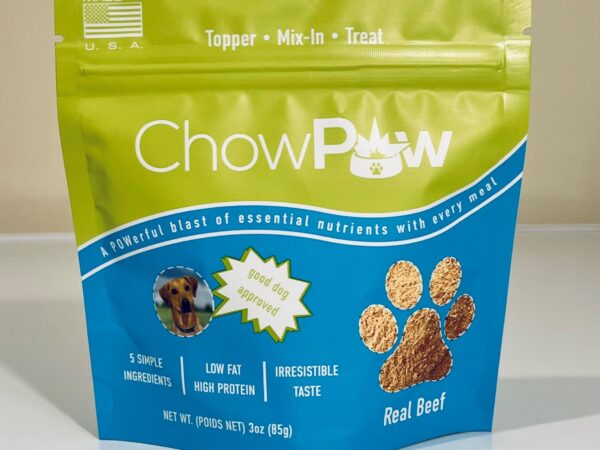 Dog Food Topper - Beef HeartOriginal price was: $14.99.$10.95Current price is: $10.95. - or subscribe and save up to 20%