
Soft Senior Dog Food: A Guide for Aging Dogs
As our dogs step into their golden years, their needs change. What was once a simple mealtime can become a real struggle. This is where soft senior dog food comes in—it’s designed to make eating comfortable, delicious, and nutritious again. Sometimes, this can be as simple as changing the texture of their current food from hard kibble to something much gentler.
This one simple switch can make a world of difference for their daily comfort and overall health.
Why Soft Food Is a Game Changer for Senior Dogs
It’s heartbreaking to watch a senior dog struggle with hard kibble. That happy crunching sound you used to hear might turn into slow, hesitant chewing, or they might even start refusing to eat altogether. This isn't just them being picky; it’s often a clear signal that mealtime has become painful.
Think of it like this: if you had a sore tooth, you’d probably pass on a tough steak and go for a soft stew instead. For many senior dogs, that hard kibble feels like eating a tough steak every single day. Their jaws might be weaker, or they could have dental issues that have built up over the years, making every bite difficult.
The Hidden Challenges of Hard Kibble
The unfortunate truth is that dental problems are incredibly common in older dogs. In fact, over 70% of dogs over age 7 suffer from some form of periodontal disease, which can make chewing hard kibble a source of constant discomfort.
This growing awareness is why the senior dog food market is projected to skyrocket to $132.4 billion by 2025. We're all realizing our old friends need and deserve better options.
A softer diet directly tackles these physical hurdles, offering some fantastic benefits:
- Pain-Free Eating: A gentle texture is much kinder to sensitive gums, missing teeth, or a sore jaw.
- Improved Hydration: Many soft foods, like canned meals or kibble mixed with a hydrating gravy, sneak extra water into your dog's diet.
- Enhanced Appetite: Softer foods usually have a much stronger, more tempting smell, which is great for encouraging seniors with a fading sense of smell to eat up.
- Easier Digestion: An aging digestive system can be sensitive. Soft, moist foods are often much easier for their bodies to break down and process.
Key Insight: Moving to a softer food isn't just about making things easier. It's a true act of compassion that ensures your old friend gets all the nutrition they need without the pain that might be holding them back.
Different Paths to a Softer Meal
The great news is you don't have to completely ditch your dog's current food to bring them some relief. There are several ways to introduce a softer, more manageable texture into their bowl.
To help you get a quick overview, here's a snapshot of the most common choices.
Quick Guide to Soft Food Options for Senior Dogs
This table gives you a quick comparison of common soft food types to help you understand the main choices at a glance.
| Food Type | Best For | Key Benefit |
|---|---|---|
| Canned/Wet Food | Dogs needing maximum moisture and aroma | High palatability and hydration |
| Fresh-Cooked Food | Dogs with sensitivities or picky eaters | Human-grade ingredients, highly digestible |
| Rehydrated Kibble | Keeping a familiar diet while adding softness | Cost-effective and easy to prepare |
| Meal Enhancers | Boosting an existing diet with flavor & softness | Enhances nutrition and encourages eating |
Each option offers a unique way to make mealtime more enjoyable, so you can find the perfect fit for your dog's specific needs and your lifestyle.
One of the easiest and most effective methods is using a meal enhancement like ChowPow. It’s important to understand that ChowPow is a supplement, not a replacement for your dog's current food. It's a powerful nutritional booster designed to elevate your dog’s kibble. Just mix a scoop with warm water to create a savory, nutrient-packed gravy that instantly softens hard kibble, making it both delicious and effortless to eat.
This approach is fantastic because you keep the familiarity of their favorite kibble while giving it a major upgrade in texture, aroma, and nutrition. For more ideas, be sure to check out our complete guide on the best food for senior dogs with bad teeth.
Understanding Your Senior Dog’s Nutritional Needs
As your loyal companion enters their golden years, you'll start to notice their body just doesn't work the same way it used to. Think of your senior dog like a classic, well-loved car. It’s still got plenty of miles left, but it can’t run on the same old fuel it did as a new model. Its engine—or metabolism—has slowed down, the chassis needs a little more love for those creaky joints, and it needs a specialized, premium fuel to keep everything running smoothly.
This is why just scooping out the same adult dog food might not cut it anymore. Their nutritional needs have shifted, and their diet has to adapt to give their aging body the support it deserves.
The Big Three Nutritional Shifts in Senior Dogs
As dogs get older, their bodies go through some pretty predictable changes that directly affect what they need from their food. It’s not just about counting calories; it's about giving them the right building blocks for a healthy, comfortable life. The main areas we need to focus on are muscle maintenance, joint support, and keeping their minds sharp.
This is where a targeted approach to their food becomes so important. The right ingredients can help manage these age-related changes, keeping your dog feeling good and staying active.
Three key nutrient groups become especially critical:
- High-Quality Protein: This is absolutely vital for maintaining lean muscle mass. As dogs slow down, they can lose muscle tone, and getting enough quality protein is the best way to fight back.
- Joint-Supporting Compounds: Glucosamine and chondroitin are the superstars here. They act like cushions for the joints and help support cartilage, which can make a huge difference in easing stiffness and improving mobility.
- Omega Fatty Acids: These healthy fats are fantastic multitaskers. They help reduce inflammation, support brain health, and keep their coat and skin looking great.
Addressing Appetite and Digestive Sensitivities
Beyond those core needs, two common challenges pop up with our older dogs: a dwindling appetite and a more sensitive stomach. You might have noticed your dog is suddenly a picky eater, turning their nose up at the food they’ve loved for years. This isn’t just them being stubborn—their senses of smell and taste can dull over time, making their regular kibble way less exciting.
This is a bigger deal than it sounds. Data shows that appetite loss affects 50% of elderly dogs, which makes it tough for them to get the calories and nutrients they need. On top of that, joint health is a major concern, with 65% of senior dogs requiring mobility support. This is where highly palatable and nutrient-packed soft foods or meal enhancements become your best friend.
A soft, aromatic food is just so much more enticing. It’s like being offered a warm, fragrant bowl of soup instead of a dry cracker—the appeal is undeniable. A gentler texture is also much easier on a sensitive digestive system, which can become more common with age.
How a Nutritional Enhancer Bridges the Gap
This is exactly why a meal enhancement can be such a game-changer. It’s important to know that a product like ChowPow isn't meant to completely replace your dog’s current kibble. Instead, think of it as a nutritional supercharger—a simple but powerful way to boost the nutritional value of their existing diet to meet their new needs.
By adding just a scoop of a high-quality enhancer like ChowPow, you’re directly tackling the challenges of aging. You're boosting the protein for muscle support, adding incredible flavor to reignite their appetite, and providing a soft, easy-to-digest texture. This targeted support helps make sure your senior dog gets exactly what they need to thrive. If you're looking for more ways to help your aging friend, you might be interested in our guide to the best food for senior dogs.
How to Choose the Right Soft Senior Dog Food
Walking down the pet food aisle can feel overwhelming, with endless bags and cans all promising the moon for your dog. When you’re specifically looking for food for your gray-muzzled friend, the choices can seem even more daunting. But trust us, making a confident, informed decision is much easier than you think once you know what to look for.
It's not about finding one single "perfect" food. It’s about understanding the foundation of a good senior diet and knowing how to read an ingredient label like a pro. The best part? You can enhance the food they already love to meet their changing needs—a flexible strategy that can make all the difference.
Comparing Your Soft Food Options
When it comes to soft food, you're generally looking at a few different types: traditional canned food, fresh-cooked meals, and rehydrated options. Each one has its own set of pros and cons, especially when you start looking at cost, convenience, and what’s actually inside.
This table breaks down the pros and cons of different soft food formats to help you choose the right fit.
Comparing Soft Food Textures for Your Senior Dog
| Texture Type | Pros | Cons | Best Suited For |
|---|---|---|---|
| Canned / Wet Food | – Highly palatable for picky eaters – High moisture content for hydration |
– Can be expensive – May contain more fillers and binders – Heavy to store |
Dogs who need extra hydration and a strong aroma to entice them to eat. |
| Fresh-Cooked | – Human-grade, highly digestible ingredients – Great for dogs with severe allergies |
– The most expensive option – Requires refrigeration and has a short shelf life |
Dogs with multiple food sensitivities or severe digestive issues, where ingredient control is paramount. |
| Rehydrated / Dehydrated | – Nutrient-dense and minimally processed – Shelf-stable and convenient – You control the final texture with water |
– Requires a few minutes of prep time – Can be more costly than kibble |
Senior dogs who need a softer meal but whose owners want the convenience of dry food storage. |
Ultimately, the best choice depends on your dog's health, your budget, and your lifestyle. There's no wrong answer if it's helping your dog thrive.
This decision-making infographic can help you visualize which path to explore based on your senior dog's most pressing needs.
This chart is a great starting point for connecting common senior dog issues, like a slowing metabolism or stiff joints, to potential dietary adjustments you can make.
How to Read the Ingredient Label
Learning to decode a dog food label is probably the most powerful skill you can have as a pet parent. Forget the flashy marketing on the front of the bag; the ingredient list on the back tells the real story.
Here’s a quick guide on what to look for and what to walk away from.
What to Look For:
- A Named Protein First: You want to see "deboned chicken," "beef," or "salmon" right at the top of the list. This means it's the most prominent ingredient by weight.
- Whole Foods: Ingredients like sweet potatoes, carrots, and blueberries are fantastic. They provide natural sources of vitamins, minerals, and fiber.
- Healthy Fats: Look for named fat sources like "chicken fat" or "salmon oil." These provide crucial omega fatty acids for skin, coat, and joint health.
What to Avoid:
- Vague "Meat" Terms: If you see "meat by-products" or "animal meal," put the bag down. These are generic, low-quality protein sources where the origin is a mystery.
- Artificial Junk: Fillers like corn, wheat, and soy add little nutritional value and can trigger sensitivities. The same goes for artificial colors or preservatives like BHA or BHT.
- Carb Overload: While some carbs are perfectly fine, a food packed with starchy fillers isn't ideal for a senior's slowing metabolism.
The push for digestible, life-stage-specific formulas is growing. With 38.2% of dog food deriving from animal sources, innovations in soft senior dog food are critical. Studies show that seniors on optimized soft diets can experience up to 20% better mobility scores, highlighting the direct impact of choosing the right ingredients and format. You can learn more about these market innovations on futuremarketinsights.com.
The Power of Enhancing Their Current Diet
Sometimes, the best solution isn't a dramatic, all-or-nothing diet switch. It's about improving what they already eat. This is where a simple meal enhancement like ChowPow comes in, offering a brilliant and easy way to level up their bowl.
Remember, a meal enhancement is a supplement, not a substitute. Its purpose is to boost the nutritional value and tastiness of your dog’s existing food. By sprinkling on a high-quality, protein-rich topper, you can add valuable nutrients and entice a picky eater—all without the stress or expense of a full diet change.
Mixing a spoonful of ChowPow with warm water creates a savory gravy that instantly softens hard kibble, making it a perfect solution for seniors with sore teeth or gums. This approach gives you the ultimate flexibility, letting you provide all the benefits of a soft, nutrient-dense meal while keeping the familiar kibble base your dog already knows and loves.
Easily Boost Nutrition with a Meal Enhancer
Thinking about a total diet overhaul for your senior dog can feel overwhelming. It often means expensive new foods and the dreaded risk of an upset stomach. But what if you could turn their food bowl into a superfood feast with just one simple tweak? That's where a meal enhancement comes in, letting you boost their nutrition without the stress of a complete diet change.
It's important to remember that a meal enhancement like ChowPow is a supplement, not a replacement. Think of it as a concentrated power-up for their regular food. The goal is to elevate the meal they already know and love by packing it with targeted nutrients and an irresistible flavor your old friend will appreciate.
What Is a Meal Enhancer?
A meal enhancer, often called a food topper, is a nutritional supplement made to be added right on top of your dog's food. For senior dogs, this is a perfect solution. A high-quality topper like ChowPow delivers a concentrated burst of key nutrients, flavor, and aroma that can turn a bland bowl of kibble into something special.
The real beauty of ChowPow is its simple, dehydrated, single-protein formula. It gives your dog all the benefits of real, high-quality beef heart without any of the fillers, heavy processing, or artificial junk found in so many other products. It’s a clean, straightforward way to give them more of what they need.
Key Insight: A meal enhancer lets you stick with your dog's familiar, budget-friendly kibble while targeting their specific senior needs—like supporting muscle and reigniting a weak appetite.
The Unmatched Versatility of a Dehydrated Topper
One of the best things about a dehydrated enhancement like ChowPow is just how versatile it is. It can adapt to whatever your senior dog needs on any given day, making it an essential part of your pet care toolkit. You're not just adding nutrients; you're creating a better, more enjoyable mealtime.
You can use it in a few different ways:
- Sprinkle It Dry: Got a picky senior who’s lost interest in their food? A simple sprinkle of ChowPow over their kibble adds a powerful, meaty scent and flavor that can bring their appetite roaring back. Sometimes, the aroma alone is enough to get them excited to eat.
- Create a Savory Gravy: This is the ultimate trick for making soft senior dog food. Just mix a scoop of ChowPow with a bit of warm water to create a rich, delicious gravy.
The image below shows just how simple it is to whip up this hydrating, kibble-softening gravy for your dog's meal.
Pouring this tasty gravy over hard kibble works wonders. It instantly softens the texture, making it much easier for dogs with sore teeth or weak jaws to chew. As a bonus, it ensures they get extra hydration, which is absolutely vital for kidney function and overall health in older dogs.
Connecting an Enhancer to Their Core Needs
Using an enhancer is a direct line to solving the main challenges your senior dog is up against. It gives them the high-quality protein they need to maintain muscle mass and the delicious taste that counters a declining sense of smell. It’s a simple, smart way to upgrade their diet without a costly and disruptive change.
By picking a quality enhancer, you make every bite count. Instead of just adding water to soften kibble—which can water down the flavor and make it even less appealing—you’re enriching it. This approach puts you in the driver's seat, letting you tailor the texture and flavor perfectly to your dog's liking. To see how much of a difference this can make, check out the best meal toppers for dogs in our detailed guide.
At the end of the day, a product like ChowPow gives you the power to serve a soft, delicious, and nutritionally superior meal with almost no effort. It’s the compassionate solution for making sure your loyal friend truly enjoys every meal in their golden years.
Tips for Transitioning Your Senior Dog to a New Diet
Switching up your senior dog’s food can feel a little nerve-wracking, but it doesn’t have to be a big ordeal. The trick is to take it slow and steady, giving their older system plenty of time to get used to the change. A gradual transition isn't just a good idea—it's the single best way to avoid the tummy troubles that often come with a sudden food swap.
Think of it this way: you wouldn't go from walking around the block to running a 5K overnight. Your dog's gut is no different; it needs time to adjust to new ingredients and different textures.
The 7-10 Day Transition Plan
The tried-and-true method for switching foods is to spread it out over 7 to 10 days. This slow, deliberate approach helps their digestive system adapt, which dramatically lowers the chances of an upset stomach, diarrhea, or gas. It’s a simple game of mixing their old food with the new.
Here’s a simple schedule that works wonders:
- Days 1-3: Start with a mix of 75% old food and 25% new food.
- Days 4-6: Move to a 50/50 split of old and new food.
- Days 7-9: Tip the scales to 25% old food and 75% new food.
- Day 10: If all is well, you can officially make the switch to 100% new food!
Pay close attention to your dog's appetite and their bathroom trips during this time. If you spot any signs of digestive upset, just pump the brakes. Slow the transition down and give them an extra day or two at the current ratio before increasing the new food again.
Adjusting Portions and Meal Frequency
As our dogs enter their golden years, their metabolism naturally slows down. This makes managing their weight more important than ever. When you introduce a softer diet, you'll likely need to tweak their portion sizes and maybe even how often they eat. Foods like canned or fresh meals often have very different calorie counts compared to dry kibble.
A senior dog’s digestive system often feels better when fed several small meals throughout the day rather than one or two large ones. This can help prevent bloating and keeps their energy levels more stable.
Use the feeding guide on the new food's packaging as your starting point, but don't treat it as gospel. You'll probably need to adjust the amount based on your dog’s unique activity level and body shape to keep them at a healthy, comfortable weight.
Creative Ways to Use a Meal Enhancer Like ChowPow
A meal enhancer like ChowPow is not a meal on its own, but it's a fantastic tool for making their current food more appealing and nutritious. Since it's a supplement, it's especially handy during a food transition or for tackling some of those daily challenges that come with an older dog. Its versatility makes it a real pantry staple.
Here are a few of our favorite ways to use it:
- Create a Hydrating Broth: Just mix a scoop of ChowPow with some warm water. In seconds, you have a savory, nutrient-rich broth you can pour over their kibble or even serve by itself to encourage them to drink more.
- Make a Soft Mash: For dogs with tender gums or missing teeth, you can mix ChowPow and water right into their kibble to create a soft, mushy meal. This lets them get all the nutrition they need without the ouch of chewing.
- Disguise Medication: Is pill time a daily wrestling match? Try mixing the pill into a small, pasty ball of moistened ChowPow. The irresistible beef flavor and soft texture are perfect for hiding medication, turning a chore into a treat.
By keeping these simple tips in mind, you can make any dietary change a smooth, positive experience for you and your loyal old friend. After all, the goal is to make their golden years as happy and comfortable as they can be—and that definitely starts with a good meal.
More Than a Bowlful: A Whole-Body Approach to Senior Dog Wellness
Nailing your senior dog's diet with soft, easy-to-eat food is a huge win, but it's just one piece of the puzzle. To truly help your dog thrive in their golden years, you need to look at the big picture. Think of a high-quality, nutrient-rich diet as the solid foundation of a house—it's absolutely essential, but you still need the walls and roof of regular vet care and daily comfort to make it a safe, happy home.
While a fantastic soft senior dog food diet handles their nutritional needs and makes every meal a joy, it can't replace professional care. A complete wellness plan ensures your dog feels great from head to tail, not just at dinnertime.
It's About Their Whole Lifestyle
The goal is to build a lifestyle that supports their aging body in every single way. A delicious, soft meal boosted with a nutritious enhancement like ChowPow is incredibly important, but it works best when it's part of a bigger plan.
When you take a broader view of their health, you can catch potential problems before they get serious and help your dog enjoy a vibrant, comfortable life. It’s all about combining great nutrition with preventative care and those daily acts of love.
Here are a few other key areas to focus on:
- Gentle Dental Maintenance: Don't buy into the myth that soft food automatically ruins teeth. For a senior dog, the absolute priority is eating without pain. You can easily support their dental health with vet-approved dental chews, water additives, or even gentle brushing with a dog-friendly toothpaste.
- Regular Veterinary Check-Ups: Senior dogs should see the vet a bit more often, usually every six months. These visits are critical for catching age-related issues like arthritis, kidney disease, or vision loss early on, when they're most treatable.
- A Comfortable, Safe Home: A warm, orthopedic bed can do wonders for soothing sore joints. Installing ramps to get into the car or onto the couch and placing non-slip rugs on slick floors can prevent injuries and help your old friend keep their confidence and independence.
The Importance of Gentle Movement
Exercise doesn't just stop when your dog gets older; it simply changes. Those high-impact, marathon games of fetch from their younger days should be swapped out for gentle, low-impact activities. This kind of movement is vital for keeping their joints mobile, maintaining muscle mass, and giving them much-needed mental stimulation.
A common rule of thumb is that for every 10 lbs your dog weighs, they need about one cup of prepared food daily, often split into smaller meals. This is a general guideline, and your vet can help you tailor it perfectly to their activity level and health needs.
Try mixing in a few short, frequent walks throughout the day. Gentle swimming is another fantastic option, as is playing slow-paced indoor games. These activities help lubricate their joints without adding stress, which can make a huge difference in their overall comfort and mobility. When a supportive diet and thoughtful exercise work together, you create a powerful system for their well-being.
Common Questions About Soft Senior Dog Food
As you start looking for the best ways to care for your gray-muzzled friend, it’s completely normal to have questions about soft senior dog food. It’s a big topic, and getting clear answers is key. We’ve rounded up some of the most common questions we hear from pet parents just like you.
Can I Just Add Water to My Senior Dog's Kibble?
You absolutely can, and it’s often the first thing people try. The problem? Just adding water can create a bland, soggy mush. It dilutes the very aroma and flavor that entice a picky senior, especially since their sense of smell and appetite might not be what they used to be.
A much better way to go is to enhance the meal while you soften it. Mixing a nutrient-packed meal enhancement like ChowPow with water creates a rich, savory gravy that coats every piece of kibble. This not only makes the food easy to chew but also adds a blast of high-quality protein and flavor they can't resist, encouraging them to clean their bowl.
Is Soft Food Bad for My Senior Dog's Teeth?
This is a classic myth, but a myth nonetheless. While hard kibble offers a tiny bit of scraping action, it's often far too painful for the 70% of senior dogs who have some form of dental disease. For these pups, the number one priority is making sure they get the nutrition they need without any pain.
Soft food is the perfect solution. It allows them to eat comfortably while you manage their oral health with a gentle at-home dental routine and regular professional cleanings from your vet.
Key Takeaway: For senior dogs with sore mouths, the complete nutrition from soft food is infinitely more important than the minimal cleaning effect of hard kibble. Their comfort has to come first.
How Do I Know If My Dog Needs a Softer Food?
Your dog will usually drop some subtle (and not-so-subtle) hints. The trick is to pay close attention to how they act around mealtime.
Keep an eye out for these tell-tale signs:
- Chewing much more slowly than they used to
- Dropping food out of their mouth as they eat
- Seeming less interested in their meals or walking away
- Suddenly turning their nose up at hard treats they once loved
Things like bad breath, wincing when you touch their mouth, or visible tartar are also major red flags for dental pain. If you spot any of these behaviors, it’s the perfect time to chat with your vet and think about switching to a softer, more comfortable diet.
Is a Meal Topper a Replacement for Their Regular Food?
Nope, and that's exactly what makes it such a handy tool! A meal enhancer like ChowPow is a nutritional supplement, not a full meal replacement. It’s designed to work with your dog's current food to make it better—not to replace it entirely.
This lets you easily boost the protein, flavor, and texture of their existing diet without the expense, hassle, or potential tummy upset of a complete food change. It's the simplest way to give their bowl a major upgrade.
Ready to make every meal a delicious, nutrient-packed experience for your senior dog? Try ChowPow today and see the difference a simple sprinkle can make. Learn more and order your first bag at chowpownow.com.
-
Product on sale
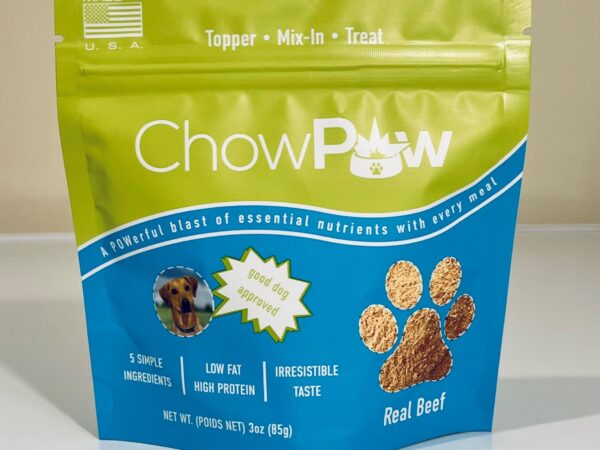 Dog Food Topper - Beef HeartOriginal price was: $14.99.$10.95Current price is: $10.95. - or subscribe and save up to 20%