
What Are Fillers in Dog Food: A Simple Guide for Loving Pet Parents
Let's be honest, the word "filler" gets thrown around a lot in the dog food world, and it usually doesn't have a positive ring to it. But what does it actually mean in simple terms?
In a nutshell, fillers are ingredients like corn, wheat, and soy that are added to dog food primarily to add bulk and help form the kibble. They're cheap, they're plentiful, and they do a great job of holding those little pellets together. Think of them like the breadcrumbs in a meatloaf—they help give it structure and stretch the more expensive ingredients, but they aren't the star of the show nutritionally.
These ingredients typically offer minimal nutritional value for your dog. A bowl full of filler-heavy food might make your dog feel full, but it's not delivering the high-quality, easily digestible nutrients their body really needs to thrive.
What Are Fillers in Dog Food, Really?
The term "filler" isn't an official, scientific label you'll find in a textbook. It's a term that pet parents and nutrition-savvy vets use to describe ingredients that serve more of a manufacturing purpose than a nutritional one.
Their main jobs are to add volume to the food—making the bag heavier and the portion sizes seem larger—and to act as a binder that helps everything stick together during the high-heat process that creates kibble.
This is a really important distinction to make. A full belly doesn't always mean a well-nourished body. Understanding this difference is the first step toward making smarter, more informed choices for your dog's health.
The Purpose Behind Fillers
So, if they're not packed with nutrition, why are these ingredients in almost every bag of kibble on the shelf? It all comes down to two things: function and cost. Manufacturers rely on them for a few key reasons that are great for the production line, but not always for your dog's diet.
This infographic gives a quick breakdown of why fillers are so common in commercial dog food.
As you can see, they're masters of creating structure and bulk, but they seriously lack in the nutrition department.
A Widespread Industry Practice
The use of fillers is incredibly common, mostly for economic reasons. The pet food industry is massive. In fact, conventional pet foods—the ones that often lean heavily on fillers like corn and wheat—are projected to hold a whopping 70% market share. This shows a huge gap between what's most available and what's actually best for our dogs.
Choosing the right food isn’t just about filling a bowl; it’s about fueling a healthy life. Every single ingredient should have a purpose beyond just taking up space.
For dog owners who want the best for their pets, this means we have to become label detectives. It's about learning to spot the good stuff and sidestep the fluff.
To help you get started, here’s a quick-glance table to help you spot the difference between common fillers and the high-quality ingredients you want to see.
Spot the Difference: Filler vs. Nutrient-Rich Ingredients
| Common Filler Ingredient | Primary Purpose in Kibble | High-Value Alternative |
|---|---|---|
| Corn Gluten Meal | Cheap protein booster, binder | Animal-based protein (Chicken, Beef, Fish) |
| Wheat Middlings | Bulk, fiber source, binder | Sweet Potatoes, Pumpkin, Carrots |
| Soybean Hulls | Inexpensive fiber, filler | Whole Grains (Oats, Brown Rice), Leafy Greens |
| Rice Hulls/Bran | Bulking agent | Quinoa, Whole Brown Rice |
| Generic Meat "By-Products" | Cheap protein source | Named Organ Meats (Beef Heart, Liver) |
This simple comparison makes it clear what to look for. Real, whole-food ingredients provide vitamins, minerals, and antioxidants that simple fillers just can't match.
The good news is, you don't have to completely overhaul your dog's diet overnight. A simple, powerful way to upgrade their nutrition is with a high-quality meal enhancement. That's exactly where ChowPow comes in. As a meal supplement, a scoop of our filler-free, meat-based topper can instantly boost the protein and nutrient density of your dog's current kibble. It's not a replacement, but a booster, ensuring your dog gets more of what their body needs and a whole lot less of what it doesn't.
Why Are Fillers So Common in Dog Food, Anyway?
If fillers don’t offer much nutritional punch, you might be wondering why they’re in almost every bag of kibble on the market. The answer comes down to a simple mix of manufacturing needs and economics. It’s a system that’s great for creating affordable, convenient food, but not always the best for your dog’s health.
From a pet food company’s perspective, ingredients like corn, wheat, and soy are significantly cheaper than high-quality animal proteins and fresh vegetables. Using them lets companies produce food in massive volumes at a much lower cost, which keeps the price on the shelf down for us. This economic reality is a huge reason why the question of what are fillers in dog food has become so common for pet owners.
The Science of Making Kibble
Beyond just the cost, fillers play a vital structural role. The process of making those crunchy little kibble pieces is called extrusion, and it just doesn't work without starches.
During extrusion, a wet dough of ingredients is cooked under extreme heat and pressure before being squeezed through a cutting plate to create those familiar shapes. The starches in ingredients like corn and wheat are the key—they gelatinize, essentially acting as the glue that holds everything together. Without these starchy binders, kibble would just fall apart into dust.
In short, many fillers are in dog food because they’re fantastic at creating the right shape, texture, and shelf-life for kibble—not because they’re the best fuel for your dog.
This creates a fundamental conflict. While fillers help make dog food affordable and keep it from spoiling, they also take up space that could be filled with more nutrient-rich ingredients. Your dog’s bowl ends up full of ingredients that serve the manufacturing process more than their own body. It’s a compromise that sits at the very heart of the modern pet food industry.
The Trade-Off Between Your Wallet and Your Dog's Bowl
Ultimately, the widespread use of fillers is a balancing act between production demands and ideal nutrition. Manufacturers need to create a product that's consistent, stable, and can sit on a shelf for months. Fillers help them get there cheaply and efficiently.
But that efficiency often comes at a nutritional price. A heavy reliance on these low-cost ingredients means many commercial foods are missing the high-quality protein and micronutrients that fuel long-term health. That’s why understanding this trade-off is so critical for dog owners.
You don’t have to completely switch to the most expensive food on the shelf to make a difference. A simple and powerful fix is to boost the nutritional value of your dog's current food. By adding a scoop of a filler-free meal supplement like ChowPow to their existing kibble, you can put back the high-quality, meat-based nutrients that fillers have pushed out. It’s an easy way to bridge the gap, making every meal more nourishing without a stressful diet overhaul.
The Hidden Health Costs of a Filler-Heavy Diet
It’s one thing to know what's in your dog's food, but it's another to connect those ingredients to their long-term health. A diet loaded with fillers might keep your dog’s stomach from rumbling, but over time, it can lead to some sneaky but serious health issues. These low-quality ingredients are basically just empty calories, taking up valuable real estate in the bowl that should be reserved for real nutrients.
Think of it this way: you could eat a giant bag of pretzels and feel stuffed, but your body would be screaming for the vitamins, protein, and minerals it actually needs to function. It’s the exact same for our dogs. When their diet is packed with fillers, their bodies are forced to work overtime processing low-value carbs while being starved of the high-quality fuel they need for everything from muscle repair to a healthy immune system.
From Poor Digestion to a Dull Coat
One of the first places you'll see the impact of a filler-heavy diet is in their digestion. Ingredients like corn, wheat, and soy can be tough for many dogs to process, often leading to gas, bloating, and unpredictable potty breaks. Because their system is struggling just to break down these ingredients, they’re not absorbing the good stuff from their food either.
This lack of proper nutrition quickly starts to show on the outside. Some of the most common red flags include:
- A Dull, Brittle Coat: That beautiful, shiny coat is a sign of good health. Without enough quality proteins and fatty acids, a dog's fur can become dry, flaky, and lackluster.
- Persistent Skin Issues: Itchy skin, hot spots, and chronic ear infections can often be traced back to inflammatory reactions to common filler ingredients.
- Low Energy Levels: Just like us, dogs get their get-up-and-go from their food. A bowl full of empty calories just won't provide the sustained energy they need to be their playful, happy selves.
For dogs who already have sensitivities or allergies, these ingredients can be a real nightmare, triggering constant flare-ups and discomfort.
A belly full of fillers is not the same as a body full of nutrition. True health is built from high-quality, bioavailable ingredients that fuel a dog from the inside out.
The Long-Term Impact on Their Health
Over months and years, the nutritional deficit created by fillers can set the stage for more serious health problems. Weight gain is a huge concern, as the empty calories are easily stored as fat. This puts a massive strain on a dog's joints and organs, which is especially dangerous for seniors or breeds already prone to obesity.
At the end of the day, a dog can finish their meal and seem "full" while being completely deprived of what their body needs. This is why getting a handle on what are fillers in dog food is so critical for their long-term vitality. Once you understand the hidden costs, you can make much better choices for their health.
This doesn't mean you have to toss out their current food. One of the most powerful and simple solutions is to upgrade their existing kibble. Adding a nutrient-dense meal enhancement like ChowPow infuses each meal with high-quality, filler-free beef heart protein. It’s a targeted supplement to close that nutritional gap, making sure your dog gets the vital fuel they need to truly thrive, not just get by.
How to Become a Dog Food Label Detective
Ready to take control of what goes into your dog’s bowl? Stepping into the pet food aisle can feel totally overwhelming, but learning to read a dog food label is the single most powerful skill you can have in your corner.
It transforms you from a confused buyer into a confident advocate for your dog's health. You don’t need a PhD in animal nutrition—just a few key pointers to know what you're looking for.
The most important trick is the “Rule of Five.” Ingredients on a dog food label are always listed by weight, from heaviest to lightest. The first five ingredients make up the vast majority of what's in the bag, so they tell you almost the entire story about the food's quality. If those top spots are filled with high-quality animal proteins, you’re off to a great start.
Decoding the Ingredient List
When you scan that list, your mission is to spot the difference between nutrient-dense ingredients and cheap, low-value fillers. Keep an eye out for phrases that sound vague or like something left over from a manufacturing process. These are often huge red flags.
Here are some of the most common filler names you’ll run into:
- Corn Gluten Meal: A cheap, plant-based protein booster that’s way less digestible for dogs than real animal protein.
- Wheat Middlings: This is literally a by-product of flour milling. Think of it as the sweepings from the factory floor that offer little more than fiber.
- Soybean Hulls: Just the outer coating of a soybean, tossed in as an inexpensive bulking agent to make the food seem more substantial than it is.
- Rice Bran or Hulls: Low-cost fiber sources that take up space in the bag without adding any real nutritional punch.
A confident pet parent is one who can look at a label and know exactly what they’re getting. Your goal isn't perfection; it's to make informed, conscious choices for the dog who trusts you completely.
This growing awareness among owners is driving a massive shift in the pet food industry. In fact, a market report on hypoallergenic dog food—a direct response to health issues often caused by fillers—shows huge growth projections. This proves that pet owners are actively seeking cleaner, better options for their dogs.
Looking Beyond the Buzzwords
Don’t let flashy marketing on the front of the bag fool you. Words like "natural," "premium," or even "grain-free" don't automatically mean a food is free from fillers. A "grain-free" food can still be packed with other cheap fillers like potato starch or pea protein to keep costs down.
Always, always turn the bag over and trust the ingredient list. Mastering this simple habit is the key. For a more detailed walkthrough, check out our complete guide on how to read dog food labels. Think of it as your field manual for becoming a true label detective.
Elevating Your Dog’s Bowl Beyond Basic Kibble
Now that you know how to spot fillers on a dog food label, you might be thinking it's time to toss your dog's current kibble and start from scratch. Hold on a second. The good news is, you don’t need a drastic overhaul to make a huge nutritional difference.
There’s a much simpler, more powerful strategy: enhancing what you already have.
Think of it this way: if your own diet felt a little bland or lacking, you wouldn't throw everything in your kitchen away. You’d probably add a superfood smoothie or a vitamin-packed salad to boost its value. You can do the exact same thing for your dog’s bowl, bridging the nutritional gap that fillers often create.
This is where a high-quality meal enhancement becomes your secret weapon. By adding a nutrient-dense topper, you can elevate a standard kibble into a nutritional powerhouse—without the stress or expense of a complete food switch.
Introducing a Simple Nutritional Boost
The best way to counteract a filler-heavy meal is to add back what's missing: high-quality, bioavailable protein and whole-food nutrients. This is precisely why we created ChowPow. It’s not a replacement for your dog's food, but a powerful supplement designed to boost the value of their current kibble.
ChowPow is a filler-free, dehydrated beef heart meal enhancement. Sprinkling just a small amount over their food is like adding that superfood smoothie to their meal—it infuses every bite with a concentrated dose of premium protein and essential vitamins.
This makes it an ideal solution for all kinds of dogs, especially:
- Picky Eaters: The rich, meaty flavor is a game-changer for fussy dogs, enticing them to clean their bowls.
- Seniors: The easy-to-eat powder form is perfect for older dogs who might struggle with hard kibble or have sensitive teeth.
- Recovering Dogs: It provides the extra nutritional support needed for healing and regaining strength after an illness or surgery.
By enhancing the food you already trust, you ensure every meal is working harder for your dog's health. You're not just filling their bowl; you're fueling their well-being.
This approach gives you direct control over your dog's nutrition in a practical, affordable way. You can learn more about the incredible impact of this simple strategy by exploring the benefits of adding food toppers to your dog's diet.
Making Every Bite Count
Ultimately, improving your dog’s diet is about making every calorie count for something. Fillers provide bulk, but a topper like ChowPow provides purpose. It adds the key nutrients that support lean muscle, a healthy coat, and a strong immune system—all things that low-quality fillers simply can't offer.
Of course, elevating your dog’s well-being also means cherishing their comfort, with cozy additions like custom dog photo blankets making home an even happier place.
Instead of just accepting what's in the bag, you can actively upgrade it. This simple addition turns mealtime from a basic necessity into a targeted nutritional strategy, ensuring your dog gets the very best from every single bowl.
Got Questions About Fillers? We’ve Got Answers.
Stepping into the world of dog food ingredients can feel like you need a translator, especially with a word like "fillers." Knowing the facts is the first step toward making choices you feel great about for your dog. We've tackled some of the most common questions pet owners have about this confusing topic.
This quick guide is here to cut through the noise and give you clear answers, so you can build a better bowl for your best friend.
Are All Grains in Dog Food Just Bad Fillers?
Absolutely not. The term "filler" isn't about the ingredient itself, but about what it brings to the bowl—or what it doesn't bring. Whole grains like brown rice or steel-cut oats can be fantastic sources of fiber, vitamins, and minerals.
The real issue is with highly processed grain fragments. Think things like "wheat middlings" or "corn gluten meal." These are the leftovers from grain processing that bulk up the food without adding much nutritional value. It's about choosing whole, recognizable ingredients over cheap stand-ins that just take up space.
My Dog Seems Fine on a Food with Fillers. Why Should I Bother?
Lots of dogs can tolerate foods heavy on fillers for years, but there's a huge difference between just getting by and truly thriving. When a diet is low on high-quality nutrients, it’s not providing the best tools for a strong immune system, a shiny coat, and healthy muscles.
Over the long haul, a filler-heavy diet can contribute to nagging issues like allergies, unexplained weight gain, or a sensitive stomach. Improving their nutrition now isn't just a fix—it's an investment in their long-term health, helping them feel amazing for years to come.
How Can a Meal Enhancement Help If My Kibble Already Has Fillers?
Think of a meal enhancement like ChowPow as a nutritional rescue mission for your dog's bowl. It's a supplement that works with their current food. While it can’t take the fillers out of the kibble, it swoops in with a powerful dose of the high-quality, easily absorbed nutrients that the fillers displaced.
It essentially adds back what the fillers pushed out: premium protein and whole-food vitamins. This simple step dramatically boosts the meal's overall nutritional punch, making every single bite more valuable.
For picky eaters, it's a game-changer. The amazing taste and smell encourages them to finish their food, ensuring they get every bit of nutrition they need. It’s the easiest way to elevate their diet without a stressful, full-scale food switch.
Isn't a Filler-Free Diet Super Expensive?
It’s true that high-quality, filler-free foods often have a higher price tag. But here's the secret: they're also way more nutrient-dense. This means you can often feed smaller portions, which helps balance out the cost over the life of the bag.
A really smart, budget-friendly approach is to upgrade your current food with a nutrient-dense supplement. This lets you improve the nutritional quality of a good, mid-range kibble without jumping to the most expensive bag on the shelf. Adding a meal enhancement like ChowPow is a powerful and affordable way to give your dog's diet a major boost without replacing their entire meal.
Ready to upgrade your dog's bowl from basic to brilliant? With ChowPow, you can easily add the high-quality, filler-free protein they need to truly thrive. It’s the simplest way to turn any meal into a powerhouse of nutrition and flavor. Visit us at ChowPow to see the difference a simple scoop can make!
-
Product on sale
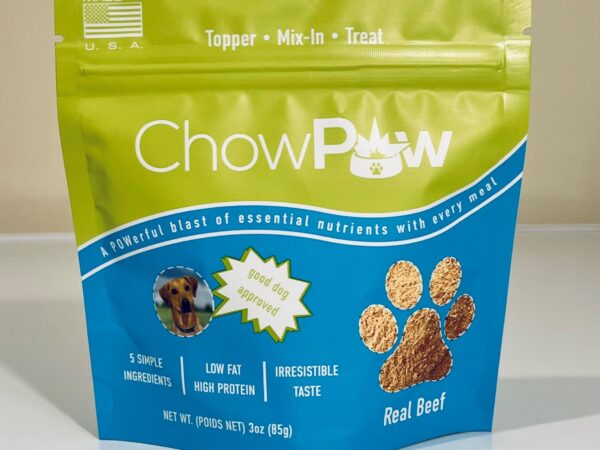 Dog Food Topper - Beef HeartOriginal price was: $14.99.$10.95Current price is: $10.95. - or subscribe and save up to 20%