
Why Do Dogs Stop Eating Their Food and How to Help
There's a unique kind of worry that washes over you when your dog, who normally devours their meals in seconds, suddenly turns up their nose at a full bowl. That quiet, untouched dish is often the first red flag that something isn’t quite right.
Is it just a fussy day? Or is it something more serious? The questions can be overwhelming.
This guide is here to help you navigate that uncertainty. A dog's refusal to eat can be their way of communicating anything from "I'm bored with this kibble" to "my tooth really hurts." We'll walk through the common culprits, giving you the knowledge to figure out what’s going on, know when it’s time to call the vet, and learn how to safely get your pup interested in food again.
Why Your Dog Might Be Ignoring Their Food
Before we get into the details, let's start with a quick overview of the most common reasons a dog might go on a hunger strike. This will give you a framework for observing your dog more closely.
Our "Quick Guide to Why Your Dog Is Not Eating" table below summarizes the main possibilities. Think of it as a starting point to help organize your thoughts before you make your next move.
Quick Guide to Why Your Dog Is Not Eating
| Possible Cause | Common Examples | What to Do Next |
|---|---|---|
| Medical Issues | Upset stomach, dental pain, infections, or underlying illness. | Monitor for other symptoms like lethargy or vomiting. Call your vet if it lasts over 24 hours. |
| Behavioral Factors | Stress from a new environment, anxiety, or learned pickiness. | Create a calm feeding space and stick to a routine. Avoid rewarding pickiness with human food. |
| Dietary Concerns | Your dog is bored with their food, or the kibble is stale. | Try enhancing their meal with a nutritious topper or introducing variety slowly. |
| Environmental Changes | A recent move, a new pet in the home, or a change in routine. | Provide reassurance and maintain a consistent schedule to help them adjust. |
This table can help you narrow down the issue, but remember that sometimes these causes overlap. For example, a dog stressed by a new environment might also develop a temporary stomach ache.
A prolonged loss of appetite can quickly lead to health issues, so it's smart to recognize the signs of malnutrition in dogs. By paying close attention, you can become your dog's best advocate and get them back on the path to happy, healthy mealtimes.
So, Why Did My Dog Stop Eating? Decoding Their Silent Message
When your dog suddenly turns their nose up at their food bowl, it’s more than just a missed meal. It’s a message. That untouched kibble is one of the clearest ways they can tell you something is wrong, and it’s our job as their people to figure out what they’re trying to say.
The reasons can be anything from simple boredom to a serious hidden illness. Just like us, dogs lose their appetite when they feel sick, stressed, or just a little bit off. Let's dig into the most common culprits, from medical and dental issues to behavioral and environmental triggers.
When Sickness Steals Their Appetite
More often than not, a dog who stops eating is feeling unwell. It's a primal instinct—their body is telling them to focus energy on healing, not digesting. This is almost always paired with other signs, like being unusually tired, vomiting, or having diarrhea.
A classic offender is gastrointestinal (GI) upset. This could be a simple stomach bug they picked up from sniffing something they shouldn't have, or it could signal a more serious condition like pancreatitis. Think of it like a nasty case of food poisoning; the last thing you want to do is eat.
Pain is another huge appetite killer. A dog dealing with an injury, arthritis, or internal discomfort is often too preoccupied with the pain to think about food. Since our dogs are absolute pros at hiding pain, a sudden loss of appetite might be the very first clue you get that something hurts.
More serious illnesses like kidney disease, cancer, or systemic infections can also be the root cause. These conditions often create nausea and a general feeling of being unwell, making food completely unappealing.
The Hidden Pain of a Sore Mouth
Can you imagine trying to crunch through a meal with a raging toothache? You'd pass, and so will your dog. Dental problems are a major—and frequently overlooked—reason dogs refuse to eat, especially if their diet consists of hard kibble.
The pain could be coming from a few different places:
- A broken or cracked tooth: This can expose a nerve, making every bite excruciating.
- Gum disease (periodontitis): Swollen, painful gums make chewing a nightmare. In fact, studies show that over 80% of dogs show signs of dental disease by the time they are three years old.
- An abscess or infection: A pocket of pus in the gums can make one entire side of the mouth too sore to use.
- Something stuck: A piece of a stick or a shard from a toy lodged between their teeth can cause constant, nagging pain.
If you see your dog dropping food, chewing only on one side, or suddenly shying away from having their head pet, their mouth is likely the problem.
Emotional and Behavioral Triggers
Dogs are deeply sensitive, and their emotional state is directly wired to their appetite. Stress and anxiety are powerful enough to make a dog completely ignore their food bowl. What's causing the stress isn't always obvious to us, but it’s very real to them.
Big changes in their routine or environment are common triggers. Did you just move? Bring home a new baby or another pet? Even something as simple as a change in your work schedule can create enough anxiety to put them off their food. You can learn more about the different causes of appetite loss in dogs.
Sheer fear plays a part, too. A loud thunderstorm, fireworks, or even a scary encounter on a walk can leave a dog too worked up to eat. Their body is stuck in "fight or flight" mode, and digestion is put on the back burner.
A dog’s refusal to eat is often their first and most subtle cry for help. It’s a signal that something in their physical or emotional world is out of balance. Paying attention to this quiet signal is one of the most important things we can do as pet owners.
Sometimes, the underlying medical or behavioral issues causing appetite loss can lead to other problems, like house soiling. If that happens, you may need some expert guidance on neutralizing dog urine in rugs while you and your vet work on solving the main issue.
Could Your Dog Just Be Bored?
Sometimes the answer is refreshingly simple: your dog is just tired of their food. It's often called food fatigue. For some dogs, especially smarter breeds, eating the exact same thing day after day gets old.
This doesn’t mean the food is bad, just that the novelty is gone. They might be holding out for something better, like those tasty table scraps they know you have. This can quickly become a learned behavior, teaching them that refusing kibble earns them a delicious upgrade.
The quality and freshness of the food itself could also be the problem. A bag of kibble that’s been open too long can go stale, losing its enticing smell. Worse, the fats can go rancid, which not only tastes bad but can also upset their stomach.
How Their Environment Affects Eating
Where your dog eats matters just as much as what they eat. A chaotic or stressful feeding spot can make a dog too anxious to settle down and have a meal.
Take a look at their dining setup:
- Bowl Location: Is their bowl in a busy hallway? A dog who feels exposed or vulnerable while eating might just skip it.
- Competition: Even if your pets get along, a new dog or a change in the pecking order can create tension around the food bowls.
- The Bowl Itself: Believe it or not, some dogs hate the clanging sound of a metal bowl. Others with long snouts or sensitive whiskers find deep bowls uncomfortable.
Creating a calm, safe, and predictable place for meals can make a world of difference for a dog who's feeling insecure.
Age-Related Changes in Senior Dogs
As our dogs move into their golden years, their bodies change, and so do their eating habits. For one, their metabolism slows down, meaning they just don't need as many calories as they used to.
A senior dog's sense of smell and taste can also start to fade. Since a food's aroma is a huge part of its appeal to a dog, their once-favorite meal might suddenly seem bland.
On top of that, older dogs are far more likely to be dealing with the medical and dental issues we mentioned earlier, like arthritis pain or advanced gum disease. What looks like simple pickiness could actually be their way of coping with a new ache that makes mealtime a chore.
Knowing When to Call Your Veterinarian
A skipped meal isn't always a full-blown crisis, but it's crucial to know the difference between a simple case of the "not-hungries" and a genuine medical emergency. Your dog counts on you to be their advocate, and spotting the red flags early can make all the difference when it really matters. Think of this guide as a helpful resource, but remember it can never replace the hands-on, personalized advice of your veterinarian.
Consider your dog's appetite one of their vital signs, just like their energy level or breathing. When their appetite vanishes alongside other worrying symptoms, it’s a clear signal to get professional help right away. This isn't a "wait and see" situation.
The Red Flag Checklist
If your dog has stopped eating and you notice any of the following symptoms, it's time to call your veterinarian without delay. These combinations often point to an underlying problem that needs prompt medical attention.
- Lethargy and Weakness: Is your dog suddenly acting like a furry couch potato? If they're unusually tired, weak, or completely uninterested in things they normally love—like walks, toys, or car rides—something is off.
- Vomiting or Diarrhea: A single episode might not be a major concern, but repeated bouts of vomiting or diarrhea are a different story. This can quickly lead to dehydration and often signals a more serious issue.
- Visible Pain: Pain is a powerful appetite killer. Watch for signs like whimpering, yelping when you touch them, hunching their back, or struggling to lie down and get comfortable.
- Significant Weight Loss: If their lack of interest in food is causing a noticeable drop on the scale or you can feel their ribs more prominently, it's time for a vet to investigate.
- Refusing Food for Over 24 Hours: For a healthy adult dog, a full 24 hours without eating is a solid benchmark for concern. For puppies, senior dogs, or those with existing health conditions, that timeline is much shorter—often just 12 hours.
This flowchart can help you visualize the process and figure out what might be going on.
By tracing the paths for medical, behavioral, or food-related causes, you can get a better handle on the potential reasons for your dog's hunger strike and know when it's time to call in the professionals.
Trust Your Instincts
At the end of the day, you know your dog better than anyone. If something just feels "off"—even if you can't pinpoint a specific symptom from the list—listen to that gut feeling. Subtle shifts in their behavior, posture, or daily routine are often the earliest signs that something isn't right.
It's always better to be safe than sorry when it comes to your pet's health. A quick phone call to your vet clinic can give you peace of mind or confirm that your dog needs to be seen. Your observations are one of the most valuable tools in their healthcare.
When in doubt, always consult your vet. They are your partner in ensuring your dog lives a long, healthy, and happy life.
The goal here is to act responsibly, not to panic. By arming yourself with this knowledge, you can confidently figure out what's going on and make the best choice for your furry family member. Your vet can perform a thorough exam, run any necessary tests, and get your dog on a treatment plan to bring back their happy, hungry self.
Simple At-Home Strategies to Encourage Your Dog to Eat
Okay, so you've ruled out a vet emergency. Now what? It's incredibly frustrating when your dog suddenly turns their nose up at their food, but don't panic. Often, a few simple tweaks to their mealtime routine and environment are all it takes to get them interested again. The goal here is to make eating a positive, stress-free experience.
A dog's sense of smell is their superpower—it’s how they explore and understand the world, especially their food. You can use this to your advantage. Gently warming up their meal is a total game-changer. Try adding a splash of warm water or low-sodium bone broth to their kibble. Let it sit for a minute or two. This small step releases the food's aroma, making it way more enticing. It can turn a boring bowl of kibble into something they can't wait to dive into.
Create a Calm and Consistent Mealtime Routine
Just as important as what they eat is where they eat. Dogs are creatures of habit; a predictable routine gives them a sense of security. If their bowl is in the middle of a chaotic kitchen with people walking by constantly, they might feel too anxious to settle down and eat.
To build a better mealtime vibe, try these steps:
- Find a Quiet Corner: Move their food bowl to a calm, low-traffic spot in your home. They need a place where they won't feel rushed or bothered by foot traffic or other pets.
- Stick to a Schedule: Feed your dog at the same times every single day. This consistency helps regulate their digestive system and actually builds anticipation for their meals.
- Remove the Bowl: If your dog doesn’t eat within 15-20 minutes, calmly pick up the bowl. Don't make a fuss. Offer it again at their next scheduled feeding time. This simple action teaches them that food is only available at certain times, which can stop them from "holding out" for something better.
These adjustments help dial down mealtime anxiety and reinforce that their dining spot is safe and predictable.
Boost Their Bowl with a Nutrient-Dense Topper
If warming the food isn't cutting it, it might be time to level up their meal. You're not alone in this struggle. A 2023 survey found that a whopping 37% of owners think their dogs are 'fussy eaters,' with almost half admitting they have a hard time getting their pet to eat. A go-to solution is adding a tasty topper to make their regular food more exciting.
This is exactly where a meal enhancement like ChowPow comes in. It's not meant to replace your dog's current food, but to make it better. Think of it as a super-powered supplement that boosts both the nutritional value and the flavor of their everyday kibble.
ChowPow isn't a new diet; it's a way to make the diet you already trust better, more exciting, and packed with the high-quality nutrients your dog needs to thrive.
By just sprinkling this dehydrated beef heart powder over their food, you add an irresistible aroma that taps right into their natural, meat-loving instincts. That scent alone is often enough to convince a picky dog to give their meal another shot. For dogs who need a little extra moisture, you can mix ChowPow with water to create a delicious and hydrating gravy—perfect for senior dogs with sensitive teeth or any pup who needs to drink more water.
Check out our guide on the best dog food toppers for picky eaters to see how they can completely transform mealtime.
Overcoming Food Fatigue and Dietary Boredom
Ever get tired of eating the same thing day after day? Even your favorite meal can lose its appeal if you have it too often. Well, your dog can feel the exact same way. It’s a real phenomenon sometimes called food fatigue, and it’s one of the most common reasons a perfectly healthy dog might suddenly turn up their nose at a food they used to devour.
It’s not that their kibble has gone bad or that they’re being stubborn. For many dogs, especially smart, curious breeds, the monotony simply gets boring. Their instincts crave a little variety in smell and taste, and when every single meal is identical, they might just decide to hold out for something better.
Safely Introducing Variety to Their Diet
The obvious fix seems to be switching their food, but not so fast. A sudden, complete change in their diet can throw their digestive system into chaos, often leading to vomiting or diarrhea. The secret is to introduce new foods gradually.
If you’re set on changing their primary kibble, you need a slow transition plan. This gives their gut flora time to adapt and prevents an upset stomach.
- Days 1-3: Start with a mix of 75% old food and 25% new food.
- Days 4-6: Move to a 50/50 split.
- Days 7-9: Shift the ratio to 25% old food and 75% new food.
- Day 10: You can now serve 100% new food.
This slow-and-steady method is your best bet for keeping their digestion happy. But a complete diet overhaul isn’t always necessary—or even the best option.
Exploring Different Food Types
Many owners get curious about wet, dehydrated, or even raw diets. While each has potential benefits, they also come with challenges. For instance, a recent survey of over 600 pet owners who tried raw meat-based diets revealed some interesting struggles. A whopping 37% gave it up because their dogs developed gastrointestinal issues. On top of that, 15% of owners stopped simply because their dog refused to eat the raw food. You can discover insights about these pet food trends and the difficulties owners face.
This really drives home a key point: chasing novelty can be a tricky balancing act.
Often, the best way to beat food fatigue isn’t a complete diet overhaul. It’s a simple, effective enhancement. You can keep the trusted nutritional base of their current kibble and just add the rotational flavor and scent they’re looking for.
The Easiest Way to Prevent Dietary Boredom
This is where a high-quality meal enhancement can be a game-changer. Instead of committing to a risky or expensive diet change, you can instantly make their current meal new and exciting. A meal topper like ChowPow is the perfect way to do this.
ChowPow isn't a replacement for their food; it's a powerful supplement designed to make their food better. Just a sprinkle of the dehydrated beef heart powder over their regular kibble provides a massive boost in aroma and flavor. This simple trick taps right into their instinctual love for meat, transforming a boring meal into something they can’t wait to eat.
This approach gives you the best of both worlds:
- It satisfies their craving for novelty without the digestive risks that come with a full food switch.
- It boosts the nutritional value of their food with high-quality protein and essential amino acids.
- It maintains the consistency of the balanced diet you and your vet have carefully chosen for them.
By simply enhancing the kibble you already trust, you give them the variety they want while ensuring they get the stable, complete nutrition they need. It makes mealtime a happy, stress-free experience for everyone involved.
Your Partner in Your Dog’s Lifelong Health
Figuring out why your dog is suddenly turning up their nose at mealtime can be a real head-scratcher. But now you know what to look for—the subtle clues that point to medical, behavioral, or even dietary reasons. You’re your dog’s best advocate, and that’s a powerful role to have.
Your game plan is simple: keep an eye out for those red-flag symptoms, don't hesitate to call the vet, and then, with their green light, you can start trying some safe at-home tricks to get that tail wagging for dinner again.
And you don't have to figure it all out on your own. At ChowPow, we see ourselves as your partner in your dog's wellness journey. We created a simple, powerful tool to bring the joy—and the nutrition—back to mealtimes. Sometimes, the best fix isn’t a whole new food, but a simple upgrade to the one they already know and love.
Think of it this way: with just a sprinkle of pure, high-quality nutrients, you can turn a mundane bowl of kibble into something they truly can’t resist. It’s a simple way to boost their health from the inside out and make that bond you share even stronger.
Speaking of your dog's well-being, travel can often throw a wrench into their eating routine. Learning how to ensure stress-free journeys for your dog is a great way to keep their appetite steady, even when you’re far from home.
ChowPow is more than just a topper. It’s a scoop of love, a way to show you care, and a commitment to their health in every single bite.
Your Top Questions Answered
When your dog suddenly turns up their nose at mealtime, it's natural to have a million questions running through your head. Let's tackle some of the most common concerns we hear from dog parents trying to figure out what's going on.
How Long Can a Dog Go Without Eating?
A healthy adult dog can technically go for a couple of days without food, but this is not something you want to test. As a rule of thumb, you should be on the phone with your veterinarian if they've skipped all meals for more than 24-48 hours.
That timeline shrinks dramatically for more vulnerable dogs. For young puppies, senior dogs, or any pup with a known health issue, it's wise to call your vet much sooner—often within 12 hours of them refusing food. A sudden loss of appetite can be the first sign that something serious is brewing, so getting professional advice quickly is always the best move.
Is It Okay to Use Human Food to Get My Dog to Eat?
It's so tempting to offer a little piece of your chicken dinner or a scoop of rice when they're refusing their own food. But trust us, this often backfires. Using human food can create a picky eater who learns to hold out for the "good stuff," and many of our favorite foods can cause major digestive upset or are even toxic to dogs.
A much safer—and more effective—way to entice them is to make their own meal more appealing. A dog-specific meal supplement like ChowPow can make their regular kibble irresistible without any of the risks. It’s designed specifically for their nutritional needs and boosts the flavor of the food you already use, rather than replacing it.
What if My Dog Only Eats Treats but Not Their Food?
Ah, the classic "kibble strike." This almost always points to a behavioral issue, not a medical one. Your dog has likely figured out that ignoring their boring dinner results in getting a handful of delicious, high-value treats instead. Smart, but not exactly healthy.
The very first thing to do is cut way back on the treats—or stop them altogether for a few days. This removes their motivation to skip meals. Once they realize the treat train has left the station, you can focus on making their regular food more exciting.
If this habit continues even after you've ditched the treats, especially if you notice other signs like weight loss, it's time to check in with the vet. They can help rule out any underlying health issues that might be hiding behind this picky behavior.
Ready to turn your dog's mealtime from a stressful standoff into a happy dance? ChowPow is the easiest way to add a burst of nutrition and flavor to the food you already trust. Visit us at chowpownow.com and bring the joy back to their bowl.
-
Product on sale
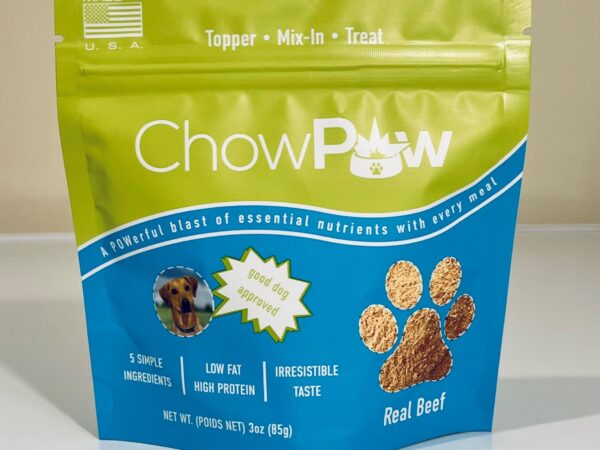 Dog Food Topper - Beef HeartOriginal price was: $14.99.$10.95Current price is: $10.95. - or subscribe and save up to 20%