
Adult Dog Food: Decode Labels and Boost Your Dog’s Health
Choosing the right food for your adult dog can feel like a maze, but it really boils down to one simple shift in thinking: your dog isn't growing anymore, they're maintaining. Adult dog food formulas are built to provide steady, balanced energy to keep their muscles and organs healthy—a world away from the high-octane puppy food designed for a growth spurt.
Your Foundational Guide to Adult Dog Nutrition
Think of feeding your dog like fueling a car. A puppy is like a drag racer, needing super-charged fuel for that explosive, short-term growth. An adult dog, on the other hand, is on a long, steady road trip. They don't need that intense burst of energy. What they need is reliable, efficient fuel to keep them cruising happily and healthily for years to come.
This guide will walk you through the essential building blocks of their diet in simple, easy-to-understand terms. We'll break down why certain ingredients matter more than others and how to make sure your best friend is getting everything they need to truly thrive.
The Shift from Growth to Maintenance
The biggest difference between puppy and adult dog food is the end goal. Once a dog hits maturity—usually around one year of age, though it can vary by breed—their dietary needs change pretty dramatically. The focus is no longer on building new tissue but on preserving and repairing the muscles, bones, and organs they already have.
That's why you'll see a few key adjustments in adult dog food:
- Controlled Calorie Content: This helps prevent unhealthy weight gain, which can put a real strain on their joints and lead to other health issues down the road.
- Balanced Protein and Fat: The goal is to provide just enough protein for muscle repair and enough healthy fats for sustained energy, without going overboard.
- Appropriate Mineral Levels: Calcium and phosphorus levels are carefully adjusted to maintain bone health, not build it from scratch like in a growing pup.
Enhancing Their Everyday Kibble
While a quality kibble can be a great foundation for your dog's diet, it might not always hit every mark, especially if you're dealing with a picky eater or a sensitive stomach. This is where a little boost can make a huge difference.
A meal enhancement like ChowPow acts as a nutritional supercharger, filling in any potential gaps in their diet while making their food a whole lot more exciting. It’s not a replacement for their regular kibble, but a powerful supplement designed to boost the nutritional value of the meal they already eat.
By adding a high-quality topper, you can easily pump up the nutritional value of their daily meals. Think of it like adding a superfood smoothie to your own breakfast; it enriches what's already there with concentrated, high-value nutrients. It's a simple step that makes sure their fuel tank is always topped off with the good stuff, making every meal more delicious and beneficial.
Understanding Your Dog's Core Nutritional Needs
Ever wonder what really fuels your dog? Just like us, they need a solid nutritional foundation to feel their best, but their dietary building blocks are a bit different from ours. When you break it down, every high-quality adult dog food is built on three key macronutrients. Each one has a specific job to do in keeping your dog healthy, happy, and ready for adventure.
First up is protein. Think of it as the construction crew for your dog’s entire body. Made up of amino acids, protein is constantly at work building and repairing everything from muscles after a long hike to their skin and shiny coat. Without enough top-notch protein, your dog’s body simply can’t keep up with daily wear and tear.
Then you have fats. These are your dog’s powerhouse, providing a super-concentrated source of long-lasting energy. Fats do more than just fuel their zoomies; they’re also critical for absorbing certain vitamins, supporting healthy brain function, and giving their coat that beautiful luster.
Finally, there are carbohydrates, which provide the quick-burn fuel for immediate energy. That burst of speed at the dog park? That’s carbs at work. Good ones from sources like sweet potatoes or whole grains offer easily accessible energy and, just as importantly, the fiber needed to keep their digestive system running smoothly.
The Quality of Ingredients Matters Most
Here’s the thing, though: just seeing "protein" or "fat" on the label isn't enough. The source of those nutrients is what makes all the difference. A dog food might boast a high protein percentage, but if it’s coming from cheap, plant-based fillers like corn gluten meal, your dog can’t really use it effectively.
It’s like trying to build a sturdy brick wall with styrofoam blocks. It just won’t hold up.
That’s why high-quality, animal-based proteins from real meat like beef, chicken, or fish are so crucial. They are highly bioavailable, which is a fancy way of saying your dog's digestive system can easily break them down and put all those valuable amino acids right to work.
To give you a better idea, let's compare some of the most common protein sources you'll find on a dog food label.
Comparing Common Protein Sources in Dog Food
Not all proteins are created equal. The source determines how easily your dog can digest and utilize the nutrients. Here's a quick breakdown:
| Protein Source | Quality & Bioavailability | Common Use |
|---|---|---|
| Real Meat (Beef, Chicken, Lamb) | Excellent. Highly digestible and contains a complete amino acid profile dogs need to thrive. | Found in premium and super-premium dog foods. |
| Organ Meats (Heart, Liver) | Excellent. Nutrient-dense "superfoods" packed with protein, vitamins, and minerals like taurine and iron. | Often included in high-quality foods and used in nutrient-dense toppers. |
| Fish (Salmon, Whitefish) | Very Good. Great source of protein and omega-3 fatty acids, which support skin, coat, and joint health. | A popular choice in many high-quality formulas, especially for dogs with sensitivities. |
| Meat Meal (Chicken Meal, etc.) | Good to Very Good. A rendered, concentrated protein source. Quality can vary, so the brand's reputation is key. | A very common ingredient in dry kibble. |
| Plant-Based Fillers (Corn, Soy) | Poor. Lacks a complete amino acid profile and is much harder for dogs to digest and utilize. | Often used in lower-cost, budget-friendly dog foods to increase the protein percentage on the label. |
As you can see, sticking to animal-based proteins is the best way to ensure your dog is getting the most out of every meal.
Many standard kibbles rely on lower-quality meals and plant-based fillers to keep costs down, which can create nutritional gaps. Sprinkling on a nutrient-dense topper like ChowPow is a simple, direct way to fill those gaps with the superior, animal-based protein their bodies were designed for.
This simple chart shows how you can take a good diet and make it great.
You start with a solid foundation of protein and fats, and then you can elevate it with a high-value enhancer to help your dog truly thrive.
Why a Nutritional Boost is Key
This intense focus on ingredient quality is causing a huge shift in the pet food world. Health-conscious owners want to know exactly what’s in their dog’s bowl, and they’re demanding better. This has fueled the incredible growth of human-grade dog food, a market valued at $3.16 billion in 2025 that’s projected to hit $7.25 billion by 2035—growing at an impressive 8.7% each year. You can read the full research about this growing market to see just how big this trend is.
This is where a simple addition can be a game-changer, especially for dogs with specific needs—like the picky eater who turns their nose up at bland kibble, the senior dog who needs easy-to-digest nutrition, or the pup recovering from surgery who needs to get their appetite back.
Instead of overhauling your dog’s entire diet, you can easily upgrade their current kibble. A topper like ChowPow, which is made from 100% dehydrated beef heart, delivers that powerful, bioavailable protein boost with a simple sprinkle. Beef heart is a true superfood for dogs, loaded not just with protein but also with essentials like taurine for heart health and iron for energy.
It’s not about replacing their main meal. It’s about enhancing it, making sure every single bowl is packed with the best possible building blocks for a long, vibrant life.
How to Read a Dog Food Label Like an Expert
Trying to decode a dog food label can feel like reading a foreign language. Between the long chemical names and confusing percentages, it’s easy to get overwhelmed. But learning to read that label is one of the most powerful things you can do for your dog’s health. It’s your direct line of sight into what’s really in their bowl every day.
Think of the ingredient list like a restaurant menu, only everything is listed in order of importance. The law requires ingredients to be listed by weight, starting with the heaviest. This means the first few items on that list make up the bulk of the food. If you see a high-quality, named protein like "deboned chicken" or "beef" right at the top, you’re off to a great start.
The Ingredient List Unpacked
Those first five ingredients are your biggest clue to the food's quality. This is where you want to see recognizable, whole-food sources. Vague, generic terms are a major red flag.
For instance, "chicken meal" can be a good, concentrated protein source from a reputable brand. But what about "meat and bone meal"? That’s a total mystery. What kind of meat? From what animal? This lack of transparency usually points to inconsistent, lower-quality ingredients.
Transparency is key. A short, simple ingredient list filled with foods you recognize is almost always a sign of a high-quality product. When you see a label like ChowPow's—with just beef heart, carrots, and celery—you know exactly what you're feeding your dog. No hidden fillers, no questionable by-products.
Guaranteed Analysis and What It Really Means
The "Guaranteed Analysis" is that little box on the label showing the minimum percentages of crude protein and fat, plus the maximums for fiber and moisture. These numbers look straightforward, but they can be misleading all by themselves.
The word "crude" simply refers to the scientific method of measurement, not the quality of the nutrient itself. A food can hit a high crude protein percentage using low-quality plant fillers your dog can barely digest. That’s why you have to look at the Guaranteed Analysis and the ingredient list together. A high protein percentage is only great when it's backed by real, animal-based ingredients.
The AAFCO Statement
Every bag of "complete and balanced" adult dog food should carry a nutritional adequacy statement from the Association of American Feed Control Officials (AAFCO). This statement confirms the food is formulated to meet the established nutritional levels for a specific life stage, like "maintenance" for adult dogs.
Look for a phrase like: "[Product Name] is formulated to meet the nutritional levels established by the AAFCO Dog Food Nutrient Profiles for maintenance." This is your baseline assurance that the food provides a complete diet, not just a snack or treat. It's a minimum standard, but one that absolutely must be there. To really get the hang of this, it helps to consult a guide on how to read dog food labels like a pro.
Red Flags to Watch For
Once you get comfortable reading labels, you'll start spotting the red flags from a mile away. Besides those vague meat sources, keep an eye out for these common offenders:
- Artificial Preservatives: Chemicals like BHA, BHT, and ethoxyquin are used to make food last longer but have been linked to health concerns. Natural preservatives like mixed tocopherols (a source of Vitamin E) are a much safer bet.
- Artificial Colors and Flavors: Your dog doesn’t care if their kibble is bright red or shaped like a bone. These dyes and fake flavors are added to appeal to humans and offer zero nutritional value.
- Low-Value Fillers: Ingredients like corn, wheat, and soy are often used to bulk up food cheaply. While not all grains are bad, these specific ones provide limited nutrition and are common allergens for some dogs.
Knowing what to avoid is just as crucial as knowing what to look for. For a deeper dive, check out our guide on what ingredients to avoid in dog food. By focusing on simple, transparent labels, you can confidently choose the best food to support your dog's health for years to come.
Choosing the Right Food for Your Dog's Unique Needs
Just like us, no two dogs are exactly alike. A standard bag of adult dog food is usually formulated for the “average” dog, but your best friend might have needs that go way beyond the basics. Tailoring their diet to their specific life stage and situation is one of the most powerful things you can do to support their health and happiness.
Sooner or later, every dog owner runs into a unique challenge. It could be a sudden stubbornness at mealtime, the slower pace of old age, or the delicate process of nursing a pup back to full strength. These moments call for more than just the usual scoop of kibble; they need thoughtful, targeted nutritional support.
Solutions for the Picky Eater
Is every meal a battle of wills? A picky eater can be maddening, turning what should be a happy moment into a major source of stress. Oftentimes, it's not that they hate the food—they're just bored with the same old dry kibble, day in and day out.
Before you start a frustrating and expensive cycle of buying new bags of food, try a much simpler fix. A super-tasty meal enhancer can completely change the game. The rich, savory aroma of a high-value ingredient like beef heart can reignite their interest and make that "boring" kibble suddenly irresistible.
Just sprinkling a little nutrient-dense topper like ChowPow over their regular meal adds a huge burst of flavor and scent that dogs are hardwired to love. It transforms their food from a chore into a treat, putting a happy end to the mealtime standoff.
Gentle Nutrition for Senior Dogs
As our dogs head into their golden years, their dietary needs start to shift. Their metabolism slows down, their teeth can become more sensitive, and their bodies may not absorb nutrients as efficiently as they used to. Forcing them to crunch through hard, dry kibble can become difficult, or even painful.
Senior dogs really benefit from easily digestible protein to help maintain their muscle mass without putting extra strain on their systems. They also do much better with softer food textures that are gentle on their mouths. This is where a versatile food enhancer can make a world of difference.
By mixing a powder-based topper with a bit of warm water, you can create a delicious, savory gravy to pour over their kibble. This not only softens the food, making it far easier to chew, but it also adds critical hydration and a concentrated dose of high-quality nutrition. It’s a simple tweak that provides immense comfort for your aging companion. If you want to dive deeper, you can learn more about what to look for in dog food ingredients.
Supporting Recovery and Appetite
When a dog is recovering from an illness or surgery, or is simply underweight, their appetite is often the first thing to disappear. This is a huge problem, because that’s exactly when their body needs top-notch nutrients the most to heal and get strong again. Getting them to eat anything can feel like an impossible task.
In these situations, nutrient density is everything. You need to deliver the biggest nutritional punch in the smallest, most enticing package possible. The powerful, natural scent of real meat can be a potent tool for stimulating a low appetite when nothing else is working.
A supplement like ChowPow made from a single, high-quality animal source like beef heart provides a concentrated blast of bioavailable protein and essential amino acids. This helps fuel their recovery and rebuild strength without forcing them to eat large volumes of food their system might not be ready for.
This push toward specialized nutrition is changing the entire pet food industry. In fact, current trends show a huge emphasis on functional ingredients for specific needs like joint care, digestion, and skin health. The dog food market is projected to see the fastest growth in pet food, with a 6.69% compound annual growth rate through 2030, driven by this demand for customized wellness. Learn more about these pet food market findings and you'll see it directly reflects what modern pet parents want. This growth is great news, as it makes versatile, powerful toppers like ChowPow more accessible for all of us.
By really understanding your dog's unique needs, you can move beyond a one-size-fits-all approach and give them the targeted support that helps them live their healthiest, happiest life.
How to Boost Your Dog's Bowl with a Nutritional Topper
Giving your dog's daily meal a serious upgrade doesn't have to be complicated or break the bank. Just think of a nutritional topper as a superfood smoothie for your dog—it’s not meant to replace their main meal, but to dramatically boost the nutritional value of what they're already eating.
A simple sprinkle can turn ordinary kibble into a powerhouse of flavor and essential nutrients. It's an easy win that can tackle common issues like picky eating and help fill any potential gaps in their diet, making every mealtime more exciting.
Why Simple Ingredients Pack a Powerful Punch
The best meal enhancers don't need a laundry list of complicated ingredients. In fact, simplicity is often a sign of quality. With a product like ChowPow, you're getting a powerful nutritional boost from just a few recognizable, whole-food sources, each one chosen for a specific job.
Here’s a quick look at why these simple ingredients are so effective:
- Beef Heart: This isn't just any old protein; it's a genuine superfood for dogs. Beef heart is incredibly nutrient-dense, packed with high-quality, bioavailable protein and essential amino acids like taurine, which is vital for heart health.
- Carrots: A fantastic natural source of beta-carotene, carrots are great for supporting strong vision and a healthy immune system. They also bring fiber to the party, which helps keep digestion running smoothly.
- Apple Cider Vinegar: Just a small amount of apple cider vinegar can do wonders for a healthy gut microbiome and improve digestion, helping your dog get more out of every bite of their food.
This "less is more" philosophy is really at the core of how modern pet parents think about nutrition. It's also a major reason why the global dog food market is booming, surging from $39.61 billion in 2024 to a projected $42.59 billion in 2025. This growth reflects a real shift in how we see our dogs—as family members who deserve high-quality food. For anyone with a picky eater or a senior dog, this trend highlights the demand for simple, effective toppers like ChowPow. You can discover more insights about the dog food market on ResearchAndMarkets.com.
Practical Ways to Use a Nutritional Topper
One of the best things about a powder-based food topper is how incredibly versatile it is. It slots right into your dog's routine and can be a problem-solver for a bunch of different needs. It's not just an add-on; it's a practical tool for everyday challenges.
You can learn more about the benefits of adding food toppers to your dog's diet in our detailed guide, but here are a few simple ways to use ChowPow to boost your dog's bowl:
- Entice a Picky Eater: Sometimes, the rich, savory aroma of beef heart is all it takes to convince a fussy dog to finally clean their bowl. Just sprinkle a little over their regular kibble to reignite their interest.
- Create a Hydrating Gravy: For senior dogs with sensitive teeth or any pup that needs a little extra water, mix the powder with a bit of warm water. This creates a delicious, easy-to-eat gravy that softens up kibble and boosts their hydration at the same time.
- Mask the Taste of Medication: We've all been there—trying to hide a pill in a treat can be a real struggle. The strong, appealing scent of a topper can easily mask the smell and taste of medication, making pill time stress-free for both of you.
By bringing a meal enhancer into the mix, you’re doing so much more than just adding flavor. You are actively boosting the nutritional content of their adult dog food with targeted ingredients that support everything from heart health to digestion, turning every single meal into an opportunity for better health.
A Simple Guide to Transitioning Your Dog's Diet
Ever tried to switch your dog's food, only to be met with a gurgling tummy and some not-so-pleasant surprises in the backyard? You're not alone. A sudden change in diet can be a real shock to their system.
Think of it this way: if you went from eating salads every day to suddenly diving into a week-long chili festival, your stomach would probably protest. It's the same for our dogs. A slow, steady transition is the only way to go when introducing a new food or even a powerful nutritional topper.
This careful approach is all about giving your dog's gut time to adapt, preventing digestive drama, and making sure they actually want to eat what's in their bowl. Whether you're upgrading their kibble or boosting it with ChowPow, a gradual mix-in is your ticket to success.
The Foolproof 7-Day Plan
The whole idea is to gently introduce the new stuff over the course of a week. This timeline gives their digestive enzymes and gut bacteria a chance to catch up, minimizing the risk of an upset stomach. It’s a simple method that works for just about any dog, taking all the guesswork out of the process.
Here’s an easy-to-follow schedule to get you started.
7-Day Food Transition Schedule
This simple chart breaks down how to mix the old and new food each day. Sticking to this plan makes the transition smooth and stress-free for both you and your pup.
| Day(s) | New Food / Topper Percentage | Old Food Percentage |
|---|---|---|
| Days 1-2 | 25% New | 75% Old |
| Days 3-4 | 50% New | 50% Old |
| Days 5-6 | 75% New | 25% Old |
| Day 7 | 100% New | 0% Old |
By the end of the week, your dog should be fully on their new meal plan. This gradual mixing is the key to letting their system adapt without getting overwhelmed.
Watching for Good (and Not-So-Good) Signs
As you go through the transition week, keep a close eye on your dog. You’re not just looking for problems; you’re also looking for all the good things that come with better nutrition.
Here’s what you want to see:
- Happy Tummy: Their poop should stay firm and regular. That’s the #1 sign their gut is handling things well.
- Mealtime Excitement: They should be getting more, not less, excited to eat.
- Good Energy: Their energy levels should be consistent, or you might even notice a new spring in their step.
If you do see a minor hiccup, like slightly loose stools, don't panic. It happens. Just dial it back to the previous day's ratio for another day or two. This gives their system a little extra time to adjust before you try moving forward again. It’s all about patience and listening to what your dog’s body is telling you.
Common Questions About Adult Dog Food
Let's be honest, navigating the world of dog food can feel like a full-time job. As a devoted dog parent, you just want to get it right. We get a ton of questions on this topic, so we've gathered the most common ones to give you clear, straightforward answers.
Making confident decisions for your dog’s health starts with having the right info. Let's clear up some of the confusion.
How Much Should I Feed My Adult Dog?
Figuring out the perfect portion size isn't as simple as scooping from the bag. Every single dog has unique needs based on their breed, age, metabolism, and how much they zoom around the yard. A hyperactive Border Collie is going to burn a lot more fuel than a couch-potato Basset Hound, even if they weigh the same.
Your best starting point is always the feeding chart on your dog's food bag—it provides a solid baseline. From there, you'll need to watch your dog's body condition and adjust. You want to see a slight tuck at the waist, not a tube shape.
And remember, you can seriously upgrade their meal's nutritional power without just piling on more kibble and calories.
Adding a nutrient-dense topper like ChowPow gives them a major boost of high-quality protein and vitamins from just a small sprinkle. It enriches the food they’re already eating rather than just adding bulk, making sure they get more nutritional bang from every single bite.
Is Grain-Free Food Better for My Dog?
The whole grain-free trend has been a hot-button issue for years. But the truth is, for the vast majority of dogs, healthy grains are a perfectly beneficial part of a balanced diet. A true grain allergy in a dog is actually quite rare.
What’s a million times more important is the overall quality and makeup of the food. The number one thing to look for on any ingredient label is a high-quality, named animal protein source right at the top of the list. A diet built on excellent protein will always be better than one that just avoids grains but uses cheap, low-quality fillers instead.
Will a Food Topper Make My Dog Gain Weight?
This is a really common and understandable concern! But a high-quality food topper, when used the right way, won't cause unhealthy weight gain. The key is to understand its purpose: it’s all about adding concentrated nutrition, not empty calories. Think of it like adding a vitamin C serum to your skincare routine—it’s a potent boost, not another heavy layer of moisturizer.
A topper like ChowPow is specifically designed to be powerful in small amounts. You only need a spoonful to dramatically pump up the flavor and nutritional value of your dog's meal. This strategy adds maximum health benefits with minimal calories, making it a smart way to elevate their diet without messing with their weight. It’s all about enhancing the quality of their adult dog food, not just upping the quantity.
Ready to turn your dog's boring bowl into a powerhouse of nutrition? ChowPow makes it incredibly easy to boost their meal with the nutrient-dense power of beef heart.
Visit chowpownow.com to give your dog the nutritional edge they deserve.
-
Product on sale
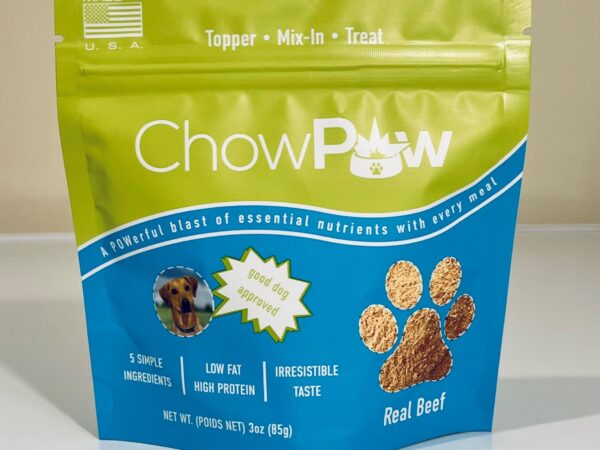 Dog Food Topper - Beef HeartOriginal price was: $14.99.$10.95Current price is: $10.95. - or subscribe and save up to 20%