

Appetite Stimulant for Dogs: Your Guide to Safer, More Effective Options
An effective appetite stimulant for dogs is less about a single product and more about figuring out why they stopped eating in the first place. The reasons can be anything from simple pickiness to serious underlying medical issues. While natural meal enhancers and a little encouragement can often get them back on track, a persistent loss of appetite is always a sign to call your vet.
Decoding Your Dog's Loss of Appetite
It’s a heart-sinking moment for any dog owner: your normally chow-happy friend suddenly turns their nose up at their food bowl. When a dog loses their appetite (sometimes called anorexia), it’s more than just a frustrating mealtime standoff. It's a powerful signal. Your dog is trying to tell you something, and learning to read those clues is the first step to helping them.
Think of yourself as a detective. A skipped meal is a clue, and your job is to figure out what it points to. Is it something simple, like they're just bored with their kibble? Or is something more complex going on? Understanding the possibilities is key to finding the right solution.
Uncovering Behavioral and Environmental Causes
Sometimes, the reason your dog won't eat has nothing to do with the food at all. A dog’s emotional state is deeply tied to their physical well-being. Any big change in their environment or daily routine can trigger stress or anxiety, which often shows up as a loss of appetite.
Consider these common triggers:
- Changes in Routine: Did you just move? Welcome a new baby? Start a new job with different hours? Dogs are creatures of habit, and disruptions to their schedule can make them feel insecure and off their food.
- New Pets or People: Bringing home a new puppy or having a guest stay for a few weeks can create social stress. Your dog might be too preoccupied or worried to think about eating.
- Separation Anxiety: If your dog gets worked up when you leave, they might be too stressed to eat until you're safely back home.
A dog's well-being is about so much more than physical health; it's deeply connected to their emotional state, which is part of the unique bond we share with our canine friends. For a stressed-out pup, a calm, predictable environment is often the best appetite stimulant there is.
When Pickiness Is the Problem
Let's be honest—just like us, dogs can get tired of eating the same thing every single day. We call it "food fatigue" or just plain old pickiness. If your dog is still playful, energetic, and seems perfectly healthy but is just giving their kibble the side-eye, this might be the culprit.
They could also be holding out for something better! If they’re getting a steady stream of tasty table scraps or high-value treats, their regular food can start to seem pretty boring by comparison. For a deeper dive, you can learn more about the various causes of appetite loss in dogs at https://chowpownow.com/what-causes-loss-of-appetite-in-dogs/.
Key Takeaway: A picky eater is usually still willing to eat something—like a treat or a piece of chicken. A dog who refuses all food, including their favorites, is signaling a potentially more serious issue.
Exploring Potential Medical Reasons
This is the big one. A sudden, significant loss of appetite is often one of the very first signs of a health problem. Your dog can’t tell you their tooth hurts or their stomach is upset, so refusing food is their main way of showing you they’re in pain or feeling unwell.
Common medical issues that kill appetite include:
- Dental Problems: A cracked tooth, sore gums, or an abscess can make chewing incredibly painful.
- Gastrointestinal Upset: Things like pancreatitis, gastritis, or an intestinal blockage can cause nausea and discomfort that makes food the last thing they want.
- Systemic Illness: More serious conditions like kidney disease, liver problems, or even cancer can all suppress a dog's desire to eat.
- Medication Side Effects: Just started a new medication? Nausea is a common side effect for many drugs.
If you have even the slightest suspicion that a medical issue is to blame, finding a safe and effective appetite stimulant for dogs must start with a call to your veterinarian. They can give your dog a proper exam to rule out or diagnose any underlying conditions and get them on the path to feeling better.
Simple Home Strategies to Encourage Eating
Before you reach for supplements or medications, there are several gentle and surprisingly effective tricks you can try right at home to reignite your dog’s interest in their food. These simple adjustments are all about making mealtime a more appealing and comfortable experience. Often, they’re all it takes to resolve a minor appetite dip.
Think about it from your dog's perspective. Their sense of smell is their primary tool for getting excited about food. A bowl of cold, dry kibble is like a muted picture—it’s there, but it’s not very vibrant. One of the easiest ways to turn up the volume on its aroma is to simply warm their food slightly.
Making Meals More Enticing
A few simple additions can transform a boring meal into a five-star dish in your dog's eyes. This doesn't mean a complete diet overhaul. Instead, it's about adding a little something extra to their existing food to boost its flavor and, most importantly, its scent.
Consider these easy enhancements:
- Add Warm Water or Broth: Pouring a small amount of warm water or low-sodium bone broth over dry kibble creates a savory gravy. This not only releases enticing smells but also softens the food, making it much easier for senior dogs or those with dental issues to chew.
- Mix in a Spoonful of Canned Food: If your dog primarily eats dry food, mixing in a small amount of their favorite wet food can be a total game-changer. The new texture and stronger scent are often enough to get them eating again.
- Try Hand-Feeding: For dogs who are feeling anxious or unwell, the simple act of hand-feeding can provide a ton of comfort and encouragement. This strengthens your bond and can make them feel safe enough to eat.
These small changes show your dog that mealtime is a positive, caring experience, not a chore.
Important Note: Always ensure any additions are safe for dogs. Avoid foods containing onions, garlic, xylitol, or excessive salt and fat, as these can be toxic or cause serious digestive upset.
Creating a Calm Feeding Environment
The "where" and "when" of feeding are just as important as the "what." Dogs thrive on routine, and a predictable, peaceful mealtime can make a huge difference in their willingness to eat. A chaotic environment, on the other hand, can cause stress—a notorious appetite killer.
To create a better dining experience for your pup:
- Establish a Consistent Schedule: Feed your dog at the same times each day. This helps regulate their digestive system and lets them know when to expect food, which can build anticipation and hunger.
- Choose a Quiet Location: Make sure their food bowl is in a low-traffic area where they won't be disturbed by loud noises, other pets, or people constantly walking past.
- Give Them Space: Some dogs feel vulnerable while eating. It’s a good idea to stand back and give them some privacy to enjoy their meal without feeling watched or rushed.
The Power of a High-Value Topper
Adding a special topper is a fantastic strategy that combines the benefits of an enhanced aroma with a serious nutritional punch. This is where a food-based appetite stimulant for dogs comes into play. A high-quality meal enhancer, like ChowPow, is designed specifically for this purpose. It’s not a replacement for their regular food but a nutritional boost that makes their existing kibble irresistible.
Sprinkling a nutrient-dense powder over their meal adds a powerful scent and concentrated flavor that even the pickiest eaters find hard to ignore. This approach has become incredibly popular, reflecting a major trend in pet wellness. In fact, the pet dietary supplements market, valued at USD 2.71 billion recently, is projected to reach USD 4.11 billion soon, driven by owners seeking solutions for finicky eaters. Surveys show 25-40% of dogs may reject meals after surgery or as they age, making meal enhancers a vital tool for many households. You can explore more data about the growing market for pet dietary supplements on marketsandmarkets.com.
How a Meal Enhancer Boosts Nutrition and Taste
When you've tried all the simple tricks and your dog is still turning up their nose, a dedicated meal enhancer can be a game-changer. This isn't about replacing your dog's food, but about elevating it. Think of it as the ultimate superfood seasoning for their current kibble, turning a plain meal into a five-star dish that's both irresistible and packed with better nutrition. It's a perfect appetite stimulant for dogs.
A high-quality topper like ChowPow gets to the heart of the issue by targeting the two things that matter most to a picky eater: smell and substance. Instead of adding empty calories, it infuses every bite with concentrated, high-value ingredients that dogs are hardwired to love. For a dog who's lost interest in mealtime, this one simple addition can make all the difference.
The Power of Nutrient-Dense Ingredients
The secret to a great meal enhancer is what's inside. ChowPow is made with just four simple, locally sourced ingredients, and each one is there for a reason. You won't find any mysterious fillers or artificial junk—just pure, concentrated goodness.
Here’s a look at what’s in the jar:
- Beef Heart: This is the star of the show. Beef heart is a true superfood for dogs, loaded with top-shelf protein, essential amino acids, and taurine, which is vital for heart health. Its rich, meaty aroma is a natural appetite driver that most dogs find impossible to ignore.
- Carrots: A fantastic source of beta-carotene, fiber, and vitamins, carrots are great for vision and keeping the digestive system running smoothly. Their natural sweetness adds another layer of flavor that dogs really seem to enjoy.
- Celery: This humble veggie brings vitamins A, C, and K to the table, along with minerals that support a healthy heart. As an added bonus, it even helps freshen your dog's breath.
- Apple Cider Vinegar: Just a touch of apple cider vinegar is included to help support good digestion and maintain a healthy gut.
These ingredients work together to create a blend that not only smells and tastes amazing but also gives your dog's meal a serious nutritional upgrade. It's all about making their existing food more appealing and more beneficial. To dig deeper into this approach, you can explore the benefits of adding food toppers to your dog's diet.
While many dog owners reach for household staples to entice a picky eater, a purpose-built topper offers a more reliable and nutritionally sound solution.
ChowPow Topper vs Common Home Remedies
| Feature | ChowPow Topper | Common Home Remedies (e.g., Broth, Plain Chicken) |
|---|---|---|
| Nutritional Balance | Formulated with a blend of protein, vitamins, and minerals to fill nutritional gaps. | Can be nutritionally unbalanced. Broth may be high in sodium, and plain meat lacks essential nutrients. |
| Calorie Control | Low-calorie, allowing you to add flavor and nutrients without significant weight gain. | Adds extra calories that can be hard to track, potentially leading to unwanted weight gain. |
| Consistency | Every scoop provides the same consistent, high-value nutrition. | The nutritional content and flavor can vary wildly depending on preparation and ingredients. |
| Aroma Power | Dehydration concentrates the scent, making it highly appealing to a dog's sensitive nose. | Aroma is often less intense and may not be enough to tempt a truly discerning dog. |
| Digestive Support | Includes ingredients like apple cider vinegar to actively support gut health. | Can sometimes cause digestive upset if a dog isn't used to the new food. |
Ultimately, while home remedies can work in a pinch, a dedicated topper like ChowPow is crafted specifically to solve the problem safely and effectively.
Why a Dehydrated Powder Works So Well
The form of an appetite stimulant matters just as much as its ingredients. The fact that ChowPow is a dehydrated powder gives it some major advantages, especially for picky or sensitive dogs.
Dehydration is a gentle process that simply removes the water, locking in all the original nutrients and intense flavors from the whole-food ingredients. This results in a concentrated powder with a powerful aroma—a huge factor for dogs, who rely so heavily on their sense of smell to get excited about food. The fine, powdery texture is also incredibly versatile and easy for them to digest.
This versatility is exactly why powders and chewables are so popular. Did you know the global market for veterinary appetite stimulants hit USD 423.8 million in a recent year? The market's growth shows just how common this problem is, with up to 20-30% of older dogs experiencing a loss of appetite. Chewable options alone snagged 43.84% of the market because they're easy to use, but powders like ChowPow offer unmatched versatility for picky pups.
The Ideal Solution for Seniors and Sensitive Pups
Senior dogs often face a unique set of challenges at mealtime. As they age, their senses of smell and taste can start to fade, making their usual food seem boring. Dental problems can also make chewing hard kibble a painful chore. This is where a powdered topper really shines.
When you mix ChowPow with a little bit of warm water, it creates a savory gravy that coats every single piece of kibble. This does two brilliant things:
- Boosts the Aroma: The warm water unleashes the rich, meaty scent of the beef heart, instantly making the meal far more tempting.
- Softens the Food: The gravy softens up the dry kibble, making it much easier to chew for dogs with sensitive teeth or sore gums.
This simple step also adds a bit of extra hydration to their diet, which is always a plus. By making food smell better, taste better, and feel better in their mouth, a meal enhancer offers a complete solution that supports your senior dog’s needs and helps them get excited about eating again.
A Step-by-Step Guide to Using a Food Topper
Trying something new with a picky eater can feel a bit like walking on eggshells. But don't worry—using a meal enhancer like ChowPow is incredibly simple and flexible. Think of this as your playbook for winning over your dog's appetite and turning their everyday kibble into something they actually get excited about.
The trick is to start slow and create a positive vibe around the new addition. Remember, ChowPow is a supplement meant to boost the nutrition and taste of your dog's current food, not replace it entirely. Let's walk through how to find the perfect method for your dog.
Starting with a Great First Impression
A dog's first encounter with new food is all about the smell. Their amazing nose tells them if something is worth checking out long before they even think about tasting it. That’s why you want the introduction to be gentle and intriguing, not a sudden, overwhelming change.
For the very first meal, just sprinkle a tiny amount of ChowPow—about a quarter of the recommended serving—right on top of their usual food. Don't mix it in yet. Let them discover that rich, new aroma on their own. This simple step sparks their curiosity and lets them approach the new food on their own terms.
Finding the Right Serving Size
Once your dog shows a little interest, you can move up to the recommended serving size. The right amount of this powerful appetite stimulant for dogs is based on their weight, ensuring they get a real nutritional kick without piling on extra calories.
Here’s a simple guide to get you started:
- Small Dogs (Under 25 lbs): 1 teaspoon per meal
- Medium Dogs (25-50 lbs): 2 teaspoons per meal
- Large Dogs (Over 50 lbs): 1 tablespoon per meal
These are just starting points, of course. Feel free to adjust the amount a little based on what your dog likes. The whole goal is to make their food irresistible, and sometimes a tiny bit more or less makes all the difference.
A meal enhancer’s job is to complement, not complicate. It adds a concentrated burst of flavor and nutrition to their existing food, turning an everyday meal into something special without a complete diet overhaul.
Three Ways to Serve for Maximum Appeal
One of the best things about a dehydrated powder topper is how versatile it is. You can adapt it to fit any dog's preference, making it a reliable tool in your feeding arsenal. Here are three proven methods to entice even the fussiest eaters.
1. Sprinkle It Dry for a Flavor Boost
This is the fastest, easiest way to go. Just measure out the right amount of ChowPow and sprinkle it directly over your dog's kibble. A little shake of the bowl helps distribute the powder. It’s perfect for adding a quick burst of savory flavor and aroma, turning bland kibble into a seasoned dish.
2. Create a Savory Gravy for Aroma and Hydration
For many dogs, especially older ones, a warm gravy is the ultimate temptation. Just mix the ChowPow powder with a few tablespoons of warm (not hot!) water until it’s a smooth consistency. Pour this right over the kibble and stir. This does two wonderful things: it unleashes a powerful, meaty aroma that picky eaters can't ignore, and it sneaks extra hydration into their diet.
3. Use It to Hide Medication Effortlessly
Let's be honest, getting a dog to take a pill can be a daily battle. A nutrient-dense topper offers a clever and tasty workaround. You can mix the medication into a small spoonful of the ChowPow gravy or even roll a pill in the dry powder. The strong, appealing scent of beef heart does an amazing job of masking that medicinal smell, turning pill time from a struggle into a treat. It’s a game-changer for reducing stress for both of you.
Knowing When to Consult Your Veterinarian
A high-quality meal topper is a fantastic tool to have in your corner when dealing with a fussy eater, but it's vital to recognize when simple pickiness might be something more. Part of being a responsible dog parent is knowing when to call in the professionals. A topper like ChowPow can work wonders for a dog bored with their kibble, but it is not a substitute for veterinary care if a real health issue is brewing.
Learning to tell the difference between a behavioral quirk and a genuine health concern is the most important first step you can take. Your vet is your partner in your dog's health, and their expertise is irreplaceable when you see signs that go beyond a simple turned-up nose at dinner time.
Red Flags That Signal a Vet Visit
Think of these symptoms as urgent messages from your dog that something isn't right. If you notice a loss of appetite along with any of the following signs, it’s time to pick up the phone and book an appointment right away.
- Complete Food Refusal: Your dog won't eat anything—not even their favorite treats or a piece of cheese—for more than 24 hours.
- Vomiting or Diarrhea: A poor appetite paired with repeated vomiting or persistent diarrhea can lead to dehydration fast. It often points to tummy troubles or a bigger illness.
- Lethargy and Weakness: Your dog just seems off. They’re unusually tired, weak, or completely uninterested in things they normally love, like walks or playing fetch.
- Signs of Pain: You notice whimpering, yelping, a hunched-over posture, or they seem sensitive when you touch their belly. Pain is a powerful appetite killer.
- Changes in Thirst or Urination: A sudden, major increase or decrease in how much they're drinking or peeing can signal issues like kidney disease or diabetes.
These signs suggest the problem is more complex than just a picky palate. Acting fast gets your dog the diagnosis and treatment they need to start feeling better. If you're seeing some of these symptoms, our guide on what to do when your dog is losing weight and not eating offers some helpful info while you wait for your vet appointment.
Understanding Prescription Appetite Stimulants
When your vet does diagnose a medical condition, they have a whole toolkit of prescription medications designed to help. These aren't over-the-counter fixes; they're used to manage specific health problems. Think of these as a targeted medical intervention, whereas a topper like ChowPow is a nutritional support tool.
A natural food topper supports appetite by improving the taste and nutritional appeal of food. A prescription appetite stimulant, on the other hand, often works by targeting specific hunger hormones or reducing nausea caused by an illness or medication.
Two common prescription options your vet might bring up are:
- Mirtazapine: This medication is often used for its anti-nausea effects. By making a dog feel less sick, it can indirectly encourage them to eat.
- Capromorelin (Entyce®): This is a liquid medicine that directly stimulates the feeling of hunger in a dog’s brain by mimicking ghrelin, the body's natural "hunger hormone."
These are powerful medications prescribed only when there's a clear medical need. They really highlight the difference between a simple food enhancer and a clinical appetite stimulant for dogs. This decision tree shows how a versatile topper can fit into different everyday scenarios.
This chart helps break down the simple, flexible ways a topper can solve common feeding challenges, from just making food more exciting to helping hide a pill. Knowing these options—and knowing when to call the vet—empowers you to make the best choices for your dog’s health and happiness.
Common Questions About Boosting Your Dog’s Appetite
Even with all the info, you're bound to have questions when your dog is turning up their nose at mealtime. You're a caring owner, and you want straightforward answers. We’ve put together some of the most common questions we hear about using an appetite stimulant for dogs to help you feel confident about getting your best friend back to their bowl.
How Quickly Will a Food Topper Work for My Picky Dog?
For many dogs, the change is almost immediate. The moment you sprinkle on a highly aromatic topper like ChowPow, that rich, meaty scent of beef heart often does the trick. It grabs their attention and pulls them right to the bowl. That first sniff can be a total game-changer for a dog who's just bored with their usual kibble.
Now, for dogs who are a bit more cautious or have been picky for a long time, it might take a couple of meals for them to get on board. The key is consistency. If the issue is simple food fatigue, you should see a difference within a day or two. But remember, a food topper isn't medicine. If your dog is refusing everything you offer, it's time to call the vet to make sure nothing more serious is going on.
Is ChowPow a Full Meal Replacement?
No, and this is a really important point. ChowPow is a meal enhancer—think of it as a nutritional supplement or a superfood seasoning for their main dish. It’s designed to be added to your dog's current food, not to take its place.
Your dog's regular food is the complete and balanced foundation of their diet. ChowPow's job is to make that foundation more exciting and even more nutritious, turning every meal into something they genuinely look forward to.
By using it as a topper, you're guaranteeing your dog gets all the core vitamins and minerals from their primary food, while also getting the benefits of the high-value protein and incredible taste of the enhancer. It's a team effort between the kibble and the topper.
Can I Use This for My Puppy or Senior Dog?
Absolutely. A natural, whole-food topper like ChowPow is fantastic for dogs at every stage of life—its benefits just adapt to their specific needs.
- For Puppies: During those fussy weaning stages or random picky phases, a little sprinkle can encourage them to try new foods. It also ensures they're getting enough calories to grow up strong.
- For Senior Dogs: This is where a meal enhancer really shines. Older dogs often lose some of their sense of smell and taste, which is a major reason they lose interest in food. The powerful aroma can reignite that spark. Plus, when you mix it with a little water to make a gravy, it softens up hard kibble, making it much easier on a senior's sensitive teeth and gums.
Because ChowPow is made from just a few simple, recognizable ingredients, it's a safe and supportive addition for dogs of all ages.
Are There Any Side Effects to Using a Natural Food Topper?
Side effects from a high-quality, whole-food topper are extremely rare. That’s because it’s not a drug or a chemical formula—it’s just concentrated food. ChowPow has a transparent, four-ingredient list (beef heart, carrots, celery, and apple cider vinegar), so you know exactly what you’re feeding your dog. There are no artificial fillers, weird preservatives, or mystery ingredients to worry about.
The best safety feature of a natural topper is its simplicity. Of course, just like with any new food, it's always smart to start with a small amount to make sure it agrees with your dog's system. The only real thing to watch for is a known food allergy. For instance, if you know your dog has a beef allergy, you'd simply want to choose a topper with a different protein.
Ready to turn mealtime from a frustrating chore into a happy dance? Give your dog the nutritional boost and irresistible flavor they've been missing. Try ChowPow today and see what a sprinkle of real, whole-food goodness can do.
-
Product on sale
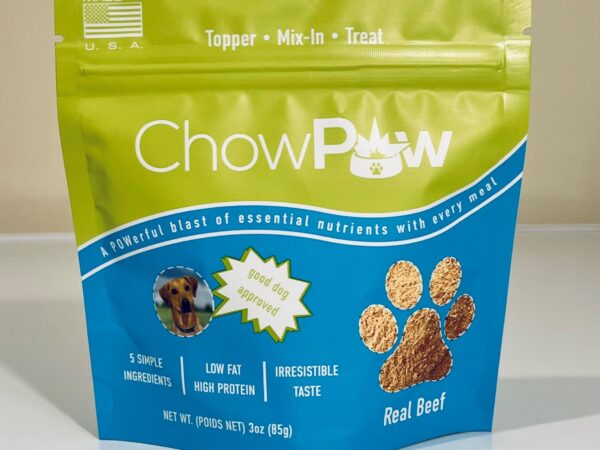 Dog Food Topper - Beef HeartOriginal price was: $14.99.$10.95Current price is: $10.95. - or subscribe and save up to 20%