

Are Dogs Allergic to Apples? A Pet Parent’s Guide
So, can dogs actually be allergic to apples?
Let’s get straight to the answer: a true apple allergy in dogs is incredibly rare. For most dogs, a crisp, juicy apple slice is a perfectly safe—and often beloved—treat packed with vitamins and fiber. But it’s easy to mistake a simple case of digestive upset for a full-blown allergy, and it’s important to know the difference.
What’s Really Happening When Your Dog Reacts to Apples
Many pet parents ask, “Are dogs allergic to apples?” and the good news is, you can probably breathe a sigh of relief. A genuine food allergy is an immune system response. The body gets confused and flags a harmless food protein as a dangerous invader, triggering an all-out defensive attack.
This is worlds apart from a food sensitivity or intolerance, which is usually just a digestive issue.
Think of it this way: a true allergy is like your dog’s internal alarm system going haywire over a friendly visitor, launching a massive, unnecessary response. A sensitivity is more like that same visitor just being a bit too rowdy, causing some temporary tummy trouble but no real threat. For most dogs who get an upset stomach after eating apples, it’s usually just too much fiber all at once.
A Quick Look at Apple Safety for Dogs
To put it simply, while the fruit itself is generally safe, certain parts of the apple pose a risk. Here’s a quick breakdown to keep your pup safe and happy.
Apple Safety for Dogs At a Glance
| Component | Potential Risk | Safety Note |
|---|---|---|
| Apple Flesh | Low risk of allergy; high fiber can cause upset stomach. | Safe in moderation. A few slices are a great treat. |
| Apple Skin | High in fiber. | Safe to eat, but can be tough to digest for some dogs. |
| Apple Seeds | Contain small amounts of cyanide. | TOXIC. Always remove seeds before feeding. |
| Apple Core | Choking hazard. | DO NOT FEED. The tough core is difficult to chew. |
| Apple Stem | Choking hazard. | DO NOT FEED. Remove the stem completely. |
As you can see, the main dangers come from the seeds and core, not the fruit itself. Proper preparation is everything!
How Common Are Food Allergies in Dogs, Anyway?
It helps to put things in perspective. While food allergies get a lot of attention, they aren’t as common as you might think, affecting only about 1–2% of the entire dog population.
And what are the usual suspects? It’s almost always animal proteins. Things like beef, dairy, and chicken top the list of common allergens. While it’s not impossible for a dog to react to apples, they are definitely not a major offender. You can learn more about the common causes of canine food allergies and how vets diagnose them.
A strong nutritional foundation is your dog’s first line of defense. A well-supported immune system is better equipped to handle new foods and less likely to overreact to harmless ingredients.
Boosting your dog’s daily meals is a simple yet powerful way to support their overall health from the inside out. ChowPow is a meal enhancement designed to do just that. It’s not a replacement for their regular food; it’s a partner to it, working with their current kibble to elevate its nutritional value. By sprinkling this supplement on top, you’re fortifying their diet with essential vitamins and minerals that support everything from digestion to immune function. A simple step for a more resilient dog.
Figuring Out the Signs of an Allergic Reaction
While a true apple allergy is pretty rare in dogs, it’s always smart to know what to watch for when you add any new food to their bowl. If your dog does have a sensitivity to apples, their body isn’t shy about sending out signals. Think of it as their way of saying, “Hey, this new snack isn’t sitting right with me!”
Catching these clues early means you can stop worrying and start taking action. Most of the time, you’ll see a reaction pop up within a few minutes to a few hours after your dog has eaten the apple.
Itchy Skin and Tummy Troubles: The Telltale Clues
When a dog’s immune system goes into overdrive over a food, the two places it usually shows up are the skin and the gut. These are hands-down the most common and obvious signs of a potential food allergy.
Imagine your dog is stuck in an itchy sweater they just can’t get off. That nonstop itchiness, known as pruritus, is a classic sign. You might see them:
- Scratching their body, ears, or face like there’s no tomorrow.
- Licking or chewing their paws until they’re red and sore.
- Rubbing their face on the furniture or carpet, trying to get some relief.
This constant irritation can spiral into other problems like hot spots, hair loss, or even skin infections if it’s not dealt with. It’s their body’s external alarm bell ringing loud and clear.
The other big signal comes straight from their stomach. A dog’s digestive system is often the first to protest when something disagrees with it. Keep an eye out for:
- Vomiting or diarrhea soon after they’ve had the new food.
- More gas than usual or noticeable gassiness.
- A sudden lack of appetite or acting uncomfortable around mealtime.
These are unmistakable signs of gut distress and a good reason to hit pause on that new treat.
Less Common But Important Signs to Watch For
Beyond the usual skin and stomach issues, a few other symptoms can point to an allergic reaction, though they’re less frequent. These can sometimes look a lot like seasonal allergies, so the context is everything.
Timing is your best clue. If you notice these signs shortly after feeding your dog a new food like apples, it’s a strong hint that the food could be the trigger.
Be on the lookout for symptoms that affect their face or respiratory system, like:
- Chronic ear infections, which you might spot from head shaking or a funky smell.
- Watery eyes or sneezing, much like a person with hay fever.
- Swelling around the face, lips, eyelids, or ears.
Any swelling of the face is a serious red flag and means you should call your vet immediately. While it’s incredibly rare for a simple apple sensitivity, it’s one of those critical symptoms every dog owner should know how to spot. By being aware of all the potential signs, you can confidently keep your dog safe, healthy, and happy.
How Veterinarians Uncover Food Allergies
If you think your dog is reacting to apples or anything else they’re eating, playing the guessing game is the last thing you want to do. It’s so tempting to just swap foods and see what happens, but your vet has a much more precise and reliable way to get to the bottom of the issue.
This isn’t about guesswork; it’s methodical detective work. And forget what you might have heard about blood or skin tests for food allergies—for these specific issues, they’re often not very reliable. Instead, vets turn to the gold standard: the elimination diet.
The Gold Standard Elimination Diet
Think of an elimination diet as hitting the big “reset” button on your dog’s menu. It’s a super-controlled process where your vet guides you to feed your dog a special diet, usually with a single new protein and carbohydrate source they’ve never had before. We’re talking novel proteins like venison, duck, or maybe even kangaroo.
For the next several weeks, your dog eats only this special food. That means no treats, no table scraps, and no flavored medications. Nothing else passes their lips. This gives their body a chance to cool down, allowing any allergy symptoms to hopefully fade away. If their itchy skin finally clears up or their tummy troubles disappear, that’s a huge clue that something in their old food was the problem.
To be absolutely sure, the next step is reintroducing old ingredients, one at a time. If the itching and scratching come roaring back after you add chicken back into their bowl, you’ve found your culprit. While this method definitely requires patience, it’s hands-down the most accurate way to pinpoint a food allergy. For a deeper dive, you can learn more about the step-by-step process of a dog food allergy elimination diet and what to expect along the way.
This infographic shows you the most common hotspots where allergy symptoms show up, starting with the skin and then moving to the digestive system and face.
As you can see, skin irritation is often the first and most obvious sign, but you should also keep an eye out for digestive and facial symptoms as key indicators of a potential allergy.
By working with your veterinarian on an elimination diet, you move from uncertainty to clarity. This process empowers you to make informed decisions about your dog’s nutrition for the rest of their life.
Once you know what to steer clear of, building a safe and healthy diet becomes so much easier. This is where giving their meals a little boost with a trusted supplement can be so valuable. ChowPow is designed to work with your dog’s main food, not replace it. By adding a scoop to their kibble, you enhance their meal with high-quality nutrients that support a healthy immune system and digestion—giving them that extra support they need to thrive.
Serving Apples Safely to Your Furry Friend
So, you’ve learned that a true apple allergy in dogs is pretty rare, and you’re ready to share this crunchy, healthy snack. That’s fantastic! But before you toss a slice their way, let’s talk prep. Getting it right is the key to turning an apple from a potential hazard into a safe and delightful treat.
Believe it or not, the two biggest risks with apples have nothing to do with allergies. They’re all about choking and the toxicity of the seeds. Luckily, both are completely avoidable with a few simple steps.
A Quick Look at Safe vs. Unsafe Apple Parts
It’s helpful to know exactly which parts of the apple are good to go and which are a definite no-no.
Here’s a simple breakdown to keep your pup safe:
Safe vs Unsafe Parts of an Apple for Dogs
| Apple Part | Is It Safe for Dogs? | Reason |
|---|---|---|
| Flesh | Yes | Rich in vitamins and fiber; a great low-calorie treat. |
| Skin | Yes | Contains extra fiber and nutrients. Just wash it well! |
| Core | No | It’s tough and fibrous, creating a serious choking hazard. |
| Seeds | No | Contains amygdalin, which releases cyanide when digested. |
| Stem | No | Hard and indigestible; can be a choking or obstruction risk. |
As you can see, sticking to the flesh and skin is the best bet for a happy, healthy treat time.
Preparing Apples The Right Way
First things first: always remove the core and seeds. The tough core is a major choking hazard, especially for smaller dogs or those who inhale their food. And those seeds? They contain small amounts of amygdalin, a compound that releases cyanide when broken down. While your dog would need to eat a lot of seeds to get sick, why take the risk?
Next, chop the apple into bite-sized pieces that are appropriate for your dog’s size. Small chunks are much safer and easier to manage than a big wedge they might try to swallow whole.
Remember, the goal is a safe treat, not a risky meal. A few minutes of prep work ensures your dog can enjoy all the benefits of apples without any of the dangers.
This simple routine—wash, core, de-seed, and slice—should become second nature before you share any apple with your best friend.
Follow The 10% Rule for All Treats
Even with healthy snacks like apples, moderation is key. A great guideline is the 10% rule: treats should make up no more than 10% of your dog’s total daily calorie intake. Their main meal provides the balanced nutrition they need to thrive; treats are just for fun.
Overloading on treats, even the healthy ones, can lead to weight gain and throw their diet off-balance. Think of it this way: your dog’s kibble is their complete and balanced dinner, and an apple slice is a small, healthy dessert.
A Strong Nutritional Foundation is Key
A well-balanced diet is the cornerstone of a healthy, resilient dog. While a rare reaction might have you asking, “are dogs allergic to apples,” the bigger picture is about supporting their overall wellness. When your dog’s core meals are nutritionally sound, their body is better equipped to handle everything from new foods to environmental stress.
This is where boosting their daily meal can make a real difference. A meal enhancer like ChowPow isn’t a replacement for their regular food—it’s a powerful supplement designed to boost its nutritional value. Sprinkling ChowPow over their kibble adds high-quality protein and essential nutrients that support a strong immune system and healthy digestion. It’s an easy way to make sure their foundational health is solid, making treat time both safe and worry-free.
Give Your Dog’s Bowl a Boost with ChowPow
A healthy, resilient dog starts from the inside out. While a few apple slices make for a fantastic, crunchy treat, your dog’s real nutritional foundation is built day-in and day-out with their regular meals. This is where you can make the biggest difference in their long-term health, creating a solid baseline that helps them truly thrive.
Let’s be clear about one thing: ChowPow is not a meal replacement. It’s a meal enhancement, like adding a superfood smoothie to your own healthy breakfast. It’s a powerful nutritional boost designed to work with your dog’s current food to enhance, support, and complete their diet by filling in any potential gaps.
A Simple Sprinkle for Serious Support
Transforming your dog’s meal from standard to supercharged couldn’t be easier. Just sprinkle ChowPow over their daily kibble, and you’ve turned an ordinary bowl into an extraordinary foundation for their well-being. No need to overhaul their entire diet or get tangled up in complicated feeding routines.
This simple addition gets to work from the inside out, providing targeted benefits you can actually see and your dog can definitely feel. Our carefully crafted blend of high-quality ingredients is designed to:
- Support Healthy Digestion: The natural ingredients in ChowPow help maintain a balanced gut—the cornerstone of good health and proper nutrient absorption.
- Promote a Shiny Coat: Key nutrients get to work promoting healthier skin, which leads to that lustrous, soft coat we all love to pet.
- Bolster the Immune System: A well-nourished body is a well-defended body. ChowPow helps strengthen their natural defenses, keeping them resilient day in and day out.
ChowPow lets you take a hands-on role in your dog’s wellness. You know exactly what you’re adding to their bowl and why it’s so important for their health.
Why a Meal Topper Makes All the Difference
Here’s a little secret about dog food: even high-quality kibble can lose some of its nutritional punch during the high-heat manufacturing process. A meal enhancement like ChowPow adds back those vital nutrients in a highly bioavailable form, which just means your dog’s body can absorb and use them easily and efficiently. It’s all about making sure they get the full spectrum of support they need.
This is a game-changer for picky eaters who might be missing out, or for senior dogs who need a little extra support to stay vibrant. It’s a simple, effective way to help your dog feel their absolute best, every single day. By shoring up their core nutrition, you’re setting them up for a lifetime of health—making those fun treat times with snacks like apples completely worry-free.
Common Questions About Dogs and Apples
We’ve covered a lot of ground, from spotting allergy symptoms to safely sharing this crunchy treat. To wrap things up, let’s tackle some of the most frequent questions that pop up for pet parents. Think of this as your quick-reference guide for feeling confident about apples.
Can My Dog Eat the Apple Skin?
Absolutely. For most dogs, the skin is perfectly fine to eat. In fact, it’s loaded with extra fiber and nutrients that can give their digestion a nice little boost.
The only real catch is to wash the apple thoroughly first to rinse off any pesticides or grime. If you know your dog has a sensitive stomach, you might want to peel it anyway—that extra fiber can sometimes be a bit much for them to handle all at once.
What if My Dog Accidentally Eats an Apple Seed or Two?
First off, don’t panic. While it’s true that apple seeds contain a compound that releases a minuscule amount of cyanide when digested, the dose from one or two seeds is nowhere near enough to cause harm.
The danger really only comes into play if a dog were to eat a large quantity of crushed seeds over time. If your dog gets ahold of a whole apple core, it’s never a bad idea to call your vet for peace of mind, but a single stray seed is generally nothing to worry about.
Are Certain Dog Breeds More Prone to Food Allergies?
That’s a fantastic question, and the answer isn’t a simple yes or no. While some breeds are definitely more susceptible to allergies overall, most of the research points toward environmental triggers—like pollen or dust mites—rather than specific foods.
For instance, some studies show breeds like the Maltese can make up a big chunk of allergy cases, but these are often linked to their environment, not their dinner bowl. You can explore the detailed findings on breed-specific allergy risks to get a deeper look. So, while your dog’s breed might make them more prone to seasonal itchiness, it doesn’t automatically mean they’re set up for a food allergy to apples.
How Many Apple Slices Can I Actually Give My Dog?
When it comes to treats, moderation is everything. The best guideline to live by is the 10% rule: treats should never make up more than 10% of your dog’s total daily calories.
For a little dog, one or two thin slices are plenty. A big dog might handle a few more, but apples should always be a special snack, not a meal replacement. The bulk of their nutrition has to come from their regular, balanced dog food.
What Other Fruits Are Safe for My Dog?
Apples are just the beginning! A whole bunch of other fruits make for safe, healthy, and delicious treats for your pup. Many dogs go crazy for:
- Blueberries: Tiny antioxidant powerhouses.
- Bananas: Great source of potassium, but high in sugar, so keep portions small.
- Watermelon: Super hydrating! Just be sure to remove the rind and seeds first.
- Strawberries: Packed with fiber and vitamin C.
It’s always smart to do a quick search before introducing any new food. If you’re looking for more ideas, our guide on the best foods for dogs with allergies is a great resource that covers lots of safe and nutritious options.
Ultimately, the best defense against adverse reactions is a strong nutritional foundation. A well-nourished body is simply better equipped to handle just about anything, including new foods.
When their daily meals are complete and nutrient-dense, you’re setting them up for a lifetime of wellness. And that makes treat time a fun, worry-free bonus for both of you.
A resilient and happy dog starts with a well-supported body. At ChowPow, we believe in enhancing your dog’s current kibble, not replacing it. Our meal topper is a simple, powerful way to boost the nutritional value of their daily meals, supporting everything from their immune system to their digestive health.
Learn more about how ChowPow can elevate your dog’s bowl at https://chowpownow.com
-
Product on sale
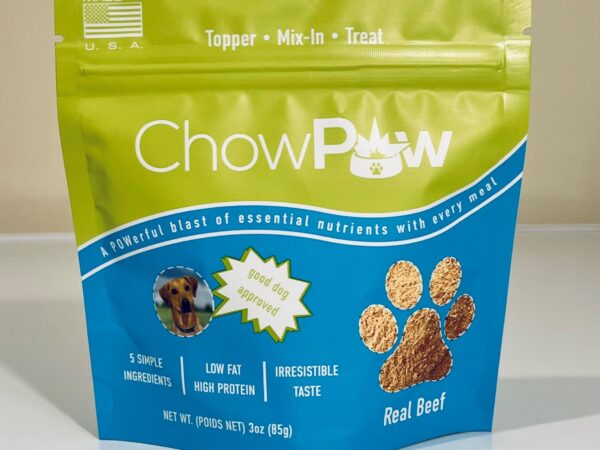 Dog Food Topper - Beef HeartOriginal price was: $14.99.$10.95Current price is: $10.95. - or subscribe and save up to 20%