

Are grains good for dogs? Expert Vet Insights
Walk down any pet food aisle, and you're bound to feel a little overwhelmed. The "grain-free" vs. "grain-inclusive" debate has confused countless dog owners, leaving them to wonder if they're making the right choice for their best friend.
Let's cut through the noise and get straight to the facts. Are grains good for dogs? For the overwhelming majority of them, the answer is a big, enthusiastic yes.
The Great Grain Debate in Your Dog's Bowl
The idea that grains are just cheap "fillers" in dog food is one of the biggest myths in the pet industry, driven by clever marketing rather than solid science. In reality, most of our dogs are well-equipped to digest and use the nutrients found in quality whole grains.
It’s tempting to think of our dogs as little wolves, but that’s not the whole picture. Thousands of years of living alongside humans have changed them right down to their DNA.
The scientific evidence supporting grains in dog nutrition has remained remarkably consistent over decades of research. Domesticated dogs have undergone significant genetic evolution from wolves, developing three key gene changes that specifically facilitate the digestion and utilization of starches.
This is a game-changer. It means that unlike their wild ancestors, our modern dogs have the biological tools to break down and benefit from carbohydrates like grains. Studies have even shown that a dog's ability to digest protein isn't harmed by having grains and fiber in their diet.
More Than Just a Filler
So, what do grains actually do for your dog? Think of them like the complex carbs a marathon runner eats for fuel—they provide steady, reliable energy for all their daily adventures.
- Sustained Energy: Grains like brown rice and oatmeal are a source of slow-release energy, helping to keep your dog's energy levels stable all day.
- Essential Nutrients: They aren't empty calories. Whole grains are packed with fiber for healthy digestion, plus important vitamins and minerals.
- A Complete Picture: When used in a well-formulated food, grains play a vital role in creating a complete and balanced diet that supports your dog's overall health.
Grain-Inclusive vs. Grain-Free: A Quick Comparison
Understanding the basic differences between the two main diet philosophies can help you make a more informed choice.
Here's a simple breakdown to see how these diets stack up at a high level.
| Feature | Grain-Inclusive Diets | Grain-Free Diets |
|---|---|---|
| Primary Carb Sources | Whole grains like oatmeal, brown rice, barley, corn | Legumes (peas, lentils), potatoes, sweet potatoes |
| Core Philosophy | Grains are a nutritious source of energy, fiber, and nutrients for most dogs. | Grains are unnecessary or potential allergens; focuses on alternative carb sources. |
| Best For | The vast majority of healthy dogs without specific grain sensitivities. | Dogs with a diagnosed grain allergy or intolerance (which is rare). |
| Things to Watch For | Ensure the formula uses whole, high-quality grains, not processed fillers. | Potential link to canine Dilated Cardiomyopathy (DCM) is under investigation by the FDA. |
While this table gives you the basics, the world of canine nutrition has a lot of nuances. For a deeper dive, you might be interested in our article debunking other common myths about canine diets.
Of course, the best diet is one that works for your individual dog. Whether you choose a kibble with or without grains, you can always elevate its nutritional impact.
A meal enhancement like ChowPow isn't meant to replace a meal, but to boost it. Sprinkling it over your dog’s food adds a boost of high-quality protein and other vital nutrients, making any meal more delicious and beneficial.
Untangling Grains from Dog Food Allergies
Is your dog’s relentless scratching making you eye the grains in their food with suspicion? You're not alone. It's a common thought, but the idea that grains are the big bad wolf of dog allergies is one of the most stubborn myths in the dog food world.
So, let's separate fact from marketing fiction.
Here’s the surprising truth: true grain allergies in dogs are incredibly rare. Clever marketing has done an amazing job painting these ingredients as dietary villains, pushing many well-meaning owners to ditch them without a real reason.
The real troublemakers? They’re usually the common proteins we feed our dogs every day.
The Real Culprits Behind Food Allergies
When a dog has a genuine food allergy, it’s not just a little tummy trouble. Their immune system goes into overdrive, reacting to a specific ingredient—almost always a protein. This full-blown immune response is what causes all that discomfort.
Veterinary studies have consistently shown the most common food allergens for dogs are:
- Beef
- Dairy Products
- Chicken
- Lamb
- Soy
- Wheat (though it's much less common than the proteins)
See a pattern? Animal proteins are at the top of the list. While a wheat allergy isn't impossible, it’s far less likely than an allergy to the chicken or beef that forms the base of your dog's meal. Getting this right is the key to finally solving your dog's itchiness.
Allergy vs. Intolerance: What's the Difference?
It's also super important to know the difference between a true allergy and a food sensitivity, or intolerance. Think of it this way: one person has a life-threatening peanut allergy, while another just gets a bit of heartburn from spicy food.
An allergy is an immune system reaction. It shows up as skin problems like hives, intense itching, and rashes. An intolerance is a digestive problem. It leads to gas, bloating, or diarrhea but doesn't involve an immune response.
Mixing these two up can send you down the wrong path with dietary changes. That’s why getting a proper diagnosis from your vet is so crucial. If you're trying to pinpoint what's bothering your pup, our guide on how to conduct a dog food allergy elimination diet is a great resource to use alongside your vet's advice.
Despite all the scientific evidence, there’s a huge gap between what experts know and what pet owners believe. Vets report that less than 1 percent of dogs have a genuine sensitivity to grains. And yet, surveys show that roughly 50 percent of U.S. pet owners think grain-free diets are healthier. It’s a powerful example of how marketing can shout louder than science.
Even if your dog is on a special diet, mealtime doesn't have to be boring. ChowPow is not a meal replacement; it's a meal enhancement designed to boost the nutritional value of their current food. A simple sprinkle over any food—whether it’s grain-inclusive or grain-free—adds a boost of highly digestible protein and makes any bowl more exciting.
What Vets Are Saying About Grain-Free Diet Risks
The "grain-free" label took the pet food world by storm, quickly becoming a powerful marketing claim. But as its popularity grew, so did some serious, unforeseen concerns from the veterinary community. It turns out that far from being a clear-cut healthier choice, certain grain-free diets have now been linked to a life-threatening heart condition, sparking official investigations and a major shift in how experts view these foods.
The goal here isn't to create fear. It's to give you the facts straight from the scientific findings so you can make choices based on evidence, not just the latest trend.
The Troubling Link Between Diet and Heart Health
The biggest red flag revolves around a heart condition called dilated cardiomyopathy (DCM). Just think of your dog's heart as a powerful, muscular pump. With DCM, that heart muscle gets weak and thin. This causes the heart to enlarge and struggle to pump blood the way it should.
This can lead to congestive heart failure and is often fatal if it isn't caught and managed. While we've always known certain breeds like Dobermans and Great Danes have a genetic risk for DCM, vets started noticing something alarming: dogs from breeds with no history of the disease were suddenly developing it.
What was the common thread? A surprising number of them were eating grain-free diets.
This strange pattern got the attention of the U.S. Food and Drug Administration (FDA), which launched a full-scale investigation. The results were startling. Between January 2014 and April 2019, the FDA logged 515 reports of DCM in dogs. When they dug into the data, they found that a whopping 90 percent of the foods named in these cases were grain-free formulas. You can read more about it in the ASPCA’s helpful overview of the grain-free diet debate.
Beyond Grains: The Rise of Legumes and Pulses
As researchers looked closer, they realized the problem wasn't just about what was missing from the food (grains). It was also about what was being used to replace them.
The investigation revealed that 93 percent of the reported diets in the DCM cases contained peas and/or lentils as main ingredients. Other common ingredients in these "BEG" (Boutique, Exotic, Grain-free) diets included potatoes and sweet potatoes.
The exact "why" behind this link is still being pieced together. Some theories suggest these ingredients might interfere with the body's ability to absorb or use taurine, an amino acid that's absolutely vital for heart health. Others think different aspects of the diet's formulation are to blame.
What is clear is that the issue is way more complex than a simple "grains are bad for dogs" argument. This all underscores how important it is to choose a diet backed by solid nutritional science.
Even if your dog is on a specific vet-recommended diet, you can still make their meals exciting. ChowPow is a nutrient-dense meal enhancement—not a meal replacement—designed to boost the flavor and nutrition of your dog's current food. It’s a great way to support their health without disrupting the core diet their vet trusts.
How Healthy Grains Fuel Your Dog's Vitality
Thinking of grains as simple "fillers" in dog food is a common mistake. It’s like saying an athlete’s pre-race pasta dinner is just for show. The truth is, high-quality whole grains are nutritional powerhouses, acting as premium fuel for your dog's daily adventures.
Grains like oatmeal, brown rice, and barley come packed with benefits. They deliver sustained energy, essential fiber for happy digestion, and a whole host of vitamins and minerals that support everything from their immune system to a shiny coat.
The Building Blocks of Daily Energy
Just like a runner carbs-up before a marathon for lasting fuel, certain grains give your dog a steady, slow-release source of energy. This helps completely sidestep the sugar highs and energy crashes that can come from simple, less complex carbohydrates.
This kind of stable energy is crucial for:
- Daily Play: Fueling all those zoomies, long walks, and endless games of fetch without them running out of gas.
- Stable Mood: Helping prevent the crankiness or sluggishness that can pop up when blood sugar levels are all over the place.
- Overall Endurance: Supporting your dog's stamina all day long, whether you have a high-energy pup or a more chilled-out senior.
This is a big reason why, when asked are grains good for dogs, veterinary nutritionists often give a resounding 'yes'. They don't see these ingredients as cheap fillers, but as functional parts of a complete and balanced diet.
A Foundation for Gut Health
Beyond just energy, whole grains are a fantastic source of dietary fiber. This is a non-negotiable for keeping your dog's digestive system running smoothly and regularly. It helps keep things moving along, preventing issues like constipation and promoting firm, healthy stools.
But fiber does more than just keep your dog regular. Some types of fiber found in grains act as prebiotics. You can think of prebiotics as the fertilizer for all the good bacteria already living in your dog's gut. A thriving gut microbiome is directly linked to better nutrient absorption, a stronger immune system, and overall vitality.
Many healthy grains are natural prebiotics, helping to create a healthy gut environment. If you want to dive deeper into supporting this internal ecosystem, a complete guide to natural probiotics for optimal health is a great place to start.
At the end of the day, every ingredient in your dog's bowl should have a job to do. Whether your dog’s food is grain-inclusive or not, you can always up its nutritional game. A topper like ChowPow is not a meal substitute; it’s a powerful meal booster. A simple sprinkle adds a blast of high-quality animal protein and micronutrients, making any meal that much better.
When to Talk to Your Vet About Your Dog's Food
If you’re starting to wonder if grains are the bad guy in your dog’s food bowl, you're asking a great question. But before you rush to switch their diet, it's vital to know what you're looking for and, most importantly, to team up with your veterinarian. Going it alone and making sudden food changes can sometimes create more problems than it solves.
While most dogs thrive on a balanced diet that includes grains, a small number do have genuine sensitivities. It's not always the grains, either—sometimes the culprit is a specific protein or another ingredient entirely. If you’re seeing ongoing signs that your pup just isn't feeling their best, it's time to play detective.
Signs of a Potential Food Sensitivity
Keep an eye out for nagging issues that just don't seem to go away. These symptoms can be sneaky or glaringly obvious, but if they're persistent, something in their diet could be the root cause.
Common red flags to watch for:
- The Never-Ending Itch: Constant scratching, paw-licking, or rubbing their face on the furniture that goes beyond normal grooming.
- Chronic Ear Troubles: Frequent head shaking, stinky ears, or infections that clear up only to come right back.
- Tummy Troubles: Regular gas, loose stools, diarrhea, or vomiting that isn’t just a one-time thing.
- Dull Coat or Skin Problems: Flaky skin, "hot spots," or a coat that's lost its natural shine and softness.
Partnering with Your Vet Is Non-Negotiable
If any of those signs hit a little too close to home, your next move isn't to the pet store—it's to the phone to call your vet. Trying to guess the problem ingredient and randomly swapping foods can muddy the waters, making it much harder to figure out what's really going on. Your vet is your best ally here.
A vet can guide you through an elimination diet, which is the gold standard for pinpointing food sensitivities. It’s a carefully managed process where you temporarily feed your dog a very simple diet with new ingredients they've likely never had before. Then, by reintroducing old ingredients one by one, you can see exactly which one causes a reaction.
An elimination diet is a diagnostic tool, not a guessing game. It takes patience, but it provides clear, reliable answers, ending the frustrating cycle of switching from one food to another without a real solution.
Whether your dog needs a full diet overhaul or not, you can always boost the appeal and nutrition of their current meals. ChowPow is a meal enhancement, not a replacement for their kibble. Sprinkling this nutrient-dense topper is a perfect way to add a burst of flavor and nutrition to any food, making sure your dog gets the most out of every single bowl.
Giving Their Bowl a Boost with ChowPow
Whether you've settled on a grain-inclusive food or your vet has recommended a specific grain-free plan, you've made a choice based on what's best for your dog. That daily meal is the bedrock of their health. But even the strongest foundation can be built upon to make it even better.
That’s exactly where a meal topper like ChowPow comes in.
It's crucial to know that ChowPow is a meal enhancement, not a replacement for their kibble. Think of it like sprinkling toasted nuts and fresh berries on your morning yogurt. You’re not ditching the yogurt; you’re just making it tastier and bumping up its nutritional value.
Powering Up Their Meal with Simple Goodness
We designed ChowPow to complement any complete and balanced diet. Just a simple sprinkle introduces a concentrated dose of whole-food nutrition from ingredients you can actually recognize.
Our recipe is clean and simple:
- Beef Heart: An incredible source of high-quality protein and essential amino acids that help maintain muscle and energy levels.
- Carrots & Celery: These veggies bring natural vitamins, minerals, and antioxidants to the table, supporting your dog's overall wellness.
- Apple Cider Vinegar: We add just a touch to help support healthy digestion.
This straightforward blend packs a serious nutritional punch, turning a good meal into a great one. It shifts the conversation from just what to exclude from a diet to what powerful nutrients you can add.
The Secret Weapon for Picky Pups and Dogs with Special Needs
We all know the frustration of a dog who turns their nose up at dinner. ChowPow has been a game-changer for so many pups who need a little encouragement at mealtime. Its rich, meaty aroma is pretty hard for even the fussiest eaters to resist, transforming dinner-time standoffs into tail-wagging excitement.
Because it’s a fine, dehydrated powder, ChowPow is incredibly versatile. It’s the perfect way to add crucial nutrients for senior dogs with sensitive teeth, entice a pet who is recovering from illness to regain their appetite, or simply make daily meals more exciting.
No matter if your dog's food contains grains or not, adding a nutrient-dense topper is a simple, effective way to give them extra support. For more ideas on boosting your dog's bowl, check out our guide on dehydrated dog food toppers. A little sprinkle really can make a big difference.
Your Questions About Grains for Dogs Answered
As we get to the bottom of the great grain debate, it's normal to have a few last questions. We get it—choosing the right food for your dog feels like a huge responsibility. Let's tackle some of the most common questions we hear from other pet parents.
Are Some Grains Better for Dogs Than Others?
They sure are. Just like with our own food, some grains are nutritional all-stars. Wholesome, whole grains like brown rice, oatmeal, and barley are fantastic. They’re packed with fiber, vitamins, and minerals that provide slow, steady energy.
That said, other grains like corn and wheat aren't automatically "bad." When they're properly cooked and part of a diet balanced by veterinary nutritionists, they can be perfectly good sources of energy. The "best" grain always comes down to the food's complete nutritional profile and your dog's individual needs.
My Dog Is Itchy. Should I Switch to a Grain-Free Diet?
It's so tempting to point the finger at grains when your dog starts scratching, but hold that thought. More often than not, itchiness comes from environmental allergens (like pollen or fleas) or an allergy to a common protein source, like chicken or beef.
True grain allergies are incredibly rare in dogs. If you switch foods without getting a proper diagnosis, you might just make it harder to pinpoint the real culprit. Your first stop should always be your veterinarian's office to do some real detective work.
Can I Use ChowPow with My Dog's Grain-Free Food?
Absolutely! ChowPow is a super versatile meal topper that’s made to boost any complete and balanced diet, whether it includes grains or not.
If your vet has put your dog on a specific grain-free food for a diagnosed health issue, sprinkling on some ChowPow is the perfect way to add drool-worthy flavor and extra animal-based protein and nutrients. It works with their existing food to make it more exciting without messing with their prescribed diet. Think of it as a nutritional boost, not a replacement for their main meal.
Ready to make mealtime the best part of your dog’s day? Give them the whole-food goodness of ChowPow. Click here to transform their next meal!
-
Product on sale
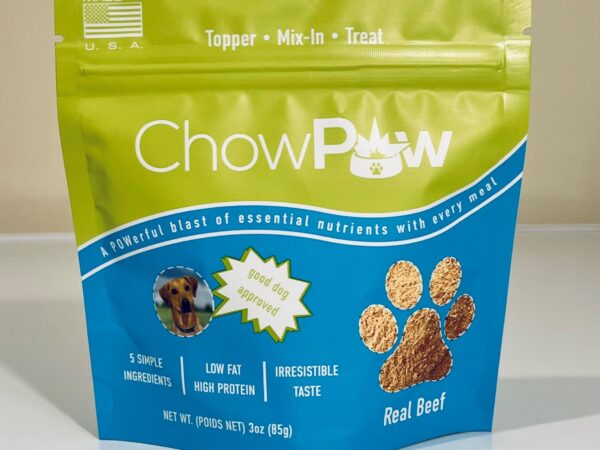 Dog Food Topper - Beef HeartOriginal price was: $14.99.$10.95Current price is: $10.95. - or subscribe and save up to 20%