
Best Dog Food for Sensitive Stomach: How to Choose
If you've ever dealt with a sensitive stomach yourself, you know that finding the right food is everything. For dogs, it’s much the same. The best approach is usually one that keeps it simple: limited, high-quality ingredients, easily digestible proteins like turkey or fish, and no common troublemakers like corn or soy. The trick is figuring out which specific ingredient is causing the upset and showing it the door.
Spotting the Signs of a Sensitive Stomach in Your Dog
That quiet gurgling sound from your dog's favorite nap spot, a sudden bout of pickiness at dinnertime, or poop that’s just… off. These aren't just random quirks. More often than not, they’re your dog’s only way of telling you that something in their gut isn't right.
Think of your dog’s digestive system like a finely tuned engine. When you put in the wrong fuel, it starts to sputter. Learning to spot these subtle (and not-so-subtle) clues is the first step toward getting them back on track.
Decoding Digestive Distress Signals
Catching the signs early is your best bet for bringing your pup some relief. Sure, an occasional upset tummy happens to every dog, but if you're seeing a consistent pattern, it's a strong hint that a food sensitivity is the culprit.
Instead of just noting one-off incidents, try to connect the dots. Does the gurgling always start an hour after they eat? Do they seem extra tired after a particular meal? Paying close attention is the key to cracking the code.
Common signs of a sensitive stomach include:
- Excessive Gas: All dogs get gassy, but if the frequency or smell is suddenly off the charts, it’s a big red flag for poor digestion.
- Intermittent Vomiting: If your dog occasionally throws up undigested food shortly after a meal, it’s a good sign that food isn't sitting well.
- Loose Stools or Diarrhea: This is one of the most direct signs of GI upset. Stool consistency is a powerful, if unpleasant, window into their gut health.
- Reduced Appetite: When a dog who normally inhales their food suddenly turns their nose up, it's often because they associate eating with feeling unwell.
- Loud Stomach Noises (Borborygmi): Those loud, rumbling gurgles are the sound of excessive gas and turmoil in their belly.
"One thing I always tell my clients: take photos of vomit or stool changes. They help your vet make a faster, more accurate diagnosis." – Dr. Jack Ayerbe, OAM
Why Poop is a Health Report Card
Your dog’s poop gives you a daily update on their digestive health. Any change in color, consistency, or frequency is often the very first sign that their food isn't working for them. Healthy stool should be firm, log-shaped, and easy to pick up.
When it deviates from that, it tells a story. For instance, consistently soft or watery stools mean nutrients aren’t being absorbed properly. Learning what to look for can make all the difference, which is why we created a guide to help you understand the scoop on poop and your dog's digestive health.
Moving Toward a Solution
Recognizing these symptoms is the most important step. Once you've identified a pattern, you can start exploring dietary changes that bring your companion comfort. Often, it's a simple fix.
The goal is to find the best dog food for a sensitive stomach that uses gentle, high-quality ingredients. For many dogs, a great first step is simply boosting their current kibble with a nutrient-dense meal enhancement like ChowPow. It adds powerful nutrition and makes food more appealing without a sudden, jarring diet overhaul—a gentle way to give their digestive system the support it needs.
Common Ingredients That Can Upset Your Dog's Digestion
Ever wonder why one brand of kibble seems totally fine, while another sends your dog into a tailspin of gurgles and gas? The answer is often hiding in plain sight on the ingredient label. Getting a handle on what’s actually in your dog's food is the most crucial step to managing their sensitive stomach.
It helps to know the difference between a food allergy and a food intolerance. Think of a food allergy like your dog’s immune system panicking over a specific ingredient—usually a protein like beef or chicken. A food intolerance, on the other hand, is a digestive issue. Their system just can't break down an ingredient like corn or wheat properly.
Both can make your dog miserable, but figuring out the source is your first mission. This isn't about villainizing certain ingredients; it's just about recognizing that what works for your neighbor's dog might be a disaster for yours.
The Great Protein Debate
Protein is essential for your dog's health, but not all protein sources are created equal, especially for a sensitive pup. Ironically, some of the most popular proteins in dog food are also the ones that most frequently cause reactions.
Studies show that proteins are behind the vast majority of food-related allergic flare-ups in dogs. The usual suspects include:
- Beef: It’s in so many dog foods, and that constant exposure can actually increase the odds of a dog developing a sensitivity over time.
- Chicken: Just like beef, chicken is absolutely everywhere in the pet food world, making it another top offender for allergic responses.
- Dairy: A lot of dogs are actually lactose intolerant. They don't have the enzyme needed to digest the sugar in milk, which leads to gas, bloating, and diarrhea.
This doesn't mean these proteins are "bad." It just means they are common triggers. A dog can eat the same protein for years with no problem and then suddenly develop an allergy.
Fillers and Additives to Watch For
Beyond the main protein, certain fillers and artificial additives can really mess with a dog's digestive system. These ingredients often add bulk without much nutritional value and can irritate the gut.
When you look at an ingredient list, the first five ingredients make up the bulk of the food. If you see corn, wheat, or soy listed as the first or second ingredient, you're likely looking at a food that prioritizes cheap fillers over high-quality nutrition.
Keep an eye out for these common irritants:
- Corn and Wheat Gluten: These are often used as cheap binders and protein sources, but they are notoriously tough for many dogs to digest.
- Soy: A well-known allergen for dogs that can cause some serious gas and bloating.
- Artificial Preservatives (BHA, BHT, Ethoxyquin): These chemical preservatives have been linked to various health issues and can contribute to gut inflammation.
- Artificial Colors and Flavors: Dyes and synthetic flavors add zero nutritional value and can trigger sensitivities in some dogs.
Learning to scan labels for these troublemakers is a superpower for any dog owner. For a deeper dive, check out our detailed guide on what ingredients to avoid in dog food to really sharpen your skills.
The goal is to find foods with simple, whole ingredients you can recognize. ChowPow helps you stick to that philosophy. As a meal enhancement, it's made with just four simple ingredients—beef heart, carrots, celery, and apple cider vinegar. It adds a boost of high-quality, easily digestible nutrition to your dog's current food without all the common fillers and allergens found in many commercial kibbles.
Comparing The Top Diets For Digestive Health
Trying to pick the right food for a dog with a sensitive stomach can feel overwhelming. When you're staring at a wall of dog food bags, it's hard to know where to even begin. But here's the secret: it’s not about finding one single "best" food. It's about matching the right dietary strategy to what's actually going on with your dog's gut.
Think of it like being a detective. Each diet type is a different tool designed to solve a specific puzzle, whether that means simplifying ingredients to find a trigger or using a new protein to bypass an allergy. Once you understand the "why" behind each one, you'll feel way more confident making a choice for your pup.
You're not alone in this search. The market for specialized pet food is booming. According to one U.S. dog food market report, veterinary therapeutic diets—the kind made for sensitive stomachs—are seeing the biggest growth, thanks to owners becoming more aware of food allergies.
Limited Ingredient Diets (LID)
The whole philosophy behind a Limited Ingredient Diet (LID) is simple: less is more. These formulas cut way back on the number of ingredients, which makes it much easier to figure out what, exactly, might be causing your dog's upset stomach.
A typical LID will have just one source of protein (like salmon or duck) and only one or two easy-to-digest carbs (like sweet potatoes or peas). By getting rid of common troublemakers like chicken, beef, corn, and wheat, you're basically clearing the scene to spot the culprit.
Novel Protein Diets
If you have a hunch that a common protein like chicken or beef is the problem, a Novel Protein Diet is a great next step. "Novel" just means it’s new to your dog. The idea is to introduce a protein their immune system has never seen before, which helps sidestep a potential allergic reaction.
Some popular novel proteins include:
- Duck: A rich, flavorful alternative that's less likely to cause issues than chicken.
- Venison: A lean red meat that's also highly digestible.
- Kangaroo: A go-to option for dogs who seem to be allergic to everything.
- Fish: Salmon or pollock are not only new to many dogs but also come packed with anti-inflammatory omega-3s.
This diagram shows the two main culprits behind an upset stomach—allergies and intolerances—which these diets are designed to tackle.
As you can see, swapping a common allergen like chicken for a novel protein can stop an allergic reaction, while avoiding certain grains can prevent an intolerance flare-up.
Hydrolyzed Protein Diets
For dogs with really stubborn or severe food allergies, your vet might bring up a hydrolyzed protein diet. This is a much more high-tech approach. In these prescription foods, the protein molecules are broken down into pieces so tiny that the dog's immune system doesn't even recognize them as a threat.
Think of it this way: If your dog's immune system is a security guard on the lookout for a "chicken protein" intruder, hydrolyzed protein is that same intruder wearing such a good disguise that they walk right past security without setting off any alarms.
These diets are usually only available from a vet and are often a last resort. For a deeper dive into gut-friendly ingredients, you might want to check out this expert guide to the best dog food for intestinal problems.
To help you see how these diets stack up, here’s a quick comparison of what each one does best.
Comparing Dog Food Types for Sensitive Stomachs
| Diet Type | Primary Benefit | Best For Dogs With… |
|---|---|---|
| Limited Ingredient (LID) | Simplifies the diet to easily identify trigger ingredients. | General sensitivities or suspected food intolerances. |
| Novel Protein | Introduces a protein the dog's immune system hasn't seen before. | Suspected allergies to common proteins like chicken or beef. |
| Hydrolyzed Protein | Breaks protein down so the immune system doesn't react. | Severe, persistent food allergies where other diets have failed. |
| High-Fiber | Adds soluble and insoluble fiber to regulate digestion. | Inconsistent stools, constipation, or diarrhea. |
| Low-Fat | Reduces fat content to ease the burden on the digestive system. | Pancreatitis, IBD, or difficulty digesting fats. |
Ultimately, understanding the different tools at your disposal is the key to finding what works for your dog.
Other Specialized Diets
Beyond allergies, some dogs just need a different kind of digestive support. High-fiber diets are great for firming up stools and keeping things regular, while low-fat diets are an absolute must for dogs with conditions like pancreatitis.
Figuring out which approach best matches your dog's symptoms is the most important step. Whether that means switching to an LID or simply boosting their current kibble with a gentle, nutrient-rich supplement like ChowPow, the goal is always the same: to give them relief and get their digestive health back on track. Because ChowPow is a meal enhancement, it lets you add high-quality, easily digestible protein without having to change their entire diet overnight.
Where Dog Food Science is Headed Next
The world of dog food is moving way beyond the usual bag of kibble. Science is stepping in, giving us smarter, more targeted ways to support dogs with sensitive digestive systems. These new approaches are a total game-changer, offering real relief through carefully designed ingredients.
The whole idea is to focus on nutrients that are super easy for a dog’s body to use and are far less likely to cause a reaction. Instead of just cycling through the same old proteins, nutritionists are getting creative with new options that provide everything a dog needs without triggering common allergens.
Looking Beyond Chicken and Lamb
For years, if you suspected your dog had a protein allergy, the standard advice was simple: switch from chicken to lamb. But as more dogs develop sensitivities to even these common meats, we've needed new choices. This has opened the door for alternative proteins, which give a dog's immune system a much-needed clean slate.
These aren't just trendy ingredients; they’re backed by solid science. Some of the most exciting options include:
- Insect Protein: Often sourced from black soldier fly larvae, insect-based proteins are incredibly sustainable and hypoallergenic. They pack in all the essential amino acids your dog needs without the baggage of common meat allergens.
- Sustainably Sourced Fish: Fish like pollock are fantastic protein sources and are naturally loaded with anti-inflammatory omega-3 fatty acids.
- Yeast Proteins: Believe it or not, cultured yeast can be grown to produce a complete, high-quality protein that's ridiculously easy for dogs to digest.
What makes these options so powerful is that they're "novel"—a fancy way of saying most dogs have never encountered them before. This drastically lowers the odds of an allergic reaction.
Precision Fermentation is a Big Deal
One of the most fascinating developments is precision fermentation. You can think of it like brewing craft beer, but instead of making an IPA, scientists use microorganisms like yeast to create specific, ultra-pure nutrients. This tech lets them produce proteins and other ingredients practically tailor-made for easy digestion.
This move toward precision fermentation and alternative proteins is shifting how we tackle sensitive stomachs. By using ingredients derived from fermentation, like insect and yeast proteins, brands can seriously cut down on the allergic responses we see with conventional meats.
With precision fermentation, companies can create a protein that isn't just hypoallergenic—it's optimized for maximum nutrient absorption. That means your dog gets more from every single bite, with less work for their gut.
What This Means for Your Dog's Bowl
These cutting-edge nutritional ideas are already showing up in specialized dog foods and high-quality supplements. They’re building the foundation for modern gut health solutions, which is exactly why a simple, gentle meal enhancement can make such a difference.
A product like ChowPow is not meant to replace your dog's regular food. Instead, it taps into the same core principle: using a high-quality, easily digestible protein—in this case, beef heart—to boost the nutritional value of their existing kibble. By adding this kind of simple, nutrient-packed supplement, you're applying the best of modern canine nutrition without needing a sudden, dramatic diet overhaul.
How a Meal Topper Can Enhance Your Dog's Current Diet
What if you didn't have to go through the stress and expense of a complete diet overhaul to help your dog's sensitive stomach? Sometimes, the most effective fix isn't a total teardown but a simple, targeted boost. A high-quality meal enhancement like ChowPow offers just that—a practical way to elevate the food your dog is already eating.
Think of it as a nutritional supercharger for their kibble, not a replacement. A good meal enhancement works to fill in the nutritional gaps that even premium dog foods can have, providing concentrated support exactly where a delicate gut needs it most.
Adding What Their Kibble Is Missing
Many commercial dog foods might be missing the specific ingredients needed to soothe a troubled digestive system. A premium supplement adds a layer of highly digestible protein, gut-friendly nutrients, and a little extra moisture to help things along—all while making dinner irresistible to even the pickiest eaters.
ChowPow was designed with this exact philosophy in mind. It delivers three key benefits in every scoop:
- Highly Digestible Protein: It’s built on beef heart, a nutrient-dense organ meat that's famously gentle on the stomach and loaded with essential amino acids.
- Gut-Supporting Ingredients: Simple, whole-food additions like carrots and celery provide natural fiber and vitamins that help support a healthy gut.
- Enhanced Palatability: The rich, meaty smell is a game-changer for picky dogs, enticing them to eat and ensuring they get the calories they need.
A meal enhancement acts like a bridge between your dog's current food and their ideal digestive health. It allows you to add targeted, high-value nutrition without disrupting the diet their system is already used to.
This approach is a lifesaver for dogs who resist sudden changes. Instead of forcing a brand-new food on them, you’re simply making their familiar meal better, tastier, and easier to digest.
Making Meals More Appealing and Hydrating
For a dog with a sensitive stomach, a poor appetite is often part of the problem. If they start associating mealtime with discomfort, they may avoid their food bowl. A meal topper can completely flip that script, adding an exciting new taste and smell that even the most reluctant eater can't ignore.
Plus, hydration is critical for healthy digestion, and dry kibble doesn't offer much. You can mix a powdered supplement like ChowPow with a little warm water to create a delicious, savory gravy.
This simple trick accomplishes two important things:
- It boosts their daily water intake, which helps everything move smoothly through their digestive tract.
- It softens the kibble, making it easier for senior dogs or those with dental issues to chew and digest.
This turns the search for the "best" dog food into something much more flexible—a system you can easily adapt to your dog’s needs.
How to Introduce a Meal Topper
Adding a meal enhancement to your dog's routine is incredibly simple. You don't need a long, drawn-out transition plan like you would when switching to a new kibble.
Here’s a quick guide to get started:
- Start Small: For the first couple of days, begin with just a quarter or half of the recommended serving size sprinkled over their regular food. This gives their system a chance to adjust.
- Mix It In: Stir the powder right into their kibble so they get a little bit with every bite. To make a gravy, just mix the powder with a few tablespoons of warm water before pouring it over their food.
- Monitor Their Response: Keep an eye out for positive changes, like a better appetite and firmer stools. Since you're just enhancing their diet, you can easily tweak the amount based on what you see.
This practical, gentle method lets you give them targeted support for their sensitive stomach without any drama. It’s an easy win to make every meal better. For more ideas, you can learn more about our dog food toppers for a sensitive stomach and see what makes them so effective.
Safely Transitioning to a New Food
So, you’ve picked out a fantastic new food or a high-quality meal enhancement to help your dog. Great! But the single most important step is still ahead: the transition. A dog's digestive system is a creature of habit, and swapping foods too quickly is a classic mistake that can trigger the very tummy troubles you're trying to solve.
Think of their gut as a finely tuned ecosystem. A sudden diet change can send everything into a tailspin. A slow, gradual switch gives all those good gut bacteria time to adapt, making the changeover seamless and comfortable for your pup.
The 7-10 Day Transition Plan
The golden rule here is slow and steady. This gradual mixing process helps you dodge digestive shock and lets you keep a close eye on your dog’s reaction. If you're just adding a supplement like ChowPow, the process is much quicker since it's not a total diet overhaul. But for a complete food switch, this is the plan to follow.
Here’s a simple day-by-day schedule that works like a charm:
- Days 1-3: Start with 75% old food and 25% new food. This just gives their system a little taste of the new ingredients without being overwhelming.
- Days 4-6: If everything looks good, move to a 50/50 mix of old and new. At this point, you should be seeing normal stools and a happy dog.
- Days 7-9: Time to bump it up to 75% new food and 25% old food. You're on the home stretch now!
- Day 10: You've made it! Go ahead and serve 100% new food. Your dog’s digestive system should now be fully on board.
Watch their stool quality and energy levels throughout the entire process. If you spot any loose stools or signs of discomfort, don't panic. Just dial it back to the previous ratio for another couple of days before trying to move forward again.
Red Flags You Should Never Ignore
While a slow transition prevents most issues, some symptoms are more than just a simple food reaction—they’re a sign of something more serious. Knowing when to handle things at home versus when to call the vet is critical.
Get in touch with your veterinarian immediately if you see any of these warning signs:
- Persistent Vomiting: Throwing up several times within a 24-hour period.
- Blood in Stool or Vomit: Any trace of blood is an automatic red flag that needs a vet's attention.
- Extreme Lethargy: If your dog seems unusually weak, tired, or even collapses.
- Abdominal Bloating: A hard, swollen belly can be a symptom of a life-threatening condition.
Following this game plan ensures you're helping your dog safely and effectively, putting their health and happiness first.
Got Questions? We’ve Got Answers.
When you're trying to figure out your dog's sensitive stomach, it can feel like one question just leads to another. It's totally normal. Let's tackle some of the most common questions that pop up for pet parents on this journey.
How Long Does It Take to See a Difference?
This is the big one, right? After you make a switch to a new food or add a helpful supplement, you'll want to keep an eye out for changes. Most dogs start showing positive signs like firmer poop and a better appetite within 2-4 weeks.
But if you're dealing with skin issues, like the itching and redness that comes with a food allergy, you'll need a bit more patience. It can often take 8-12 weeks to see the full, calming effect on their skin. Stick with it!
Can a Dog Suddenly Get a Food Sensitivity?
Absolutely. It’s actually pretty common for a dog to eat the same food for years with zero issues and then, seemingly out of nowhere, develop a sensitivity to one of its ingredients.
What happens is the immune system, after being exposed to the same protein over and over again, can start to see it as a threat and overreact.
A quick tip: Don't get too hung up on "grain-free" labels. While it sounds healthy, most food sensitivities are actually tied to common proteins like chicken or beef, not grains. The real win is focusing on simple, high-quality ingredients.
Making smart choices about what goes into your dog's bowl is the best tool you have. When you understand what your dog is telling you through their symptoms, you can give them exactly what they need to feel their best again.
Ready to give your dog’s meal a simple, powerful boost? Try ChowPow and see how our gentle, four-ingredient meal enhancement can support better digestion and a healthier appetite. Learn more and order today at ChowPowNow.com.
-
Product on sale
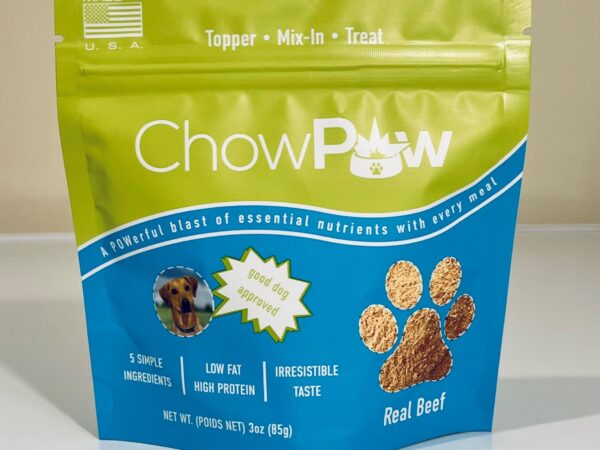 Dog Food Topper - Beef HeartOriginal price was: $14.99.$10.95Current price is: $10.95. - or subscribe and save up to 20%