
Discover the best dog food for sensitive stomachs: A Practical Guide
When you're trying to find the best dog food for sensitive stomachs, the answer usually isn't about adding more, but taking things away. Think simple. Think digestible. The goal is to calm things down, and that often means a limited-ingredient diet with one high-quality protein source. By avoiding common triggers like beef, dairy, wheat, and artificial additives, you can soothe their system and start figuring out what's causing the trouble in the first place.
Understanding Your Dog's Sensitive Stomach
We’ve all been there. You hear that quiet, gurgling sound coming from your dog’s belly, or they suddenly turn their nose up at a meal they usually love. Then comes the frustrating cycle of loose stools. These aren't just minor annoyances; they're signals from your dog's gut that something is off. It's incredibly stressful to see your best friend uncomfortable, especially when you can't pinpoint the cause.
I like to think of a dog’s digestive system as a finely tuned engine. Give it the right fuel—clean, simple, and easy to process—and it hums along perfectly. But start pumping in complex, low-quality, or irritating ingredients, and that engine will start to sputter. The signs of that sputtering can show up in ways you might not expect.
Connecting the Dots Between Symptoms
A sensitive stomach isn't always as obvious as a bout of diarrhea or vomiting. The signs can be much more subtle and varied, which can paint a confusing picture for any dog owner. Learning to connect these dots is the first step to understanding what your dog is really going through.
Here are a few common signs that point to a sensitive stomach:
- Excessive Gas: Sure, all dogs pass gas. But if you notice a sudden, significant increase, it’s a big clue that their digestion is struggling.
- Inconsistent Appetite: Is your dog ravenous for breakfast but couldn't care less about dinner? This on-again, off-again interest in food is a classic sign of tummy troubles.
- Intermittent Loose Stool: This is one of the most telling signs. If their poop quality is all over the map, their gut is trying to tell you something. For a deeper dive, check out our guide on what your dog's digestive health report card can tell you.
- Itchy Skin or Dull Coat: It might sound strange, but gut health and skin health are deeply connected. Chronic itching, hot spots, and a lackluster coat can often be traced right back to a dietary issue.
The good news? You don't always need to throw out their entire bag of food and start from scratch. Sometimes, simple adjustments are all it takes to restore balance and bring your dog much-needed relief.
This is where the idea of enhancing a meal, rather than completely replacing it, becomes so powerful. A pure, simple meal enhancement can give their current food a nutritional boost without adding a bunch of complex ingredients that might cause more irritation.
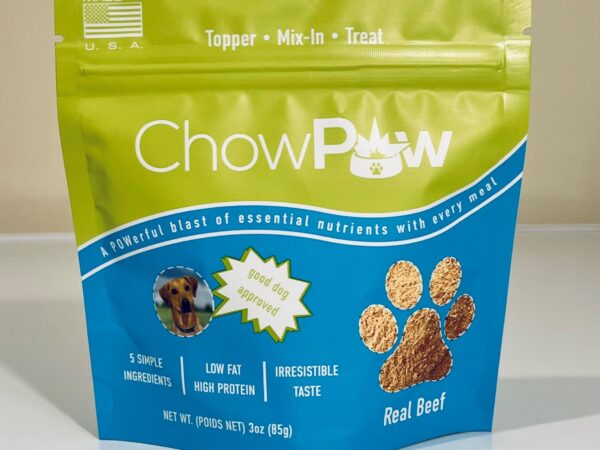
For example, a meal supplement like ChowPow, made with just a handful of whole-food ingredients, is an excellent way to add highly digestible protein and nutrients. It works with their existing kibble to support their system gently, making it a perfect first step toward a happier gut.
The Most Common Triggers for Digestive Issues
To find the right food for a dog with a sensitive stomach, you have to put on your detective hat. The biggest clues are almost always hiding in plain sight on the ingredient label of their current food.
Think of your dog's gut as a calm, well-oiled machine. When the wrong ingredient shows up, it’s like throwing a wrench in the works—suddenly, you’ve got inflammation, discomfort, and a system that’s completely out of whack.
Just like some people can't handle gluten or dairy, certain dogs react badly to ingredients that are perfectly fine for others. This isn't about "good" vs. "bad" food; it's about what’s good or bad for your individual dog. Pinpointing those triggers is the first giant leap toward getting them back to feeling great.
Common Proteins and Grains
It’s a bit ironic, but sometimes the most common ingredients are the biggest troublemakers. Proteins like beef and chicken are in so many dog foods that some dogs actually develop sensitivities to them over time. The same thing can happen with common grains.
-
Protein Problems: While they are fantastic sources of amino acids, beef and chicken are frequent culprits behind food sensitivities. Overexposure can cause a dog's immune system to mistakenly flag these proteins as harmful invaders, triggering an inflammatory response.
-
Grain Sensitivities: Grains like wheat, corn, and soy are often used as cheap fillers in commercial dog foods. For many dogs, they’re just plain hard to digest, leading straight to gas, bloating, and messy stools.
This isn't just a niche issue; it's a huge trend in pet wellness. The global market for hypoallergenic dog food is on track to jump from USD 15,624 million to a staggering USD 25,040 million by 2035. Here in the USA, over 40% of dog owners say their pets have shown allergy symptoms. It’s clear that what we feed our dogs matters—a lot.
Artificial Additives and Low-Quality Fillers
Beyond the big-ticket items like protein and grains, you’ve got to watch out for all the extra junk. We're talking about artificial colors, flavors, and preservatives that add absolutely nothing to your dog's health. These synthetic compounds are foreign to a dog's digestive system, forcing it to work overtime just to process them.
An ingredient label should read like a grocery list, not a chemistry experiment. If you can't pronounce an ingredient or have no idea what it is, it's likely something your dog's stomach won't appreciate either.
These unnecessary additives can throw the delicate balance of good gut bacteria out of whack, contributing to chronic digestive problems.
Cheap fillers are just as bad. Things like corn gluten meal, soy hulls, or vague terms like "meat by-products" are used to bulk up food without adding any real nutritional value. They’re notoriously tough for dogs to digest. Always aim for foods made with whole, recognizable ingredients—it’s a much safer bet.
To make it easier, here's a quick-scan table to help you identify beneficial and potentially irritating ingredients on any dog food label.
Gentle Ingredients vs Potential Problem Ingredients
| What to Look For | What to Approach with Caution |
|---|---|
| Novel Proteins (duck, lamb, fish) | Common Proteins (beef, chicken) |
| Single-Source Carbohydrates (sweet potato, pumpkin, peas) | Common Grains (wheat, corn, soy) |
| Whole, recognizable ingredients | "Meat by-products" or "animal digest" |
| Natural Preservatives (mixed tocopherols, rosemary extract) | Artificial Preservatives (BHA, BHT, ethoxyquin) |
| Named Fat Sources (chicken fat, salmon oil) | Vague Fats ("animal fat") |
| Fiber-Rich Sources (beet pulp, chicory root) | Artificial Colors and Flavors |
Think of this table as your cheat sheet when you're navigating the dog food aisle. Sticking to the left column is a great first step toward a happier gut.
Dairy and High-Fat Content
Here’s a simple fact: just like many humans, most adult dogs are lactose intolerant. Their bodies simply don't produce enough of the enzyme needed to break down the sugar in milk, which often leads to gas, cramps, and diarrhea. A tiny cube of cheese as a special treat is probably fine, but dairy should never be a main ingredient in their daily meals.
Finally, watch out for foods with excessively high fat content. While fat is a crucial energy source, too much of it can overwhelm the digestive system and even lead to pancreatitis—a painful and serious inflammation of the pancreas. Look for a moderate fat level from a high-quality, named source.
This is why focusing on simple, clean nutrition is so effective. Using a targeted meal enhancement like ChowPow, for example, lets you add essential nutrients without the risky additives or excessive fats that can upset a sensitive system. It’s not meant to replace their food, but to make it work better for them.
So, Which Specialized Diet is Right for Your Dog?
Walking down the pet food aisle can feel overwhelming. With bags shouting terms like "Limited Ingredient," "Novel Protein," and "Hydrolyzed," it's easy to feel like you need a veterinary degree just to pick out dinner for your dog. Let's cut through the jargon and figure out what these diets actually are so you can make a smart choice for your furry best friend.
Think of this as your pre-vet-visit homework. It’s not about replacing professional advice, but about empowering you to have a much better, more informed chat with your vet. When you understand the lingo, you can be a better advocate for your dog's health.
And you're not alone in this. The focus on canine gut health is a massive movement. In fact, the global market for digestive health dog food was valued at around USD 12.45 billion and is projected to hit USD 20.89 billion by 2030. You can read more about this growing market trend and see just why so many pet parents are putting digestion first.
Limited Ingredient Diets (LID): The "Back to Basics" Approach
A Limited Ingredient Diet (LID) is exactly what it sounds like. It’s a super simple recipe with way fewer ingredients than standard dog food, often built around just one protein and one carbohydrate.
-
What it is: Think of it as decluttering your dog’s diet. An LID formula might contain only lamb and sweet potato, plus the necessary vitamins and minerals. It strips away all the common troublemakers like chicken, beef, corn, wheat, and soy.
-
Who it helps: This is the perfect starting point for most dogs with a sensitive stomach or suspected food sensitivities. By removing the usual suspects, you give their digestive system a much-needed break to calm down. It's the classic first step in an elimination diet, making it much easier to pinpoint exactly what's causing the trouble.
Novel Protein Diets: Time for Something New
If an LID diet doesn't quite do the trick, you'll probably hear your vet mention "novel proteins." Don't let the fancy name fool you—it simply means a protein source your dog has probably never eaten before.
A novel protein diet takes the LID concept and adds a twist: it swaps out common proteins (chicken, beef) for something more exotic. If your dog has been eating chicken-based kibble their whole life, their immune system might have started to see it as an enemy. Introducing a protein it’s never encountered can stop that inflammatory reaction cold.
Common novel proteins include:
- Duck
- Venison
- Salmon
- Lamb
- Kangaroo
Who it helps: These diets are fantastic for dogs with suspected or confirmed allergies to common proteins. If a simple chicken-and-rice LID didn't solve the problem, switching to a venison-and-potato formula might just be the ticket.
Hydrolyzed Protein Diets: The Hypoallergenic Heavy Hitter
Now we're getting into the really specialized stuff. A hydrolyzed protein diet is usually reserved for the most sensitive dogs and is almost always recommended by a vet.
Imagine a protein is like a big, complex key. Your dog’s immune system might mistakenly see that key, think it’s an invader, and launch an all-out attack (hello, allergic reaction!). In a hydrolyzed diet, scientists use water to break that big protein key into tiny, microscopic fragments. These pieces are so small that the immune system doesn't even recognize them as a threat, effectively making the food hypoallergenic.
-
What it is: A prescription diet where proteins are pre-digested or broken down into pieces that are "invisible" to your dog's immune system.
-
Who it helps: This is the go-to for dogs with severe food allergies or conditions like Inflammatory Bowel Disease (IBD) that haven't responded to anything else. It's a powerful tool vets use to rule out food allergies for good.
Where Does a Meal Enhancer Like ChowPow Fit In?
So you've got your dog on a special diet… but what if they turn their nose up at it? Let’s be honest, some of these prescription formulas aren’t exactly gourmet. This is where a meal enhancement supplement like ChowPow can be a game-changer.
ChowPow isn’t a meal replacement; it’s a nutritional sidekick that works with your dog’s special food. It's made from a single, super digestible protein source (beef heart), so it adds a massive burst of flavor and key nutrients without adding a bunch of complicated ingredients.
You can sprinkle it over a bland LID kibble to tempt a picky eater or mix a little into a boring hydrolyzed diet to make it exciting again. It helps ensure your dog gets the mealtime joy they deserve without messing up their sensitive stomach.
Safely Transitioning Your Dog to a New Food
So, you've found the perfect new food for your dog—that's a huge win! But the journey isn't over just yet. The next step, the transition, is just as critical. If you switch your dog's diet too quickly, you can shock their system and end up right back where you started with digestive upset.
Think of your dog's gut as a creature of habit. It's used to a specific daily routine, and a sudden change is like throwing its entire schedule into chaos. A gradual, patient switch is the only way to go. This slow and steady approach gives all the good bacteria in their digestive tract time to adapt, preventing a symphony of gas, bloating, and diarrhea.
The 7 to 10-Day Transition Plan
Most dogs do really well with a transition period that lasts between seven and ten days. The idea is simple: you start by mixing just a little of the new food in with their old stuff, then you slowly increase the amount of new food each day.
Here's a simple schedule that works wonders:
- Days 1-3: Start with a mix of 75% old food and 25% new food. This is just an introduction, letting your dog's system get acquainted with the new ingredients without feeling overwhelmed.
- Days 4-6: Move on up to a 50/50 mix of old and new food. You're at the halfway point now, so keep a close eye on their stool quality and energy levels.
- Days 7-9: Now you can shift the ratio to 75% new food and just 25% of the old food. By this stage, their digestive system should be getting pretty comfortable with the new formula.
- Day 10: If everything looks good, you can officially make the switch to 100% new food. Success! You've nailed the transition.
Keep in mind, this timeline is just a guide. If you notice any loose stools or hear some tummy gurgling, that's your dog's way of saying, "Slow down!" Just go back to the previous ratio for another day or two before you try moving forward again. Every dog is different, and some just need a little extra time to adjust.
Before you even start this process, it helps to know which type of specialized diet is the right starting point for your dog. This visual guide can help.
As you can see, a Limited Ingredient Diet is often the best first step, with more specialized options available if that doesn't solve the problem.
Monitoring Your Dog's Response
During the transition, it’s time to become a bit of a poop detective. Seriously. Your dog’s stool is the clearest and most immediate report card on how their system is handling the new diet. You're looking for firm, well-formed stools. A little softness can be normal as they adjust, but be on the lookout for these red flags:
- Watery diarrhea
- Vomiting
- A complete loss of appetite
- Excessive itching or new skin irritation
If you see any of these signs, hit the pause button on the transition and give your veterinarian a call. It could just mean the new food isn't the right match.
A Pro Tip for Picky Eaters
But what if your dog is a little suspicious and starts picking the new kibble out of the bowl? It’s a common problem, but there's an easy trick to get past it. Try sprinkling a little ChowPow over both the old and new food.
Because ChowPow is a meal enhancement supplement, not a replacement for their main food, it’s perfect for this scenario. It coats every piece of food with a delicious scent and flavor they'll love. This little bit of magic encourages them to eat the whole meal without a second thought, making the entire transition smooth and stress-free for both of you.
Lifestyle Habits That Support Digestive Health
Figuring out the right diet is a huge win, but what happens between meals is just as important for your dog's gut health. It’s not just about what goes into the bowl; a stable, predictable daily routine provides the foundation for their digestive system to thrive. Simple lifestyle tweaks can make all the difference for a dog with a sensitive stomach.
Think of these habits as the support crew for their new diet. Just like the right food needs consistency to work its magic, these daily practices create a calm environment where your dog’s gut can finally relax and do its job properly.
Predictable Feeding Schedules
A dog's body is a creature of habit. When you feed them at the same times every single day, their digestive system learns to anticipate food. It starts preparing the necessary enzymes and acids right on schedule, leading to much smoother digestion. This predictability helps sidestep the gurgling and discomfort that often comes with an erratic feeding routine.
Beyond the food itself, a consistent schedule is non-negotiable. Tools like an automatic pet feeder can be a lifesaver here, dishing out perfect portions right on time, every time. This keeps your dog's digestive system on a comfortable, predictable clock.
Slowing Down at Mealtime
Does your dog inhale their food in thirty seconds flat? This super-common behavior, known as "bolting," forces them to swallow a ton of air along with their kibble. It's the perfect recipe for painful gas, bloating, and sometimes even vomiting right after they eat.
Slow-feeder bowls are a fantastic solution. These bowls have built-in mazes and obstacles that make your dog work a little for their food, forcing them to eat more slowly and mindfully. It turns mealtime into a fun puzzle and dramatically improves their digestion.
The Critical Role of Hydration
Water is the unsung hero of digestive health. It’s essential for breaking down food and helping the body absorb all those good nutrients. When a dog gets dehydrated, things can grind to a halt, leading to constipation and putting extra strain on an already sensitive gut.
A simple trick for picky drinkers is to make their water more exciting. Try mixing a small amount of a tasty meal enhancer like ChowPow into a bowl of water. It creates a savory, nutrient-packed broth that most dogs can't resist. This is an easy hack to keep them hydrated all day long.
This also shows how ChowPow isn't meant to replace their kibble, but to boost their overall well-being in simple, versatile ways. Proper hydration is a key piece of the puzzle when finding the best dog food for sensitive stomachs.
The pet food industry has caught on to this holistic view, too. Sensitive stomach formulas are a massive trend, with the market expected to jump from USD 5 billion to USD 9 billion by 2033. Many of these new foods now pack in prebiotics and probiotics, which some studies show can reduce loose stool by as much as 60%. You can read more about this growing market on DataInsightsMarket.com.
A Calm Home Environment
Finally, never underestimate the power of a peaceful home. Dogs are incredibly tuned in to our emotions. Stress in the household can directly mess with their digestive health, often causing an increase in stomach acid. A calm, predictable environment helps keep their entire system balanced, happy, and comfortable.
Enhancing Your Dog's Meals with ChowPow
So you’ve done the research and picked out the perfect base kibble, but you hit a snag—your dog turns their nose up at it. It’s a classic problem. This is where a great meal enhancer can completely change the game, turning a "safe but boring" meal into something your dog actually wants to eat. Think of it less as a replacement for their main food and more as a powerful boost to what’s already in the bowl.
ChowPow was made for exactly this situation. It’s a meal supplement designed to add a burst of flavor and a ton of high-quality nutrients, all without complicating your dog's diet. That makes it a perfect partner when you're navigating the world of food for sensitive stomachs, because it supports their health without introducing a long list of risky ingredients.
The Power of a Simple Four-Ingredient Formula
The magic behind ChowPow is how simple it is. With just four whole-food ingredients, it sidesteps all the common troublemakers—fillers, allergens, and artificial additives—that often trigger digestive upset. Every single scoop is packed with purpose.
This "less is more" philosophy is exactly what experts recommend for sensitive dogs. As you look at different products, understanding the wider landscape of the supplements industry can give you some great context on what separates high-quality formulas from the rest.
The ChowPow formula is brilliantly straightforward:
- Dehydrated Beef Heart: This is the star of the show. Beef heart isn't just another muscle meat; it's a super nutrient-dense organ that's also incredibly easy to digest. It's loaded with taurine for heart health, Coenzyme Q10 for energy, and a full profile of essential amino acids.
- Carrots: A fantastic, natural source of beta-carotene and fiber. Carrots are great for vision and help keep digestion running smoothly.
- Celery: Adds a subtle, savory flavor your dog will love, along with a nice boost of vitamins and antioxidants.
- Apple Cider Vinegar: Just a tiny amount helps support a healthy gut microbiome and improves how well your dog absorbs all the other nutrients in their meal.
By sticking to just one high-quality animal protein, ChowPow avoids the common protein triggers that can wreak havoc on a sensitive system. It’s a clean, simple way to make any meal better.
How to Use ChowPow for Maximum Benefit
One of the best things about ChowPow is how versatile it is. You can easily adapt it to what your dog needs at any given moment. It’s more than just a powder; it’s a tool to solve mealtime problems in a gentle, effective way. It’s not a substitute for their main food, but a way to make it more effective.
- As a Dry Topper: The easiest method by far. Just sprinkle a scoop over your dog's regular kibble. That rich, meaty aroma is often all it takes to get a picky eater excited about their food again.
- To Create a Rich Gravy: Got a senior dog with sensitive teeth, or just a pup who prefers softer food? Mix ChowPow with a little warm water. It instantly creates a delicious, nutrient-packed gravy that coats every piece of kibble.
- For Recovery and Hydration: If your dog is getting over an illness and their appetite is low, the gravy trick is a lifesaver. It not only tempts them to eat but also helps with hydration, which is absolutely critical for a good recovery.
This simple enhancer makes any food more appealing without bringing the risk of digestive upset that comes from overly complex formulas. If you want to see other great options, you can check out more dog food toppers for sensitive stomachs that are built on the same philosophy of simple, clean ingredients.
Got Questions About Sensitive Stomachs? We've Got Answers.
When you're navigating the tricky world of sensitive stomachs, questions are bound to pop up. As a dog owner, you just want to do right by your pup, and getting straight, clear answers is everything. Let's tackle some of the most common questions we hear from pet parents trying to get their dog's digestion back on track.
How Long Does It Take to See a Difference on a New Food?
Patience, my friend, is a virtue here. While every dog is unique, you should start to see some positive changes within two to four weeks after you’ve fully switched over to a new food. This gives their system a real chance to adjust and for any internal irritation to finally calm down.
The first signs might be small—maybe a little less gas or a better appetite. The bigger wins, like consistently firm poop and a healthier-looking coat, can often take a bit longer, sometimes up to eight to twelve weeks. Remember, healing a gut isn't an overnight fix; it's a journey.
Is the Classic Chicken and Rice Diet a Good Idea?
Ah, the old chicken and rice standby. It's often the first thing people recommend for a dog with an upset tummy, and for good reason—it’s bland and easy to digest, which can help firm things up during a short bout of diarrhea. But here’s the catch: it's a temporary fix, not a forever food. It simply doesn't have the complete nutrition your dog needs to thrive long-term.
Even more importantly, what if your dog's issue is a chicken allergy? Since chicken is one of the most common protein triggers, that bland diet could actually be making the problem worse. It's a useful tool for a day or two under a vet's supervision, but it’s not the answer for chronic digestive problems.
Is Grain-Free Always the Best Choice?
This is a huge misconception that trips up a lot of well-meaning dog owners. Sure, a grain-free diet can be a game-changer for a dog with a true grain allergy (like to wheat or corn). But "grain-free" doesn't automatically equal "better for sensitive stomachs."
Many of these foods just swap out grains for other starchy ingredients like peas, lentils, or potatoes, which can be just as tough for some dogs to handle. The real key is figuring out your dog's specific trigger. Often, the culprit isn't the grain at all—it's the protein source, like beef or chicken. The focus should always be on simple, high-quality, and easy-to-digest ingredients, whether they include grains or not.
When Should I Call the Vet About Tummy Troubles?
While you can manage many mild digestive upsets at home with careful diet changes, some signs are non-negotiable and need a vet’s attention. Give your vet a call right away if you see any of these red flags:
- Vomiting or diarrhea that won't quit: If it’s severe or lasts more than 48 hours.
- Blood in their stool or vomit: This is always a sign to seek immediate help.
- Lethargy or weakness: A sudden drop in energy can point to a more serious problem.
- Losing weight for no reason: If the pounds are dropping off even though they're eating, something is wrong.
Your vet is your best partner in this. They can rule out serious medical conditions and help you build a safe, effective plan to get your dog feeling like their happy, tail-wagging self again.
At ChowPow, we believe that giving your dog's meal a nutritional leg-up shouldn't be complicated. Our four-ingredient meal supplement is designed to boost their digestive health without risky additives. It doesn't replace their kibble; it makes it better. Learn more about ChowPow and see the difference for yourself.
-
Product on sale
 Dog Food Topper - Beef HeartOriginal price was: $14.99.$10.95Current price is: $10.95. - or subscribe and save up to 20%