Butorphanol for Dogs: 2026 Vet Guide to Uses & Dosage
You get home from the vet, set the paper bag on the counter, and look at a prescription label that suddenly feels more confusing than it did in the exam room. Your dog may be sleepy, sore, coughing, or recovering from a procedure. You may be wondering whether this medicine is for pain, for calming, for cough, or all three.
That's a very normal place to be.
Butorphanol for dogs is one of those medications owners often hear about in the clinic but rarely get fully explained in plain language. It may be sent home as a tablet, or your veterinarian may have given it by injection during a visit. Some people know it by names such as Torbutrol® or Torbugesic®.
What matters most at home is simple. You want to know what your dog will be like on it, how long the helpful effects really last, what side effects deserve a call back, and how to keep your dog comfortable while following the prescription exactly as written.
Your Vet Prescribed Butorphanol Now What
You're standing in the kitchen with the discharge papers in one hand and the medication bottle in the other. Your dog is quieter than usual, maybe a little glassy-eyed, and now the questions start to feel louder than they did at the clinic.
Is this sleepy behavior expected? Does calm mean comfortable? If the prescription is for pain, how long will that relief last once you get home?
Understanding that distinction is key because butorphanol can make a dog look settled even when its pain control has already faded. That is one of the biggest real-world misunderstandings owners run into with this medication.
Practical rule: A sleepy dog is not always a pain-free dog. Sedation and pain relief can overlap, but they do not always last the same amount of time.
Butorphanol is an opioid medication veterinarians use for specific purposes, not as a one-size-fits-all pain drug. Depending on your dog's situation, your vet may prescribe or administer it for short-term pain relief, sedation, or cough suppression. It is also a controlled medication, so the label directions, storage instructions, and refill rules may be stricter than with many other pet prescriptions.
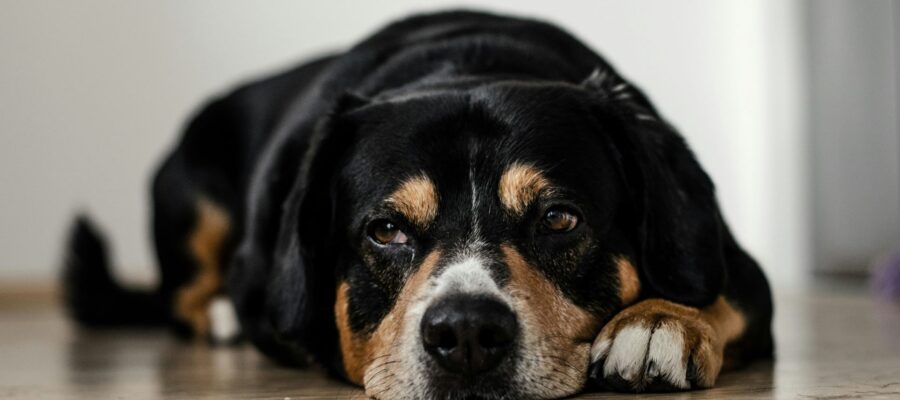
For owners, the most helpful starting point is to focus on what you will see at home. Many dogs become drowsy, quieter, less reactive, or easier to rest. That can be useful after a procedure or during a stressful flare-up. But visible sleepiness can outlast the part you were hoping would help with pain, which is why some dogs seem peaceful while still needing close observation.
A good way to think about it is like a dimmer switch, not an on-off button. Butorphanol may turn down discomfort, coughing, or agitation for a period of time, but it does not usually provide broad, long-lasting pain control for every kind of pain. If your veterinarian chose it, they had a specific job in mind for it.
Your role at home is simpler than it may feel in the moment. Give it exactly as prescribed, watch your dog's comfort as well as their sleepiness, and contact your veterinary team if the effects seem too strong, too weak, or shorter than you expected.
Understanding How Butorphanol Works in Dogs
You give the dose, and within a while your dog seems quieter, heavier-eyed, and easier to settle. It is natural to assume that calm behavior means strong pain relief. With butorphanol, those two effects can overlap, but they are not always equal.
At the receptor level, butorphanol works a bit like a key that fits two different locks and turns them in different ways. It mainly activates kappa opioid receptors, which contributes to sedation and a shorter, more limited type of pain relief. At the same time, it blocks mu opioid receptors rather than fully stimulating them. That mixed action is why you may hear it called an agonist-antagonist opioid.

Why vets choose it
That receptor pattern helps explain why veterinarians use butorphanol for some jobs and avoid relying on it for others. It can take the edge off, help a dog rest, and reduce coughing, while generally having less effect on breathing than stronger opioids that fully stimulate mu receptors.
For an owner, the practical takeaway is simple. Butorphanol often changes what you see before it fully answers the question you care about most: "Is my dog still uncomfortable?" A sleepy dog may be more relaxed because the medication is calming them, because it is helping with pain, or both.
What this means at home
This distinction is why butorphanol can be misunderstood. The sedative effect may be more obvious than the pain-relief effect, and it may also seem to last longer. So if your dog looks drowsy but still flinches, pants, resists movement, or seems unable to get comfortable, do not assume the medication is covering pain well enough on its own.
A helpful way to picture it is a drug with a specific lane, not a blanket solution. It can be a very sensible choice for brief discomfort, procedural calming, or cough suppression. It is less suited to broad, long-lasting pain control by itself.
Owners usually notice changes such as:
- More sleepiness or quiet behavior
- Less reaction to handling
- A calmer recovery period
- Less coughing, if cough was part of the problem
Those signs can be useful, but they need context. Comfort, mobility, breathing, appetite, and your dog's ability to settle normally still matter. If the main thing you see is sedation, it is worth asking whether your dog also has enough pain support for the condition being treated.
Common Veterinary Uses for Butorphanol
You bring your dog home after a procedure, and a few hours later they look sleepy, quieter, and less reactive. It is easy to assume the pain medicine is still working strongly. With butorphanol, that can be misleading. What you see on the outside does not always match how much pain relief is still happening.
Veterinarians usually reach for butorphanol for three practical reasons: brief pain support, sedation, and cough suppression. The reason matters because each use creates a different pattern at home.
Short-term pain relief
Butorphanol is often used for short, specific moments of pain control, such as around minor procedures, during hospital care, or as one part of a larger pain plan. Its pain-relieving effect tends to be short-lived compared with the drowsiness it can cause. In real life, that means a dog may still look calm or sleepy after the strongest pain benefit has started to fade.
That is the point many owners miss. A quiet dog is not always a comfortable dog.
If your dog had surgery, an injury, or another painful condition, ask yourself practical questions instead of judging by sleepiness alone. Are they still panting at rest? Do they tense up when shifting position? Are they unwilling to walk, eat, or settle? Those clues often tell you more than drowsiness does.
Sedation and procedural support
Butorphanol is also commonly used because it helps dogs relax. This can make handling safer and less stressful during exams, X-rays, anesthesia preparation, wound care, or other short procedures. In that setting, the goal may be calm cooperation as much as pain control.
Owners often notice this as a slower, more subdued dog afterward. Some dogs just sleep. Others seem a little glassy-eyed or less interested in normal activity for a while. That response can be expected, but it should still match what your veterinary team told you to expect for your dog.
Cough suppression
Butorphanol can also be prescribed to reduce a harsh, repetitive cough. This is one of its more useful real-world roles, especially when coughing is tiring your dog out or making rest difficult.
For owners, this use can be confusing because the same medication may act more like a cough calmer than a broad pain medicine. If your dog was sent home for coughing, your main sign of improvement may be fewer coughing episodes and better rest, not a dramatic change in energy. If tablets are part of the plan, these tips on how to give a dog a pill with less stress can make dosing easier.
Butorphanol applications in dogs
| Indication | Primary Goal | Key Consideration for Owners |
|---|---|---|
| Short-term pain | Brief relief during or around minor procedures | Sleepiness can outlast the strongest pain benefit |
| Sedation | Help a dog stay calm and easier to handle | Expect temporary drowsiness and reduced activity |
| Cough suppression | Reduce frequent, irritating coughing | Improvement may look like quieter breathing and better rest |
One of the most helpful questions you can ask is, “Was this prescribed mainly for pain, for sedation, or for cough?” That answer gives you a much clearer idea of what changes you should expect to see, and what signs mean you should call the clinic back.
Typical Dosing and How It Is Administered
You pick up the prescription, glance at the label, and wonder what your dog will be getting. That is a normal reaction. With butorphanol, the details matter because the same drug can be used for different jobs, and the schedule often reflects that.
Your dog may receive butorphanol in the clinic as an injection, or at home as tablets. In a hospital setting, veterinarians commonly give it by IV, IM, or under-the-skin injection. At home, owners usually deal with the tablet form and a written schedule.
The part that often causes confusion is timing. Butorphanol can make a dog look sleepy for longer than it provides its strongest pain relief. In real life, that means your dog may still seem drowsy even after the main pain-control effect has started to fade. If your veterinarian prescribed it for cough suppression, the goal may be quieter breathing and better rest rather than obvious pain relief.
That is why you should follow your own label exactly instead of comparing doses with another dog. Two dogs of similar size can be given different amounts or different intervals because the reason for prescribing it is different, or because one dog is taking other medications that change the plan.
The safest way to handle a home prescription
Use the label as your guide, not your dog's behavior in the moment. A dog who seems sleepy does not automatically need less medication. A dog who seems uncomfortable does not automatically need more.
A good home routine looks like this:
- Give the exact amount at the exact times your veterinarian prescribed.
- Do not change the schedule on your own, even if your dog seems extra tired or not tired enough.
- Tell your clinic about every other medication or supplement your dog gets, especially anything that can cause drowsiness.
- If you miss a dose, follow the discharge instructions or call your veterinary team before giving more.
- If tablets are hard to give, use a low-stress method. These tips for giving a dog a pill with ease can make the process easier.
One practical tip helps many owners. Write down the time of each dose for the first day or two. That makes it much easier to tell whether your dog is improving, getting sleepy right after a dose, or still coughing between doses.
A note on duration of treatment
Butorphanol is usually used for short-term support, not as a long-lasting daily pain solution. If your dog needs ongoing pain control for more than a brief period, your veterinarian may switch to a different medication or build a broader plan around the underlying problem.
If you are unsure what the dose is meant to accomplish, ask one direct question: “Is this mainly for pain, cough, or sedation?” That answer gives you a much better picture of what changes you should expect to see at home.
Side Effects and Potential Safety Risks
You give the dose, and an hour later your dog is much sleepier than you expected. That can be unsettling if no one warned you what “normal sleepy” looks like.
With butorphanol, the change owners notice most often is sedation. Many dogs become quiet, drowsy, or a little less steady on their feet for a while after a dose. Some also eat less than usual or have mild stomach upset. In plain terms, your dog may look more like they want to nap than play.

That sleepy effect is one reason owners sometimes assume the drug is still giving strong pain relief for a long time. Those are not the same thing. A dog can look sedated after the main pain-control benefit has already faded, so visible drowsiness should not be used as proof that discomfort is fully covered.
Mild sleepiness is usually expected. Red flags are different. Call a veterinarian promptly if your dog is too weak to stand, keeps falling, seems disoriented, has very slow or troubled breathing, collapses, or acts dramatically different from their usual self.
Some dogs need extra caution before the first dose ever goes in. Herding breeds such as Collies, Australian Shepherds, Shelties, and related mixes may carry the MDR1 gene mutation, also called ABCB1. That mutation can make certain medications hit the brain harder than expected, which raises the risk of severe sedation and neurologic side effects. If your dog has tested positive, or even might be in a higher-risk breed group, tell your clinic before giving the medication.
This matters even more if your dog already has neurologic problems, a history of seizures, liver disease, kidney disease, or breathing trouble. In those dogs, the body may handle the medication less predictably, and the line between expected drowsiness and unsafe effects can be thinner.
Medication combinations are another common trouble spot. Butorphanol can add to the sleepy effects of other drugs and supplements that depress the nervous system. That includes some anti-anxiety medications, sedatives, seizure medications, antihistamines, and other pain relievers. If you are tempted to add something from your medicine cabinet, stop first. Human pain products can create entirely different risks, as explained in this guide on whether aspirin is safe for dogs.
A simple way to judge what you are seeing at home is this: sleepy but responsive is one thing. Hard to wake, struggling to walk, or breathing abnormally is another. If you are unsure which one you are looking at, treat that uncertainty as a reason to call.
Supporting Your Dog During Treatment at Home
Home care matters just as much as the prescription label. The dogs who do best on butorphanol usually have a calm setup, close observation, and owners who know what normal recovery looks like.
What your dog may look like
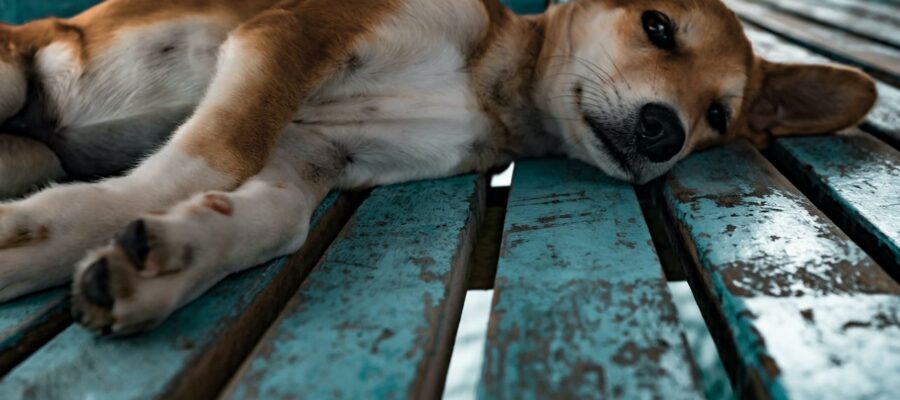
A dog on butorphanol may be sleepy, quieter than usual, less interested in play, or a little wobbly when first standing up. Move slowly with them. Use a leash for potty trips if they're groggy, even in a fenced yard, because sleepy dogs make clumsy choices.
Set up one easy-to-reach resting spot. Keep water nearby. Limit stairs if your dog seems unstable. If they normally sleep on a sofa or bed, it may be safer to keep them on the floor for that day or night.
A comfortable recovery space should be boring, padded, and close to you. Excitement and slippery floors make sedated dogs look worse than they are.
How to monitor without hovering
You don't need to stare at your dog every minute. You do need to check in on a few basics:
- Breathing: Watch for smooth, regular breathing while resting.
- Walking: Look for mild sleepiness versus dangerous stumbling.
- Interest in food and water: Reduced appetite can happen, but complete refusal deserves a call if it continues.
- Bathroom habits: Note whether your dog can urinate and defecate normally.
If your dog had surgery or a procedure, your aftercare plan matters too. These post-surgery care tips for dogs can help you think through rest, monitoring, and recovery at home.
Making meals and medication time easier
Some dogs on butorphanol eat normally. Others get a little picky, especially if they're tired, stressed, or recovering from an illness or procedure. When appetite is off, don't force a big meal. Offer the regular diet your veterinarian recommends, in smaller and more tempting portions if needed.
This visual shows the kind of topper-style feeding approach many owners use during recovery.

A meal enhancer can be useful here, especially for picky eaters or dogs who need encouragement to finish their usual kibble. The important point is that a topper is not a replacement for the dog's current food. It's there to boost the nutritional value and appeal of the meal they already eat, not to substitute for a complete diet.
The same idea can help with tablets. A soft, palatable paste or topper mixed with a little water can make oral medication less of a wrestling match, which helps everyone.
Frequently Asked Questions About Butorphanol
A common owner experience goes like this. Your dog gets butorphanol, seems sleepy and quiet, and you assume the pain relief is still going strong. In real life, those are not always the same thing. The calming effect can last longer than the strongest pain control, which is why your dog's behavior matters more than drowsiness alone.
How long does butorphanol stay in a dog's system
Butorphanol is usually processed out of the body within about a day, though that can take longer in dogs with liver or kidney problems. What owners often notice is different from what the body is doing behind the scenes. The drug may still be present while the pain relief has already faded.
That is the part that causes confusion. A dog can look sleepy after the main pain-relief window has shortened. So if your dog is resting but also panting, trembling, guarding a sore area, whining, or unable to settle, let your veterinary team know.
If my dog seems sedated, does that mean pain is controlled
Sedation and pain control are related, but they are not interchangeable. Butorphanol can make a dog look calmer without giving long-lasting relief for more painful conditions.
A helpful way to picture it is this. Sedation is like dimming the room lights. Pain control is fixing the reason the fire alarm is going off. A quieter dog is not always a comfortable dog.
Watch the whole picture. Facial tension, shallow rest, reluctance to move, hiding, licking at one spot, or sudden irritability can all matter.
Is butorphanol a controlled substance
Yes. Butorphanol is a controlled medication in the United States. For you, that usually means a few practical things. Refills may be limited, your vet may need to approve each prescription carefully, and safe storage matters, especially in homes with children or other pets.
Keep it in the original container and give it only to the dog it was prescribed for.
What are the alternatives if my dog needs different pain or cough support
The best alternative depends on the reason your dog received butorphanol in the first place. If the goal is pain relief, your veterinarian may use a different opioid, an anti-inflammatory medication, local pain-control techniques, or a combination plan. If the goal is cough suppression, they may choose a different medication based on what is causing the cough.
This is why switching drugs is not a simple swap. A dry, irritating cough and post-surgical pain are different problems, so the backup plan may look very different too.
Can a dog overdose on butorphanol
Yes. Too much butorphanol, or butorphanol combined with other sedating drugs the wrong way, can become dangerous. Warning signs include extreme sleepiness, stumbling, weakness, slowed or difficult breathing, or unusual behavior that feels out of character.
Call a veterinarian right away if you think your dog got an extra dose. If your dog is hard to wake, collapses, or is struggling to breathe, seek emergency care immediately.
Is injection better than tablets
Each form has its job. Injections are often used at the clinic because they act quickly and dosing is easier to control during procedures or immediate recovery. Tablets are usually more practical at home, especially if your vet is using butorphanol for cough support or short-term follow-up care.
The better option is the one that fits the goal, the setting, and your dog's needs.
If your dog is recovering, eating poorly, or making pill time harder than it needs to be, ChowPow can help make regular meals more appealing without replacing your dog's current kibble. It's a meal enhancer and supplement designed to boost the nutritional value of what you already feed, which can be especially helpful for picky eaters, seniors, and dogs bouncing back from illness or surgery.
-
Product on sale
 Dog Food Topper - Beef HeartOriginal price was: $14.99.$10.95Current price is: $10.95. - or subscribe and save up to 20%