
Dog Nausea: Causes, Signs, and What to Do Next
You set down the bowl, and your dog walks away. Maybe they lick their lips, swallow hard, or pace by the door like something feels off. The weird part is that they're not always throwing up, so it's easy to second-guess yourself and wonder whether this is just a picky phase, motion sickness, or something more serious.
Dog nausea can look quiet at first. It's not a single disease, it's a symptom with many possible causes, and veterinary references group those causes across gastrointestinal, infectious, toxic, metabolic, and neurologic problems. That's why the smartest first move is to read the signs carefully before you rush to treat them.
What Dog Nausea Actually Looks Like
A dog with nausea may never make a dramatic scene. One dog just lies under the table and ignores supper. Another keeps swallowing, licks the air, or turns away from a meal they normally love. A third may seem restless, then settle, then get up again like something inside them feels unsettled.
The key point is that nausea is not vomiting. Vomiting is the visible act of bringing up stomach contents, while nausea is the uncomfortable state that often comes before it, or happens without vomiting at all. That distinction matters because a dog who seems “off” may need observation, while a dog who is actively vomiting repeatedly may need a different response.
Veterinary guidance also shows why owners get confused. Nausea can be linked to parasites, parvovirus, bloat, foreign bodies, medication reactions, constipation, pancreatitis, kidney or liver failure, heatstroke, inflammatory bowel disease, toxins, uterine infections, ulcers, food sensitivities, and bacterial infections. That is a wide field, which is exactly why a one-size-fits-all answer usually misses the mark. For a fuller look at the overlap between digestive symptoms, see this guide to when dog diarrhea and vomiting appear together.
Practical rule: if the behavior changed first, pay attention to the pattern before you reach for food changes or home remedies.
A useful habit is to ask what changed in the last day or two. Did the diet change, did a new medication start, did the dog get into trash, or did travel or stress enter the picture? Those details often matter more than the word “nausea” itself.
The Most Common Causes of Nausea in Dogs
The cleanest way to think about dog nausea is by category, not by guesswork. Start with the most ordinary causes first, then move to the serious ones if the dog keeps showing symptoms or looks unwell.
Think in systems, not just stomachs
Diet is one of the first places to look. A dog may feel nauseated after eating something they shouldn't have, after a sudden food switch, or after picking at scraps, toys, or garbage. Motion sickness is another common trigger, especially when a dog only seems uneasy in the car.
Medication history matters too. Some dogs feel nauseated after starting a new drug or supplement, so the timing of a symptom often gives the strongest clue. In the same way, infections, parasites, pancreatitis, acid reflux, and chronic disease can all present with appetite loss or lip licking before anything gets dramatic.

Here's the practical filter I use mentally: what entered the dog's body, what changed around the dog, and what part of the body might be irritated? That keeps the problem from collapsing into a vague “upset stomach” label. It also reminds you that a dog who is bright, alert, and briefly nauseated is different from a dog who is worsening or showing pain.
A short, quiet spell of nausea can sometimes settle with rest and careful feeding. Repeated nausea is a diagnostic clue, not a nuisance.
The reason symptom-focused treatment often falls short is simple. If the cause is motion, the response is different from pancreatitis. If the cause is an infection, the response is different again. The dog's pattern tells you where to look next.
Reading the Subtle Signs Your Dog May Be Nauseated
The earliest signs are often easy to miss because they don't look like illness at all. A dog may lick their lips, drool a little, swallow repeatedly, eat grass, yawn, or turn away from food. Some dogs get clingy, restless, or unusually still. Others just seem disappointed by a bowl they would normally greet with enthusiasm.
Nausea vs vomiting vs emergency signs in dogs
| Sign to watch | Likely nausea | Call the vet |
|---|---|---|
| Lip licking, repeated swallowing, drooling | Often yes | If it keeps happening or the dog seems weak |
| Turning away from food | Often yes | If the dog won't eat at all or seems painful |
| Grass-eating or restlessness | Can be yes | If it comes with retching, pain, or repeated vomiting |
| Bringing up food or fluid | Not just nausea anymore | If vomiting repeats or worsens |
| Retching without vomit | Not mild nausea until proven otherwise | Yes, especially if the belly looks swollen |
| Blood, lethargy, abdominal pain | Emergency concern | Yes, promptly |
That last line matters. Retching without vomit can be a sign of a serious emergency, not just an upset stomach. The same goes for a dog who seems nauseated and then starts acting painful, weak, or disconnected from their normal self.
Older dogs can be especially tricky because they may mask symptoms well. Fosters and rescues can be even harder to read because their baseline is unknown. In both cases, the best move is to treat the early signs as data, not drama.
If you're unsure whether you're seeing nausea or vomiting, watch the sequence. Quiet signs first, then food refusal, then retching or vomiting, then reassess.
Owners often ask whether a dog can just “work through it.” Sometimes yes, if the dog is bright, alert, and not actively vomiting. But if the signs are building instead of fading, that's no longer simple nausea.
When Dog Nausea Is a Veterinary Emergency
Some situations call for a vet without delay. Persistent vomiting for more than 24 hours, blood in the vomit, lethargy, dehydration, abdominal pain, abdominal distension, or more than three vomiting episodes in 24 hours are all reasons to contact a veterinarian promptly. These signs shift the concern from routine stomach upset to something that needs medical attention.
The risk of waiting is higher in dogs that can't afford to run low on energy or fluids. Puppies, small breeds, senior dogs, and diabetic dogs can go downhill faster when they stop eating or drinking. That's why a “wait and see” approach should be used carefully, not casually.
If the dog is vomiting, write down the timeline before you call. Note when the last meal happened, how many times the dog vomited, what the vomit looked like, and whether the dog had access to garbage, toys, plants, or medications. Include any recent food changes and any new prescriptions or supplements. Those details help the veterinarian decide what comes next.
For owners worried about serious blockage signs, this dog bowel obstruction guide is worth reading before you assume it's just nausea.
The goal is not to panic. It's to call early enough that the vet can work with a clear picture. If you're speaking to the clinic, a simple script works well: “My dog has been nauseated since yesterday, has vomited X times, ate Y, and may have gotten into Z.” That kind of summary speeds things up.
Safe At-Home Care and Feeding Strategies
A dog that looks mildly nauseated, stays bright, and is not throwing up over and over usually does best with a quiet, time-based home plan. That means slowing things down so the stomach can settle instead of trying to force a normal routine right away. One source advises withholding food and water for 3 to 4 hours, then offering small amounts of water. Another advises a short fast of about 12 hours, and for motion-related nausea, PetMD recommends fasting a dog for 12 to 18 hours before a car trip to reduce symptoms. The fasting window should stay narrow, and puppies, small breeds, and diabetic dogs should not be fasted because of hypoglycemia risk.
Reintroduce food slowly
Once the dog seems steadier, start with small amounts and watch what happens next. A common bland option uses two parts boiled white rice to one part boiled chicken, prepared in water only, with no salt or seasoning. If you want a fuller breakdown of that approach, the bland diet for dogs guide explains how to use it as a temporary step rather than a long-term meal. Give that food in small portions, not a full bowl, because a stomach that has just been upset is more like a shaken glass of water than a calm one.
If the dog keeps the food down, move back toward the normal diet gradually over several days. A sudden return to a full meal can stir up more nausea, while a slower return gives the stomach a chance to settle without being overloaded.
Hydration matters just as much as food. A dog that does not want to drink may handle tiny, frequent sips better than a full bowl placed in front of them. If the dog gulps too fast, that can backfire, so the pace matters as much as the amount.
For owners who want another practical digestion-focused resource to use alongside veterinary advice, the expert guide to digestive comfort offers a useful framework for gentle support without pushing the stomach too hard.
Small portions win. A dog that keeps down a few calm sips and a spoonful of bland food is moving in the right direction.
The mistake is trying to fix everything at once. A fast return to a full meal can trigger more nausea, while careful reintroduction gives the stomach room to settle.
How ChowPow Helps Picky, Senior, and Recovering Dogs
When a dog is ready to eat again but still feels a little delicate, a meal enhancement can make the difference between a sniff and a full bowl. ChowPow is designed as a supplement and topper, not a replacement for a complete kibble or balanced diet. That matters because dogs recovering from nausea still need their regular nutrition, just in a form that feels more appealing.

Why it fits this moment
A topper works well for picky eaters, senior dogs with sensitive teeth, and dogs coming back from illness who need a little more encouragement at mealtime. ChowPow's dehydrated beef heart base, plus carrots, celery, and apple cider vinegar, can be sprinkled over kibble to boost aroma and make the bowl more interesting. It can also be mixed into water to encourage drinking, or used to help disguise medication so dosing feels less stressful.
Beef heart brings a few practical nutritional strengths that matter in recovery. It provides high-quality protein, taurine, B vitamins, and iron, which makes it a useful way to layer support onto an existing diet. The point is not to replace the meal, but to make the meal easier to accept and more nutritionally appealing.
If you're comparing nausea-support options, the 2026 canine metoclopramide guide can help you understand why prescription guidance matters when medication is part of the picture. That sort of context is useful because food support and medical support should work together, not compete.
The best use case is simple. Let the stomach settle first, then bring back normal food with a small topper that improves smell, texture, and acceptance. That approach respects both the dog's appetite and the need for a complete daily diet.
Common Mistakes and Myths About Treating Dog Nausea
One common mistake is giving human anti-nausea medicine without veterinary direction. Dogs are not just smaller humans, and anti-nausea drugs need the right dose and the right reason. Veterinary sources describe ondansetron as helpful in clinical settings, and Cerenia can be prescribed for motion sickness, but these are prescription tools, not casual home remedies.
Another mistake is forcing food too quickly. A dog that is still nauseated may eat a little, then vomit again, which only makes everyone more stressed. A slower reintroduction is usually safer than pushing for a normal-sized meal right away.
Some owners also restrict water too long because they worry it will trigger vomiting. That can leave the dog dehydrated, which is a worse problem than a few cautious sips. Small, frequent drinks are the better compromise when a vet hasn't given different instructions.
Grass-eating gets treated as harmless all the time, but it's not always nothing. If it happens with repeated swallowing, retching, or appetite loss, it's part of the pattern, not a cute quirk.
The safest home response is usually boring on purpose. Rest, observe, hydrate gently, and reintroduce food slowly.
Your Quick-Reference Action Plan
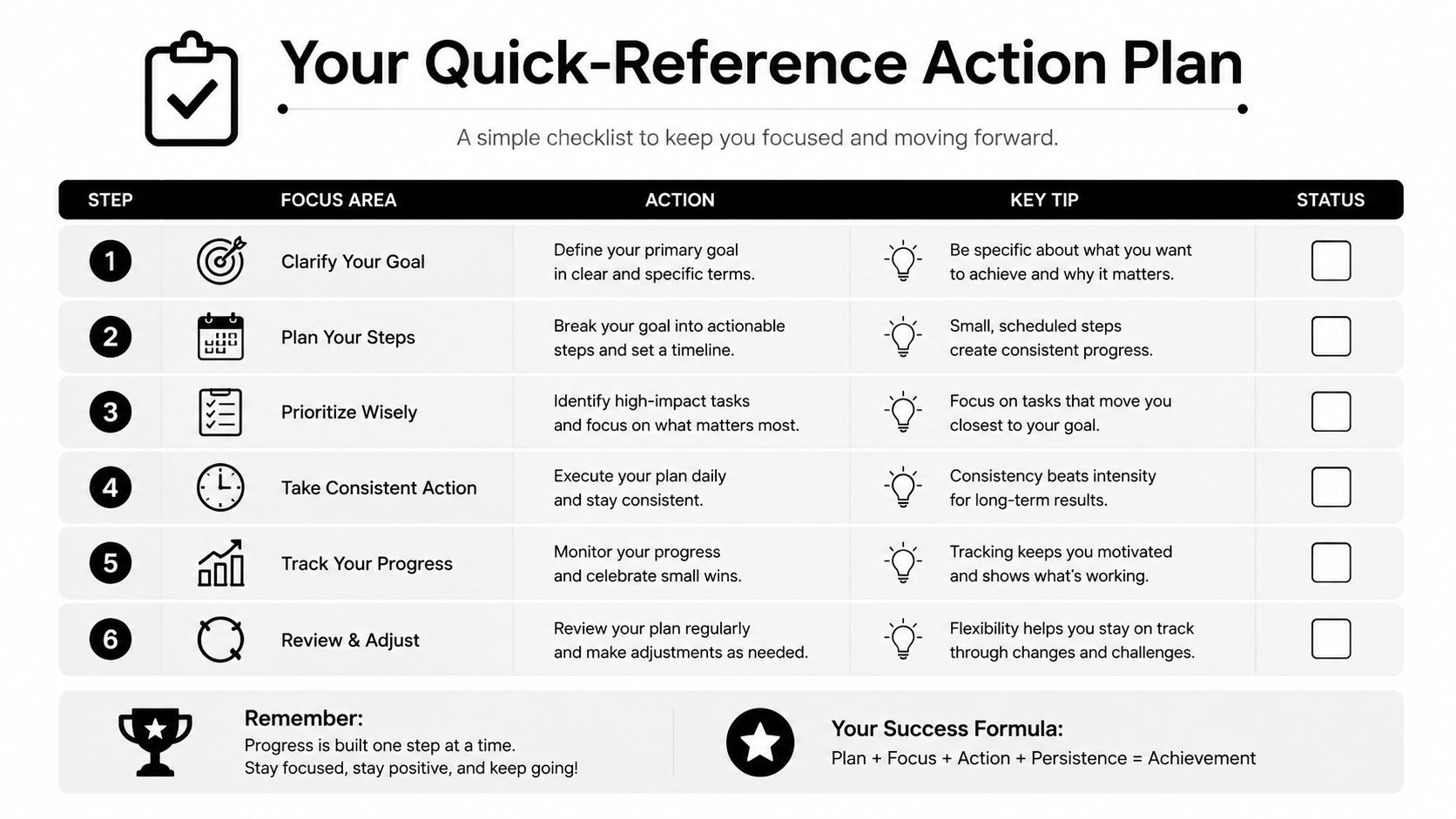
Start by watching the pattern, not just the bowl. Then decide whether the signs fit mild nausea or a vet call, based on vomiting, pain, blood, or weakness. If it seems mild, use a short rest period, small water sips, and a slow return to food.
When your dog is ready to eat again, a gentle topper can help make the meal appealing without replacing the diet they already need. That can be especially helpful for picky dogs, seniors, and dogs recovering their appetite.
If your dog needs a more appealing bowl while they're recovering, ChowPow is built to make regular food easier to eat, mix into water, and use as a simple medication helper. Visit ChowPow to see how a small-batch topper can support mealtime without replacing your dog's complete diet.
-
Product on sale
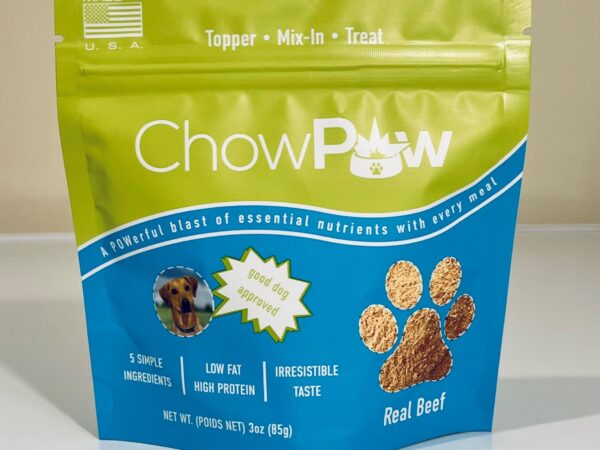 Dog Food Topper - Beef HeartOriginal price was: $14.99.$10.95Current price is: $10.95. - or subscribe and save up to 20%