How to Get Picky Dogs to Eat Without a Fight
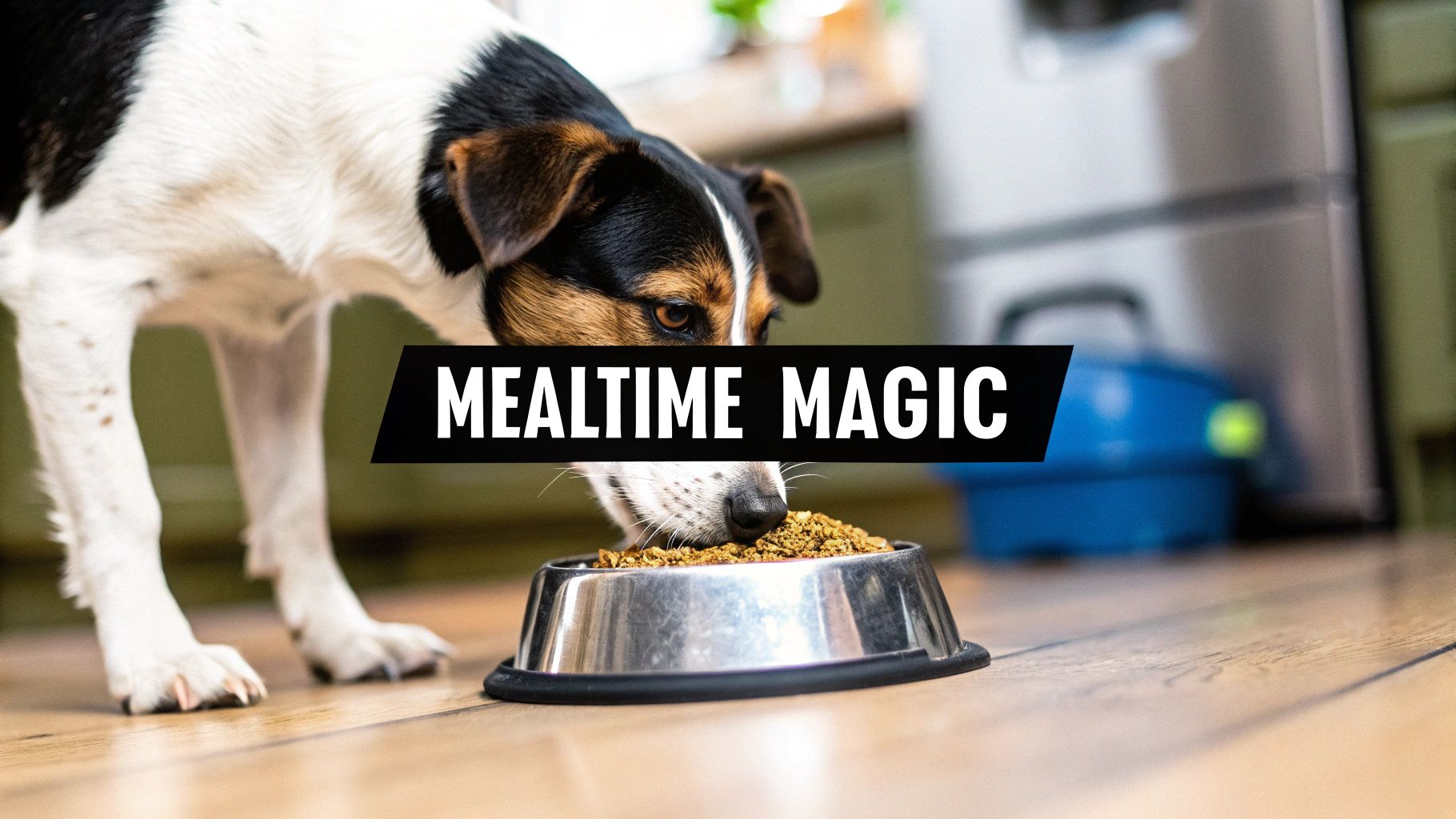
Figuring out how to get a picky dog to eat isn’t just about finding a new food. It’s about understanding why they’re turning their nose up in the first place. The fix usually comes down to a mix of consistency, a little patience, and making their meals way more exciting. With the right game plan, you can turn mealtime from a daily struggle into something you both look forward to.
Why Some Dogs Become Such Picky Eaters
That long, hard stare at a full bowl of untouched food? It’s a look that drives countless dog owners crazy. If you’re dealing with a fussy eater, trust me, you are not alone in this mealtime stand-off. It’s an incredibly common headache that can pop up for all sorts of reasons.
Sometimes, that pickiness is a trick they’ve learned. If your dog figures out that holding out leads to something better—like a few bites of your dinner or a handful of treats—they quickly learn that being stubborn pays off. Other times, it’s just plain boredom. The same old dry kibble, day in and day out, can get old for anyone.
Common Causes of Fussy Eating
The reasons a dog gets picky can be surprisingly complex, but they usually fall into a few main buckets. Nailing down the “why” is the first step to finding a “how” that actually works.
- Behavioral Habits: Many dogs are smart enough to hold out for something tastier, especially if they’re used to getting high-value human food from the table.
- Mealtime Monotony: Yep, dogs get tired of eating the same thing every day, too. A lack of interesting smells and textures can make them lose their appetite pretty fast.
- Too Many Treats: Filling up on treats between meals is a sure-fire way to kill their appetite for their actual dinner. When their bowl comes out, they’re simply not hungry.
And this isn’t some rare issue. A survey of 2,000 U.S. dog owners revealed that 54% felt their dogs were picky, and a whopping 49% said they ‘always’ or ‘often’ struggled to get their dogs to eat. It’s no wonder so many owners end up adding extras to their dog’s bowl just to get them interested. You can learn more about these picky eating findings and see just how common it is.
The big takeaway here? Instead of constantly switching foods—which can actually make picky eating worse—the best long-term solution is often to make their current, balanced kibble more irresistible.
First Things First: Is It Behavior or a Health Problem?
Before you start playing chef and whipping up new mealtime creations for your dog, it’s crucial to take a step back. The very first move is always to rule out a medical issue. A sudden loss of appetite or a dog who’s suddenly turning up their nose at food isn’t just being difficult—it can be a major red flag for an underlying health problem that needs a vet’s attention.
Think of it this way: when a dog who normally devours their dinner suddenly walks away, it’s time to put on your detective hat. This change isn’t always about being fussy; it could easily be their way of telling you they’re in pain or feeling unwell.
When to Call the Vet
Pay close attention to any other changes that pop up along with their refusal to eat. If you spot any of the following symptoms, it’s time to call your veterinarian to make sure everything is okay.
- Dental Pain: Is your dog having trouble chewing, dropping food, or flinching when you touch their mouth? This can signal anything from a simple toothache to gum disease or even a cracked tooth.
- Digestive Upset: Vomiting, diarrhea, or constipation happening alongside a poor appetite is a classic sign of an upset stomach, but it could also point to something more serious.
- Changes in Behavior: If your dog seems sluggish, is drinking a lot more water than usual, or just isn’t interested in their favorite activities, these are significant clues that something is off.
A sudden shift in eating habits is one of the most common reasons owners bring their dogs to the vet. It’s always better to be safe and get a professional opinion before assuming it’s just a phase.
Booking that appointment ensures that any dietary tweaks you make, like adding a tasty meal supplement, are actually addressing pickiness and not just masking a health concern that needs treatment. To get a better handle on what might be going on, you can read up on some common causes for a dog’s loss of appetite before your visit.
Building a Reliable Mealtime Routine
If you’ve ever dealt with a picky eater, you know the frustration. One of the single best things you can do to turn things around is to build a solid, predictable mealtime routine. Dogs are absolute creatures of habit; their internal clocks love knowing what’s coming next.
That’s why leaving food out all day, or “free-feeding,” often backfires. It basically teaches your dog that the buffet is always open, so there’s no reason to be excited about food now. They learn they can graze whenever the mood strikes, which only makes picky habits worse.
Switching to a structured schedule, on the other hand, completely resets those expectations. When your dog knows that breakfast is at 8 AM and dinner is at 6 PM, their body actually starts anticipating the meal. This alone can kickstart their appetite.
This simple consistency sends a powerful message: food is special, it’s offered at these times, and it won’t be around all day. It gently removes the power struggle over the food bowl and puts you back in the driver’s seat of their nutrition.
Setting Up a Successful Routine
The magic here is in the details: consistency and a calm environment. A chaotic feeding area filled with noise and foot traffic can create stress, and a stressed dog is often a dog who won’t eat.
Here are a few simple but powerful steps to get a routine going that actually sticks:
- Choose a Quiet Space: Find a calm, low-traffic corner for every single meal. This helps your dog build a positive association, connecting that spot with peaceful eating minus the distractions.
- Set Specific Times: Offer food at the same two times each day. For most adult dogs, two meals spaced roughly 10-12 hours apart works perfectly.
- Limit Meal Duration: This is the tough part. Put the bowl down for just 15-20 minutes. If your dog walks away or doesn’t eat, calmly pick up the bowl. That’s it. No treats or snacks until their next scheduled meal.
- Avoid Hovering: Staring at your dog while they eat can feel like pressure. Give them some space and let them eat without an audience. It can make a world of difference for an anxious pup.
It might feel a little harsh at first, especially when you pick up an uneaten bowl. But trust the process. A healthy dog will not starve themselves. This method teaches them that mealtimes are an event, not an all-day option. Pretty soon, they’ll learn to eat when the food is offered. This one change can completely reshape their relationship with their food bowl.
How to Make Their Current Food Exciting Again
Let’s be honest: endlessly swapping kibble brands is a frustrating, expensive, and often useless cycle. The real secret to getting a picky dog to eat isn’t always finding a brand-new food—it’s about making their current, nutritionally complete food exciting again. Many dogs are just plain bored with the same dry, monotonous meal day after day.
While simple tricks like adding warm water or a splash of bone broth can sometimes do the job, they often don’t cut it for a truly selective eater. For a more powerful and consistent fix, a dedicated meal topper is the way to go.
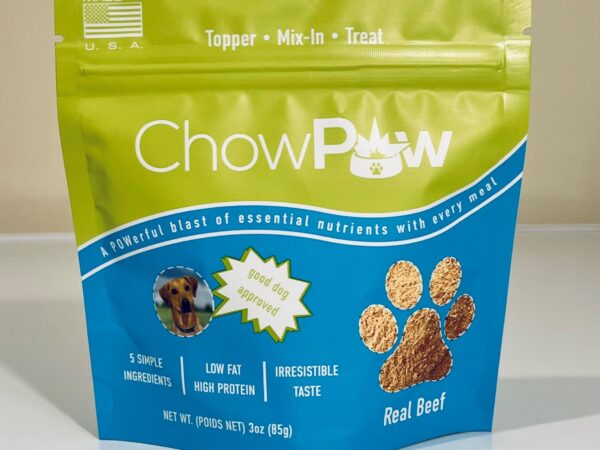
This is where a supplement like ChowPow becomes a total game-changer. It’s not a replacement for their diet; it’s a nutritional booster designed to coat their existing kibble with a flavor and aroma they can’t resist.
The Power of a Meal Enhancer
A high-quality meal enhancer does so much more than just add taste. It completely transforms the entire sensory experience of eating. The rich, meaty aroma of real beef heart in ChowPow immediately signals to your dog that something special is in their bowl, kicking their natural food drive into gear before they even take a bite.
This simple addition can reignite their interest without forcing you into a complete dietary overhaul. In fact, constantly switching your dog’s primary food can do more harm than good. It’s interesting to note that North American consumers, who make up about 47% of the global dog food market, often jump to specialized diets to fix picky eating. This can accidentally introduce health risks, which really highlights the benefit of enhancing a dog’s current balanced diet instead of making drastic changes. You can see more cool insights about global dog diets on myollie.com.
ChowPow is designed to boost, not replace. By sprinkling it over their regular kibble, you enhance the nutritional value and flavor of the food you already trust. It’s a simple way to break the frustrating cycle of buying bag after bag of uneaten dog food.
This approach offers a few key benefits:
- Breaks Mealtime Monotony: The new taste and smell make the same old kibble feel like a brand-new, exciting meal.
- Boosts Nutritional Value: ChowPow adds high-quality protein and essential amino acids from beef heart, giving their diet an extra nutritional punch.
- Encourages Hydration: You can mix the powder with a little water to create a savory gravy, which is a great trick for helping your dog get more fluids.
Ultimately, using a meal supplement is a practical strategy that sets you up for long-term success. It respects your dog’s need for novelty while maintaining the stability of their core diet.
Want to learn more? Check out our guide to the best dog food toppers for picky eaters to see how different options can help solve your mealtime battles.
Does Dog Size Affect Picky Eating Habits?
Have you ever wondered if your pint-sized pup’s selective palate is just part of their personality? You’re not just imagining things. A dog’s size really can play a role in their eating habits, and understanding why can completely change how you approach mealtime.
It’s a pretty well-known phenomenon among owners of smaller breeds. In fact, a worldwide survey confirmed that small dogs are often more selective eaters compared to their medium-sized cousins, who tend to be laser-focused on food. Controlled trials have backed this up, suggesting that little dogs often need more variety or enticing flavors to keep them interested in their bowls.
So, what’s the secret to getting them excited about dinner? Sometimes, it’s as simple as making what they already have taste and smell better.
Adding a meal enhancer like ChowPow boosts the aroma and flavor of their existing food, making it much more appealing without having to switch their entire diet.
Picky Eating Tendencies By Dog Size
While every dog is an individual, their size can give you some clues about their behavior. Here’s a quick look at how different-sized dogs often approach their food bowls.
| Dog Size | Common Eating Behavior | Effective Strategy |
|---|---|---|
| Small | Often grazers or selective; may turn their nose up at familiar food. | Make meals more enticing with flavorful toppers. Smaller kibble size helps, too. |
| Medium | Typically food-motivated, but can develop pickiness from too many treats. | Stick to a routine. Use puzzle feeders to make mealtime more engaging. |
| Large | Usually have strong appetites but can become picky if overfed. | Monitor portions carefully. A consistent feeding schedule is key. |
Understanding these general tendencies can help you tailor your approach, but always remember to pay attention to your own dog’s unique quirks and preferences.
Tailoring Strategies to Your Dog’s Size
While a dog’s personality is always a factor, their size gives us a great starting point for encouraging them to eat. For tiny breeds, their smaller stomachs mean they fill up fast, so every single bite needs to count.
Here are a couple of practical tips:
- For Small Dogs: Make sure their kibble isn’t too big or hard for them to chew. Since they eat less overall, using a nutrient-dense topper like ChowPow is a fantastic way to add a serious nutritional punch to a smaller portion of food.
- For All Dogs: Don’t underestimate the power of mental stimulation. Instead of just plopping a bowl on the floor, try a puzzle feeder. Making them “work” for their dinner taps into their natural foraging instincts and can turn a boring meal into a fun game.
Remember, your dog’s pickiness isn’t a personal insult. It’s often a mix of instinct, preference, and learned behavior. Adjusting your strategy to fit their size and needs is the smartest way to get them excited about their bowl again.
Keeping them interested in their food is a huge part of their overall well-being. To learn more about this, check out our guide on why weight management matters for your dog.
The Common Mistakes We Make With Our Picky Pups
We’ve all been there. Your dog turns their nose up at their bowl, and your first instinct is to fix it—fast. But sometimes, even with the best intentions, we can accidentally make the problem worse. Knowing what not to do is just as important as knowing what to try next.
One of the biggest culprits? Those little bites of steak from your own plate. Feeding table scraps teaches your dog a simple lesson: hold out long enough, and something way better than kibble will appear. It’s an easy habit to fall into, but it can quickly train your dog to wait for the “good stuff” instead of eating their own balanced meal.
Another common slip-up is swapping their food the moment they refuse a meal. This creates a frustrating cycle where your dog learns that turning down dinner just means a new, exciting bag of food will magically show up. Finding the right food is one thing, but constantly changing it just reinforces their picky behavior.
Avoiding the Pitfalls of Picky Eating
Recognizing these patterns is the first step. The goal isn’t to give in to every whim but to build positive, predictable habits around mealtime.
Here are a few things to watch out for:
- Overdoing It With Treats: Snacks are great for training, but they shouldn’t be a meal replacement. Keep treats to less than 10% of your dog’s daily calories, otherwise, they’ll simply be too full for their actual dinner.
- Giving In to Those Puppy-Dog Eyes: It’s so hard to resist, I know. But rewarding begging teaches your dog that it works, making them far less likely to bother with their own bowl.
- Creating a Stressful Mealtime: Hovering over the bowl, anxiously watching their every move, or making a big deal out of dinner can create anxiety. Dogs are creatures of habit and often prefer to eat in a calm, quiet space without an audience.
The real secret weapon here is consistency. When you set clear boundaries and stick to a routine, you’re teaching your dog what to expect. This cuts down on confusion and encourages them to eat what’s in their bowl, when it’s in their bowl.
Got Questions About Your Fussy Dog? We’ve Got Answers
Living with a picky eater can definitely raise a few questions. Don’t worry, you’re not alone! We’ve rounded up some of the most common concerns we hear from dog owners to give you clear, straightforward answers and a little more confidence at mealtime.
What If My Dog Still Won’t Eat?
So, you’ve set up a great routine, the vet gave the all-clear on health issues, but your dog is still turning their nose up at dinner. What now? It’s probably time to make their food a whole lot more exciting.
A simple sprinkle of a high-value meal enhancer like ChowPow can be the game-changer. The rich, meaty aroma of real beef heart is often just too good for even the most stubborn dog to pass up. This isn’t about replacing their food—it’s about making their healthy kibble something they actually get excited about by boosting its flavor and nutritional value.
How Long Can a Dog Safely Go Without Eating?
A healthy adult dog can usually skip a meal or two without any real harm, though it’s never ideal. But if your dog misses more than two consecutive meals, it’s time to give the vet a call. This is especially important for small breeds, puppies, and senior dogs who have fewer energy reserves to fall back on.
Remember, the goal isn’t to win a standoff. It’s to build a positive and consistent mealtime routine. A dog who constantly refuses to eat is sending a clear signal: the food just isn’t worth it to them.
Can I Use ChowPow to Hide Pills?
Absolutely! We all know the struggle of trying to hide medication. A tasty meal topper can make this daily battle disappear.
Just mix a little ChowPow with a splash of water to form a thick paste. You can easily roll it into a small ball around the pill and offer it up like a special treat. The powerful, delicious scent does an amazing job of masking the medicinal smell, turning pill time into treat time.
Ready to turn your dog’s mealtime from a daily struggle into a happy dance? ChowPow makes it incredibly easy to boost the flavor and nutrition of their current food.
-
Product on sale
 Dog Food Topper - Beef HeartOriginal price was: $14.99.$10.95Current price is: $10.95. - or subscribe and save up to 20%